Comparing quantities Comparing Numbers Worksheets for 6-Year-Olds
3 filtered results
-
From - To
Our "Comparing Quantities and Numbers Worksheets for 6-Year-Olds" are perfect for nurturing young mathematical minds. Designed to make learning fun and intuitive, these printables teach kids to compare numbers using symbols and visual aids. They enhance logic, critical thinking, and number sense, laying a strong foundation for future math success. Featuring colorful designs and engaging activities, these worksheets ensure your child grasps fundamental concepts while staying entertained. Each sheet is expertly crafted to align with early education standards, making them ideal for use at home or in the classroom. Boost your child's confidence in math today!
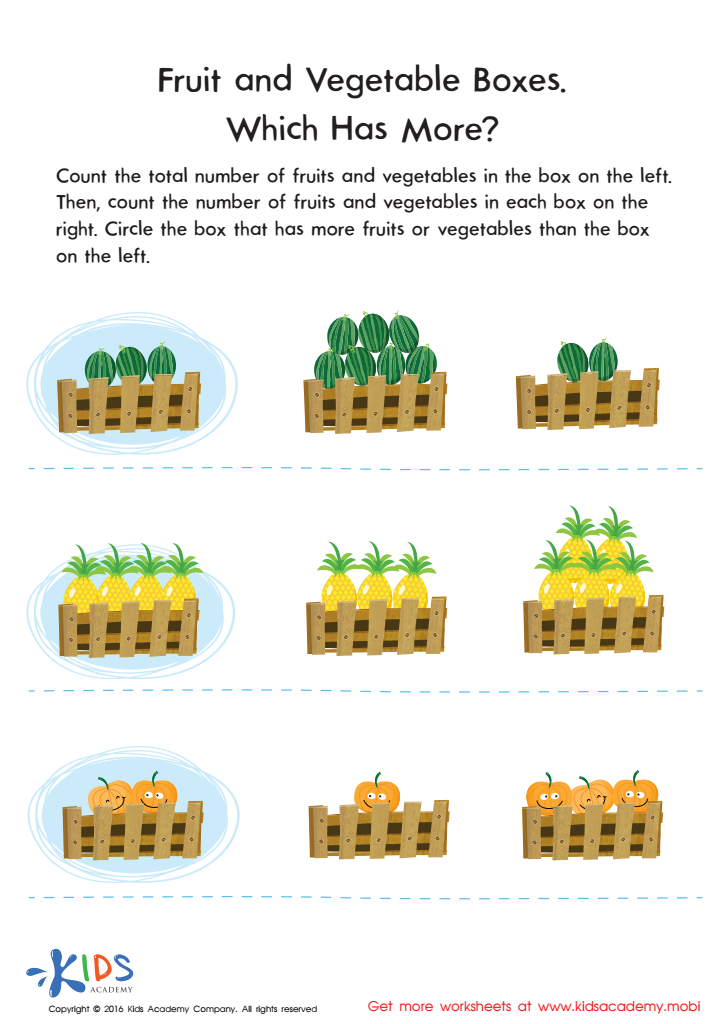
Which Has More? Size Worksheet
 Assign to My Students
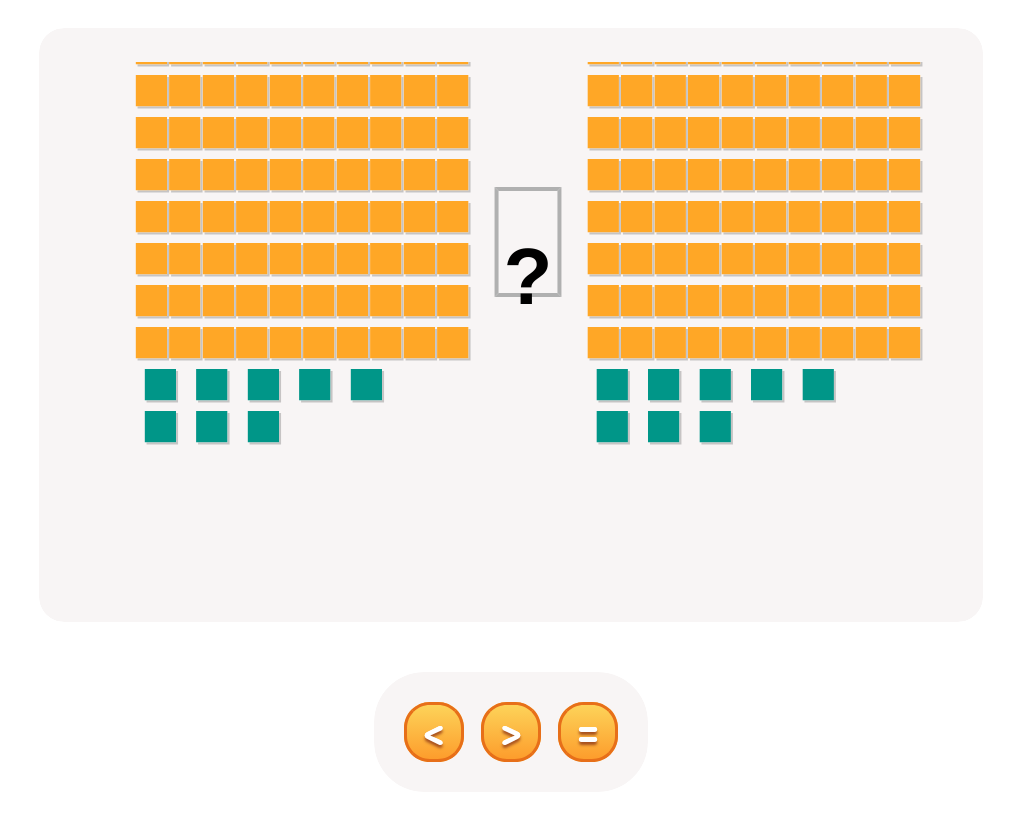

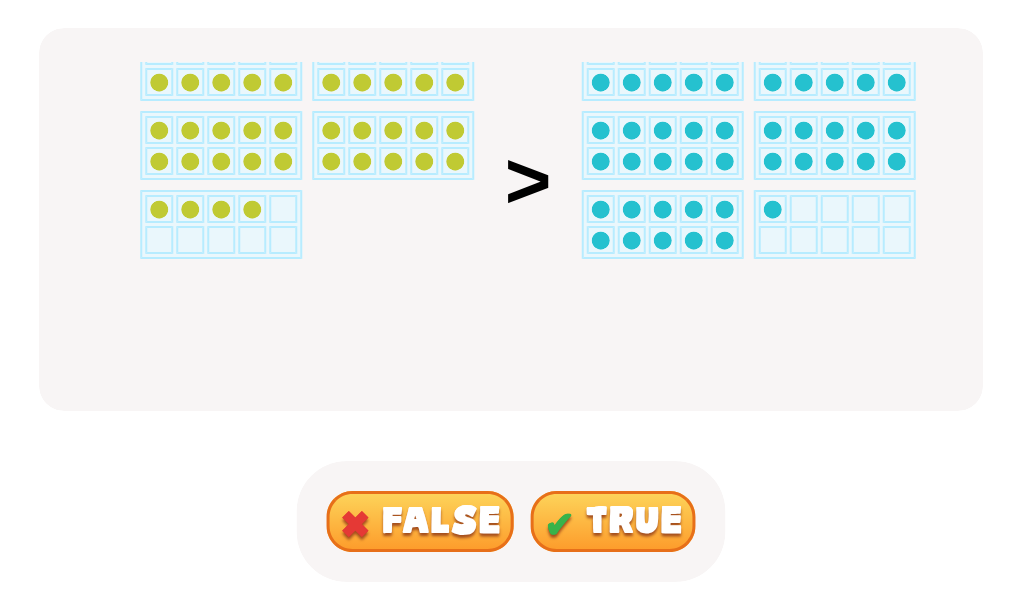
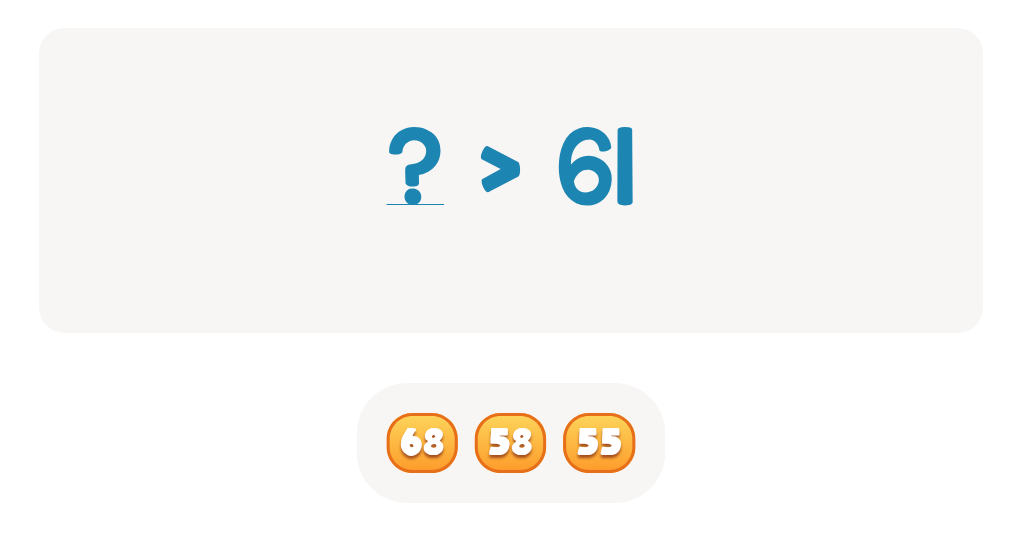
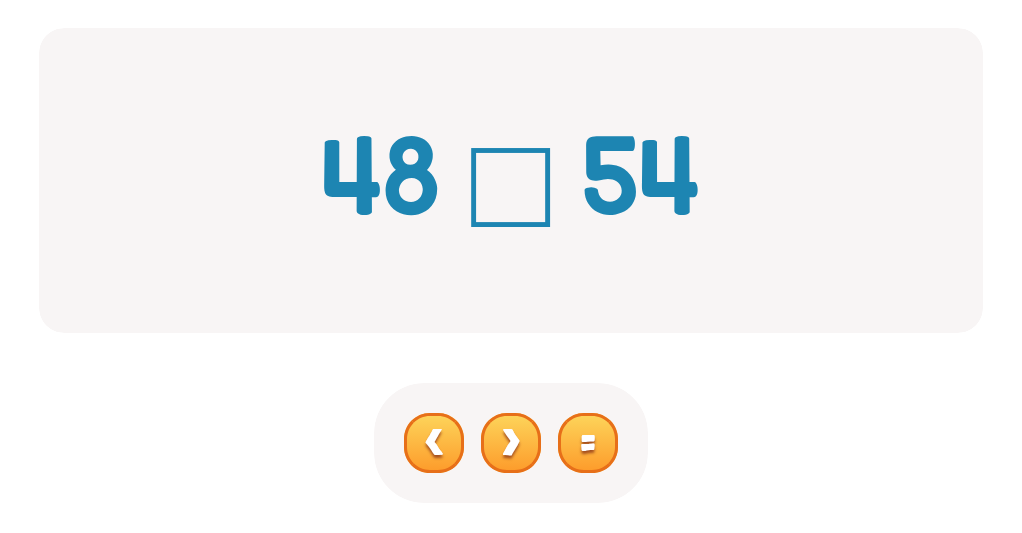
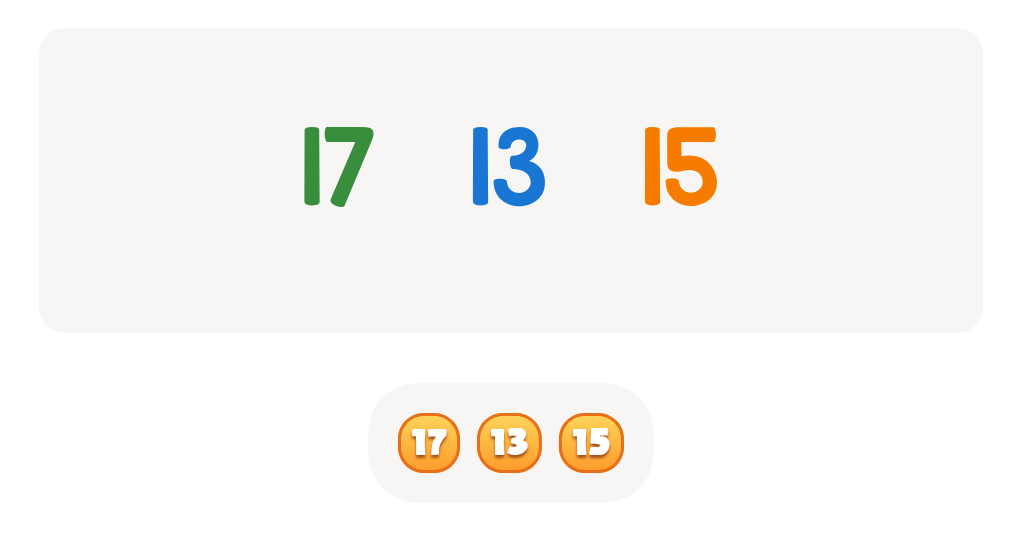
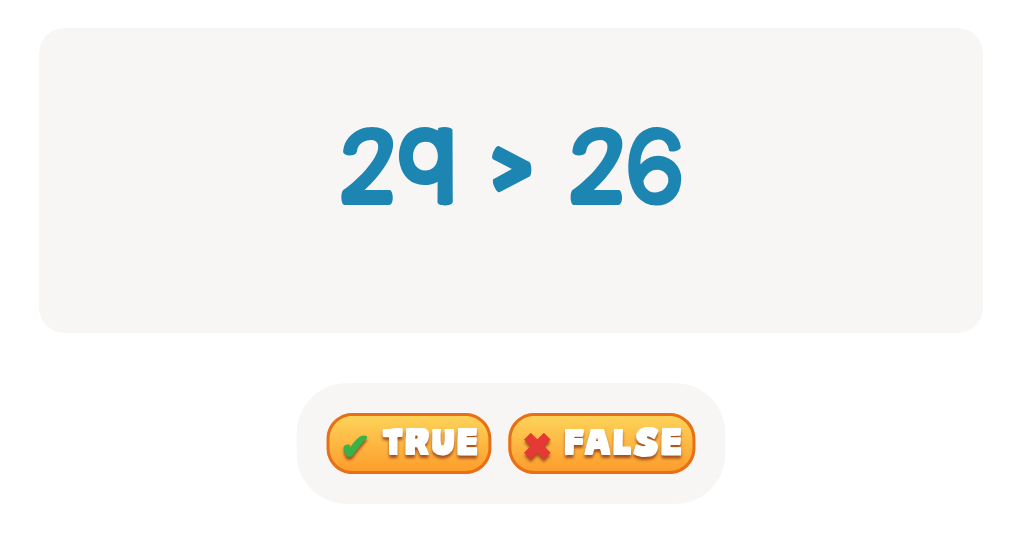
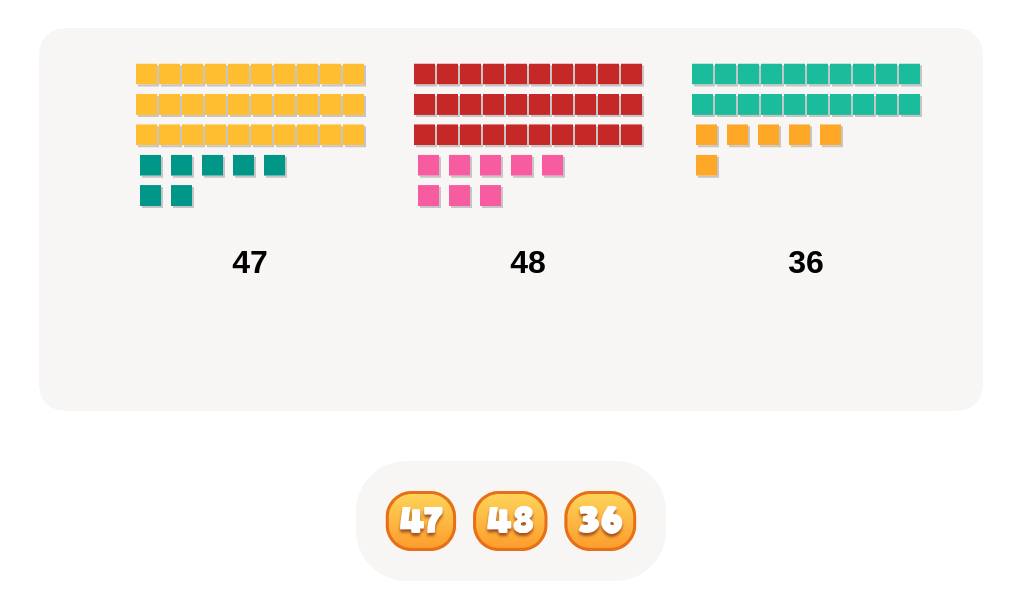
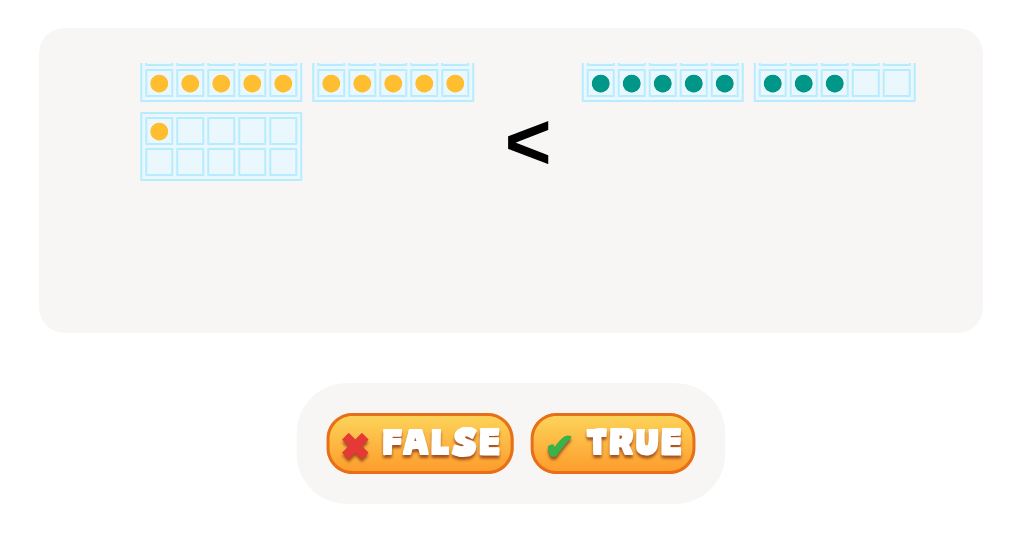
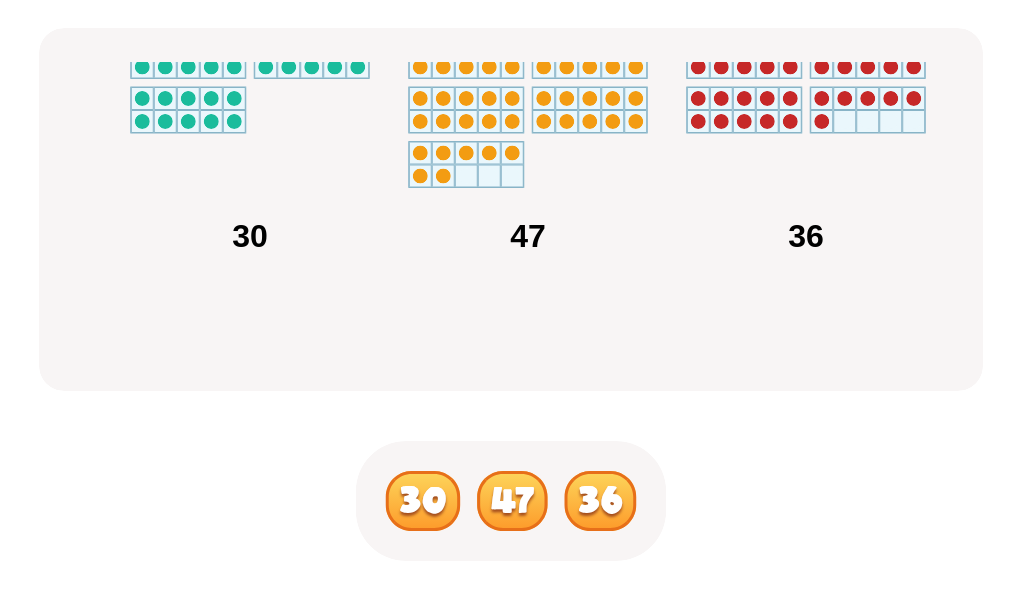
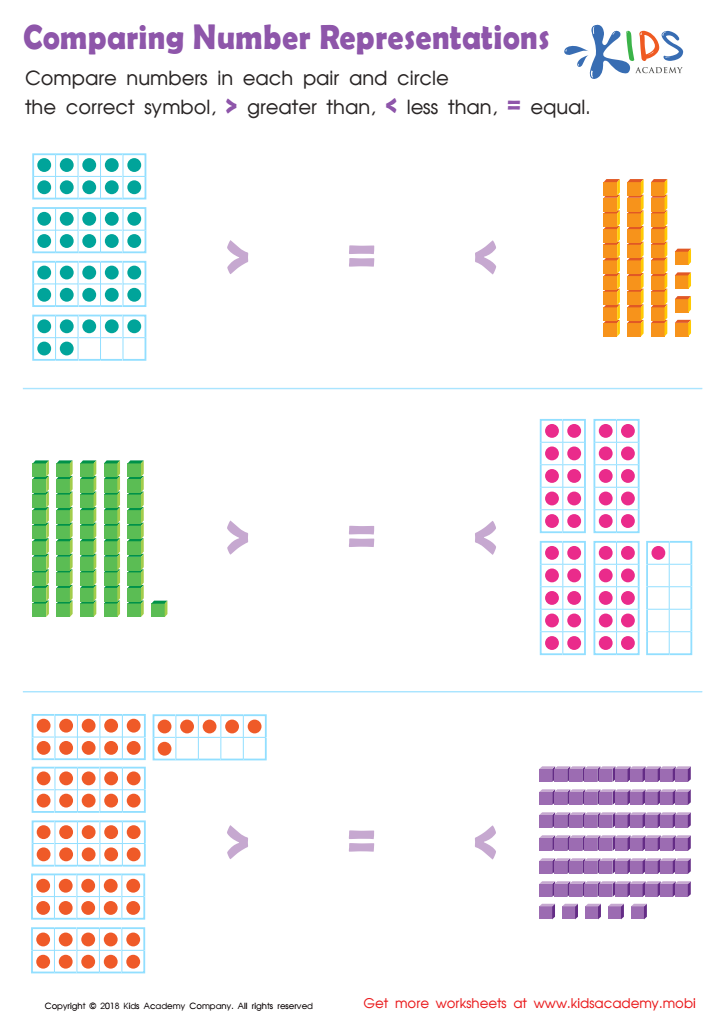
Comparing Number Representations Worksheet
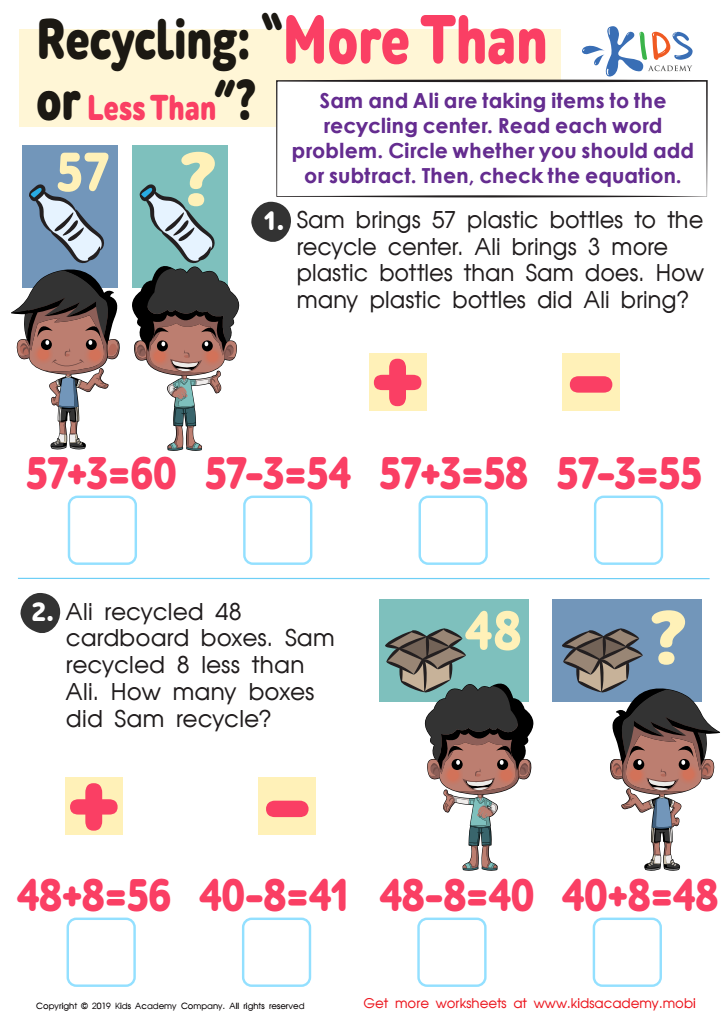
Recycling - More or Less Worksheet








Comparing quantities and numbers is a fundamental skill for 6-year-olds that forms the basis of mathematical understanding and critical thinking. For parents and teachers, prioritizing this skill is essential as it serves multiple educational and cognitive purposes.
Firstly, comparing quantities helps children understand relative sizes and amounts, laying groundwork for more advanced math concepts such as addition, subtraction, multiplication, and division. Recognizing that three apples are fewer than five apples, or that ten is more than seven, creates a concrete reference point for numerical relationships.
Secondly, this skill promotes logical reasoning. Comparing numbers requires children to observe, analyze, and draw conclusions based on their observations. These abilities are not only vital for math but also for problem-solving in general.
Moreover, practicing comparisons can enhance children's social and language development. As they articulate why one number is greater or lesser, they learn to communicate their thought processes more effectively. This can improve both their academic language and their general best practices in explaining and reasoning.
Equally crucial is preparing children for real-world applications. Daily life is full of scenarios that require quick comparisons—from choosing between different quantities when shopping, to figuring out whether they have more candies than their sibling. Building these comparisons early cultivates financial literacy and sound judgment well beyond the classroom.
Overall, comparing quantities and numbers equips 6-year-olds with critical cognitive tools for academic and real-life success.