Vocabulary expansion Reading Non-Fiction Worksheets for 6-Year-Olds
6 filtered results
-
From - To
Enhance your child's vocabulary with our engaging Vocabulary Expansion Reading Non-Fiction Worksheets designed specifically for 6-year-olds! These worksheets feature captivating non-fiction content that fosters curiosity and learning. Each activity encourages young readers to explore new words in context, boosting their language skills while making reading fun. Perfect for classroom or at-home learning, these resources promote comprehension and vocabulary retention through exciting visuals and relatable topics. Ideal for enhancing literacy skills, our worksheets cater to diverse learning needs. Empower your child to build a robust vocabulary and develop a lifelong love for reading with our expertly crafted materials!
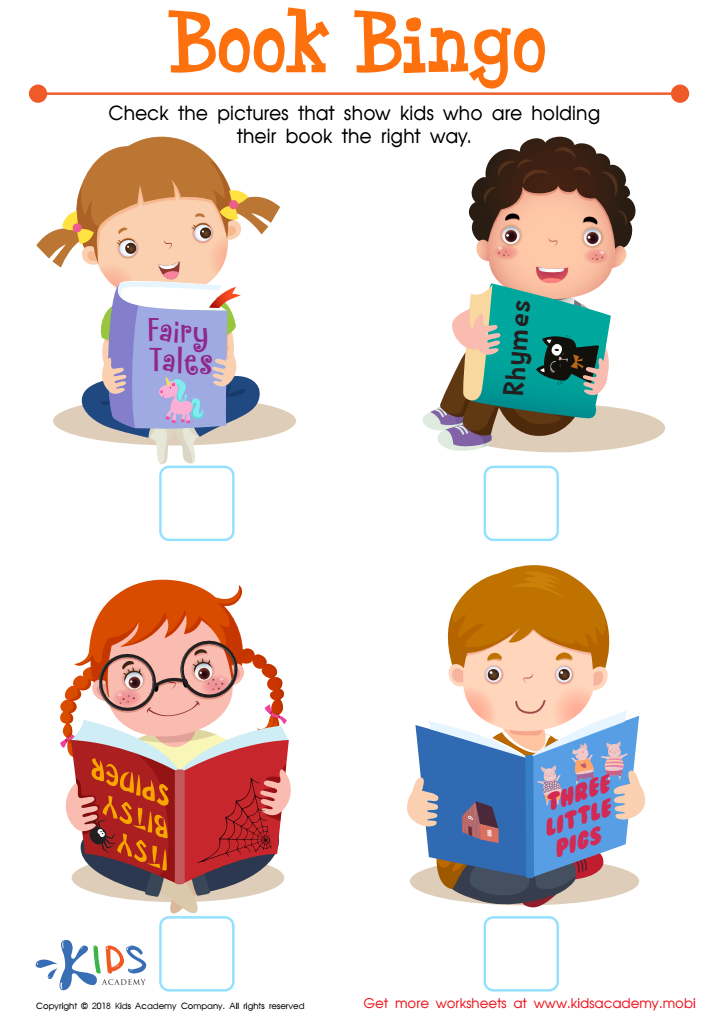
Book Bingo Worksheet
 Assign to My Students
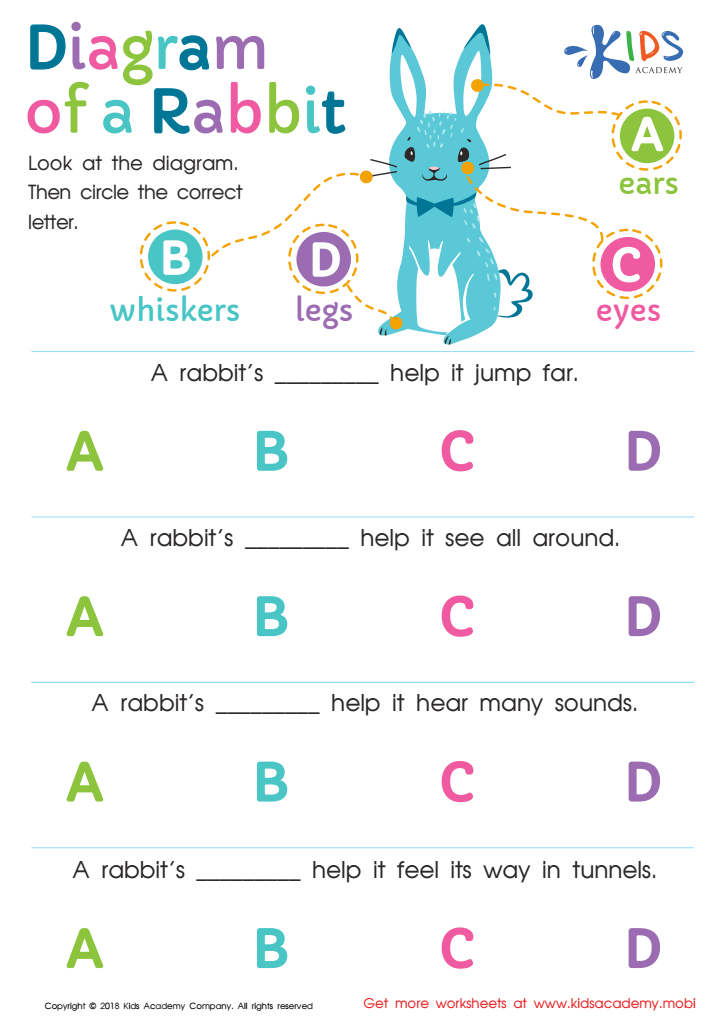
Diagram of a Rabbit Worksheet
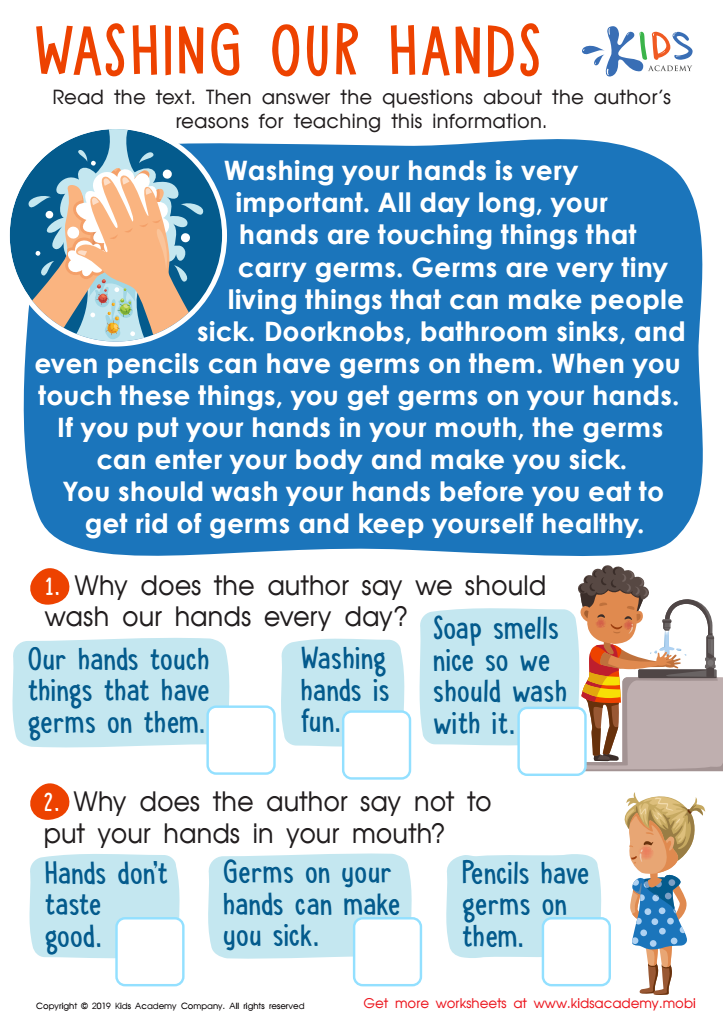
Washing Our Hands Worksheet
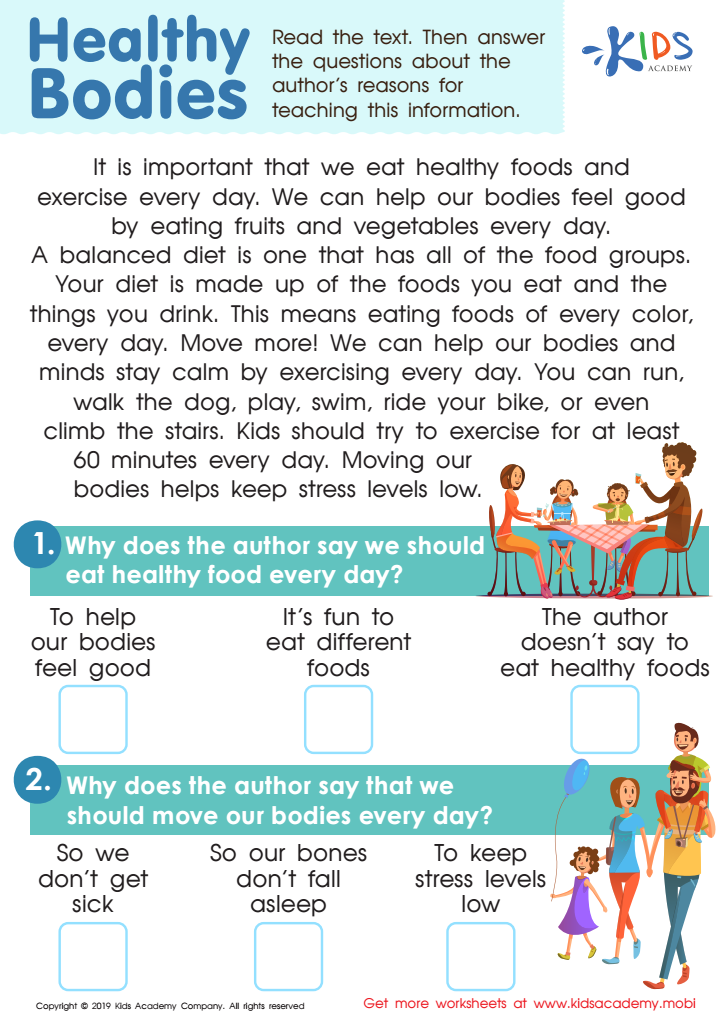
Healthy Bodies Worksheet
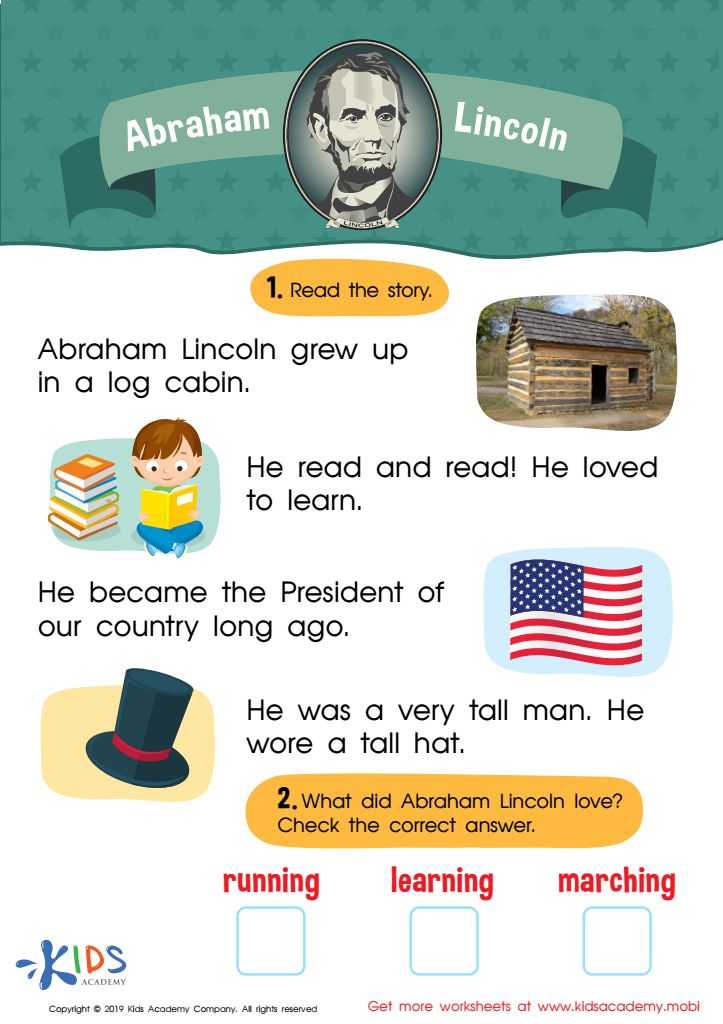
Abraham Lincoln Worksheet
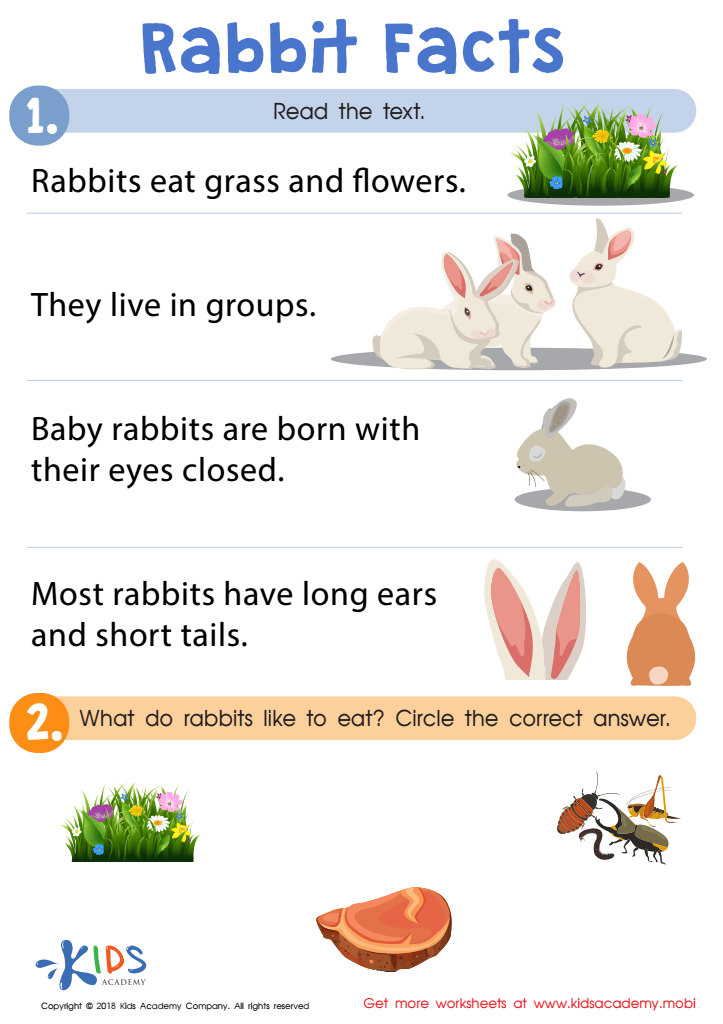
Rabbit Facts Worksheet








Vocabulary expansion through reading non-fiction is crucial for 6-year-olds, as it lays a strong foundation for literacy and learning across all subjects. At this age, children are naturally curious about the world around them. Exposing them to non-fiction texts deepens their understanding of various topics, from animals to space to historical events, and enriches their vocabulary through precise terminology.
Reading non-fiction helps children learn to process and categorize information, fostering critical thinking skills. It also encourages independent learning, allowing children to explore their interests while building a diverse vocabulary. This is essential not only for academic success but also for effective communication in everyday life.
Additionally, a strong vocabulary enhances reading comprehension, enabling young learners to grasp ideas and express themselves more clearly. Parents and teachers should prioritize non-fiction reading, as it supports cognitive development and prepares children for more complex texts in the future.
By recognizing the value of vocabulary expansion through non-fiction, parents and teachers can nurture informed and articulate individuals, ultimately fostering a love for reading that will benefit children throughout their education and beyond. Investing time in non-fiction texts is a vital step in promoting lifelong learning and curiosity.








