Fraction comparison Sight Words Worksheets for 6-Year-Olds
5 filtered results
-
From - To
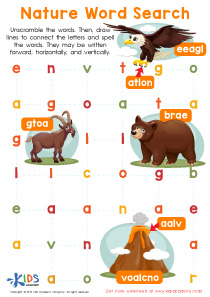
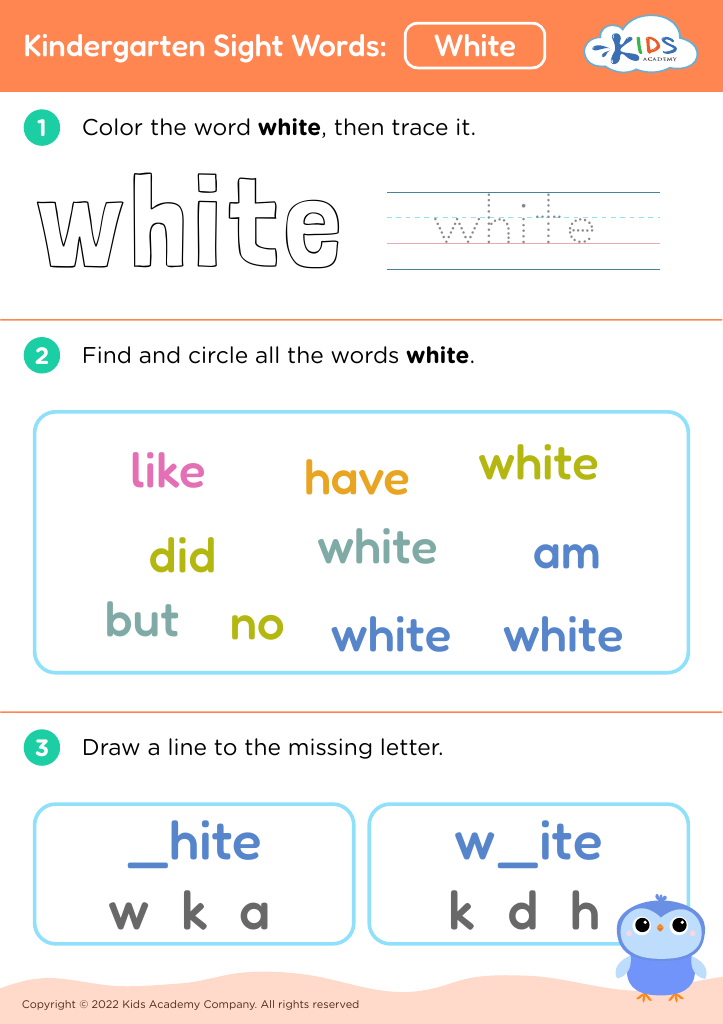
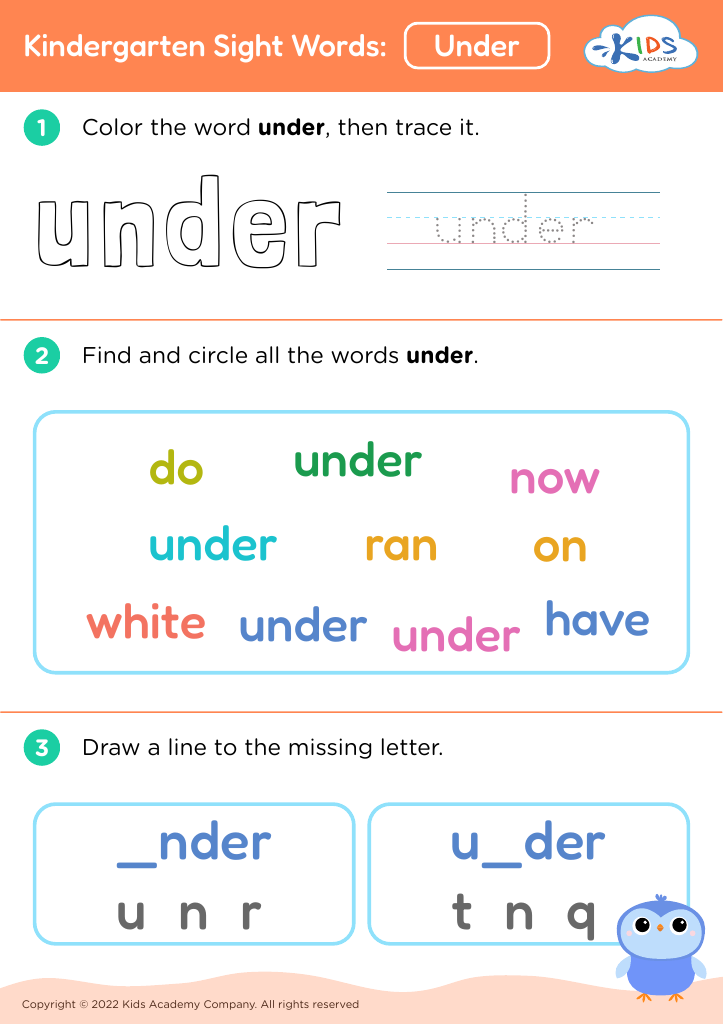
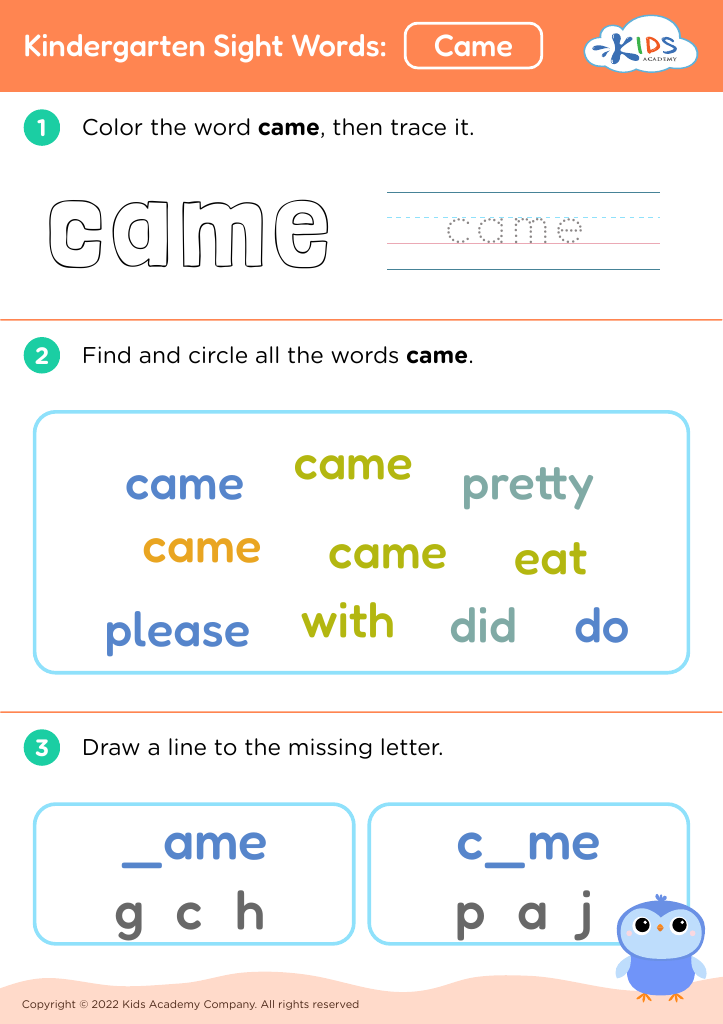
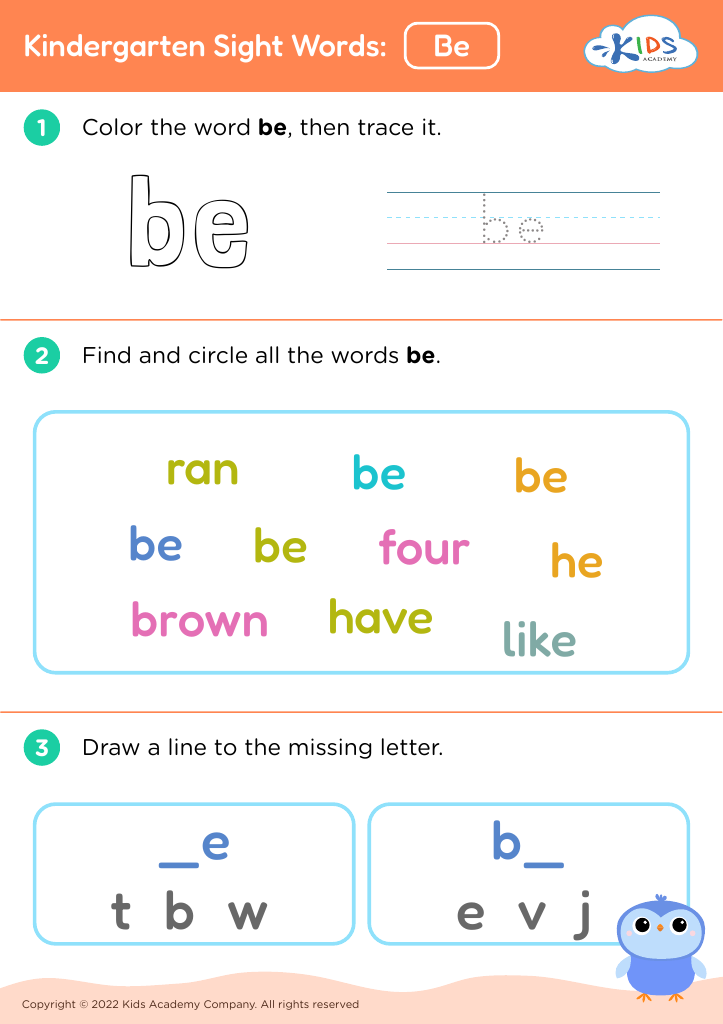
Introduce your six-year-old to the exciting world of fractions with our engaging Fraction Comparison Sight Words Worksheets! These worksheets are designed to help young learners grasp fundamental fraction concepts while improving their sight word recognition. Each activity intertwines visual comparisons of fractions with essential sight words, making learning fun and effective. Kids will enjoy vibrant illustrations and interactive exercises that promote both mathematical skills and literacy. Perfect for at-home practice or classroom use, these worksheets enable children to identify fractions, compare their sizes, and build confidence in reading. Unlock your child's potential in math and literacy with our specialized educational resources!
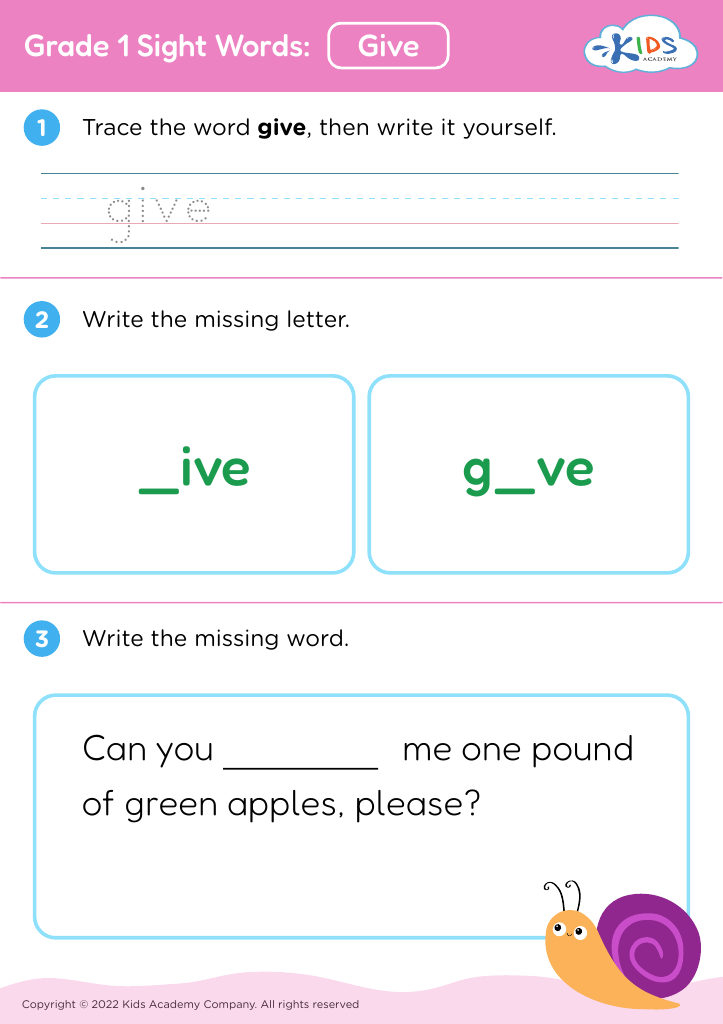






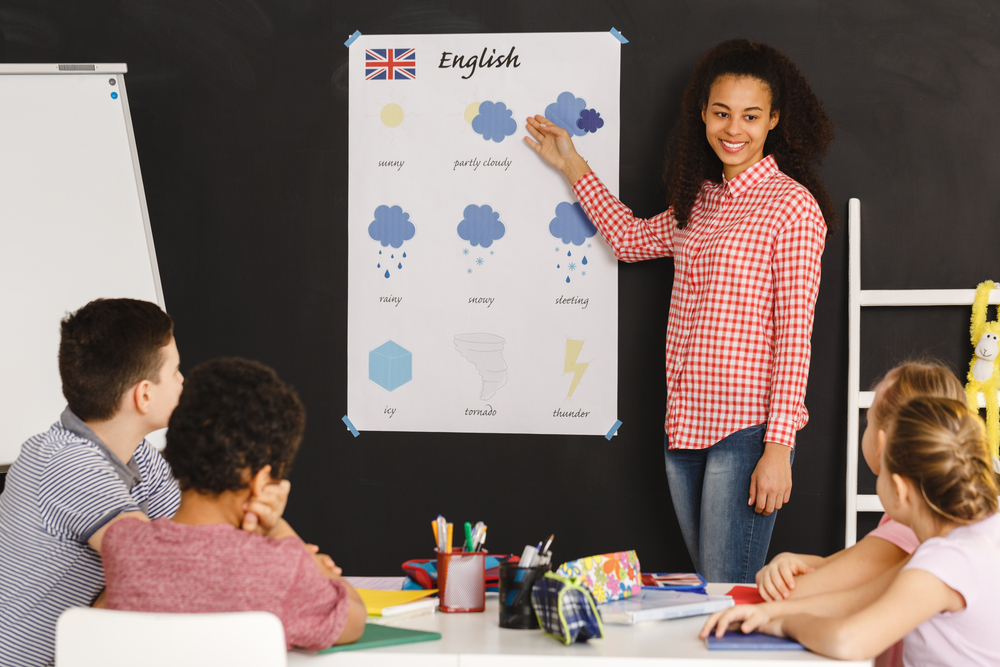




Parents and teachers should care about fraction comparison sight words for 6-year-olds because early exposure to mathematical vocabulary plays a crucial role in developing children's mathematical understanding and fluency. At this age, children are rapidly expanding their language skills, and incorporating fraction comparison terms helps them grasp foundational mathematical concepts more effectively.
Understanding sight words related to fractions, such as "greater," "less," "equal," "whole," and "part," equips children to anticipate and solve problems involving fractions. When children learn to recognize and articulate these terms, they become more confident in their ability to compare and reason about numbers.
Furthermore, strong vocabulary promotes better communication skills. When parents and teachers encourage discussions around fractions using these specific words, they are fostering an enriching learning environment where children can express their thoughts and reasoning. This lays the groundwork for more advanced mathematical learning in the future.
Encouraging fraction comparison sight words not only enables children to succeed in mathematics but also nurtures critical thinking and problem-solving abilities. By supporting young learners in developing these essential skills, parents and teachers are investing in their academic success and building a strong foundation for lifelong learning.