Reading skills development Alphabet Worksheets for Ages 7-8
3 filtered results
-
From - To
Enhance your child's reading skills with our Alphabet Worksheets, tailored for ages 7-8. These engaging printables are designed to build strong foundational literacy, improve letter recognition, and foster a love for reading. Each worksheet incorporates fun and interactive activities that challenge young minds while making learning enjoyable. From tracing letters to reading simple sentences, these exercises aim to boost your child's confidence and fluency in reading. Ideal for both classroom and home use, our expertly crafted worksheets support and enhance the reading skills development needed for academic success. Discover the joys of learning with our Alphabet Worksheets today!
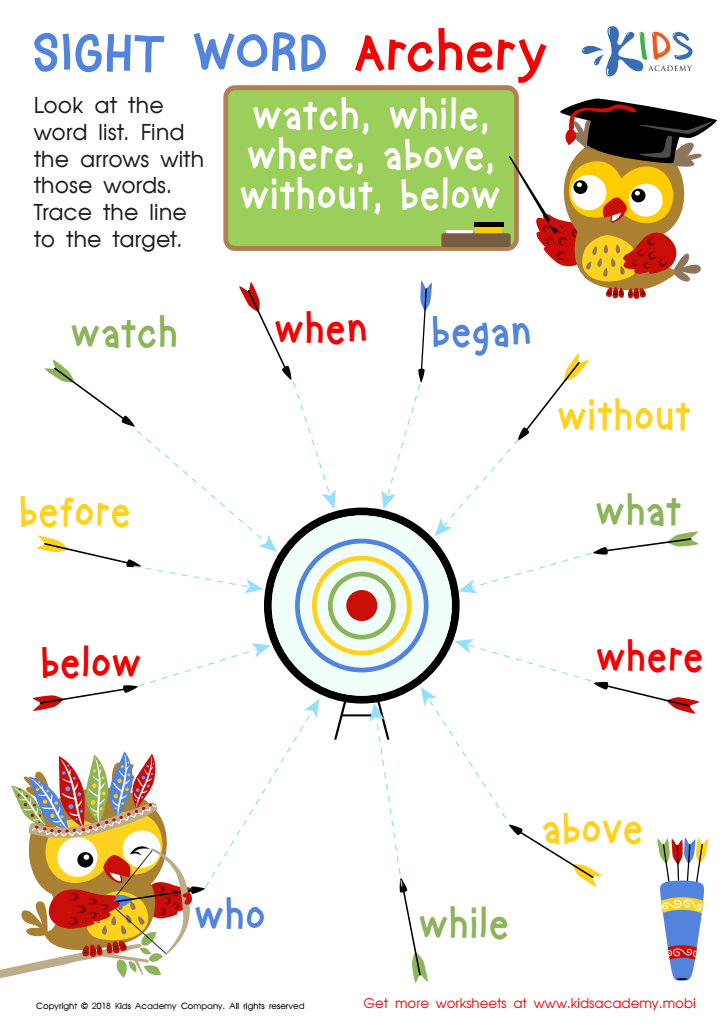
Sight Word Archery Worksheet
 Assign to My Students
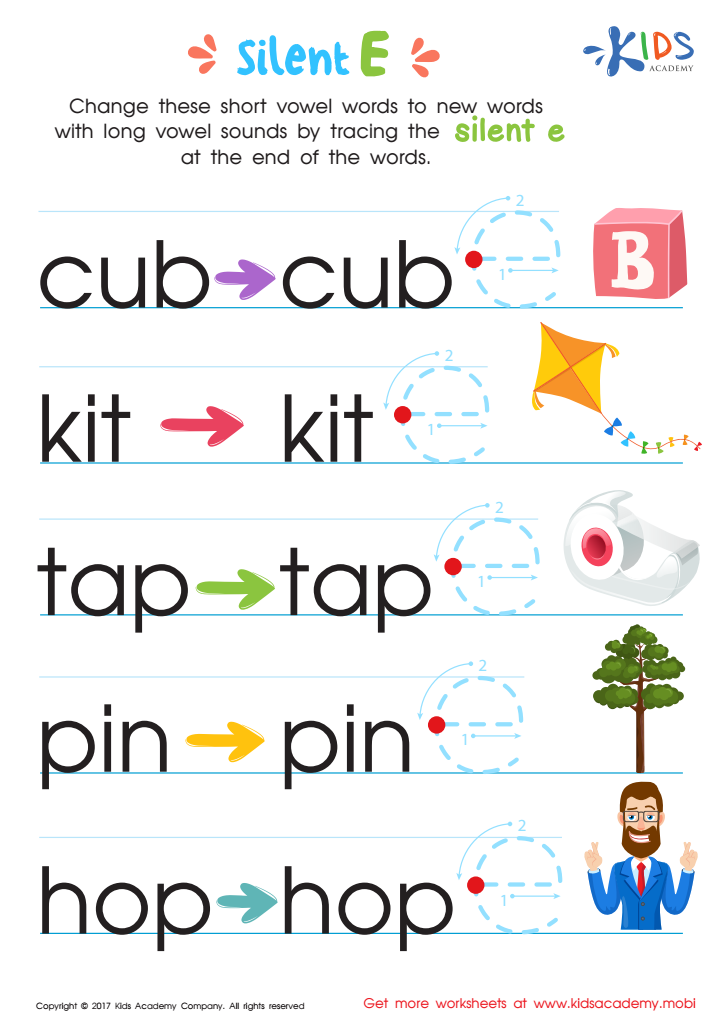
Silent E Words Worksheet
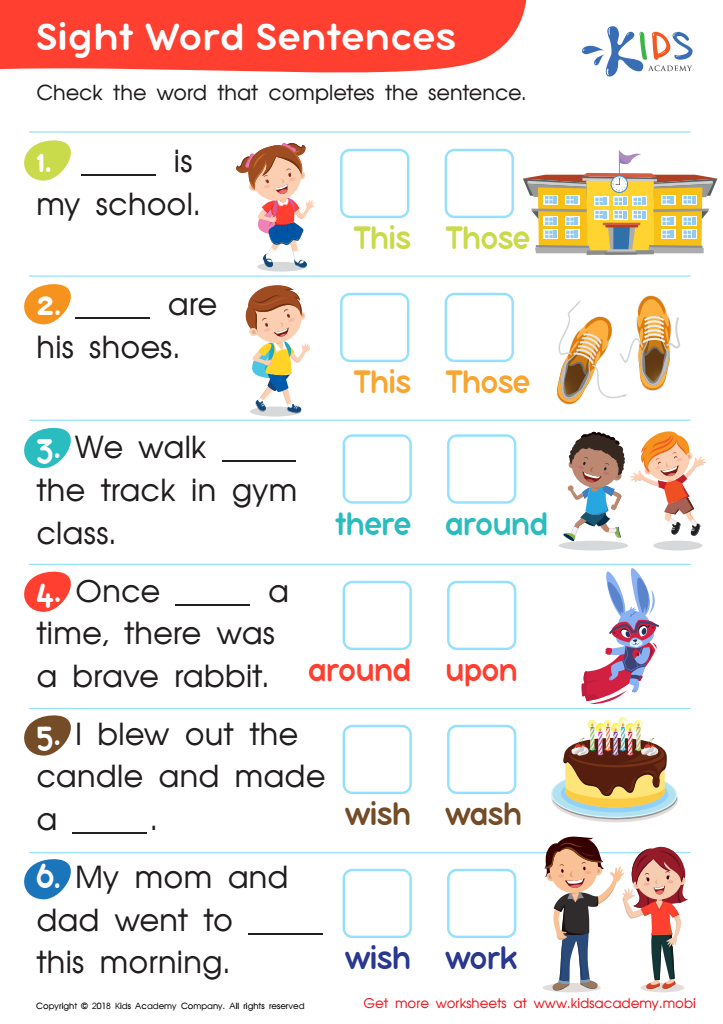
Sight Word Sentences Worksheet








Reading skills development, particularly the understanding of the alphabet, is crucial for children aged 7-8 because these skills form the foundation for future learning and academic success. At this age, children transition from recognizing letters to becoming fluent readers, an essential shift that impacts all areas of education.
A strong grasp of the alphabet helps children decode words, understand spelling patterns, and develop phonemic awareness — the ability to hear, identify, and manipulate phonemes. This phonemic awareness is crucial for reading proficiency, which in turn supports comprehension, vocabulary development, and overall communication skills.
Moreover, reading skills ignite a child's curiosity and imagination, fostering a lifelong love for reading and learning. Teachers and parents who prioritize reading skills early on can significantly boost a child's self-confidence. They provide them with tools to explore new ideas and concepts, setting a positive academic trajectory.
Falling behind in reading at this stage can lead to struggles in other subjects, as most classroom activities rely on reading proficiency. Therefore, investing time and resources in nurturing these skills is pivotal. It ensures every child has the opportunity to become an efficient reader who can access and engage with various types of information, essential for their educational growth and intellectual development.







