Handwriting practice Letter Recognition Worksheets for Ages 7-8 - Page 2
32 filtered results
-
From - To
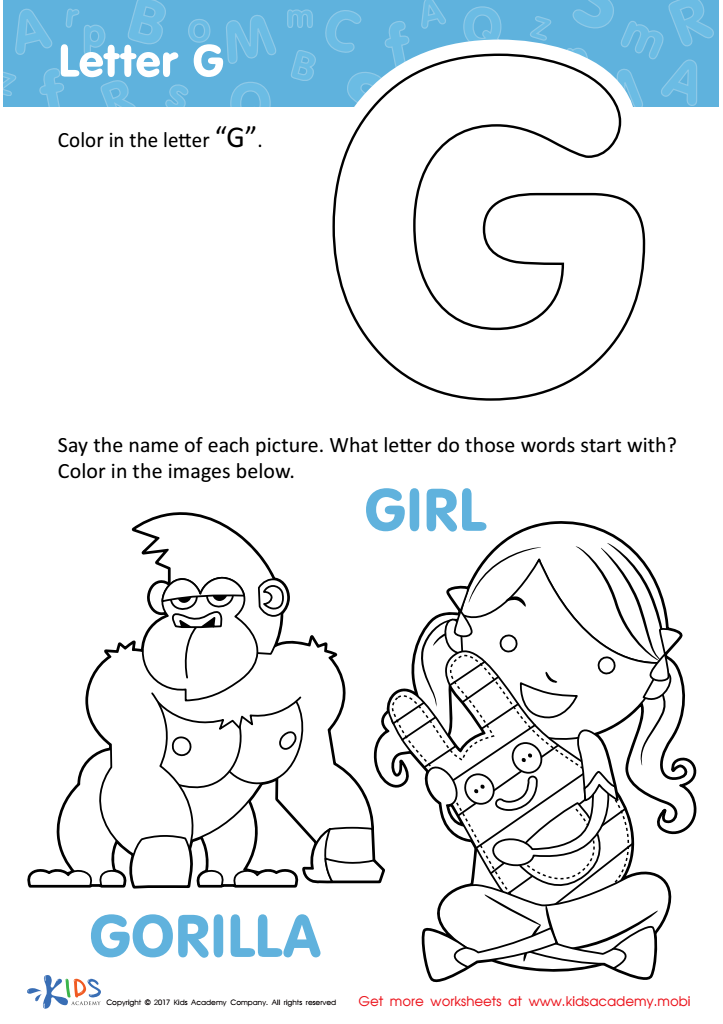
Letter G Coloring Sheet
 Assign to My Students
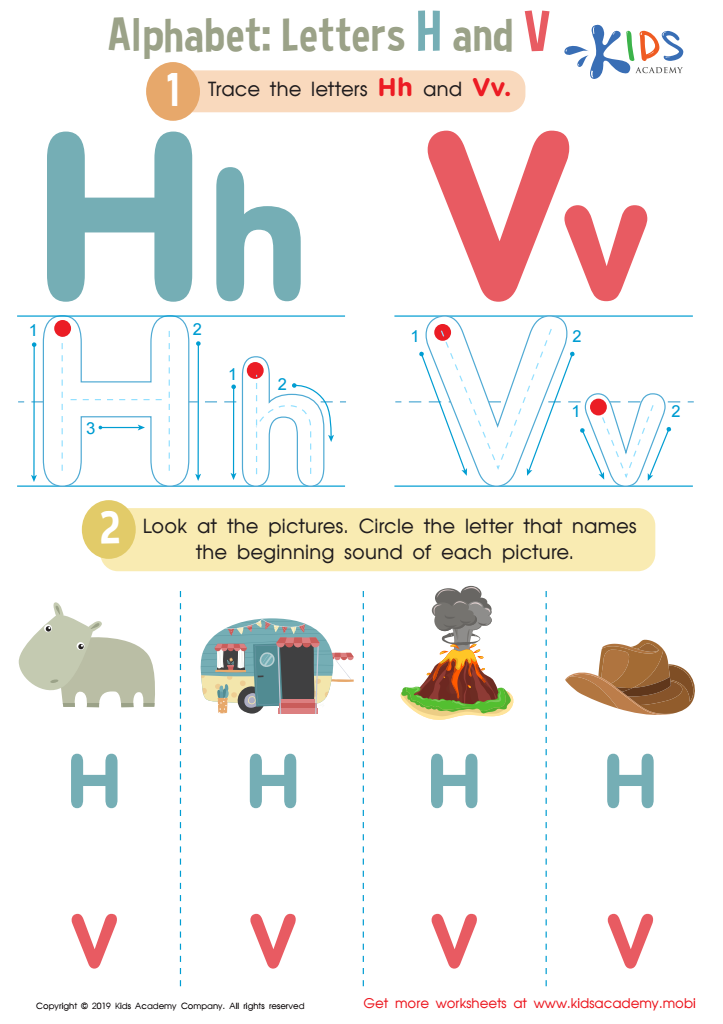
Letters H and V Tracing Worksheet
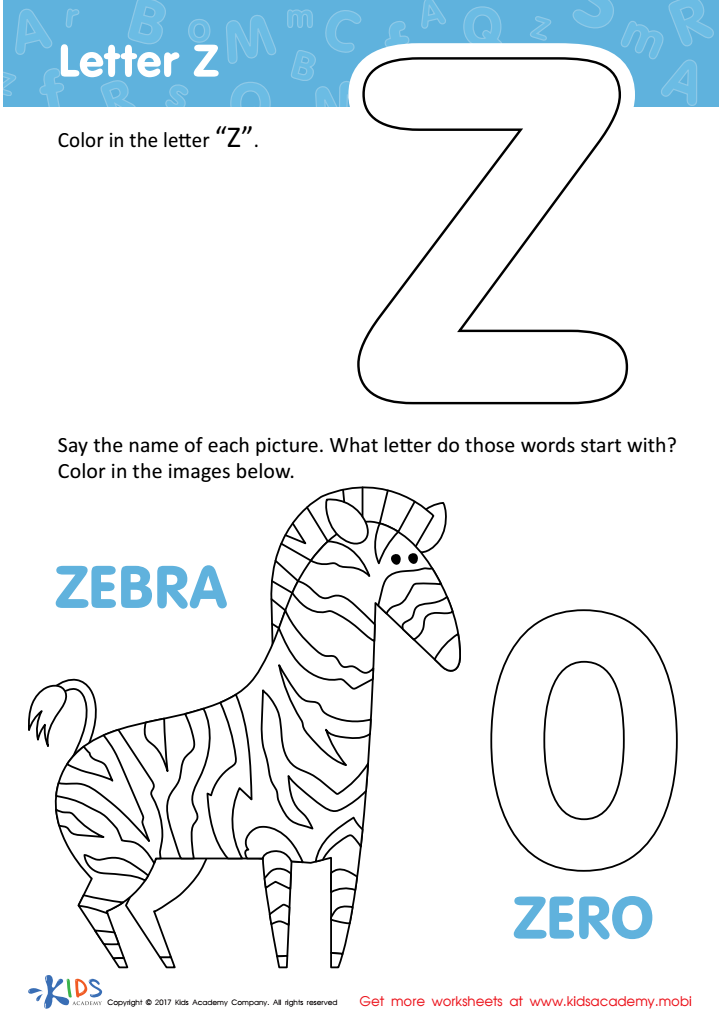
Letter Z Coloring Sheet
Assign to My Students
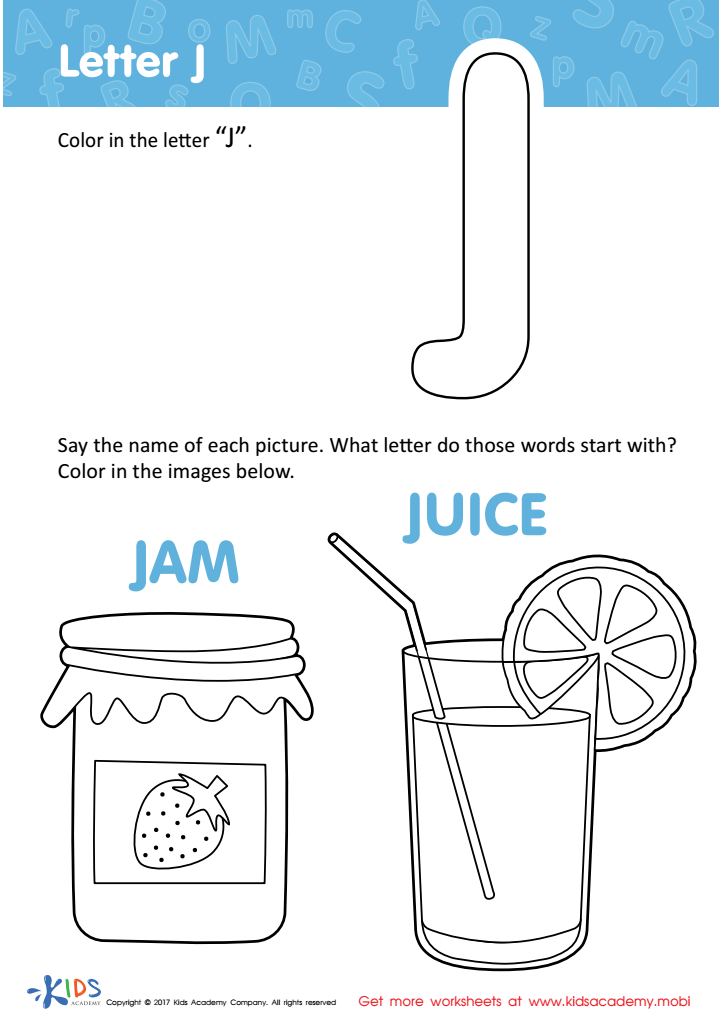
Letter J Coloring Sheet
Assign to My Students
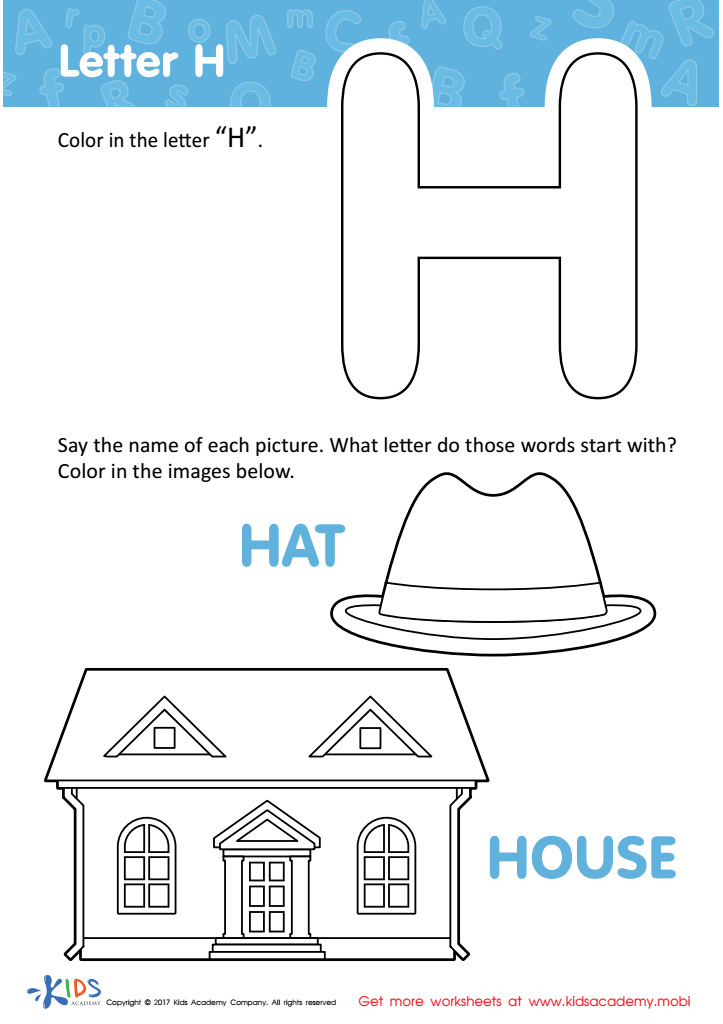
Letter H Coloring Sheet
Assign to My Students
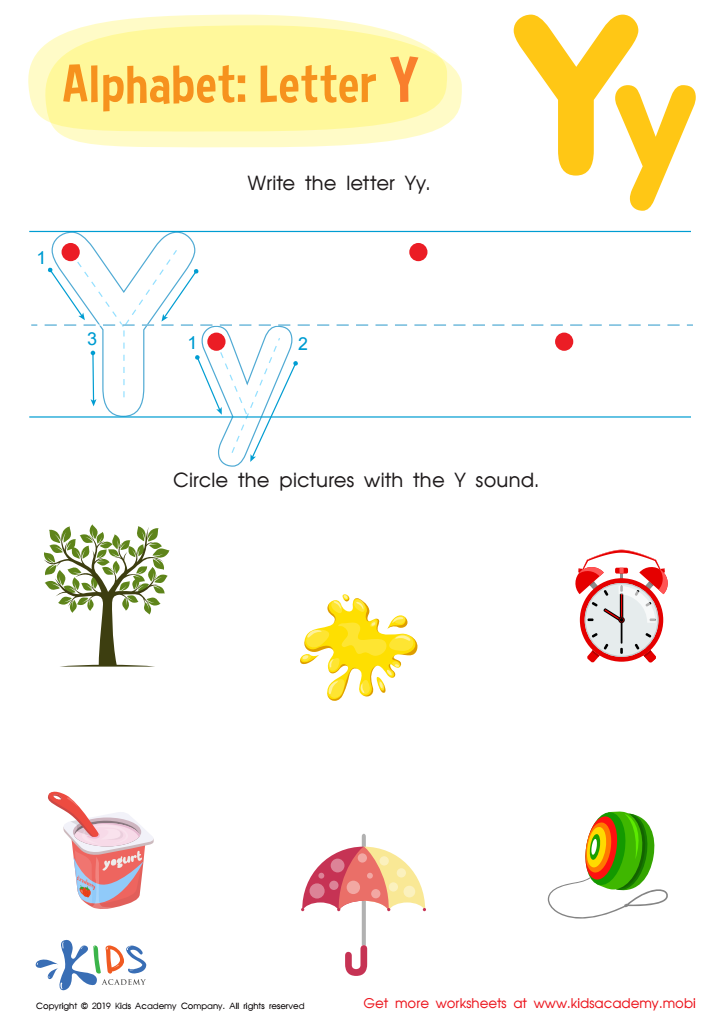
Letter Y Tracing Worksheet
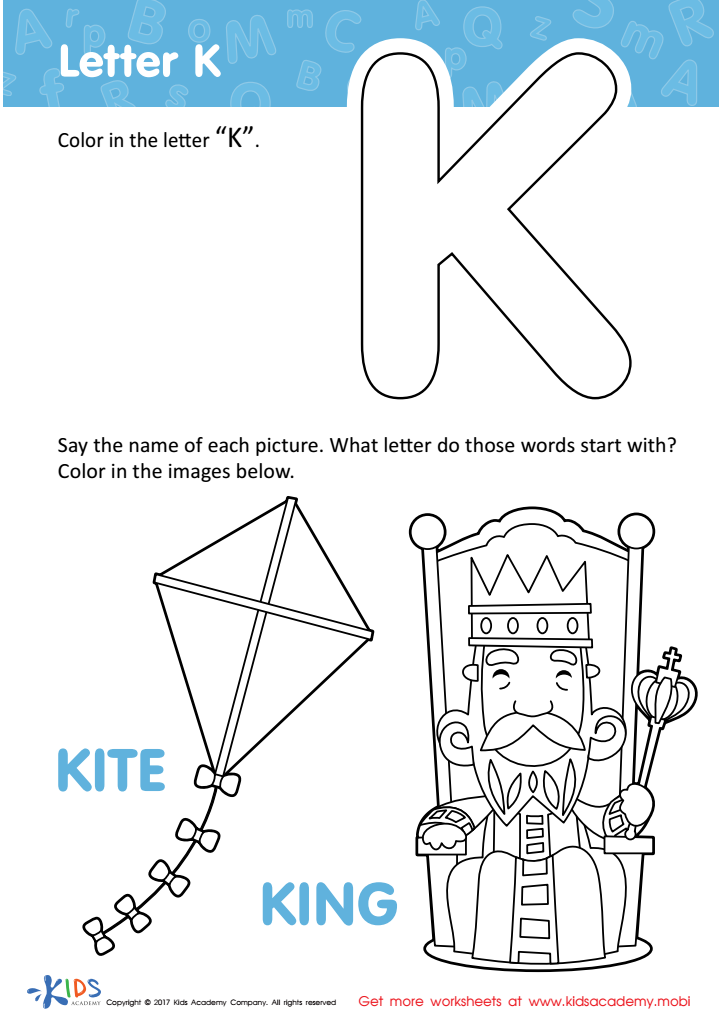
Letter K Coloring Sheet
Assign to My Students
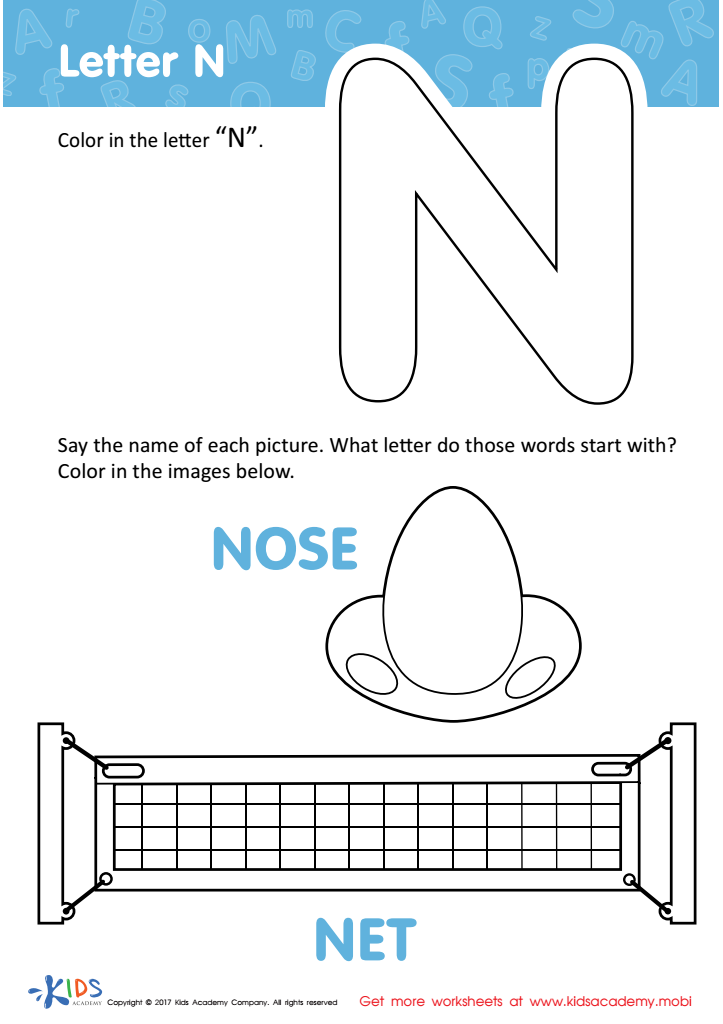
Letter N Coloring Sheet
Assign to My Students








Handwriting practice and letter recognition for ages 7-8 are vital components of a child’s literacy development. At this stage, children are transitioning from learning individual letters to constructing words and sentences. These skills enhance their reading and writing abilities, which are foundational for academic success.
Firstly, handwriting practice improves fine motor skills and hand-eye coordination, which are essential for various daily tasks. As children learn to write clearly and legibly, they gain confidence in their abilities, contributing positively to their self-esteem.
Secondly, letter recognition is crucial for reading fluency. As children develop a strong understanding of letters and their corresponding sounds, they enhance their ability to decode words. This skill is foundational not just in language arts, but also in subjects like math, where word problems often require comprehension skills.
Furthermore, consistent handwriting practice reinforces memory retention and cognitive processing, making it easier for students to transfer knowledge across subjects. Overall, parents and teachers should prioritize these practices, as the benefits extend beyond literacy; they promote overall cognitive development and prepare children for future academic challenges.







