Motor skills development Letter Recognition Worksheets for Ages 7-8
5 filtered results
-
From - To
Enhance your child’s motor skills while boosting letter recognition with our engaging worksheets designed specifically for ages 7-8. These interactive activities are perfect for developing fine motor abilities as children practice tracing, coloring, and identifying letters of the alphabet. Each worksheet combines fun and education, encouraging kids to hone their writing techniques while establishing a strong foundation in literacy. As they navigate through various exercises, children improve their hand-eye coordination and strengthen their cognitive skills simultaneously. Download and explore our carefully crafted letter recognition worksheets today, and set your child on the path to successful reading and writing!
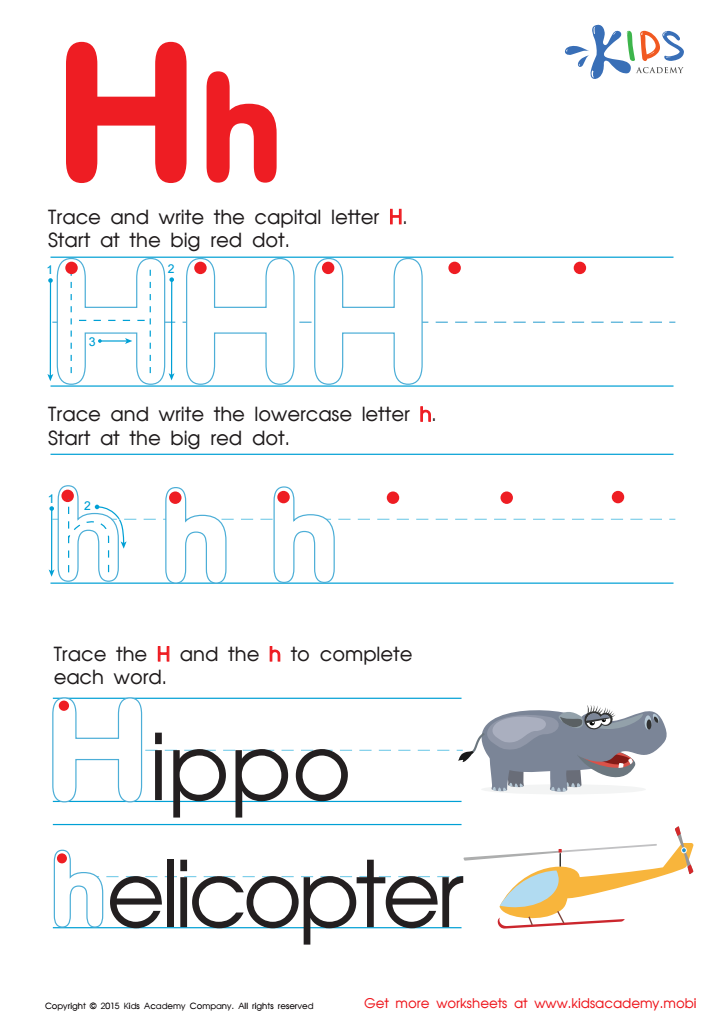
Letter H Tracing Page
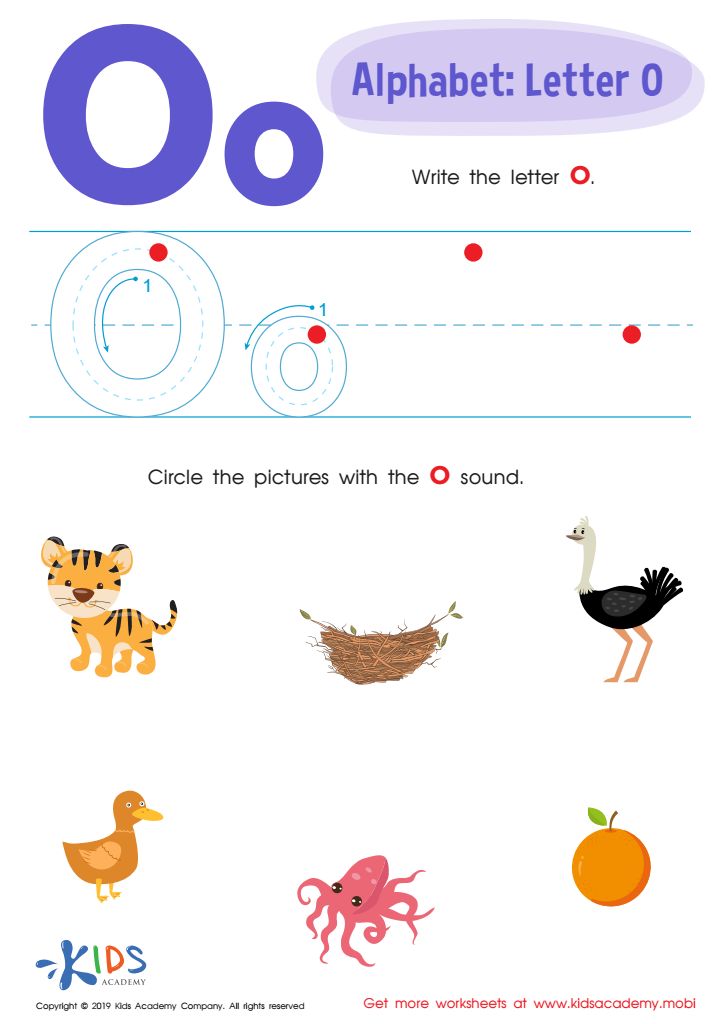
Letter O Tracing Worksheet
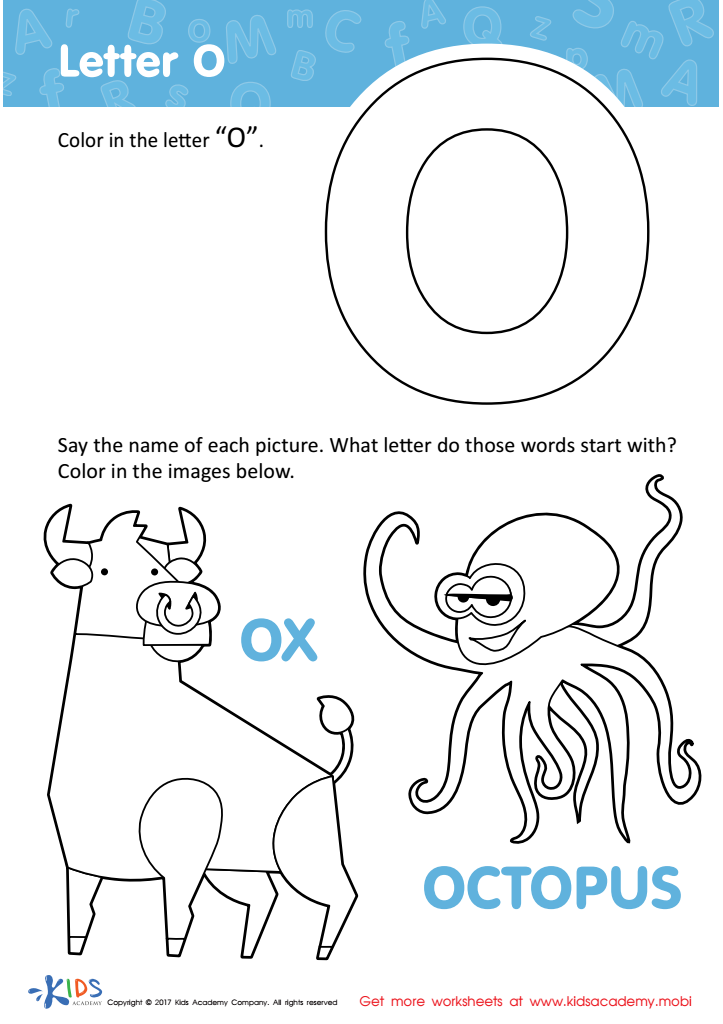
Letter O Coloring Sheet
 Assign to My Students
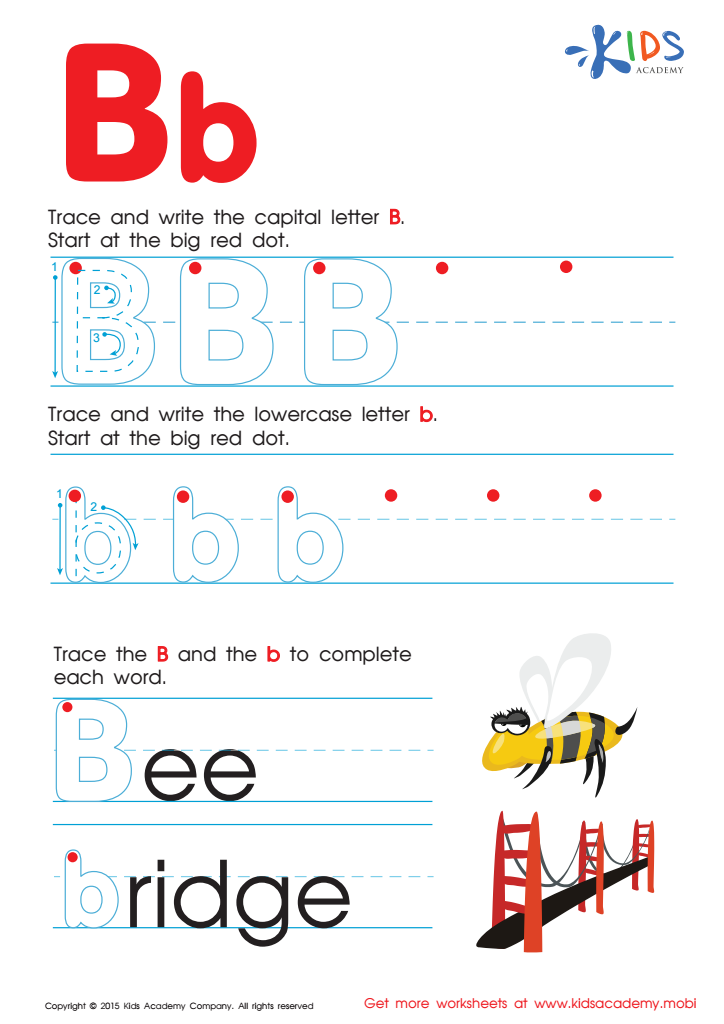
Letter B Tracing Page
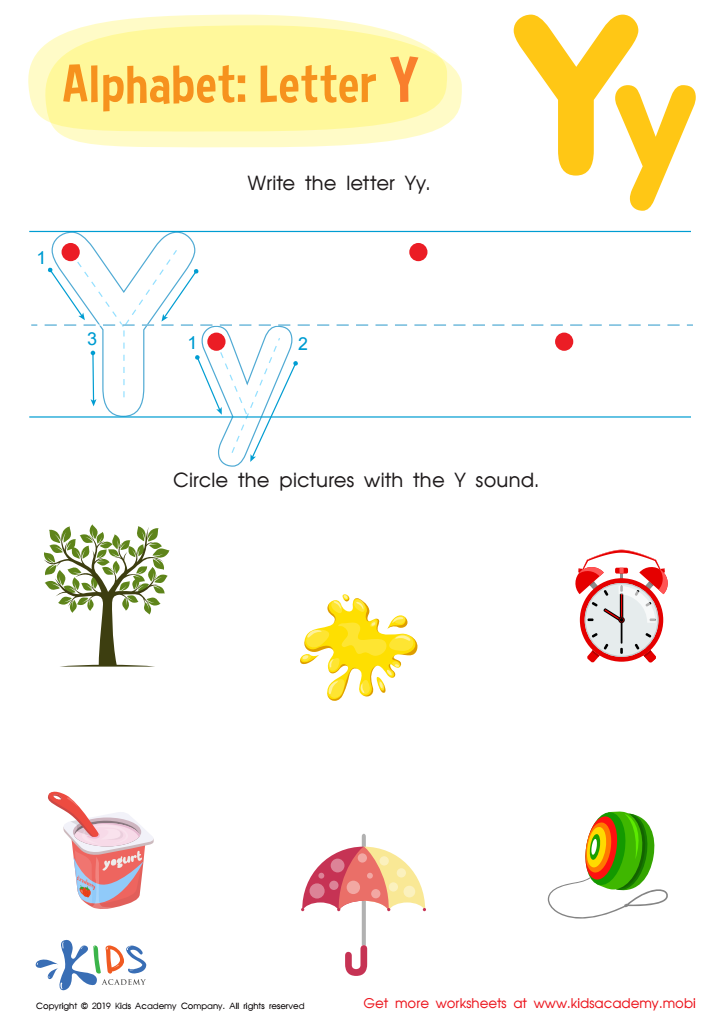
Letter Y Tracing Worksheet








Motor skills development, especially in conjunction with letter recognition, is crucial for children aged 7-8 as it lays the foundation for successful literacy and overall cognitive development. During this period, children's fine motor skills, such as writing, cutting, and drawing, are still refining. These skills are essential for tasks like writing letters and words legibly, engaging in art activities, and performing other activities essential for daily life.
Mastering letter recognition during this age assists children in transitioning from learning letters to creating words and understanding sentences, which is vital for reading comprehension. When they can grasp the shapes and sounds of letters effectively, they become more confident, engaged readers and writers. This not only impacts their academic performance but also fosters a love for learning and communication.
Moreover, developing motor skills plays a significant role in children's emotional and social development. Activities that improve motor skills can enhance self-esteem and promote friendships through group activities. Therefore, both parents and teachers must prioritize motor skills development alongside letter recognition, as this combined focus nurtures a child's holistic growth and prepares them for future academic challenges. Proper support in these critical areas ensures children are equipped for success throughout their educational journey.







