Vocabulary Building Letter Recognition Worksheets for Ages 7-8
3 filtered results
-
From - To
Enhance your child's language skills with our engaging Vocabulary Building Letter Recognition Worksheets for Ages 7-8. Designed to make learning fun, these worksheets help kids identify and connect letters with vivid images and words, strengthening their reading and writing abilities. Each activity encourages critical thinking and creativity, supporting vocabulary expansion while mastering letter recognition. Ideal for young learners, our worksheets provide a solid foundation in literacy, preparing them for future academic success. Explore a world of words and watch your child's confidence soar with our expertly crafted educational resources. Boost their learning journey today!
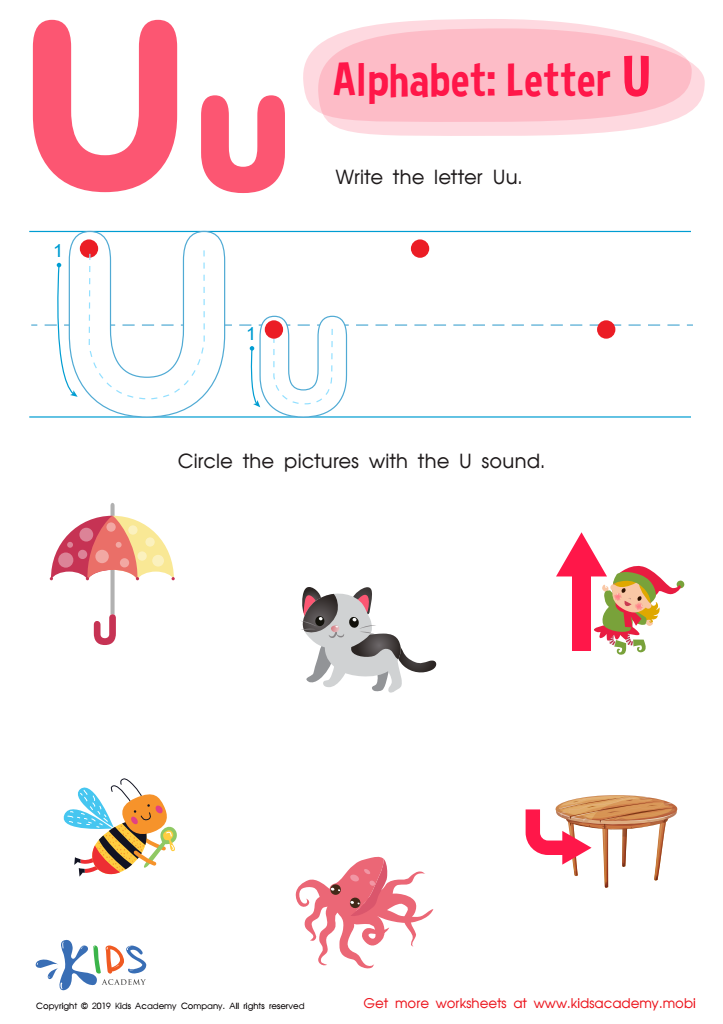
Letter U Tracing Worksheet
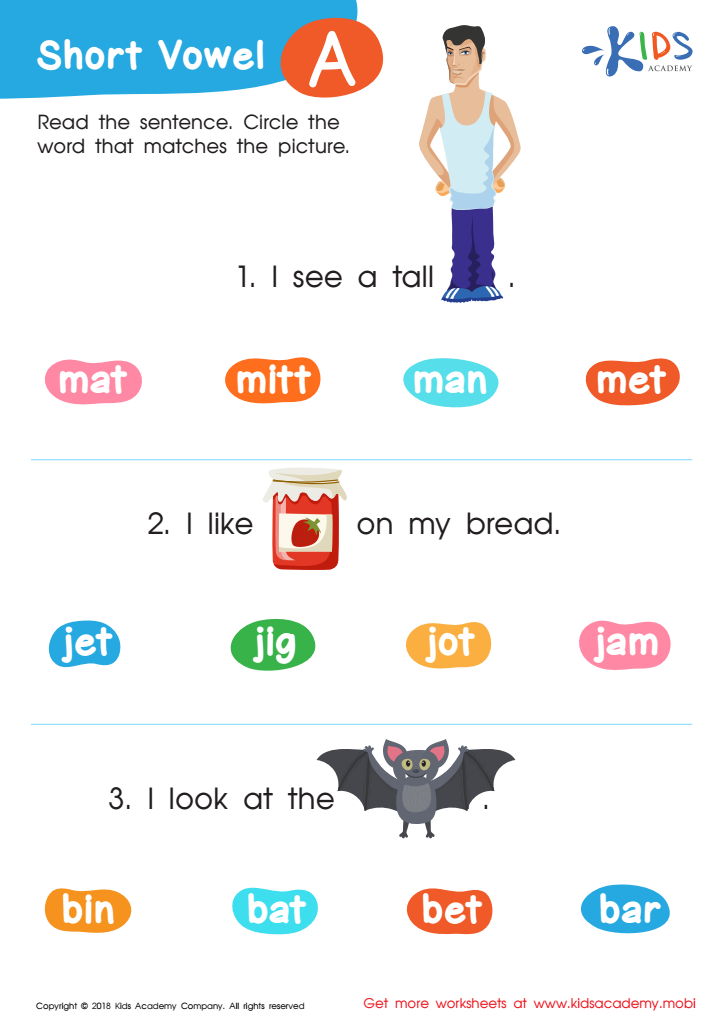
Short Vowel /a/ Worksheet
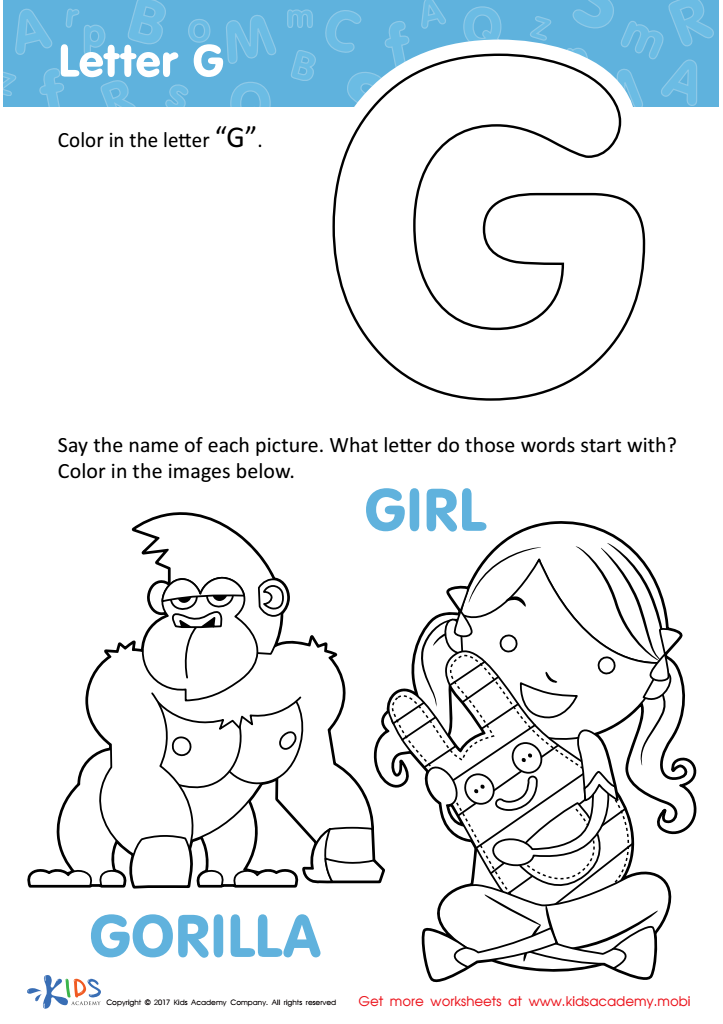
Letter G Coloring Sheet
 Assign to My Students








Vocabulary building and letter recognition are foundational components critical to the academic and social development of children aged 7-8. At this stage, kids transition from "learning to read" to "reading to learn," making letter recognition indispensable. Strong letter recognition skills enable children to decode words efficiently, fostering reading fluency. When children can read fluently, they are more likely to comprehend texts, leading to enhanced academic performance across subjects.
Vocabulary building is equally pivotal. A rich vocabulary allows children to express themselves clearly and understand complex instructions and concepts. This language proficiency directly affects their capacity to form ideas, ask questions, and engage meaningfully in classroom discussions and social interactions. Moreover, a well-developed vocabulary lays the groundwork for future learning, aiding in the mastery of advanced language skills and critical thinking, essential for lifelong success.
Engaging in vocabulary building and letter recognition activities also nurtures a love for reading and learning, setting a positive tone for children’s educational journeys. Parental and teacher involvement in these areas not only promotes better academic outcomes but also boosts children’s self-confidence and curiosity. Therefore, focusing on these skills during the formative years of 7-8 can yield long-lasting benefits, equipping children with the tools they need to thrive both inside and outside the classroom.







