Vocabulary expansion Two Letter Phonics Worksheets for Ages 7-8
6 filtered results
-
From - To
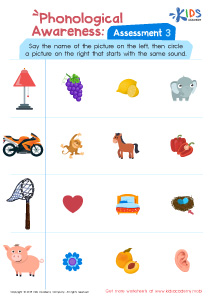
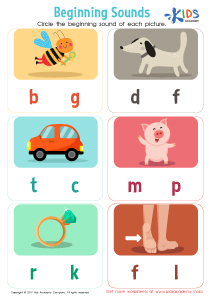
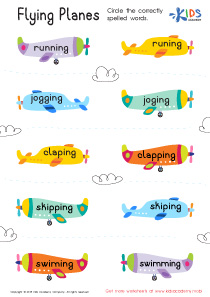
Enhance your child's vocabulary with our engaging Two Letter Phonics Worksheets designed for ages 7-8. These printable resources focus on expanding language skills by using two-letter phonics patterns. Through fun activities and exercises, young learners will improve their recognition of common two-letter combinations, helping them spell and read more effectively. Our worksheets not only reinforce phonetic sounds, but also incorporate matching games, writing prompts, and interactive challenges to keep your child motivated. Printable and easy to use, these worksheets provide an enriching supplement to your child's learning journey while making vocabulary expansion enjoyable and effective. Start boosting your child’s literacy skills today!
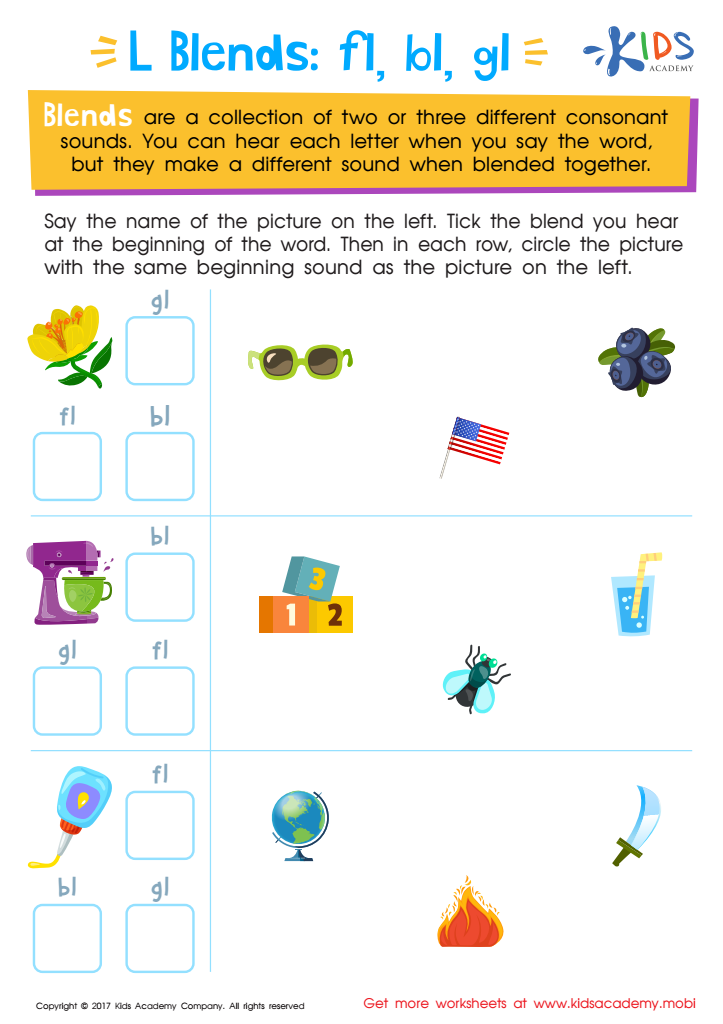
Blending Consonants: "Fl", "Bl" and "Gl" Printable
 Assign to My Students
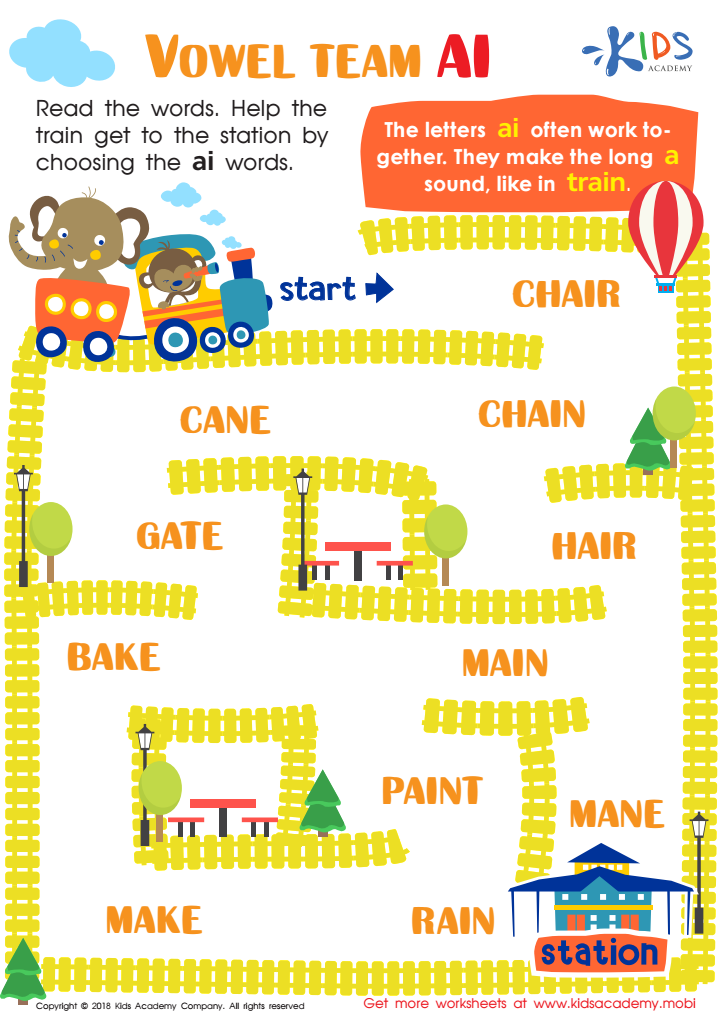
Vowel team ai Worksheet
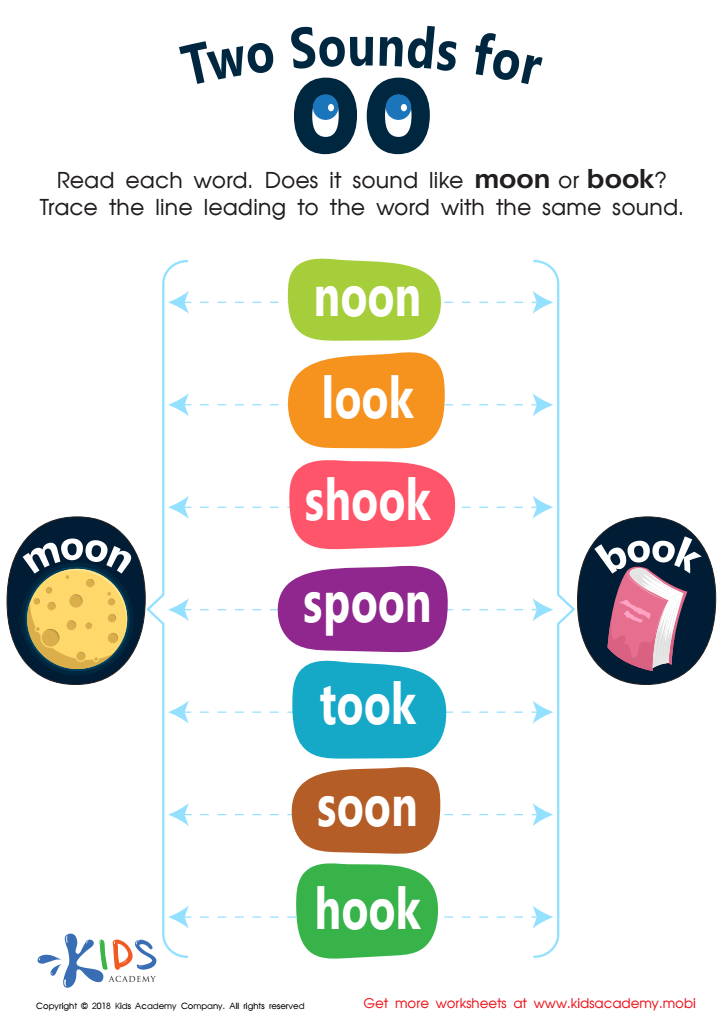
Two Sounds for OO Worksheet
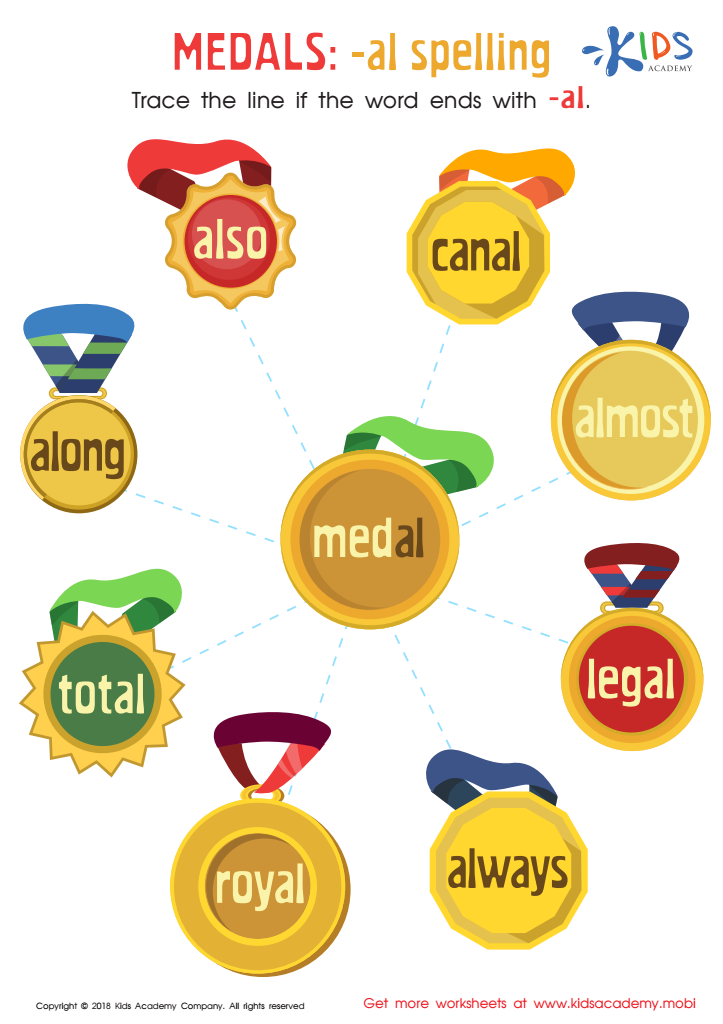
Medals: Al Spelling Worksheet
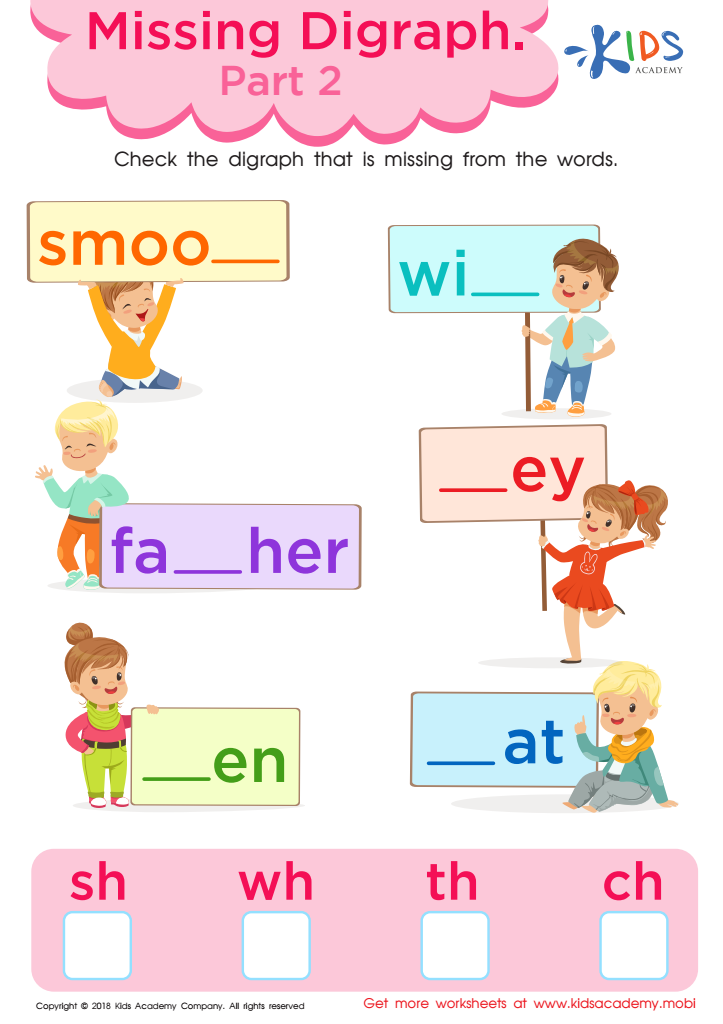
Missing Digraph: Part 2 Worksheet
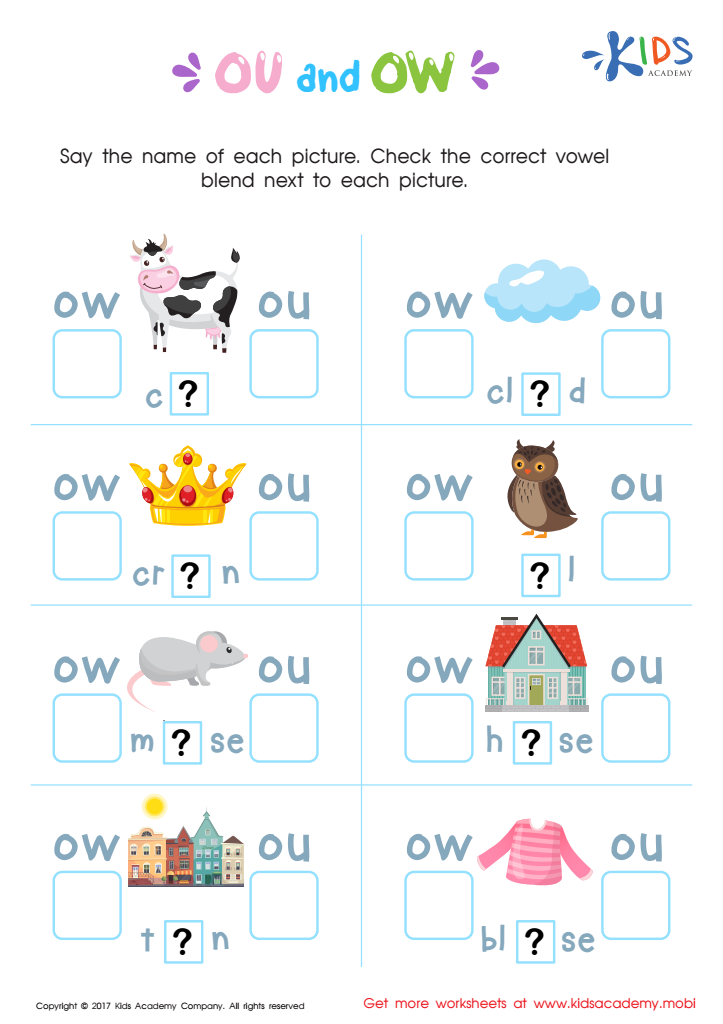
OU and OW Words Worksheet



Vocabulary expansion through two-letter phonics is crucial for children aged 7-8, as this developmental stage involves significant growth in reading and language skills. At this age, children are transitioning from learning to read to reading to learn. Therefore, a strong vocabulary foundation empowers them to comprehend and engage with more complex texts.
Two-letter phonics serves as a building block, providing children with the tools to decode words efficiently. Understanding the sounds associated with pairs of letters helps children sound out unfamiliar words, enhancing their confidence and independence in reading. This phonetic awareness is essential not just for decoding but also for spelling and writing, facilitating overall literacy development.
Moreover, a robust vocabulary is linked to improved academic performance across subjects. When children understand and can use a wide range of words, they are better equipped to communicate their thoughts and ideas clearly. For teachers and parents, prioritizing vocabulary expansion through phonics can engage children in productive learning experiences, helping them develop critical thinking and a love for reading. Ultimately, fostering vocabulary and phonics at this age lays a solid foundation for lifelong learning and effective communication skills.