Letter tracing skills English for Beginners Worksheets for Ages 7-8
3 filtered results
-
From - To
Enhance your child’s writing proficiency with our "Letter Tracing Skills English for Beginners Worksheets" tailored for ages 7-8. These engaging worksheets are designed to help young learners master letter formation while building essential English skills. Each worksheet features clearly outlined letters, allowing kids to practice tracing uppercase and lowercase characters in an exciting and interactive way. With a focus on improving fine motor skills and boosting confidence, these resources are perfect for early learners and ESL students. Transform their writing journey into a fun adventure and lay a strong foundation for future literacy success. Start today and watch them flourish!
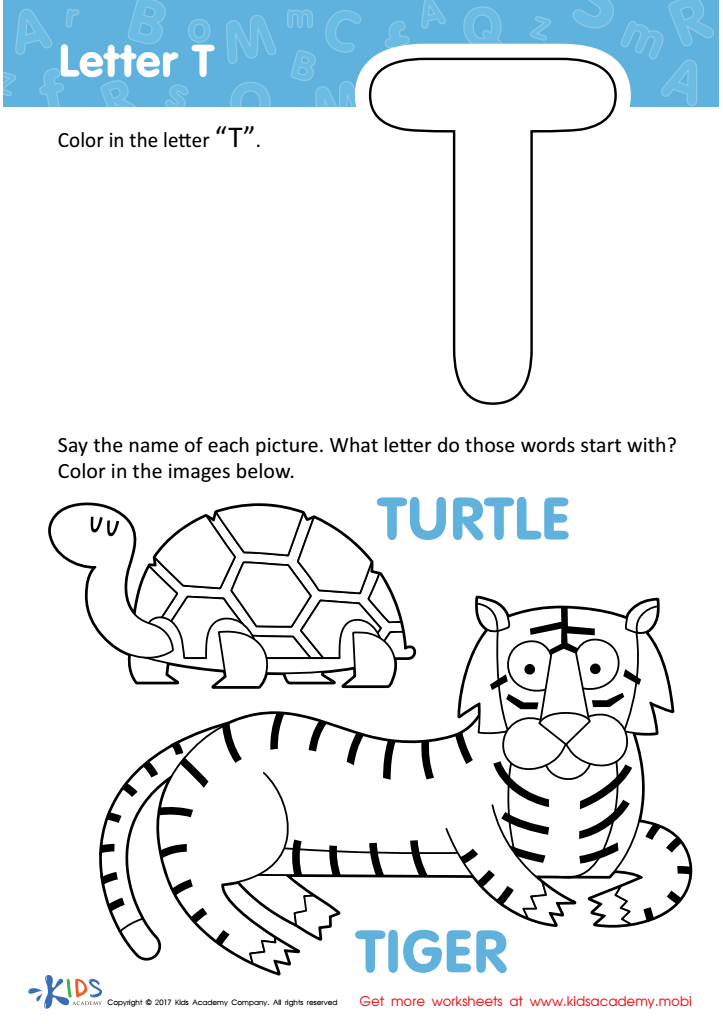
Letter T Coloring Sheet
 Assign to My Students
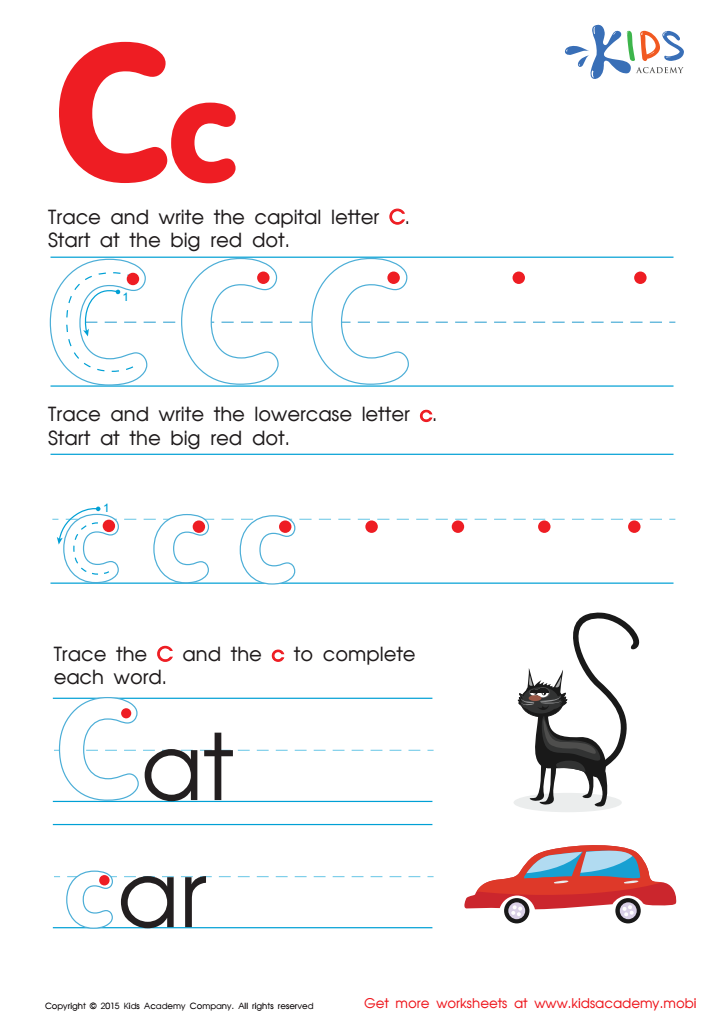
Letter C Tracing Page
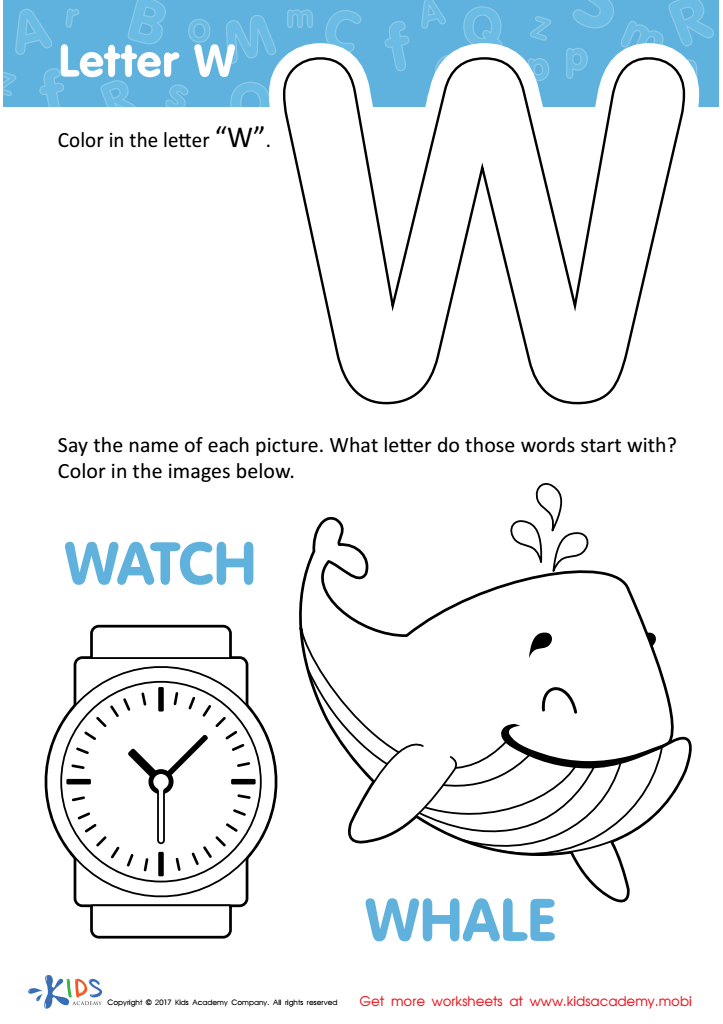
Letter W Coloring Sheet
Assign to My Students




Letter tracing skills are fundamental for children aged 7-8 as they form the basis of effective writing and literacy development. At this age, children are transitioning from learning to write letters to composing words and sentences. Mastering letter tracing helps reinforce proper letter formation, ensuring that kids develop good writing habits early on.
Fostering these skills not only boosts their confidence but also enhances fine motor control, which is crucial for daily activities beyond writing. As they trace, they engage multiple senses—sight, touch, and sometimes even sound—facilitating better retention and understanding of the alphabet.
Moreover, letter tracing can aid in phonetic awareness, as students connect the shapes of letters with their sounds, ultimately supporting their reading skills. Engaging in tracing activities can also break down the anxiety that sometimes accompanies writing, making it a more enjoyable experience.
Parents and teachers play a vital role by providing support and resources, helping to create a positive learning environment. In today’s digital age, where typing often dominates, grounding children in traditional writing skills is essential for future academic success and effective communication. By prioritizing letter tracing, adults are empowering children to thrive in their educational journeys.