Associative learning Worksheets for Ages 7-8
4 filtered results
-
From - To
Discover our engaging Associative Learning Worksheets designed specifically for children ages 7-8! These interactive printables promote critical thinking and help young learners make connections between concepts, encouraging cognitive development and problem-solving skills. Featuring a variety of activities, such as matching, sequencing, and categorizing, our worksheets foster creativity and build a strong foundation for future learning. Ideal for at-home practice or classroom use, these resources make learning fun and accessible. Empower your child to explore relationships between words and ideas, setting them on a path to academic success and lifelong learning. Download and watch their confidence grow today!
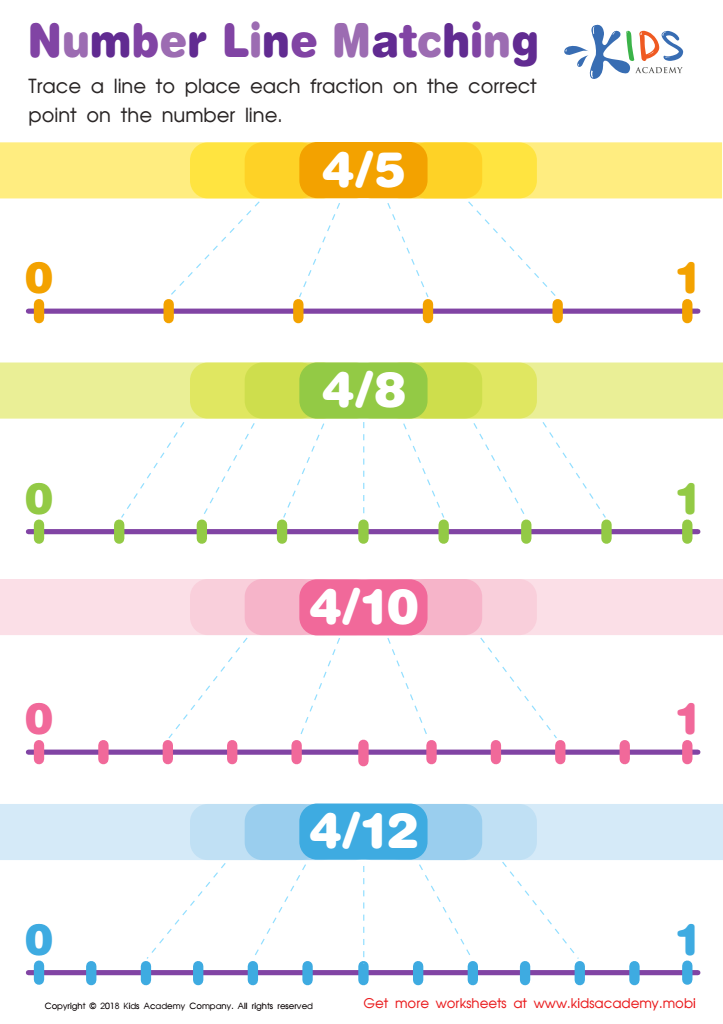
Number Line Matching Worksheet
 Assign to My Students
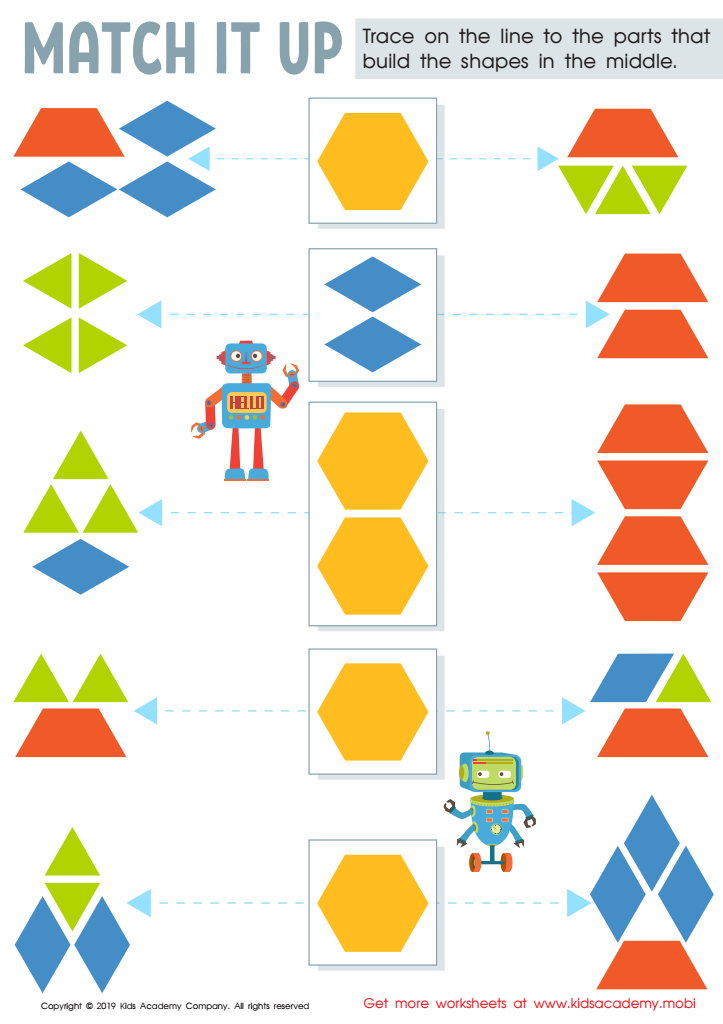
Match It up Worksheet
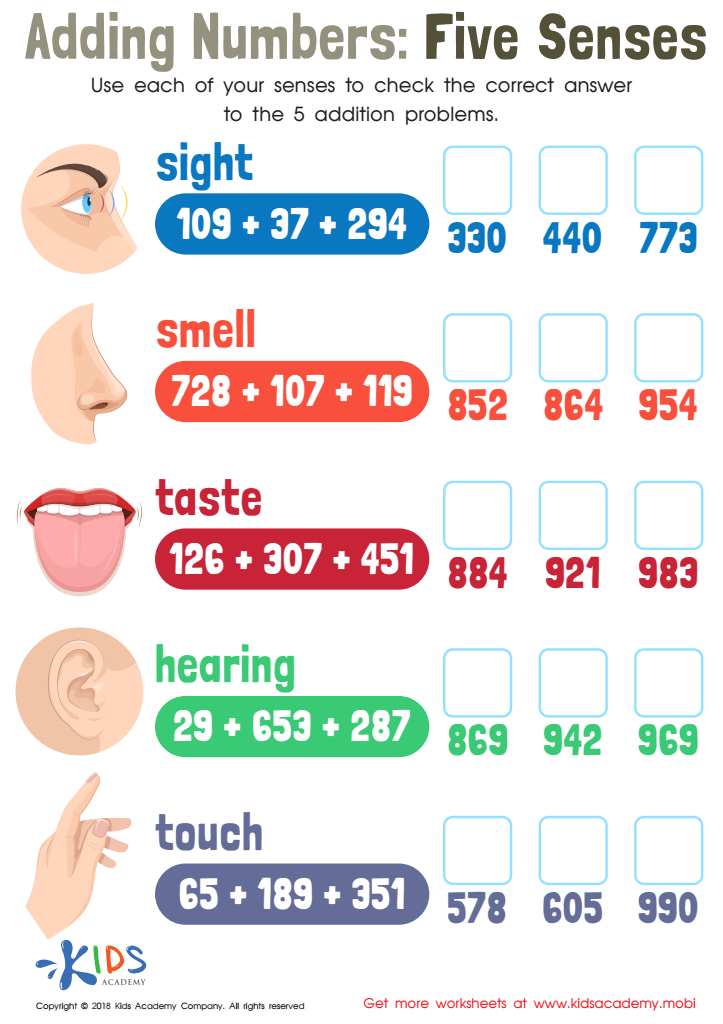
Adding Numbers: Five Senses Worksheet
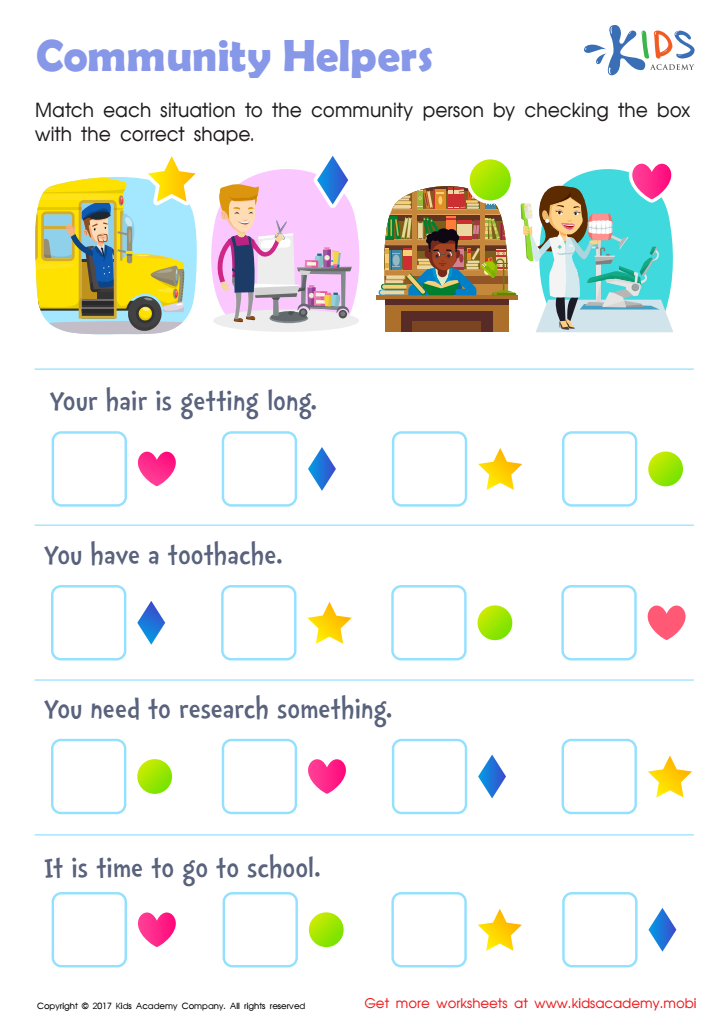








Associative learning is a crucial cognitive process for children aged 7-8, as it helps them form connections between concepts, objects, and experiences. At this developmental stage, children are naturally curious and eager to understand the world around them. By fostering associative learning, parents and teachers can enhance their children's ability to integrate new information with existing knowledge, which can lead to improved critical thinking and problem-solving skills.
For educators, understanding associative learning can inform instructional strategies. Engaging students in activities that connect new material with prior knowledge encourages deeper understanding and retention. For example, using real-life examples or hands-on activities can make concepts more relatable and memorable.
Parents play a vital role by supporting their children's associative learning at home. Encouraging discussions about everyday experiences, relating stories to their personal lives, or even playing memory games fosters such connections. This practice not only strengthens learning but also promotes a love for exploration and inquiry.
Ultimately, prioritizing associative learning creates a strong foundation for academic success, motivating children to become lifelong learners. Recognizing the importance of this process helps parents and teachers create enriching environments where children can thrive cognitively and emotionally.








