Basic problem-solving Worksheets for Ages 7-8
3 filtered results
-
From - To
Discover our engaging Basic Problem-Solving Worksheets for ages 7-8, designed to enhance critical thinking and analytical skills in a fun and interactive way. Tailored for young learners, these worksheets cover a variety of real-life scenarios, helping children develop essential problem-solving techniques. Each activity encourages creativity and logical reasoning, making learning enjoyable while reinforcing foundational math and reasoning concepts. Perfect for use at home or in the classroom, our worksheets provide clear instructions and comprehensive practice, enabling kids to tackle challenges confidently. Foster your child's cognitive development and allow them to shine as independent thinkers with our carefully crafted problem-solving resources!
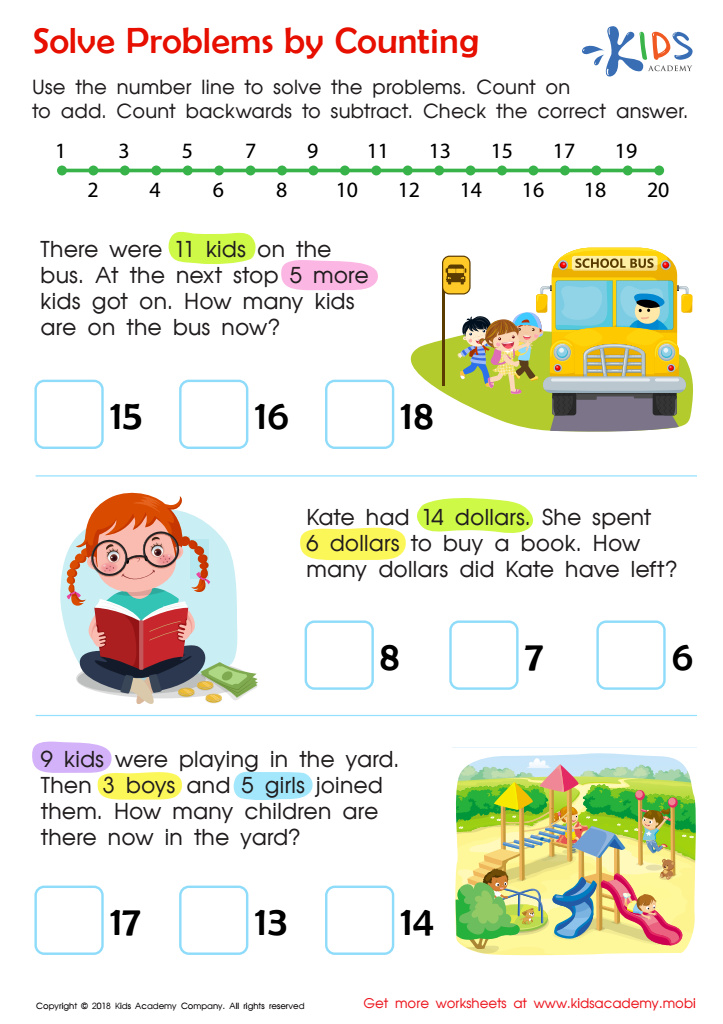
Solve Problems by Counting Worksheet
 Assign to My Students
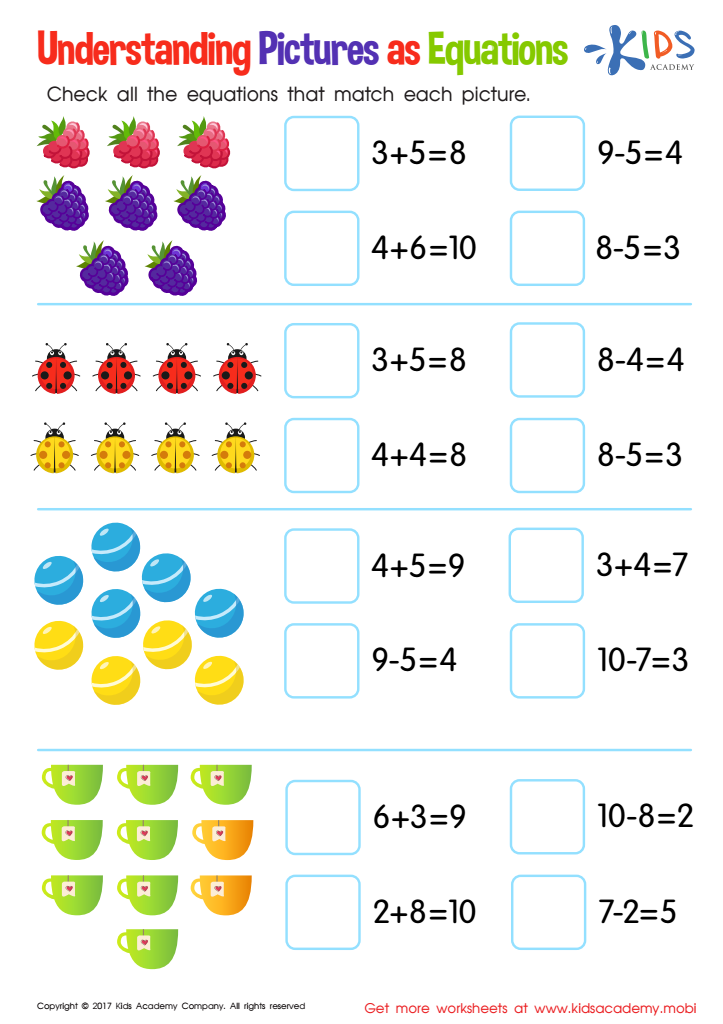
Understanding Pictures as Equations Worksheet
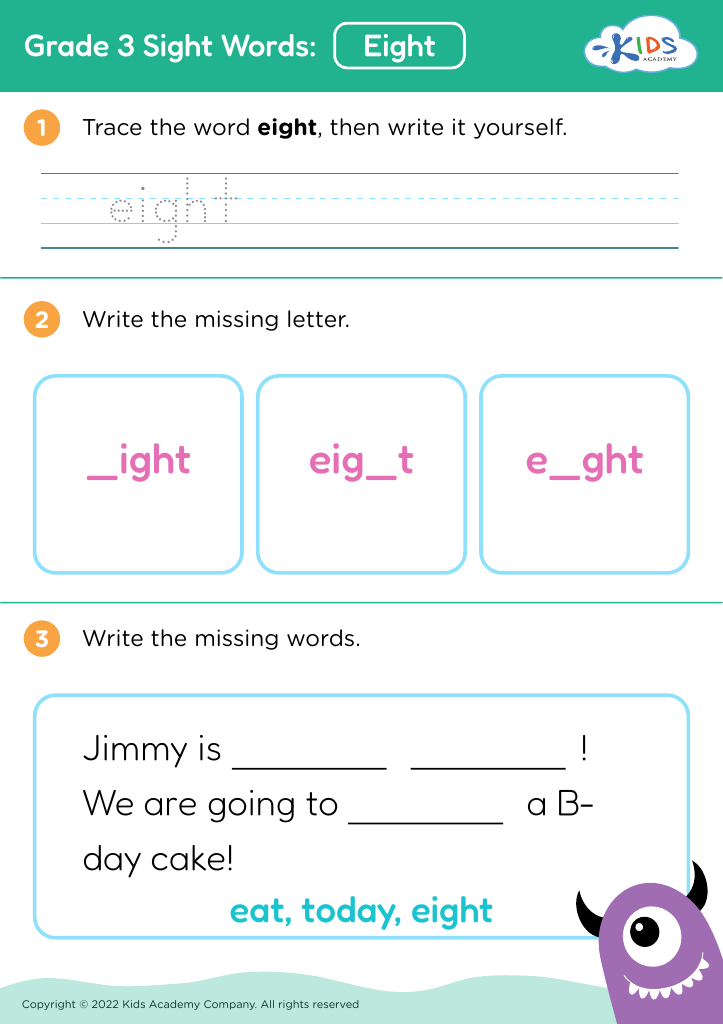






Basic problem-solving skills are crucial for children aged 7-8. At this age, children are rapidly developing cognitive abilities and critical thinking skills, which lay the foundation for their future academic success and everyday functioning. Parents and teachers should prioritize fostering these skills as they encourage creativity, logic, and independence.
Problem-solving teaches children to analyze situations, identify solutions, and weigh their options—skills that are essential not only in mathematics but also in science, social studies, and real-life scenarios. This developmental stage often translates into increased exposure to more complex challenges, both academically and socially. By guiding children in navigating these challenges, adults can help them cultivate resilience and adaptability, traits that are invaluable throughout life.
Moreover, engaging in problem-solving activities enhances collaboration and communication skills as children often work in groups to find solutions. This teamwork aspect is vital in helping them learn to share ideas and respect different perspectives. As parents and teachers nurture effective problem-solving, they equip children with the confidence to face obstacles, encouraging a mindset that sees challenges as opportunities rather than setbacks—which is foundational for lifelong learning and personal growth. Investing in these skills now will help children thrive in their educational journey and beyond.








