
Color matching Worksheets for Ages 7-8
3 filtered results
Difficulty Level
Grade
Age
-
From - To
Subject
Activity
Standards
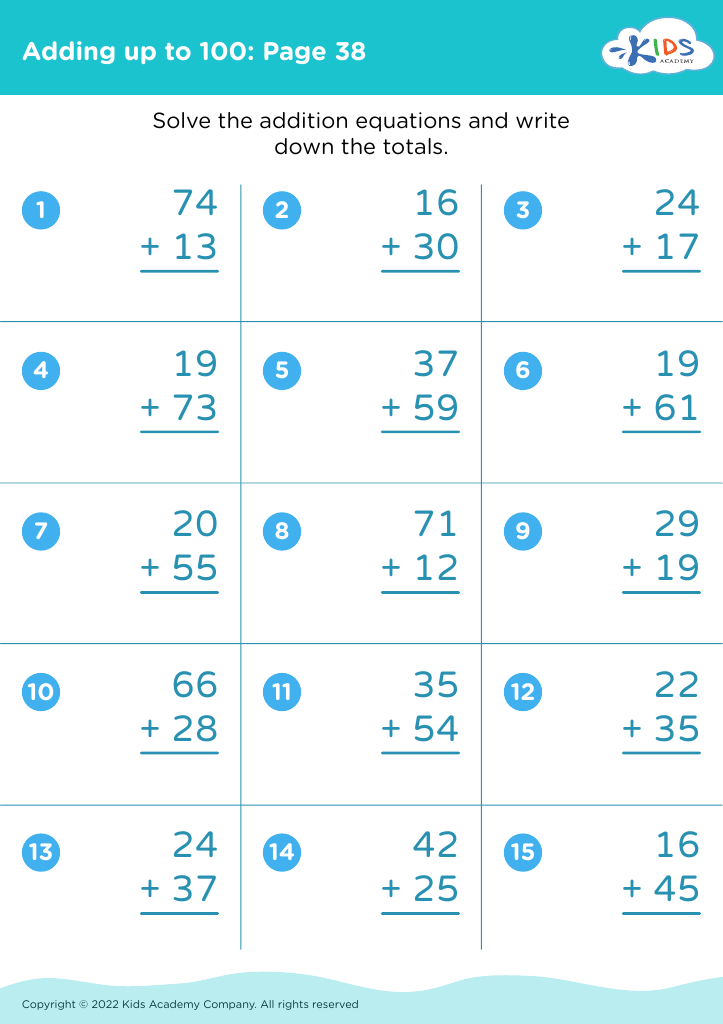
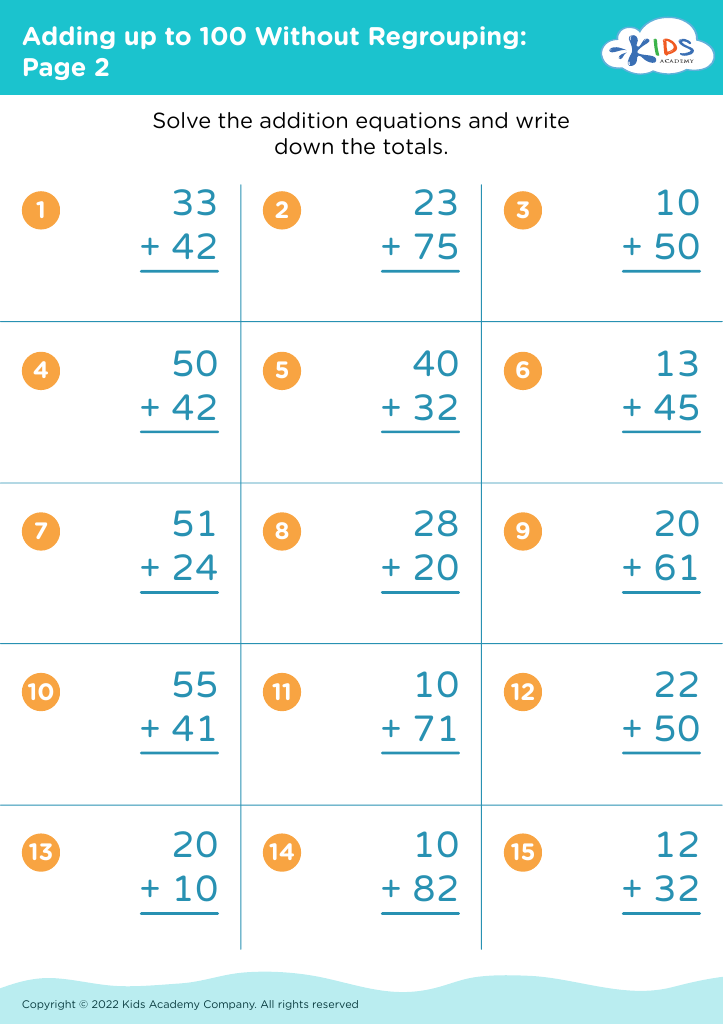
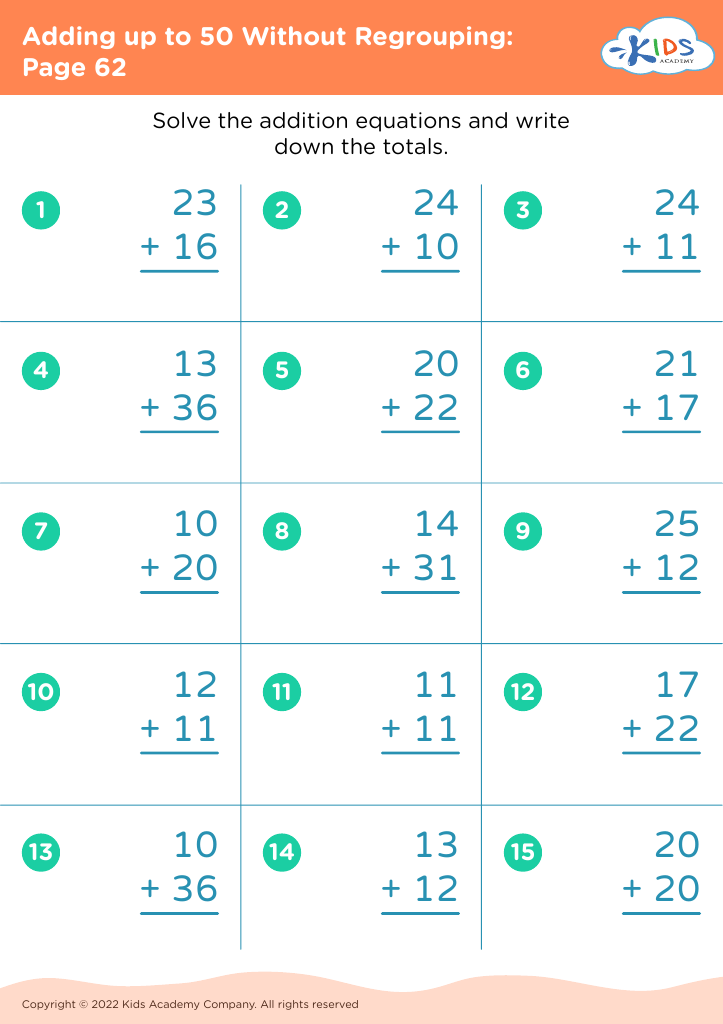
Discover our engaging color matching worksheets designed specifically for children ages 7 to 8! These fun and interactive activities encourage young learners to enhance their color recognition and matching skills. With vibrant illustrations and a variety of challenges, these worksheets not only promote creativity but also support cognitive development. Ideal for both classroom and home learning, our resources help children develop critical thinking skills as they sort and match colors effectively. Whether your child is mastering the basics or exploring advanced concepts, our color matching worksheets will provide hours of enjoyable learning. Start exploring today to brighten up your child's educational journey!
Favorites
With answer key
Interactive
Join Kids Academy for Free
Who is primarily going to use this learning content?





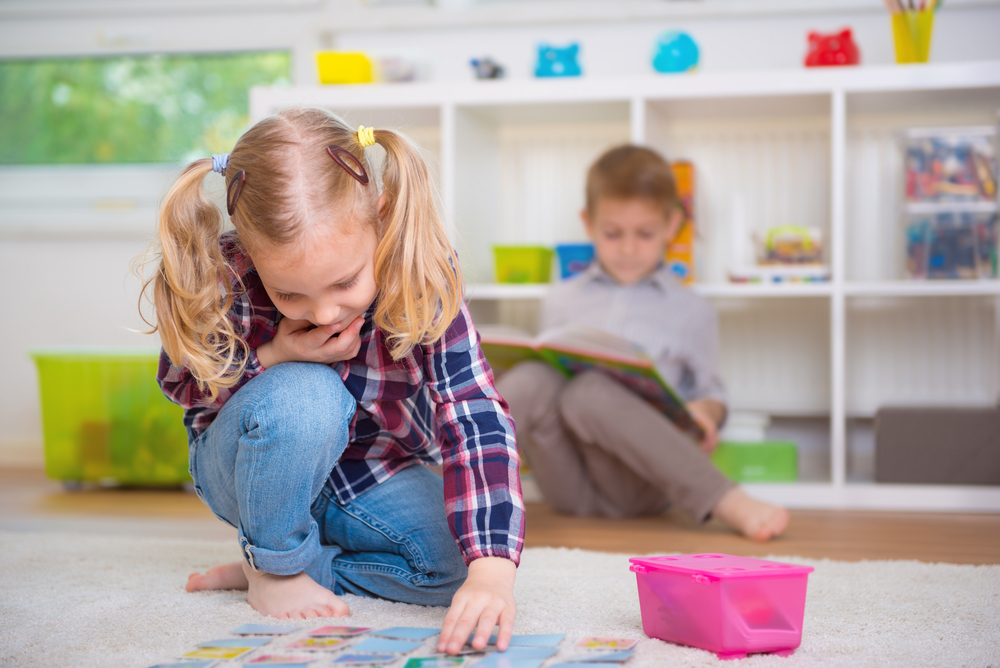


Color matching is a vital skill for children aged 7-8, as it plays a crucial role in their cognitive and emotional development. At this age, children are building connections between colors and meanings, which contributes to their ability to recognize patterns, problem-solve, and develop critical thinking skills. Learning to match colors enhances their understanding of their environment and boosts their creativity.
Moreover, color matching activities foster fine motor skills. Manipulating objects in different colors, whether through arts and crafts or sorting games, helps refine hand-eye coordination and dexterity. Additionally, these activities can enhance social skills. When children engage in color matching games with peers, they learn cooperation, sharing, and teamwork, all of which are essential for their interpersonal development.
Furthermore, color is integral in emotional expression. Teaching color matching provides children with the vocabulary to express their feelings and preferences, thereby supporting emotional intelligence. By understanding colors and their combinations, children can explore their surroundings creatively, enhancing their overall learning experience. Therefore, it’s crucial for parents and educators to incorporate color matching activities into daily routines to support holistic development during this critical stage of growth.








