Our Comparing Quantities Worksheets for Ages 7-8 provide interactive and engaging exercises to enhance your child’s foundational math skills. These worksheets are meticulously designed to teach young learners the principles of comparing numbers, quantities, and measurements. Through a variety of fun activities, students will sharpen their ability to use greater than, less than, and equal to symbols, fostering numerical literacy and critical thinking. Perfect for classroom or home practice, these worksheets make mastering math concepts enjoyable and effective. Empower your child to excel in math with our comprehensive and child-friendly resources!

Check out this FREE "Comparing quantities" Trial Lesson for age 7-8!

Comparing Numbers based on Place Value

Favorites
With answer key
Interactive
  • 7-8
  • Comparing quantities
Comparing Number Representations Worksheet

Comparing Number Representations Worksheet

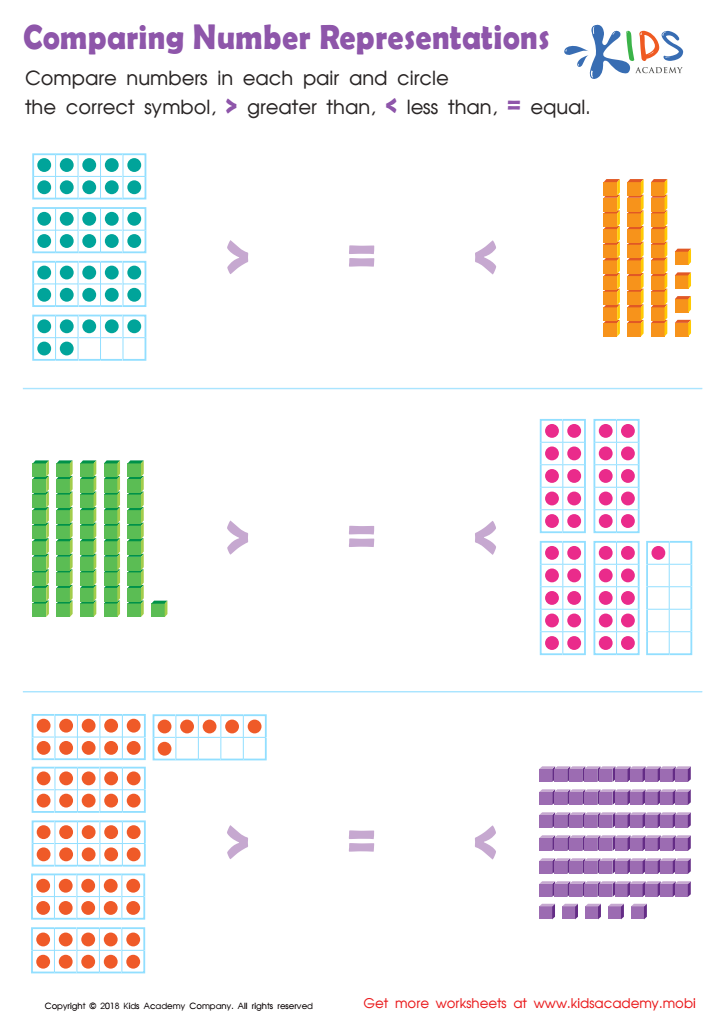
Children need number representation skills to develop efficient computation and number sense. This free worksheet gives them practice with ten frames and place value blocks. They compare numbers and select the right comparative symbol: <, > or =. This helps them build a solid foundation for math.
Comparing Number Representations Worksheet
Worksheet
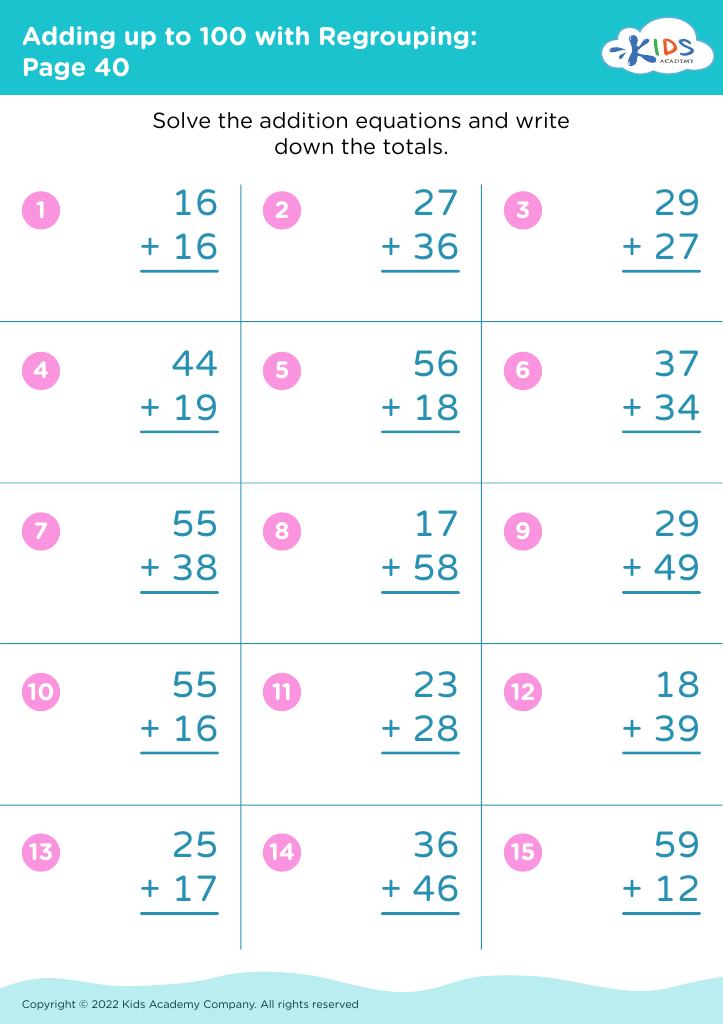
Adding up to 100 with Regrouping: Page 40
Worksheet
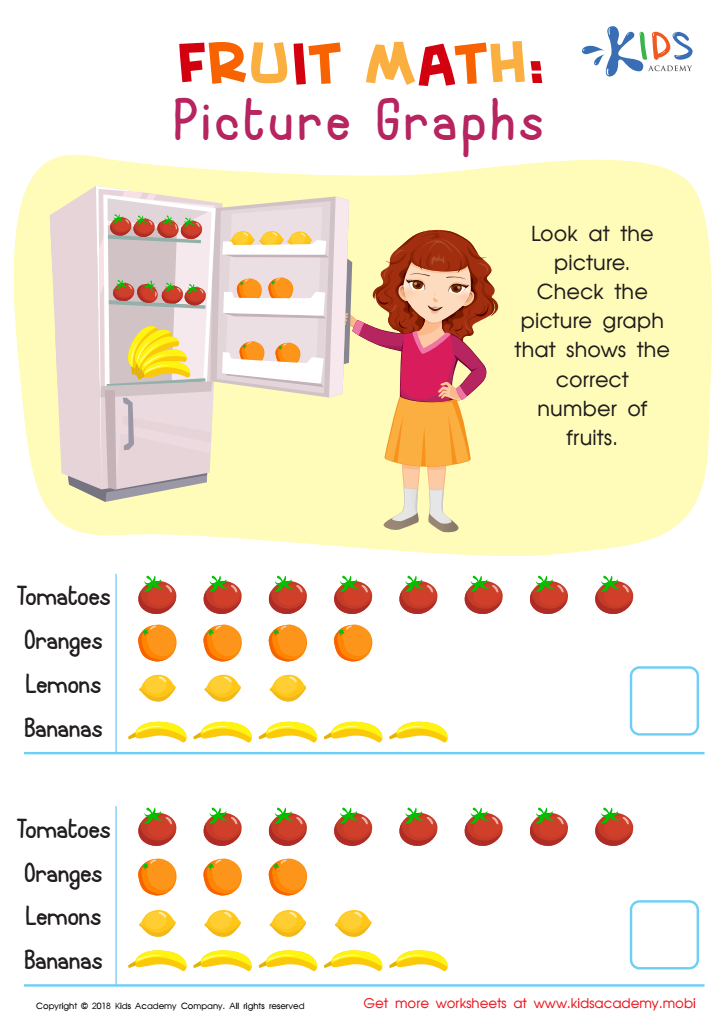
Fruit Math: Picture Graphs Worksheet
Fruit Math: Picture Graphs Worksheet
Help your child learn to draw graphs by having them look at pictures. Ask them to identify a graph that accurately portrays the data and have them explain why. This will prepare them to easily draw more complex graphs in the future. For example, have them look at the picture with the number of fruits in the colorful worksheet and explain why the graph is accurate.
Fruit Math: Picture Graphs Worksheet
Worksheet
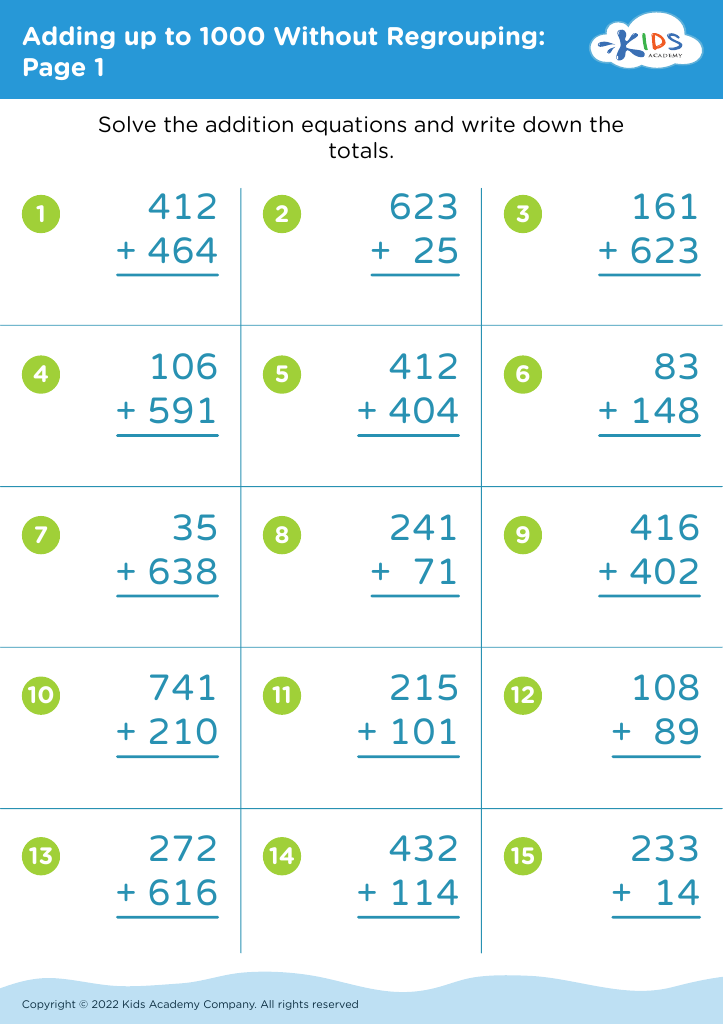
Adding up to 1000 Without Regrouping: Page 1
Worksheet
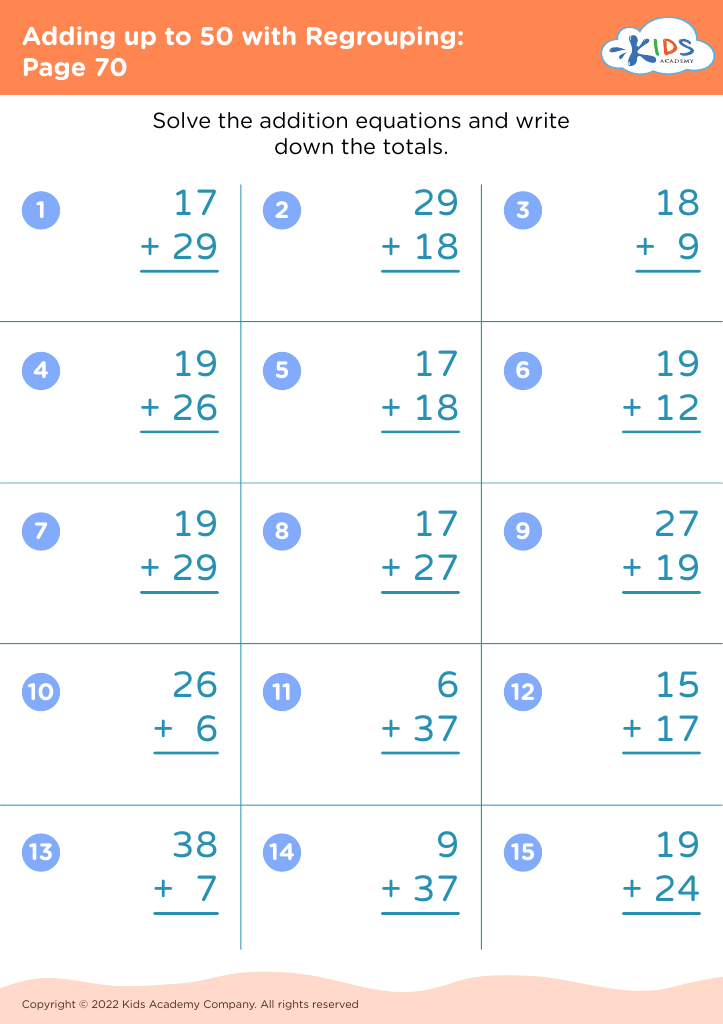
Adding up to 50 with Regrouping: Page 70
Worksheet
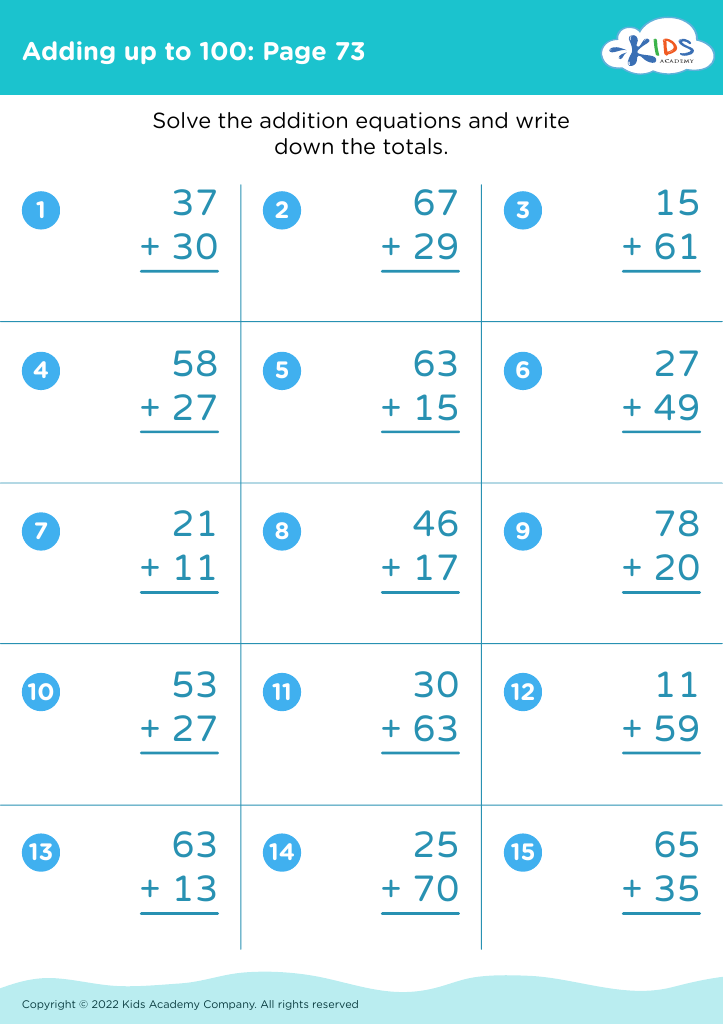
Adding up to 100: Page 73

Adding up to 100: Page 73

Adding up to 100: Page 73
Worksheet
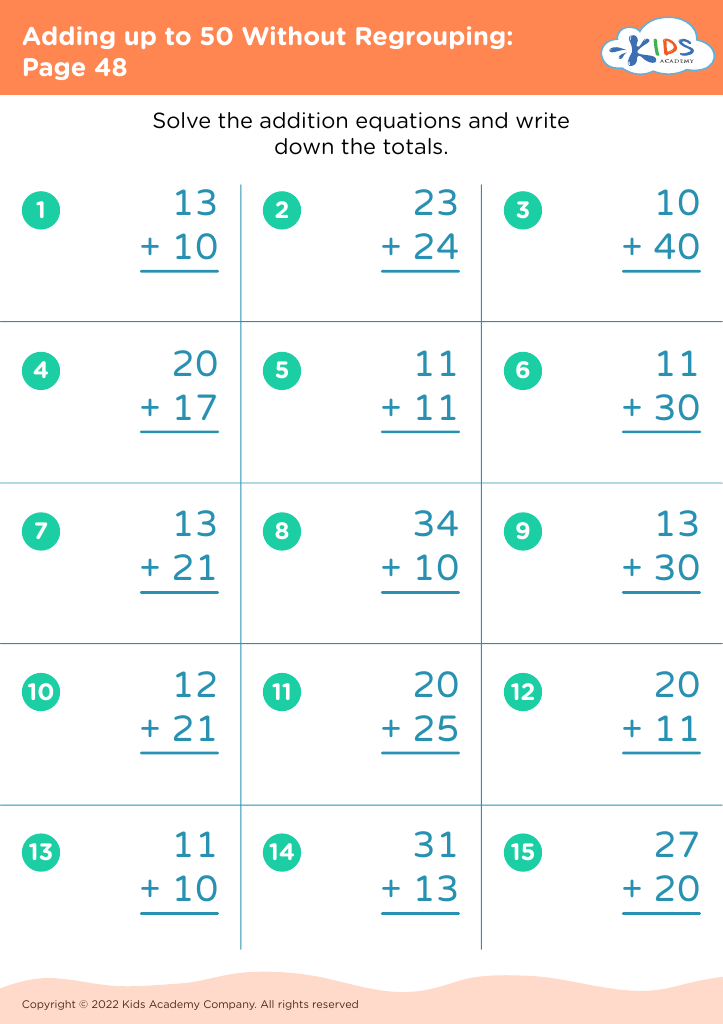
Adding up to 50 Without Regrouping: Page 48
Worksheet
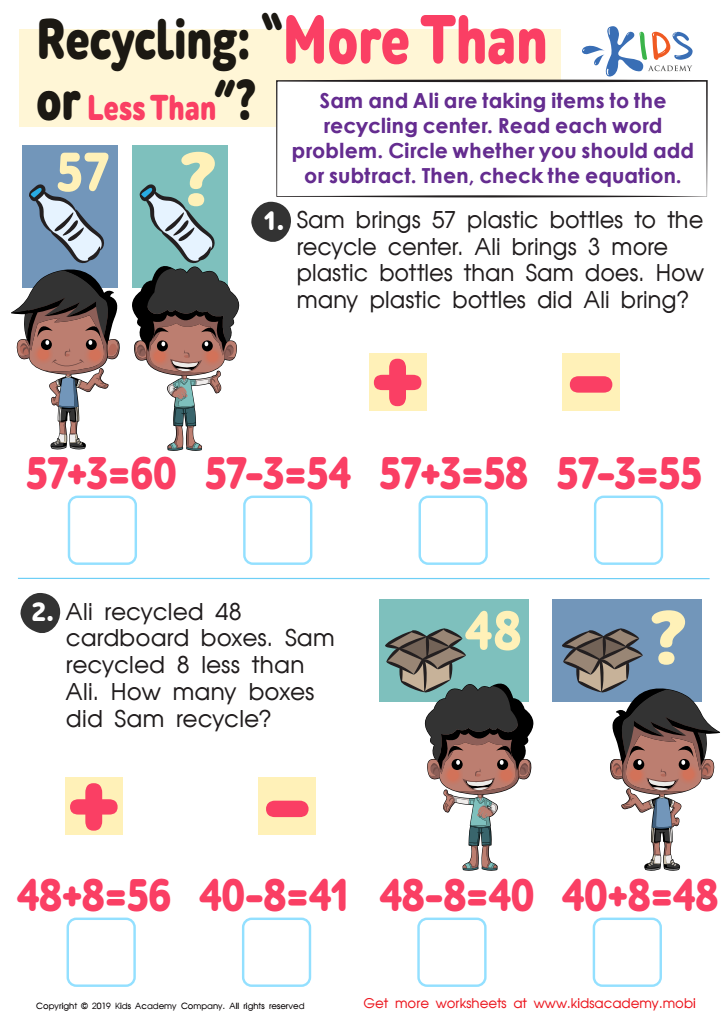
Recycling - More or Less Worksheet
Recycling - More or Less Worksheet
Your child can compare numbers and solve word problems with this free worksheet. Help them understand what's being asked as Sam and Ali take items to the recycling center. They can choose the correct equation to match the word problem and apply their skills in reading and pulling out the appropriate information.
Recycling - More or Less Worksheet
Worksheet
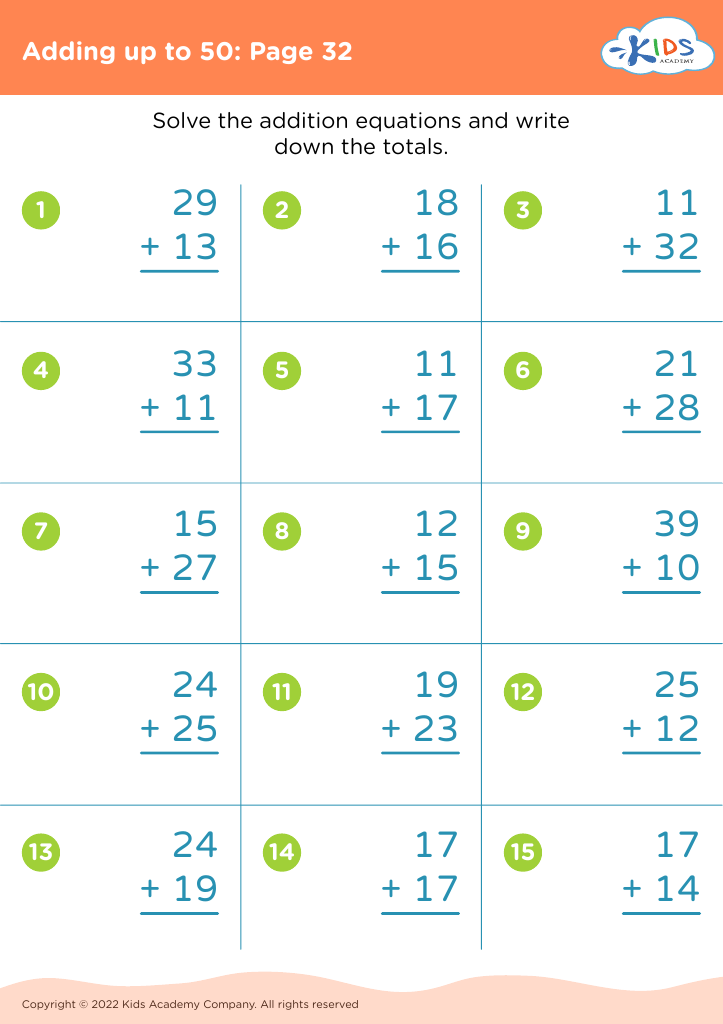
Adding up to 50: Page 32

Adding up to 50: Page 32

Adding up to 50: Page 32
Worksheet
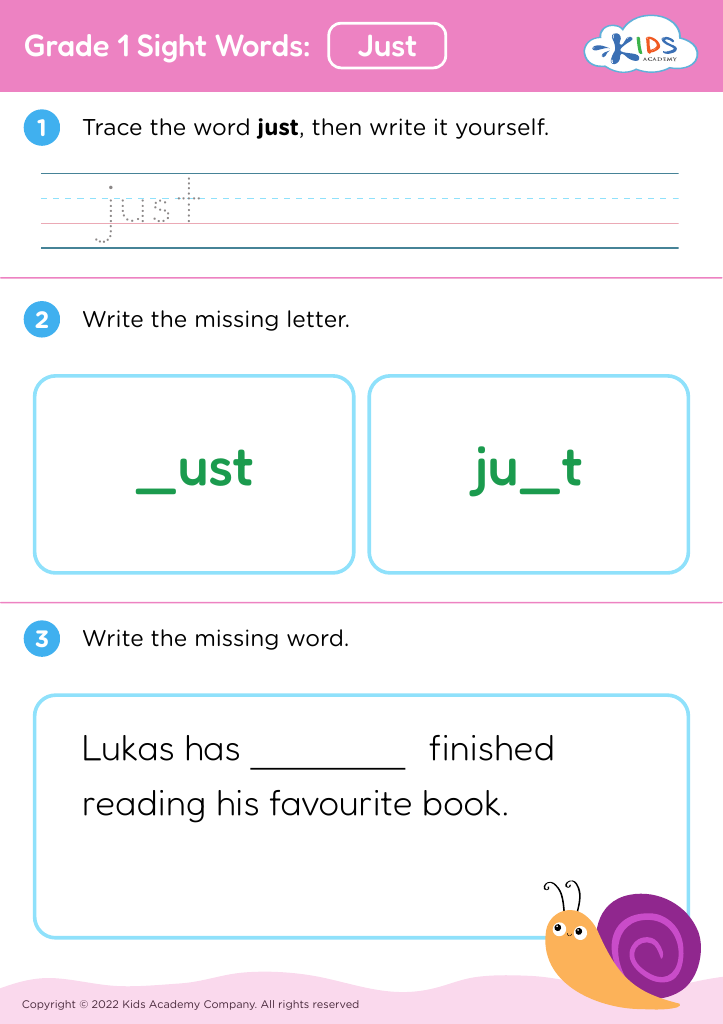
Grade 1 Sight Words: Just

Grade 1 Sight Words: Just

Grade 1 Sight Words: Just
Worksheet
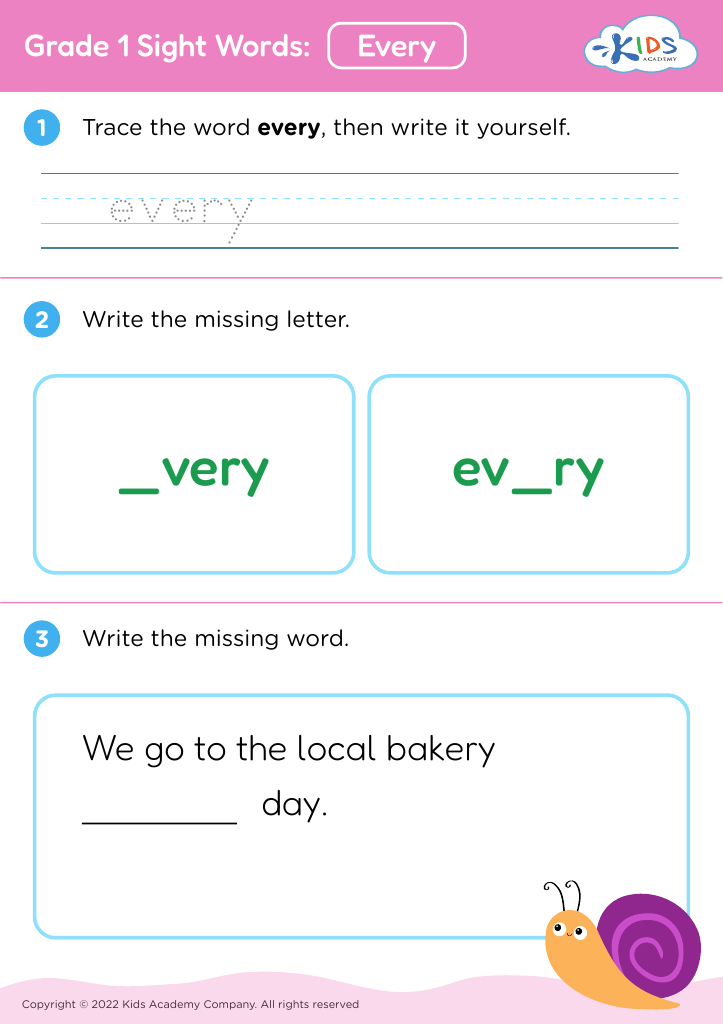
Grade 1 Sight Words: Every

Grade 1 Sight Words: Every

Grade 1 Sight Words: Every
Worksheet
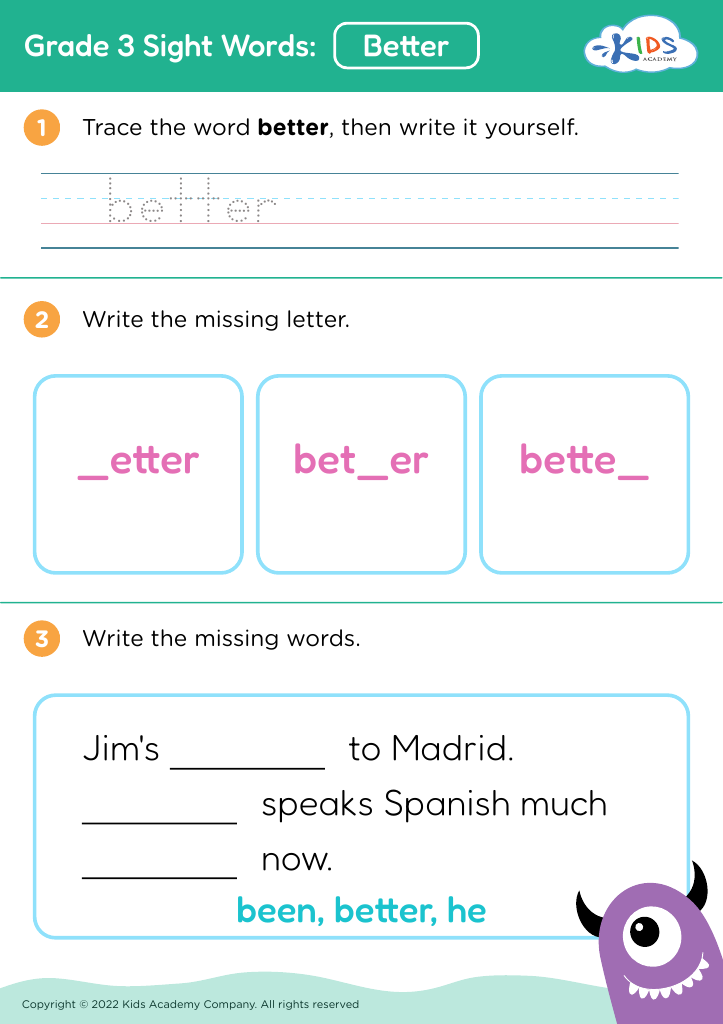
Grade 3 Sight Words: Better

Grade 3 Sight Words: Better

Grade 3 Sight Words: Better
Worksheet


Comparing quantities is a foundational math skill crucial for children aged 7-8, and both parents and teachers should prioritize its development. At this age, children are transitioning from simple counting to understanding more complex mathematical concepts. Comparing quantities helps them grasp the ideas of more, less, and equal, which are essential for their future math education.

When children learn to compare numbers, objects, or quantities, they develop critical thinking and problem-solving skills. These abilities are not just for math classes but are applicable in real-life situations, such as making decisions and understanding resource allocation. For example, a child who can compare quantities effectively can determine whether they have enough money to buy a toy or if they need to save more.

Moreover, comparing quantities lays the groundwork for learning addition, subtraction, multiplication, and division. Comprehending these operations depends on understanding how quantities relate to each other. For instance, to understand subtraction, a child must first grasp that it involves comparing a larger quantity to a smaller one.

Lastly, struggling with basic concepts like comparing quantities can lead to difficulties in more advanced math later on. By ensuring children master this skill, parents and teachers help foster confidence and a positive attitude towards math, setting a strong foundation for future academic success.