Critical Thinking Worksheets for Ages 7-8 - Page 5
116 filtered results
-
From - To
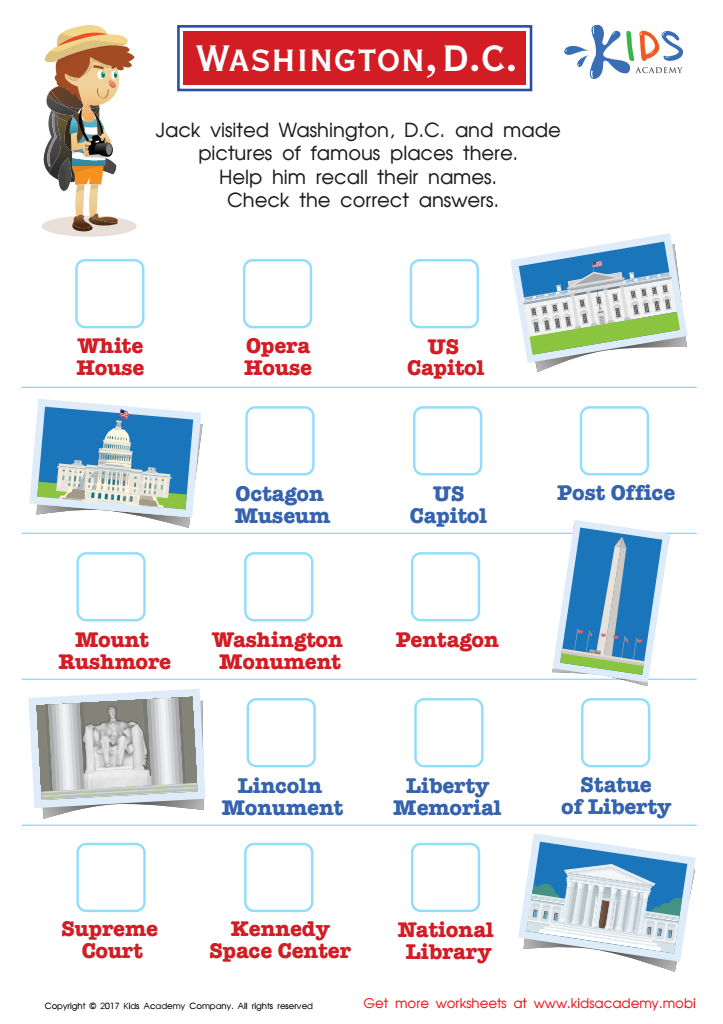
Washington D.C. Printable Worksheet
 Assign to My Students
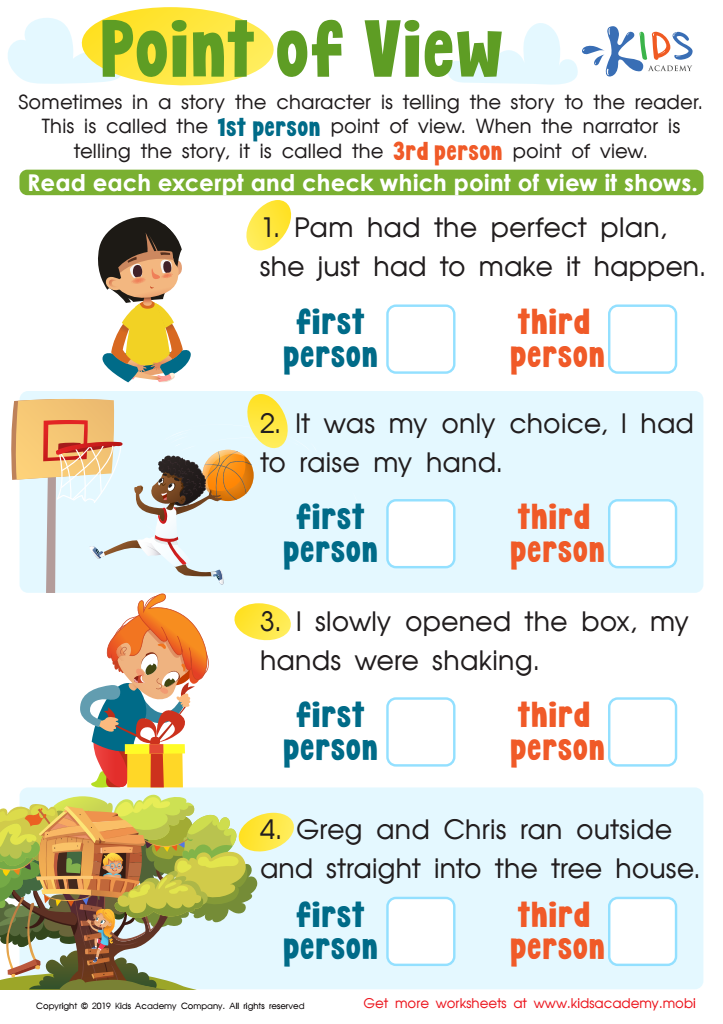
Point of View Printable
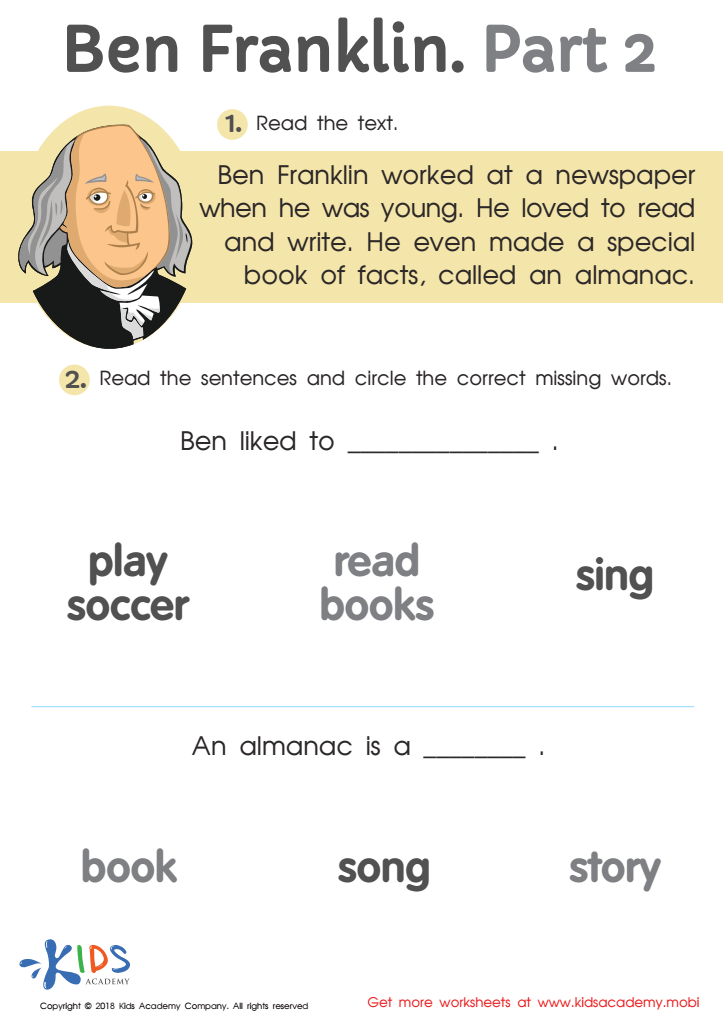
Ben Franklin Part 2 Worksheet
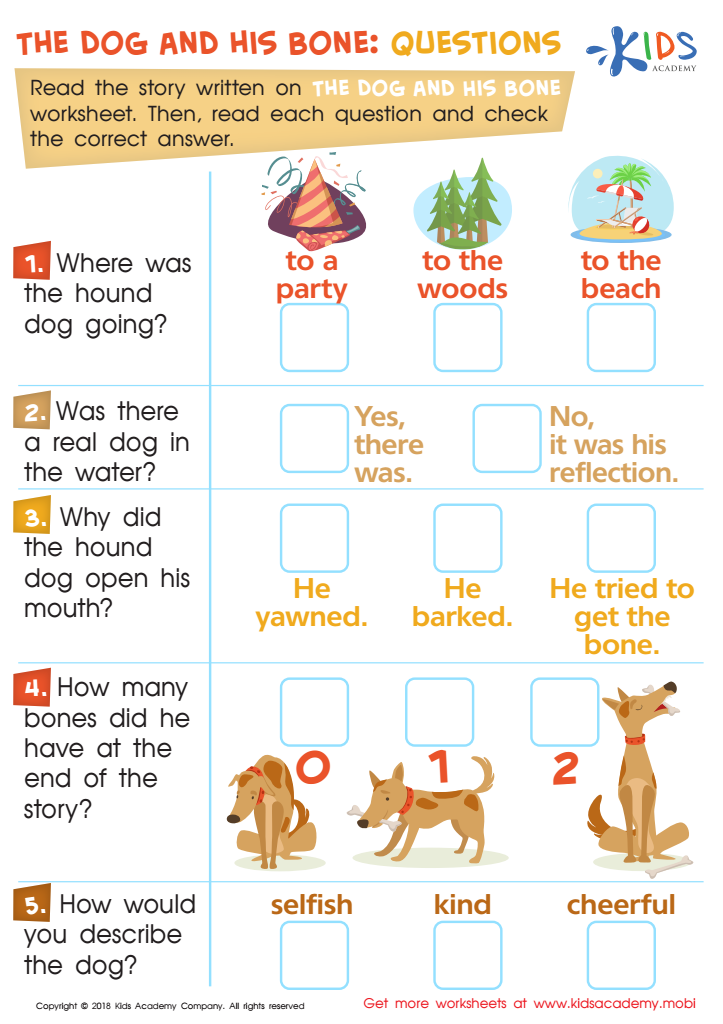
The Dog and His Bone: Questions Worksheet
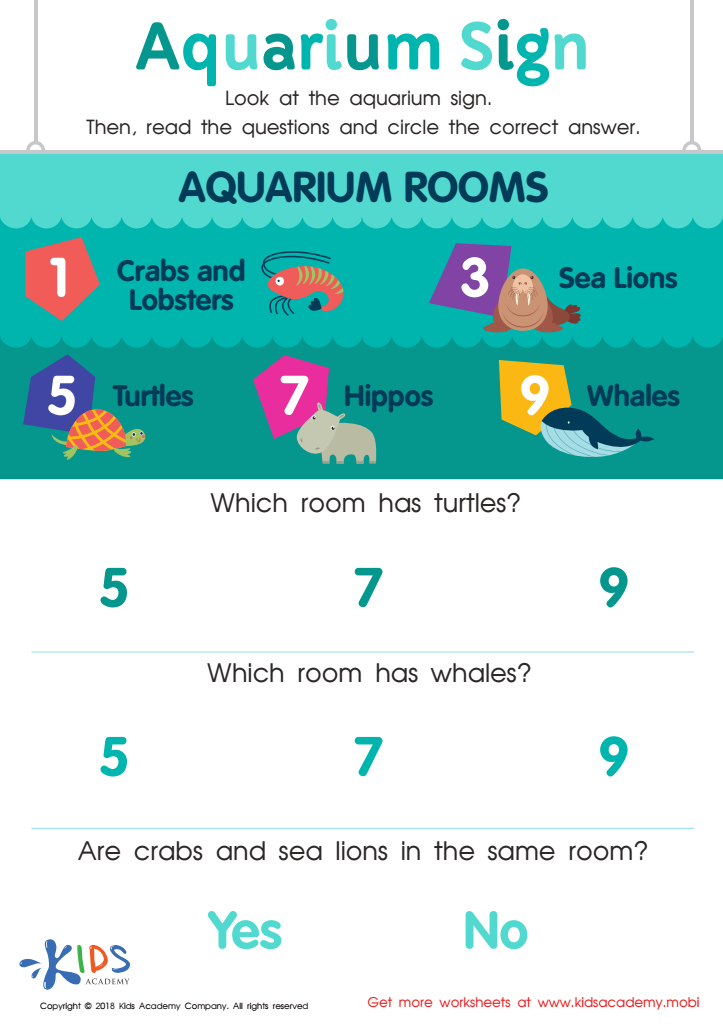
Assessment: Aquarium Sign Worksheet
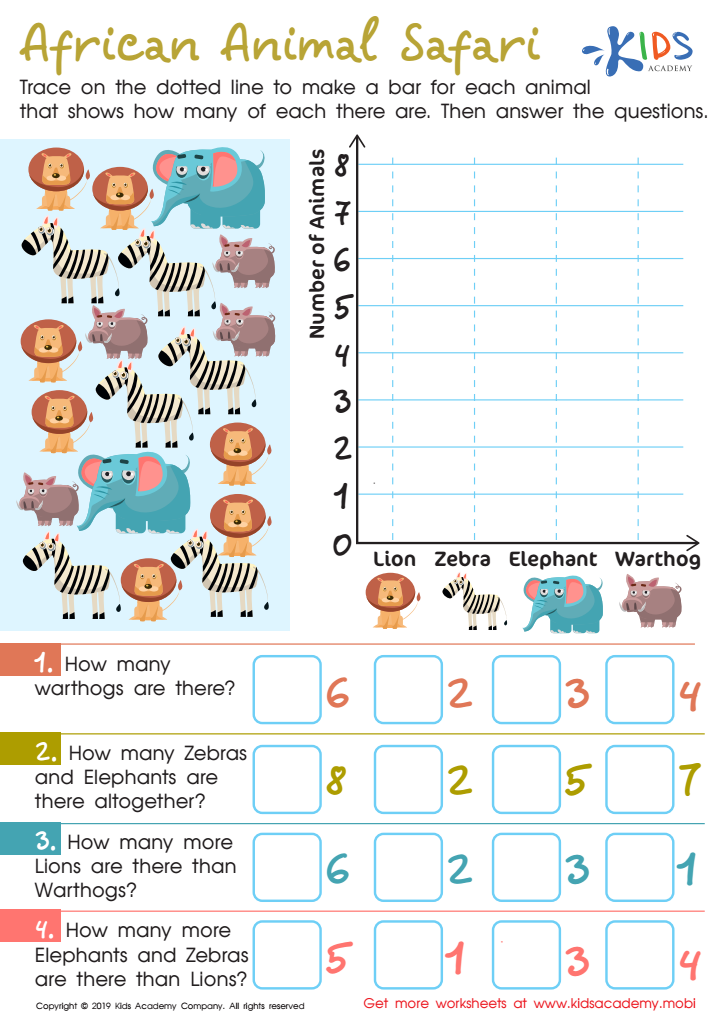
African Animal Safari Worksheet
Look at the Pictures: The Princess and the Pea Worksheet
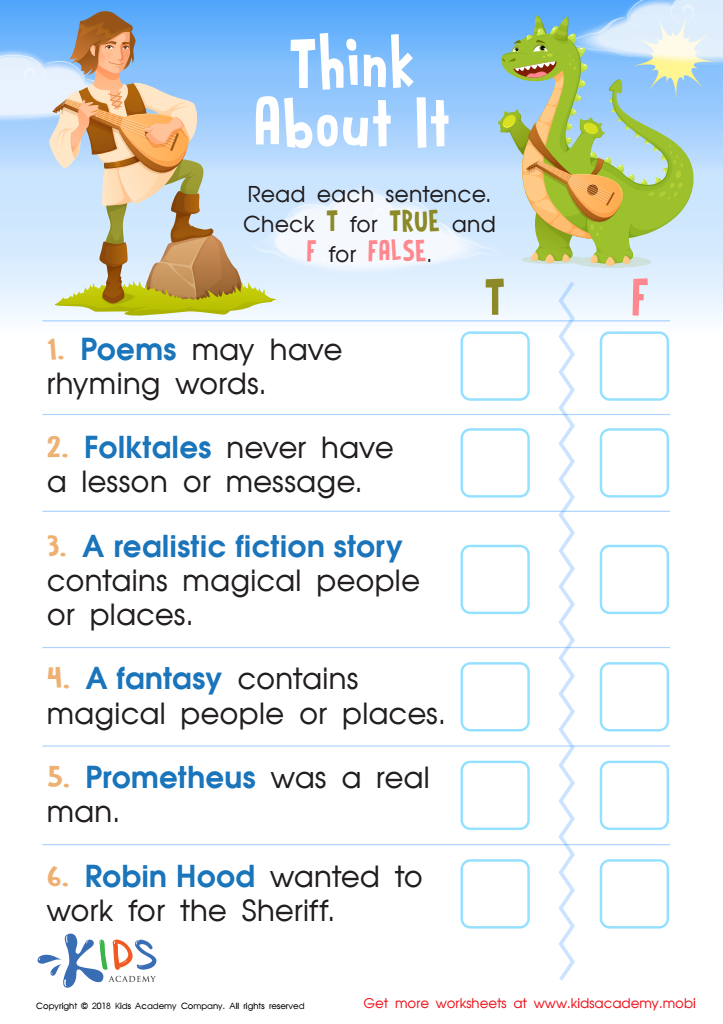
Think About It: Assessment Worksheet
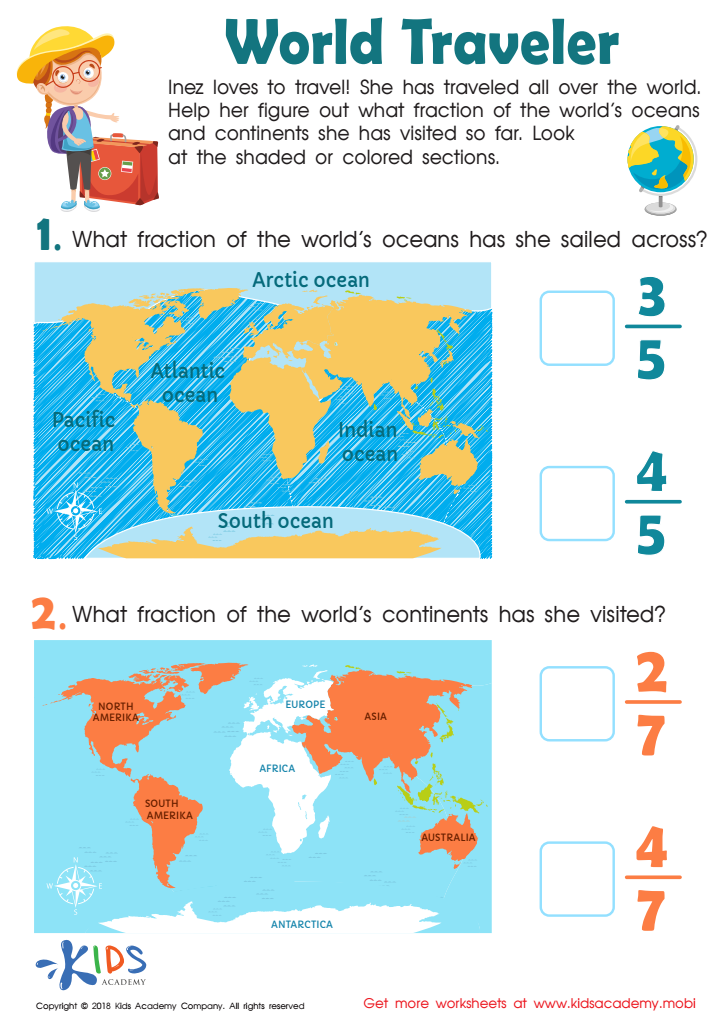
World Traveler Worksheet
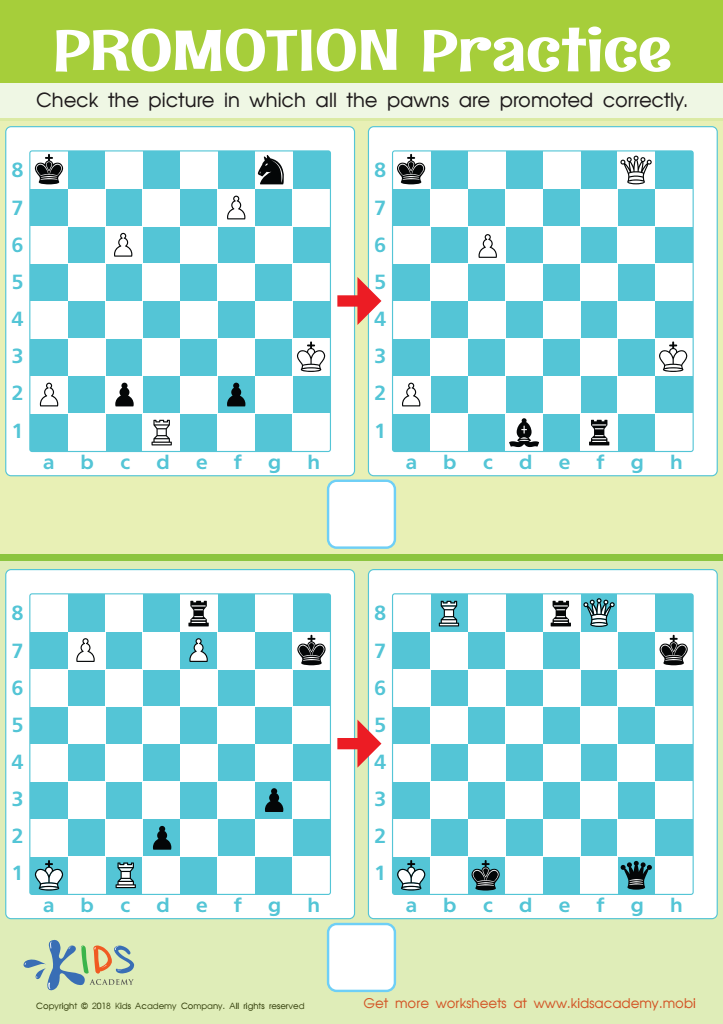
Promotion Practice Worksheet
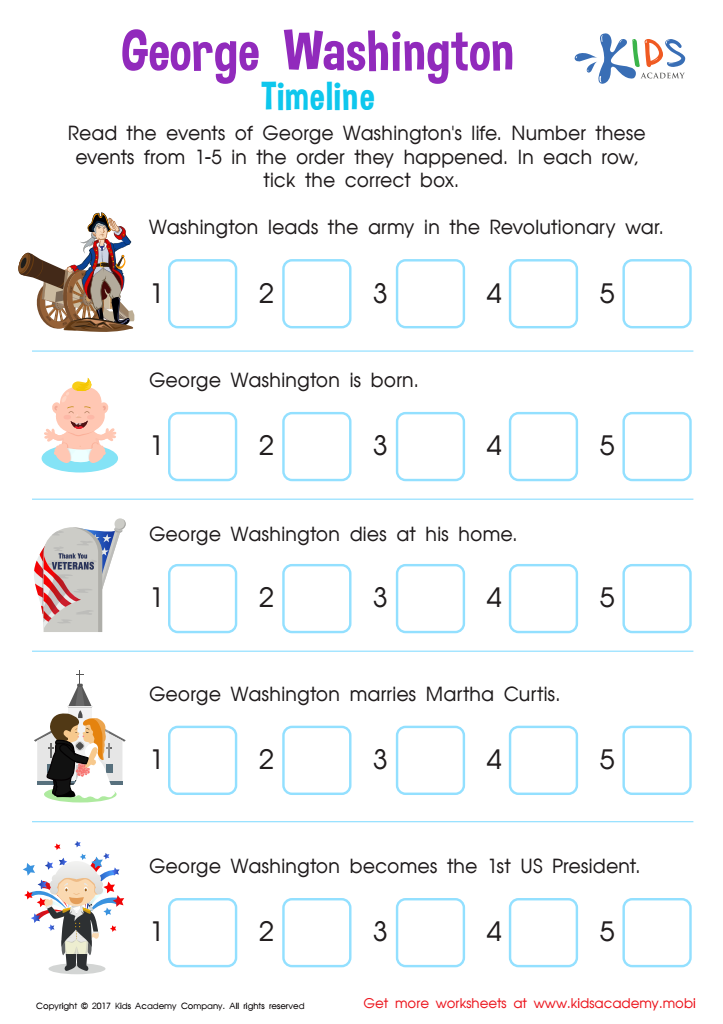
George Washington Timeline Worksheet
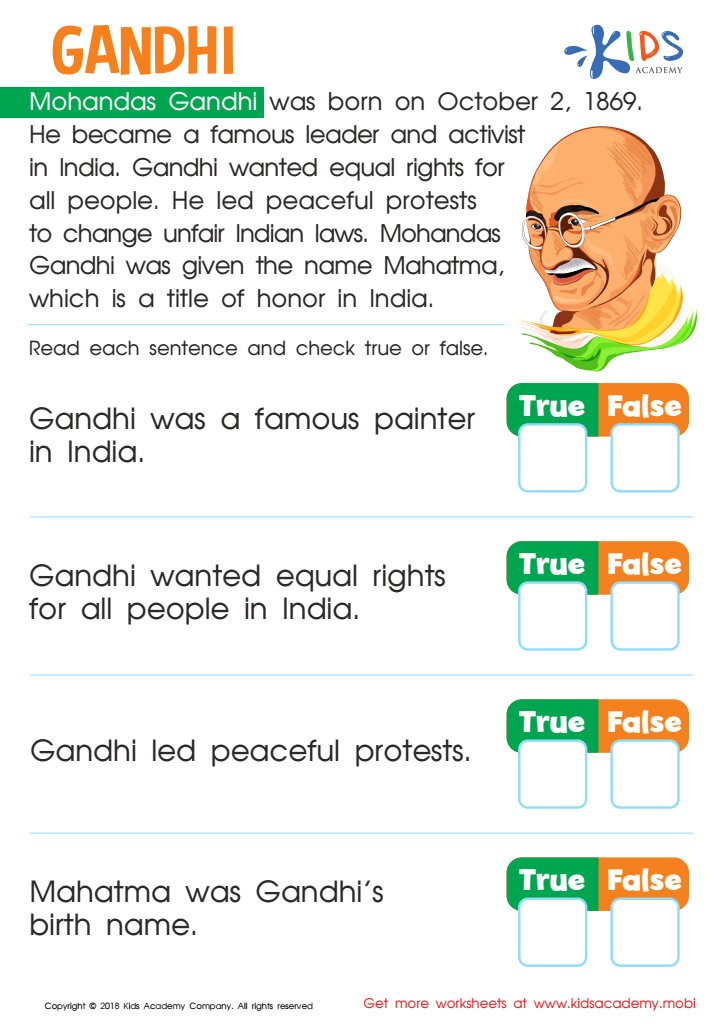
Gandhi Worksheet
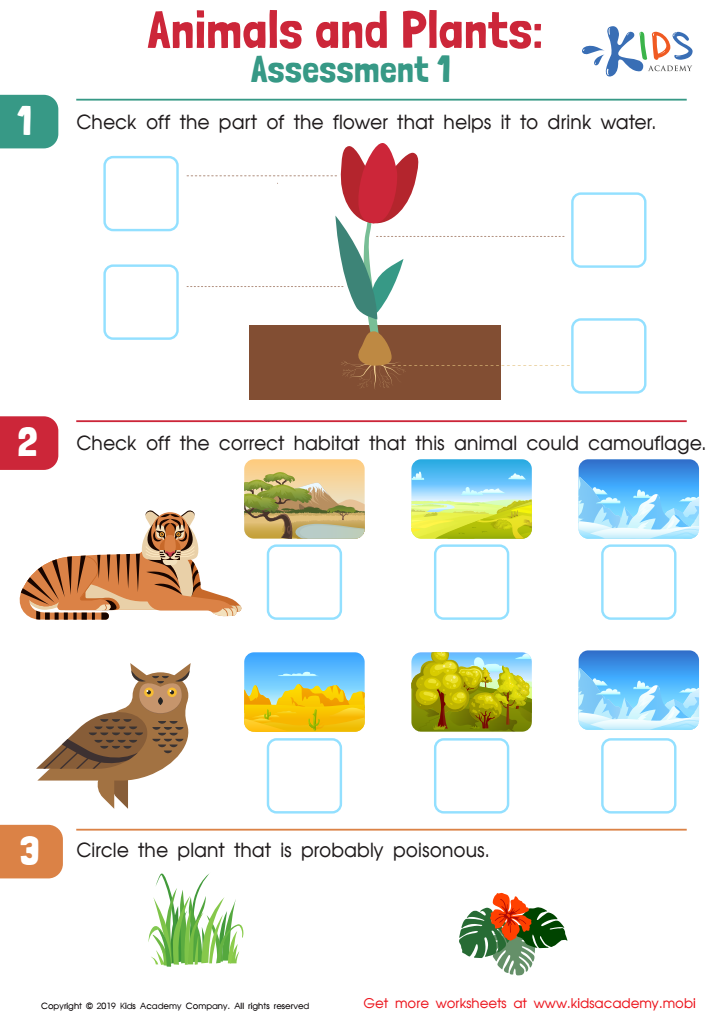
Animals and Plants: Assessment 1 Worksheet







Critical thinking is an essential skill for children aged 7-8 as it forms the foundation for lifelong learning and problem-solving capabilities. At this developmental stage, children are beginning to exert greater independence in their thinking and often ask "why" questions about the world around them. Encouraging critical thinking helps them evaluate information, consider alternative solutions, and develop reasoned arguments.
For parents and teachers, fostering critical thinking in young children increases their ability to understand and process new concepts, leading to better academic performance. It also helps children develop empathy by understanding different perspectives and enhances their capacity to make thoughtful, informed decisions in daily life.
Critical thinking practices enable children to dissect problems logically rather than relying on rote memorization. This skill is particularly relevant given the information-rich society we live in, equipping children with the ability to discern reputable sources from unreliable ones.
Additionally, instilling critical thinking early promotes curiosity and resilience—traits that are invaluable not only in school but also in real-life scenarios. The ability to question assumptions, seek evidence, and draw logical conclusions aids in nurturing well-rounded individuals who can contribute meaningfully to society. Hence, investing in critical thinking for young learners is crucial for their overall intellectual and emotional growth.








