Cultural Understanding Worksheets for Ages 7-8
3 filtered results
-
From - To
Enhance your child’s cultural awareness with our engaging Cultural Understanding Worksheets specially designed for ages 7-8. These worksheets offer interactive activities that help young learners explore and appreciate diverse cultures. Through fun exercises such as coloring pages, puzzles, and stories, children will discover traditions, languages, and customs from around the world. Our resources aim to foster empathy and respect for differences while supporting essential learning skills. Empower your child to become a more globally aware individual with these thoughtfully created worksheets. Perfect for both classroom and home use, they make learning about culture exciting and accessible! Explore now and cultivate cultural curiosity!
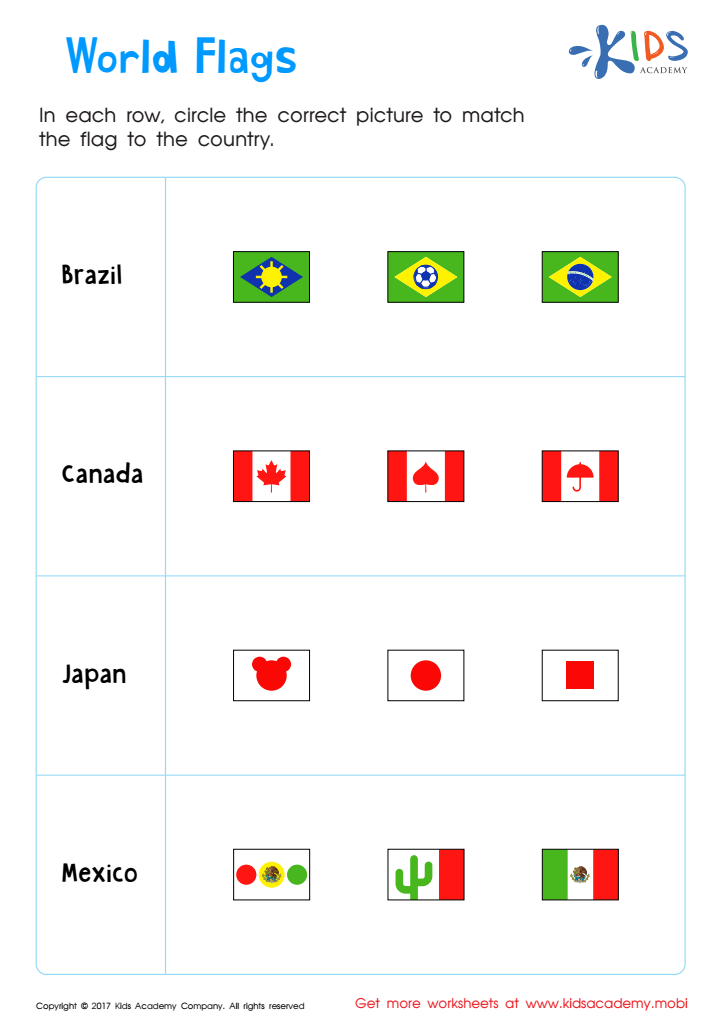
World Flags Printable
 Assign to My Students
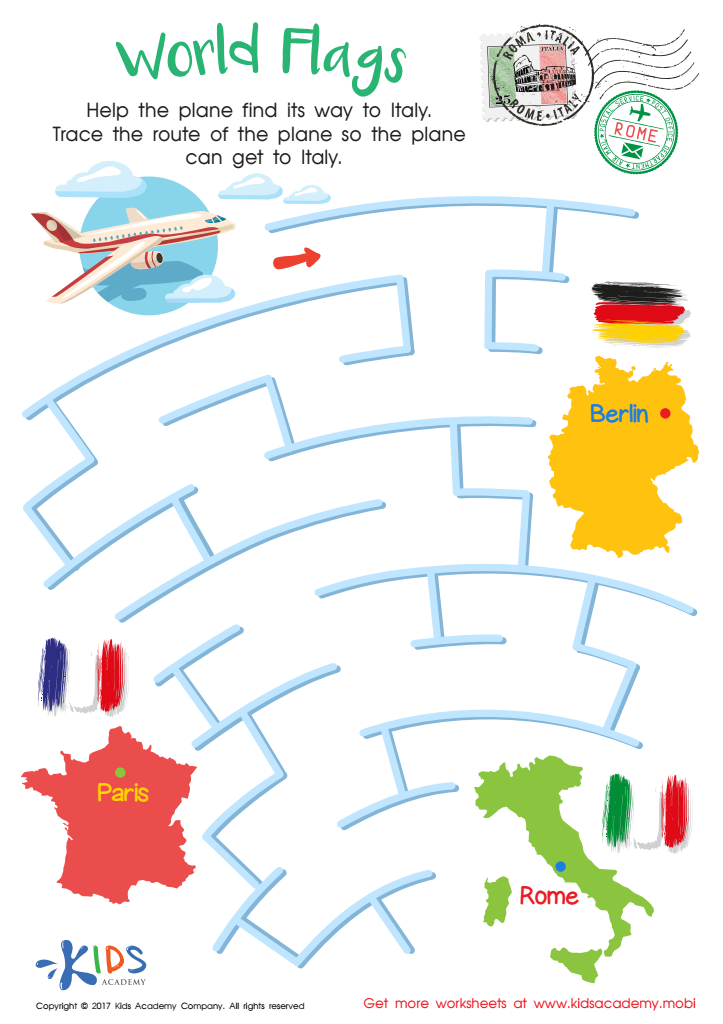
World Flags Maze Worksheet
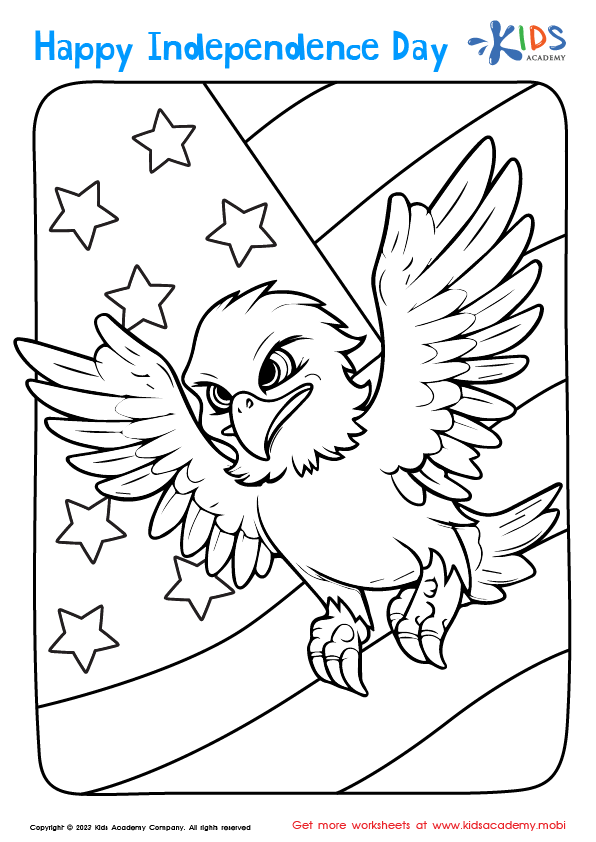






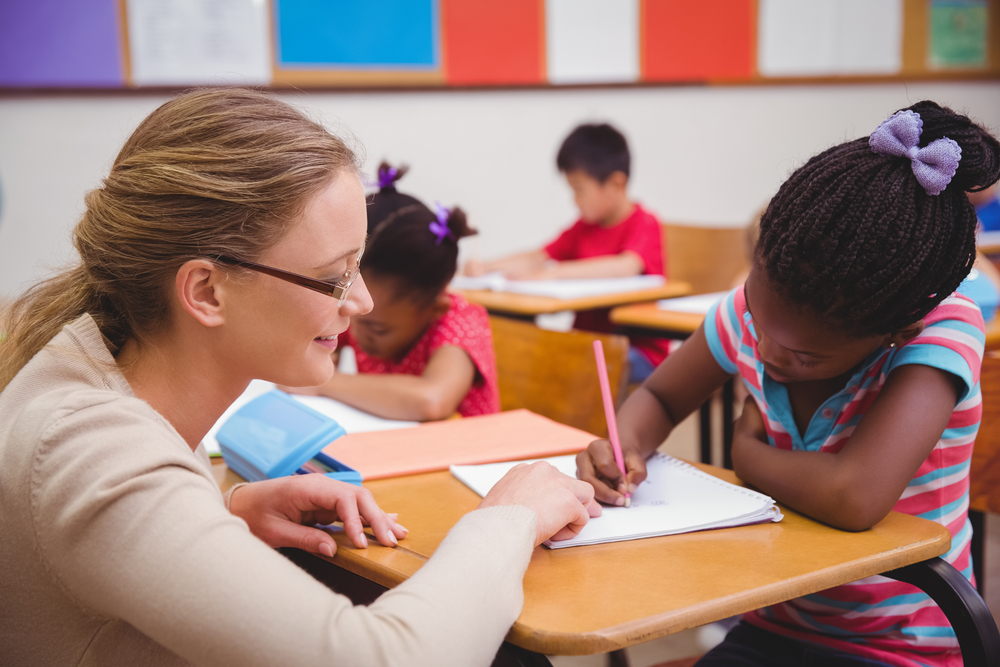

Cultural understanding is essential for children ages 7-8 as it fosters empathy, respect, and inclusivity in diverse classrooms. At this age, children are highly impressionable and open to learning about differences in customs, traditions, and viewpoints. Parents and teachers should care about promoting cultural understanding because it nurtures a sense of belonging and harmony among peers, reducing instances of bullying and discrimination.
Additionally, cultural awareness helps children develop critical thinking skills. Recognizing various perspectives encourages them to engage meaningfully in conversations and develop problem-solving abilities rooted in collaboration. Exposure to different cultures teaches children that there are multiple ways to approach a situation, bolstering creativity and innovation in their thinking.
Furthermore, as the world becomes increasingly interconnected, equipping children with cultural competence prepares them for global citizenship. Understanding and respecting diverse cultures allows them to interact positively with individuals from various backgrounds, laying the groundwork for future success in an increasingly multicultural society.
By integrating cultural understanding into education, parents and teachers empower children to appreciate diversity, honor individuality, and foster a more inclusive environment that values every person's unique contributions. Ultimately, this investment benefits both children and society as a whole, nurturing harmony and collaboration in our communities.








