Developing logical thinking Worksheets for Ages 7-8
8 filtered results
-
From - To
Enhance your child's critical thinking skills with our engaging "Developing Logical Thinking Worksheets" for ages 7-8. These carefully crafted worksheets foster logical reasoning, problem-solving abilities, and analytical thinking in young learners. Suitable for home or classroom use, our activities incorporate puzzles, sequencing tasks, and pattern recognition exercises, ensuring a fun and interactive learning experience. Encourage your child's cognitive development while reinforcing essential skills in an enjoyable way. Perfect for reinforcing classroom learning or as supplemental practice, these worksheets will help students build a strong foundation in logical thinking that will benefit them throughout their academic journey. Explore and watch them thrive today!
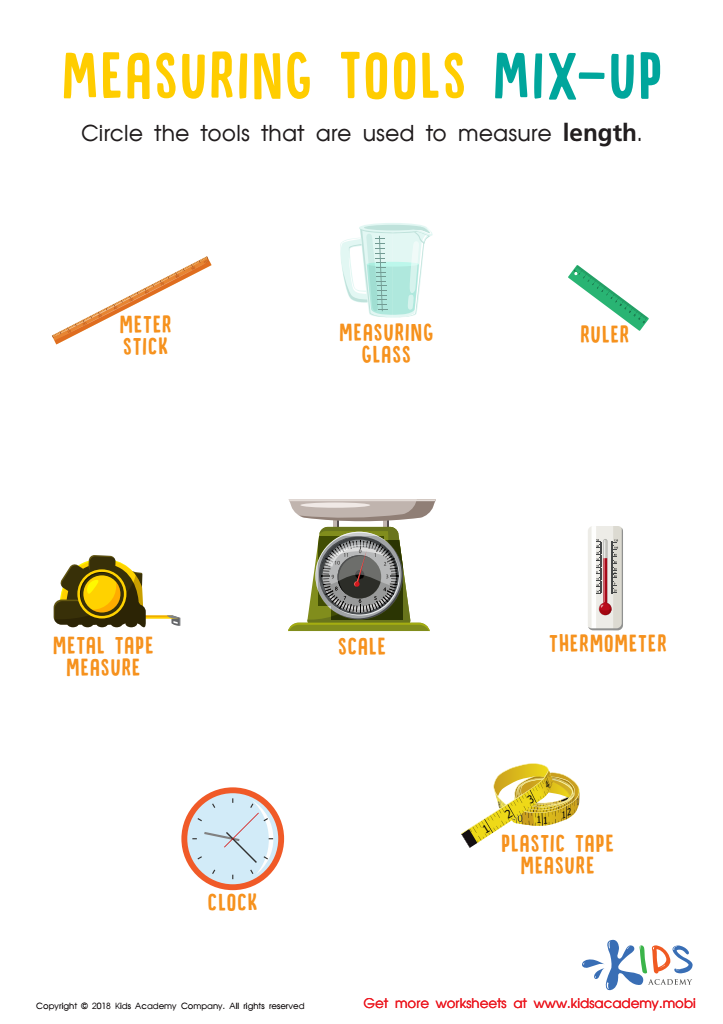
Measuring Tools Mix–up Worksheet
 Assign to My Students
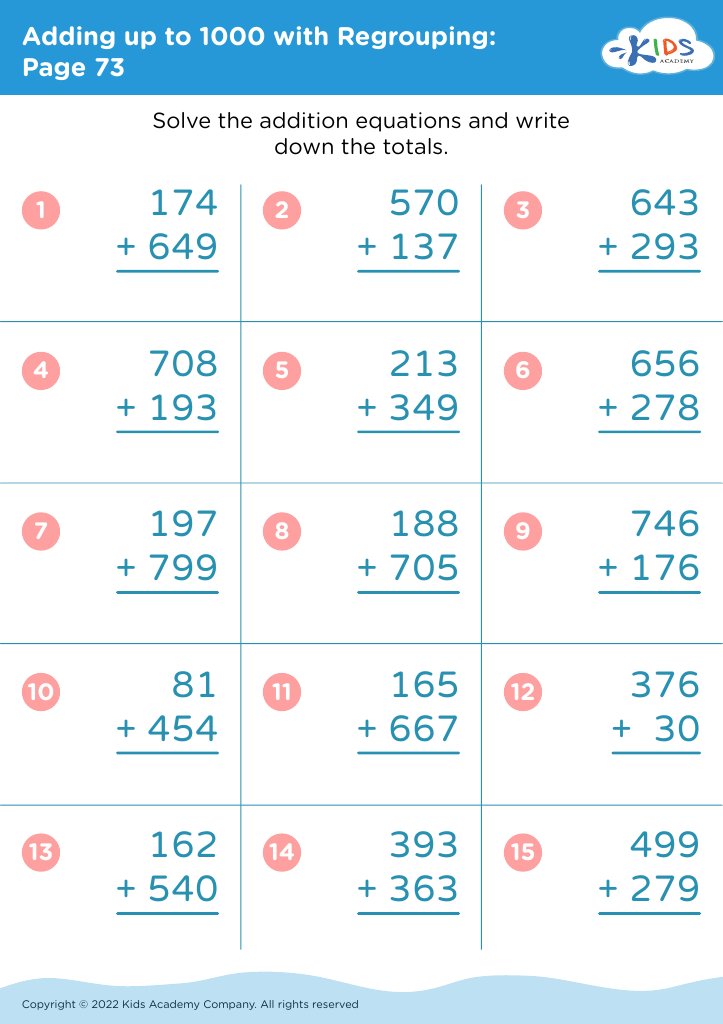
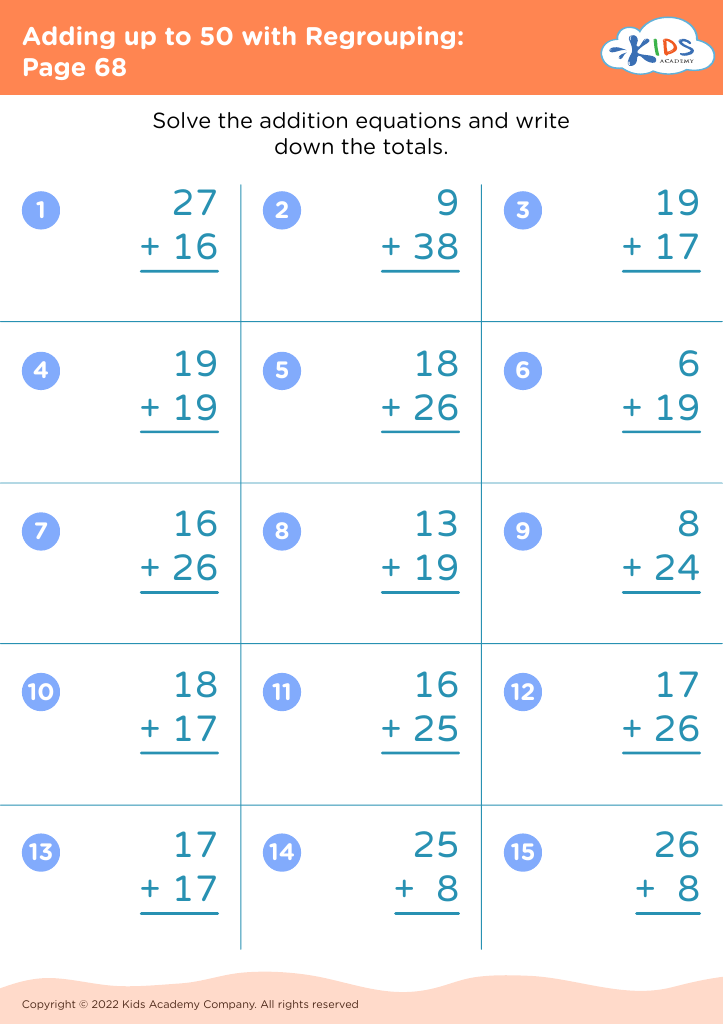
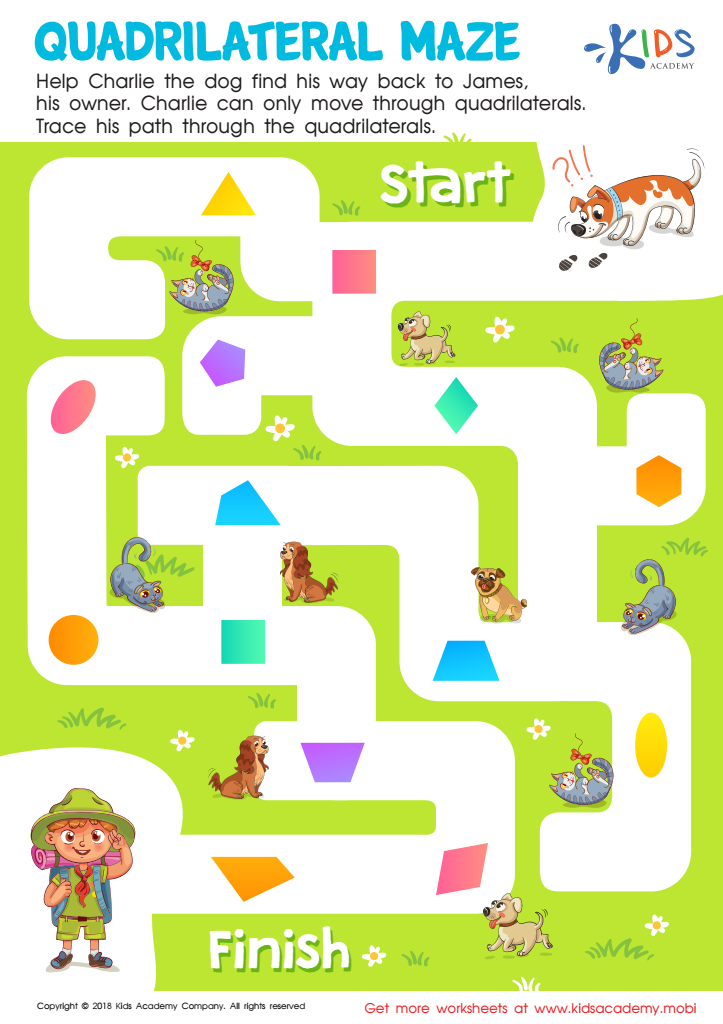
Quadrilateral Maze Worksheet
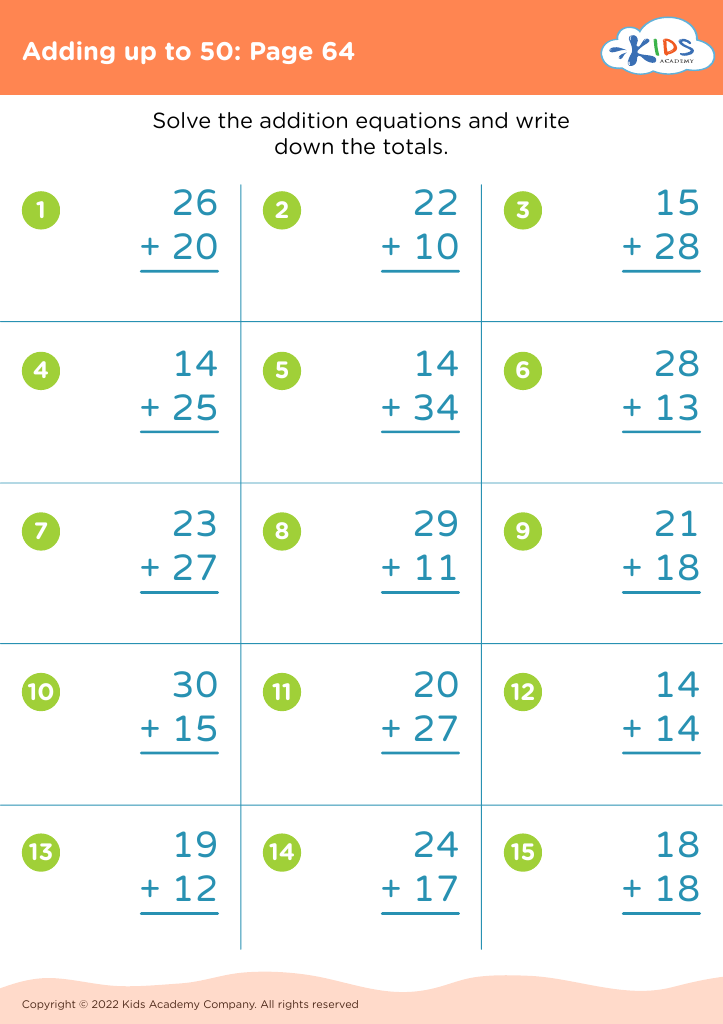
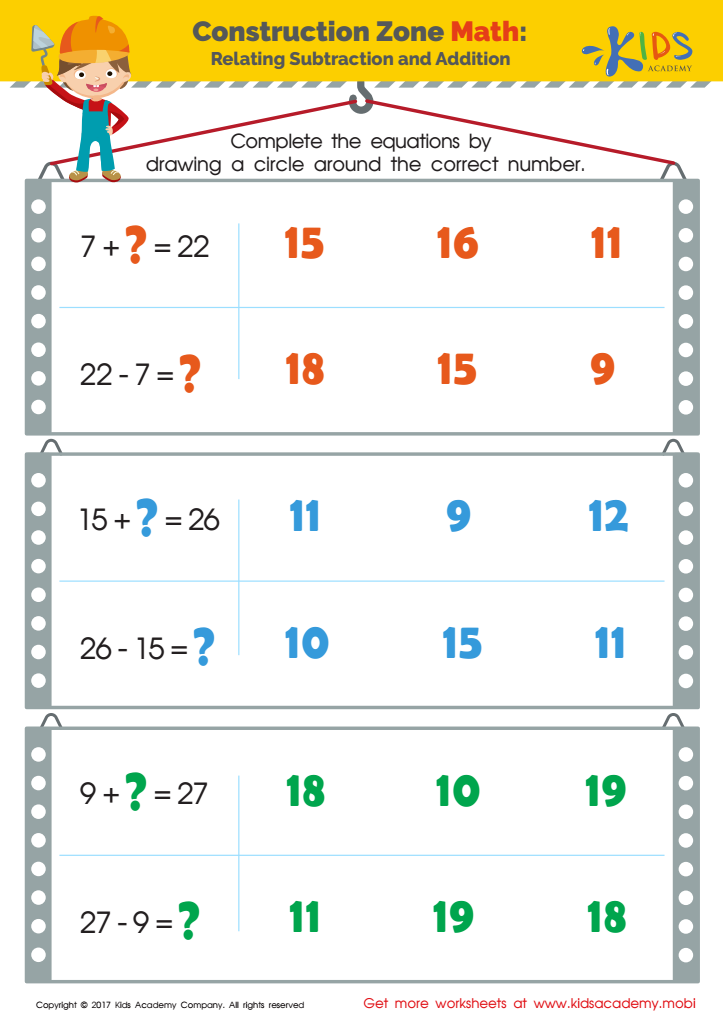
Related Addition and Subtraction Facts Worksheet
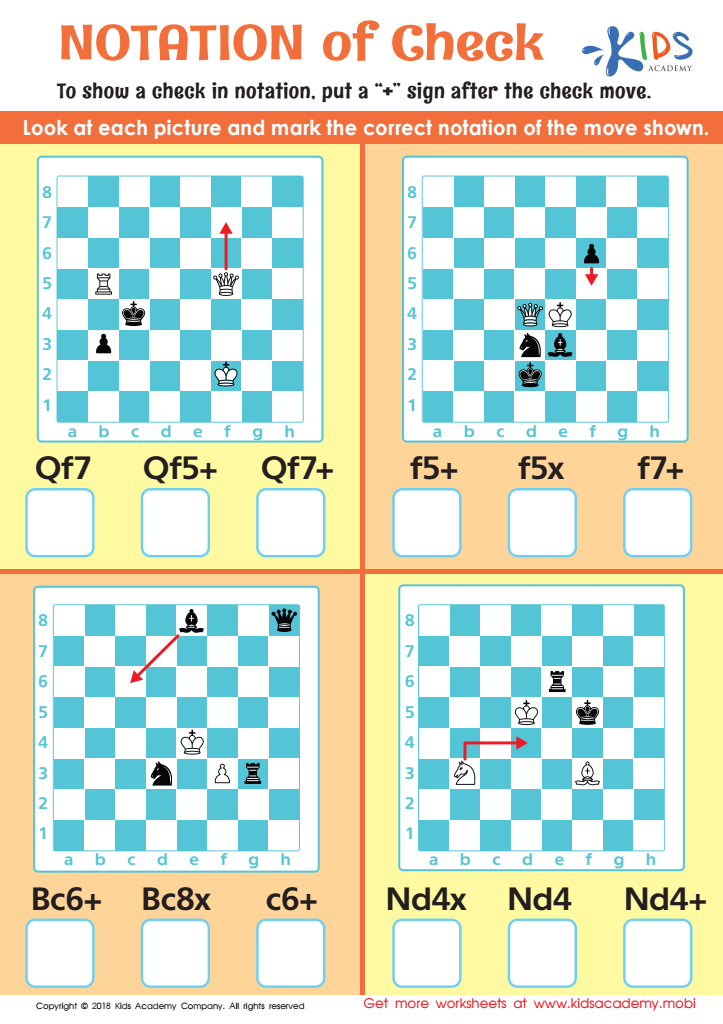
Notation of Check Worksheet
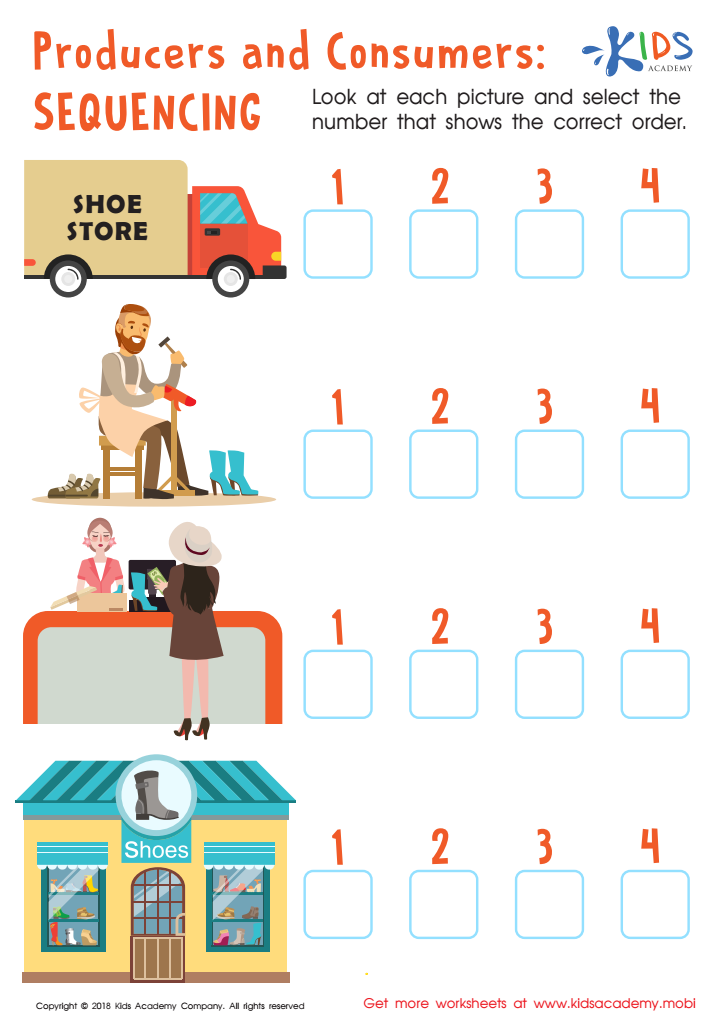
Producers and Consumers: Sequencing Worksheet







Developing logical thinking skills in children aged 7-8 is crucial for their overall cognitive growth and future academic success. At this stage, children are beginning to transition from concrete to abstract thinking, making it an ideal time to cultivate their ability to reason, analyze, and solve problems. Logical thinking helps kids understand cause-and-effect relationships, enabling them to make sense of the world around them.
Encouraging logical thinking fosters critical skills such as decision-making, creativity, and the ability to evaluate evidence. These skills not only enhance their performance in subjects like math and science but also prepare them for real-life challenges. Engaging children in logical reasoning activities—like puzzles or strategy games—also sharpens their attention, enhances their focus, and improves perseverance.
Parents and teachers play a pivotal role in this development. By modeling logical reasoning and providing opportunities for children to practice these skills, they facilitate a robust learning environment. Supporting this cognitive growth lays the foundation for a life-long love of learning, making children more adaptable and resilient. In an increasingly complex world, nurturing logical thinking skills equips kids with the tools they need to navigate challenges and seize opportunities throughout their education and beyond.








