Fraction conversion Worksheets for Ages 7-8
4 filtered results
-
From - To
Unlock the world of fractions with our Fraction Conversion Worksheets designed specifically for ages 7-8. These engaging, printable resources help young learners master the art of converting fractions into different forms. With a variety of exercises tailored to enhance comprehension, students will practice converting between mixed numbers and improper fractions, exploring real-world applications along the way. Our worksheets not only reinforce important mathematical concepts but also build confidence in young learners as they tackle each challenge. Perfect for home or classroom use, these worksheets are a fun, interactive way to develop essential fraction skills and encourage a love for mathematics. Dive in today!
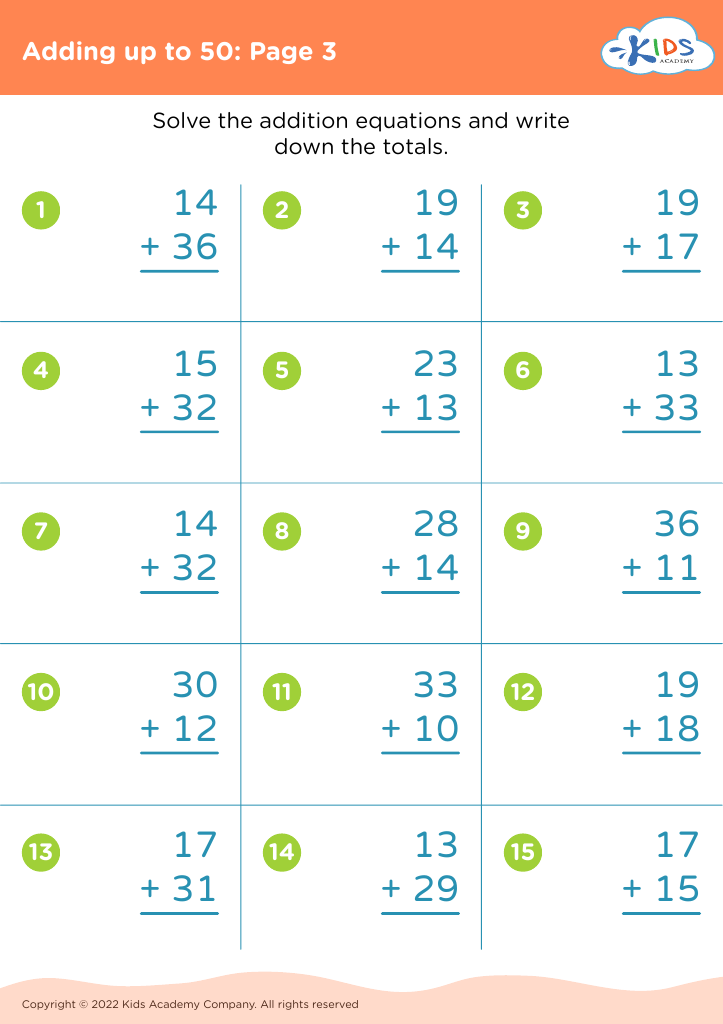
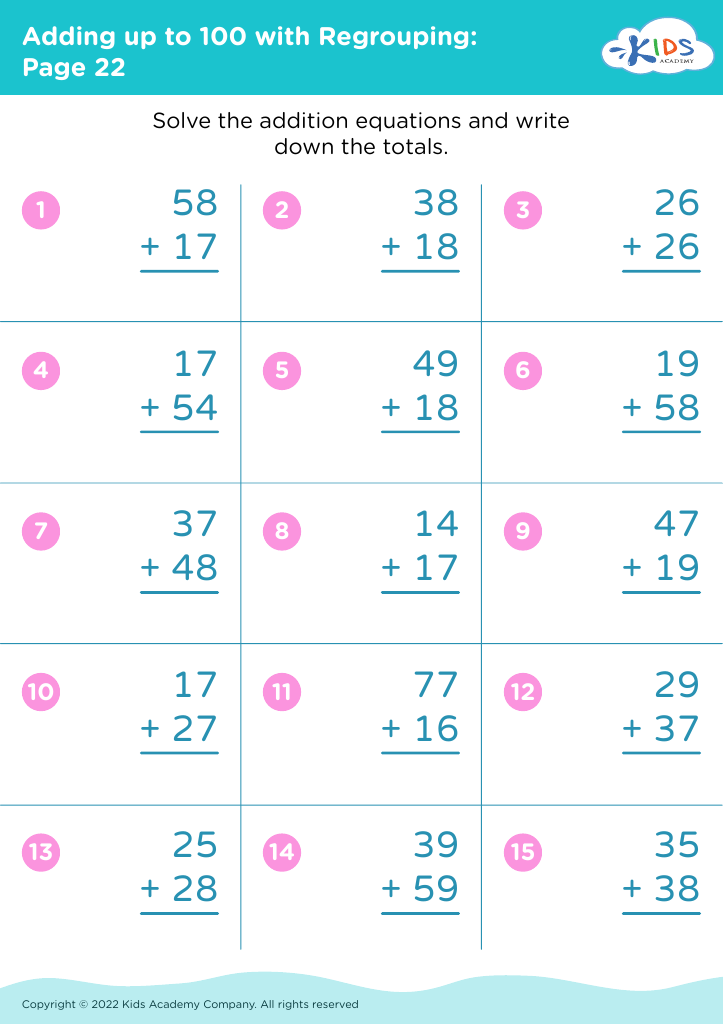
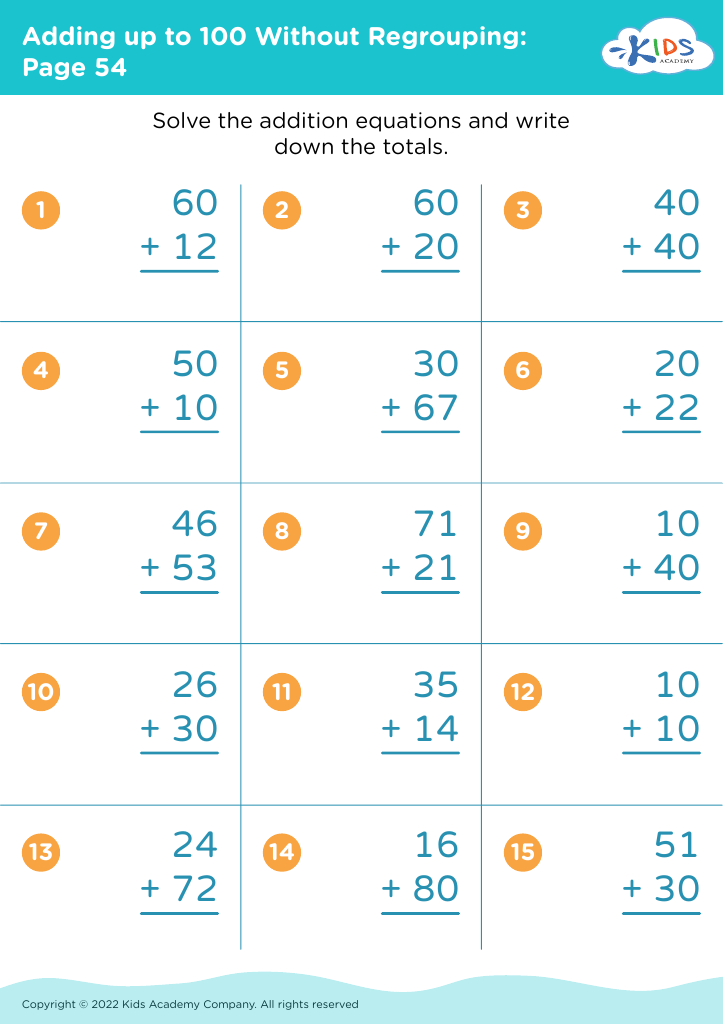
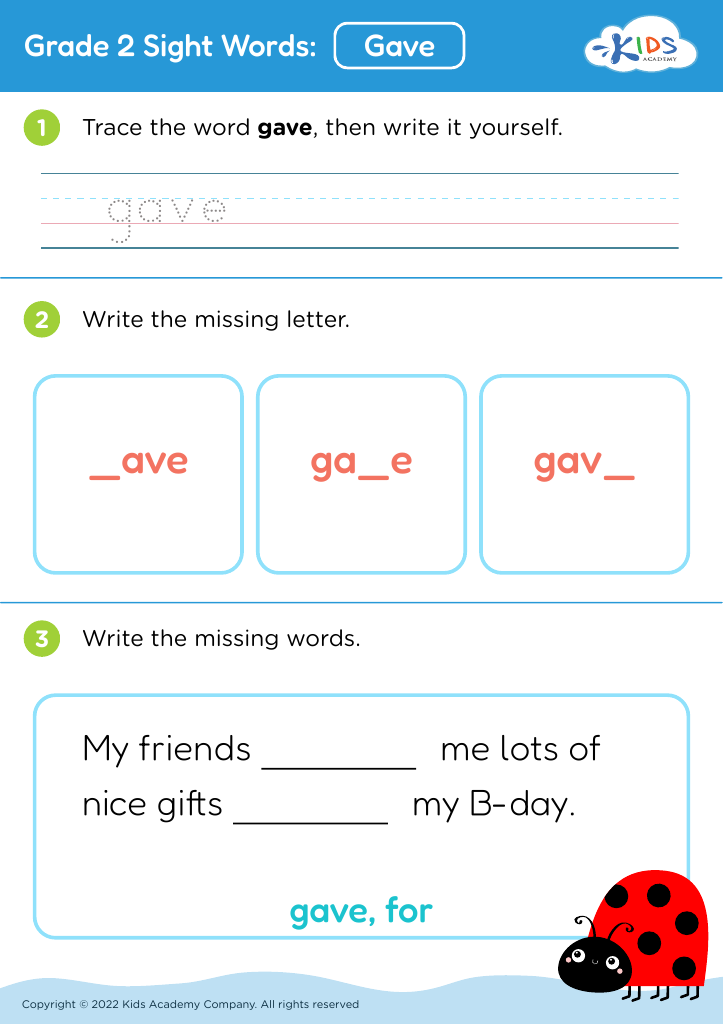






Understanding fraction conversion is essential for 7- to 8-year-olds as it lays the foundation for future mathematical concepts. At this age, children are beginning to grasp the idea of fractions, which forms the basis for more complex operations like equivalent fractions, addition, and subtraction of fractions. By teaching kids how to convert fractions, parents and teachers help them develop critical thinking and problem-solving skills.
Learning to convert fractions encourages a deeper comprehension of numbers and enhances numerical fluency. It connects with real-world applications, such as cooking or measuring ingredients, where fractions come into play regularly. Effective fraction conversion skills will aid students in understanding ratios and proportions, essential concepts not only in math but also in science and everyday decision-making.
Additionally, as standardized testing emphasizes fluency in a variety of mathematical skills, having a solid understanding of fraction conversion can boost students' confidence and performance. Teachers and parents play a significant role in making learning enjoyable and effective, reinforcing the importance of mastery in basic fraction operations. By caring about fraction conversion, they open doors to a multitude of mathematical concepts, fostering a positive attitude toward math that can last a lifetime.








