Historical Knowledge Worksheets for Ages 7-8 - Page 2
38 filtered results
-
From - To
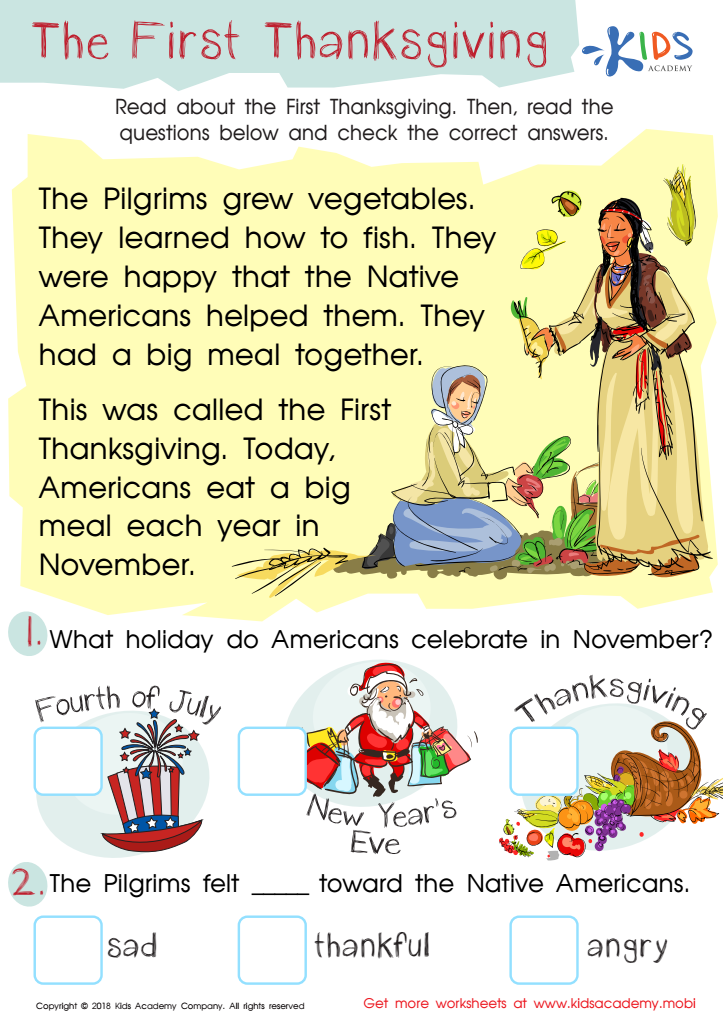
Assessment: First Thanksgiving Worksheet
 Assign to My Students
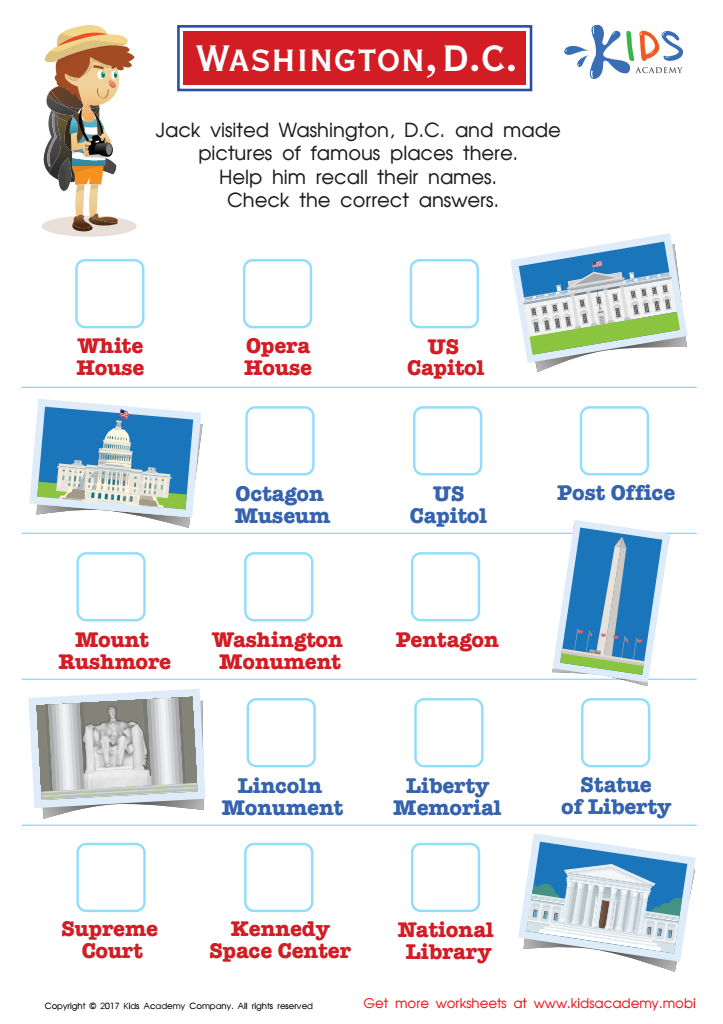
Washington D.C. Printable Worksheet
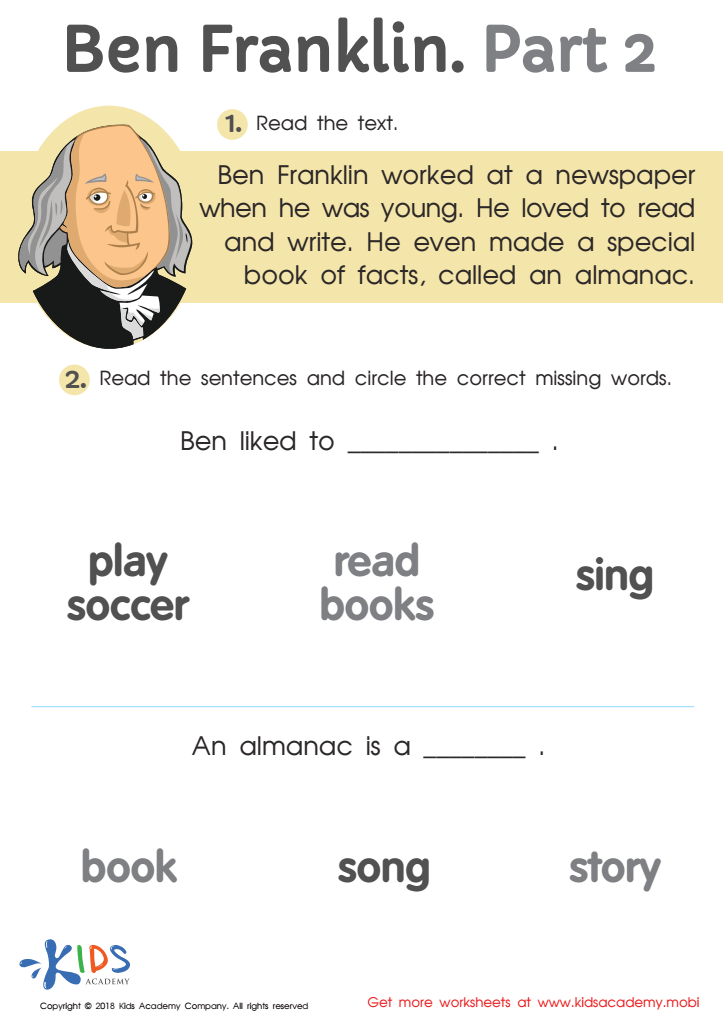
Ben Franklin Part 2 Worksheet
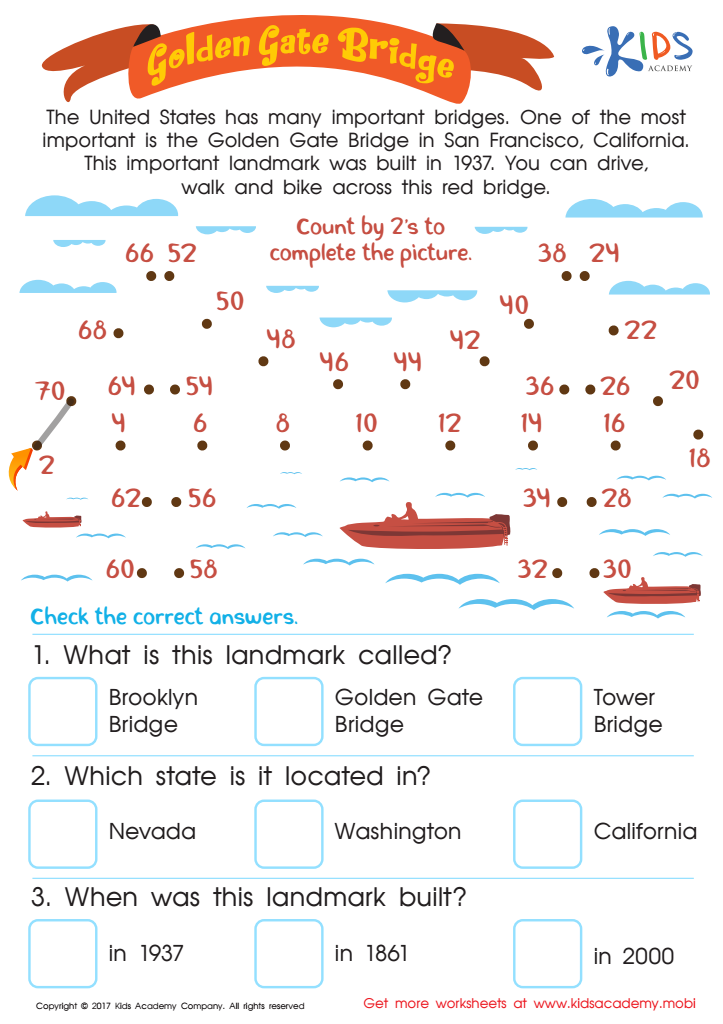
Golden Gate Bridge Worksheet
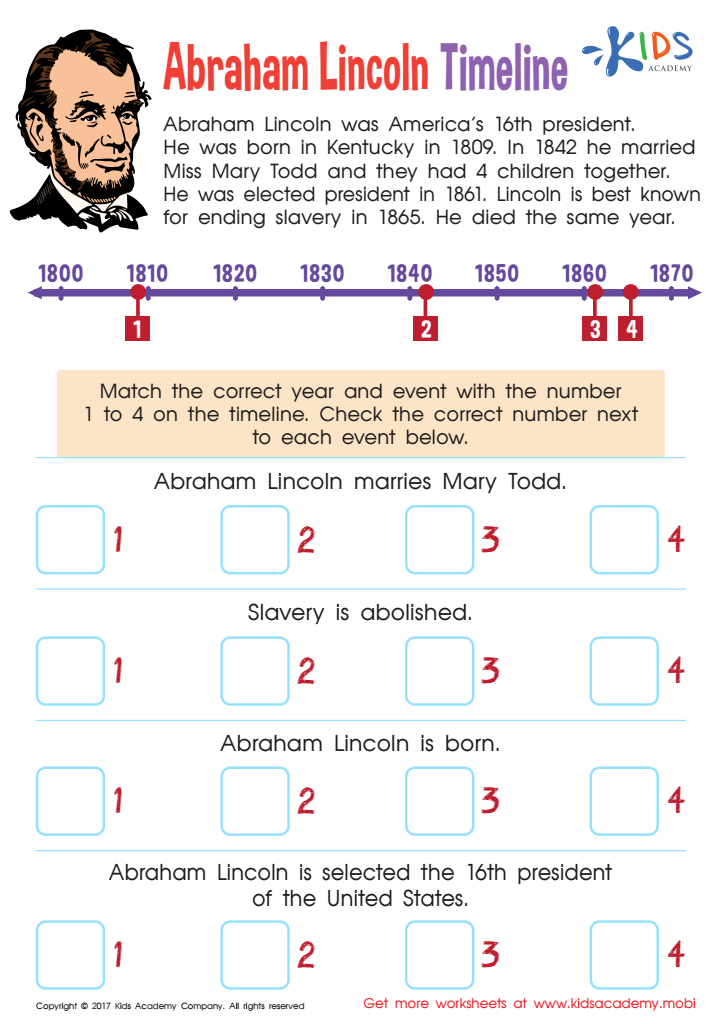
Abraham Lincoln Timeline Worksheet
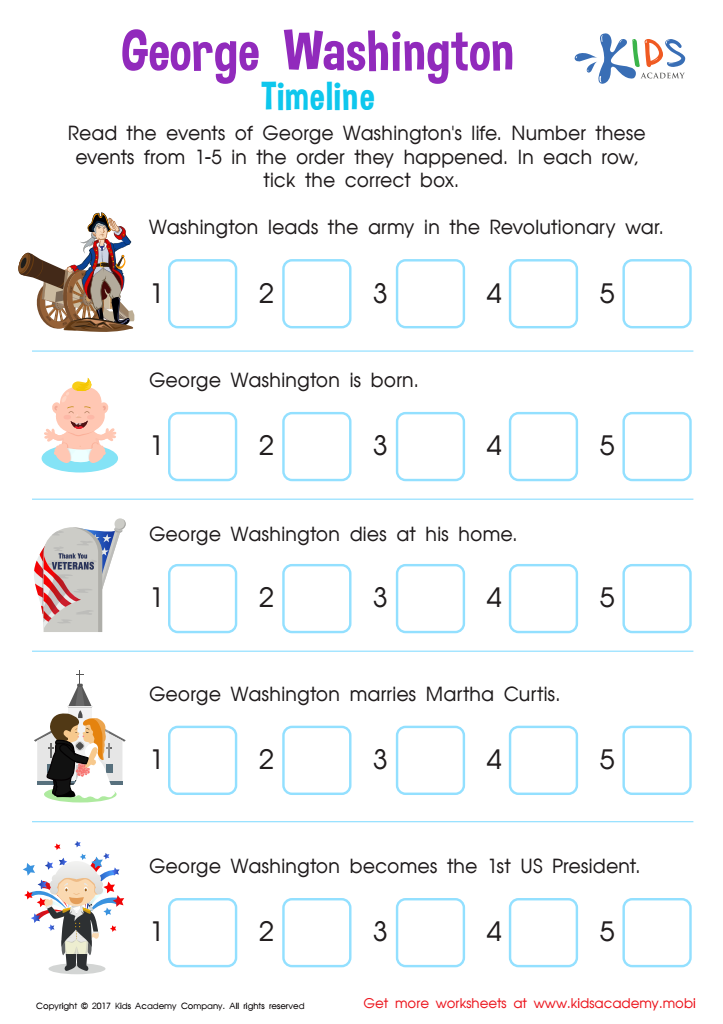
George Washington Timeline Worksheet
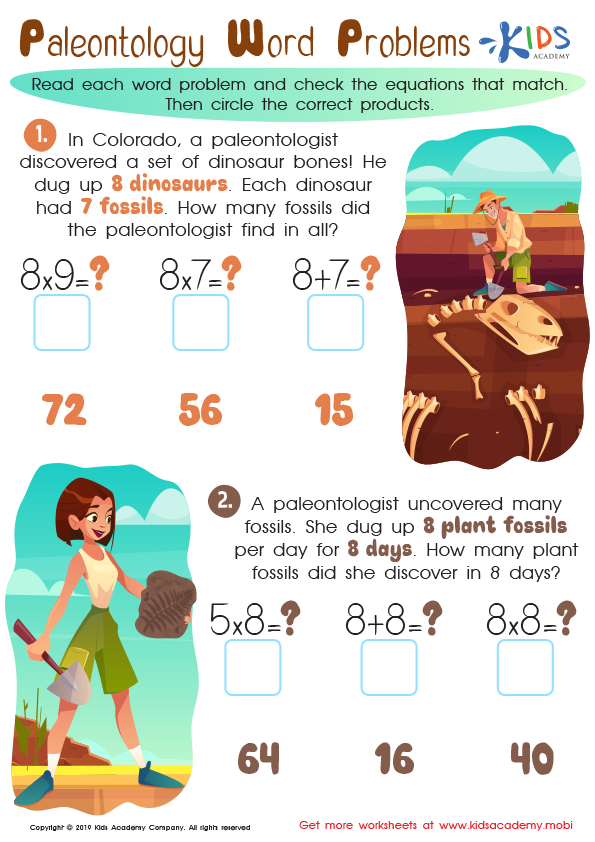
Archeology Word Problems Worksheet
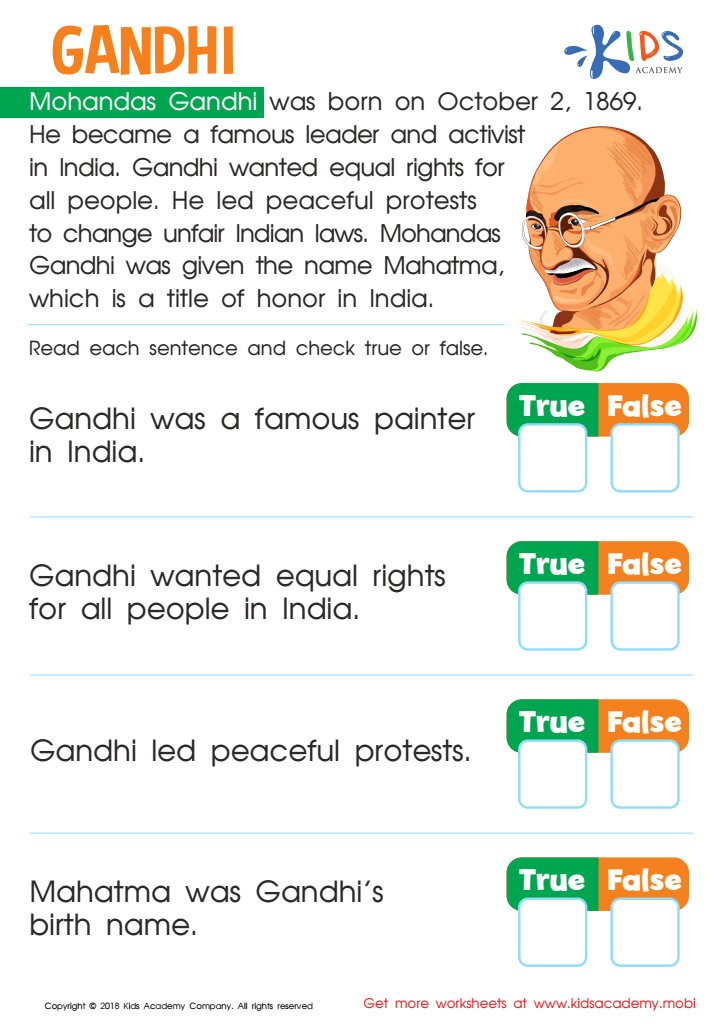
Gandhi Worksheet
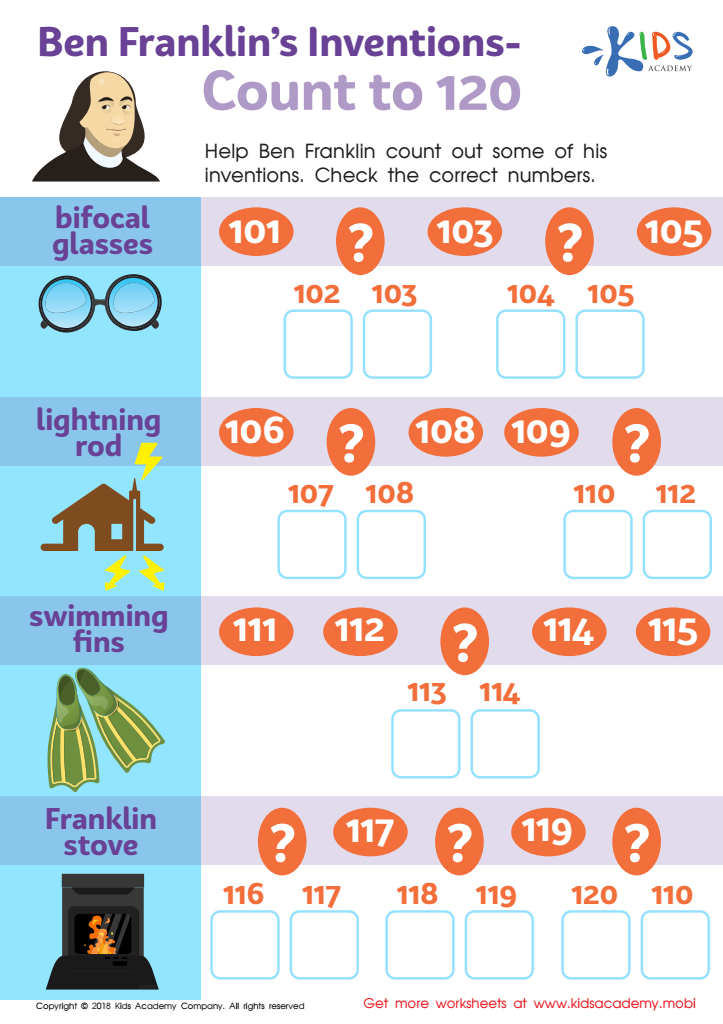
Ben Franklin’s Inventions – Count to 120 Worksheet
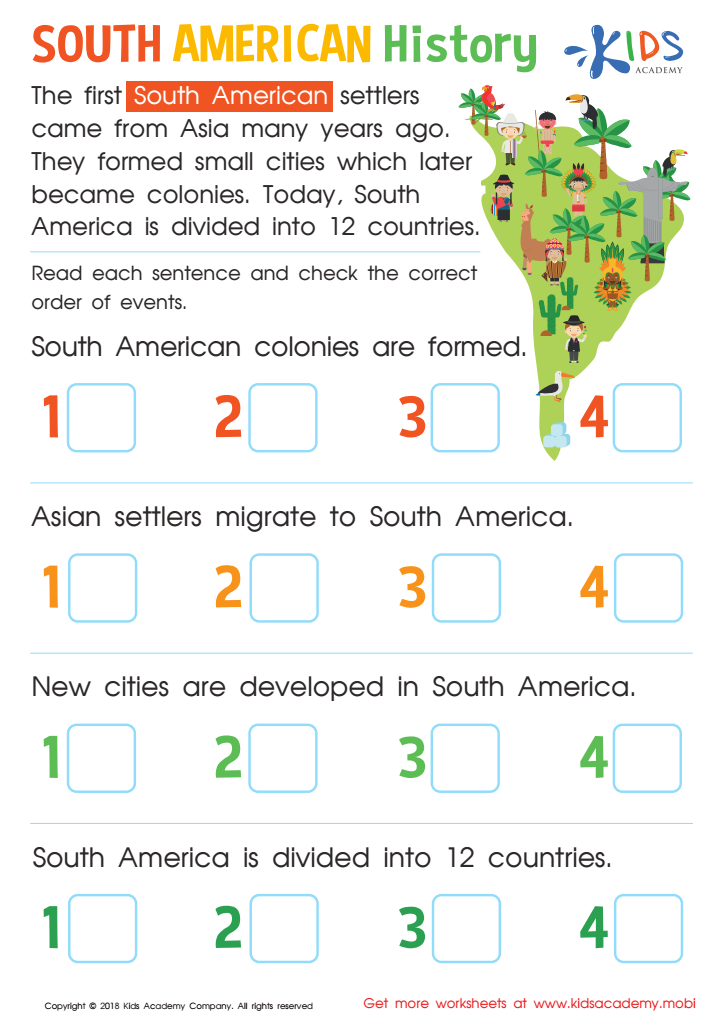
South American History Worksheet









Parents and teachers should prioritize historical knowledge for children aged 7-8 for several compelling reasons. First, early exposure to history fosters a sense of identity and belonging. Understanding their community’s past helps children grasp who they are and where they fit into the world. It cultivates pride and appreciation for cultural diversity, teaching them the importance of respecting different perspectives.
Secondly, historical narratives develop critical thinking skills. By exploring events from the past, children learn to analyze information, distinguish between fact and opinion, and understand cause-and-effect relationships. These foundational skills are essential for academic success and informed citizenship.
Moreover, history instills a sense of empathy. By learning about the experiences of others—historical figures, communities, or cultures—children develop an understanding of different life experiences and challenges. This fosters compassion and encourages inclusive behavior among peers.
Lastly, engaging with history in a fun and relatable way can spark children’s natural curiosity and love for learning. Interactive activities, storytelling, and imaginative play bring history to life, making it more accessible and enjoyable. By emphasizing historical knowledge, parents and teachers not only enrich young minds but also nurture responsible, informed citizens of the future.








