Numerical comparisons Worksheets for Ages 7-8
3 filtered results
-
From - To
Discover our engaging Numerical Comparisons Worksheets designed specifically for children ages 7-8. This resource helps young learners strengthen their understanding of numbers through fun activities that encourage critical thinking and problem-solving. Students will practice comparing numbers using greater than, less than, and equal to symbols, enhancing their mathematical fluency. Our worksheets are aligned with educational standards and promote interactive learning, making them perfect for both classroom and home use. Easy to download and print, these worksheets offer a structured approach to mastering numerical comparisons. Equip your child with essential math skills and foster a love for learning with our exciting activities today!
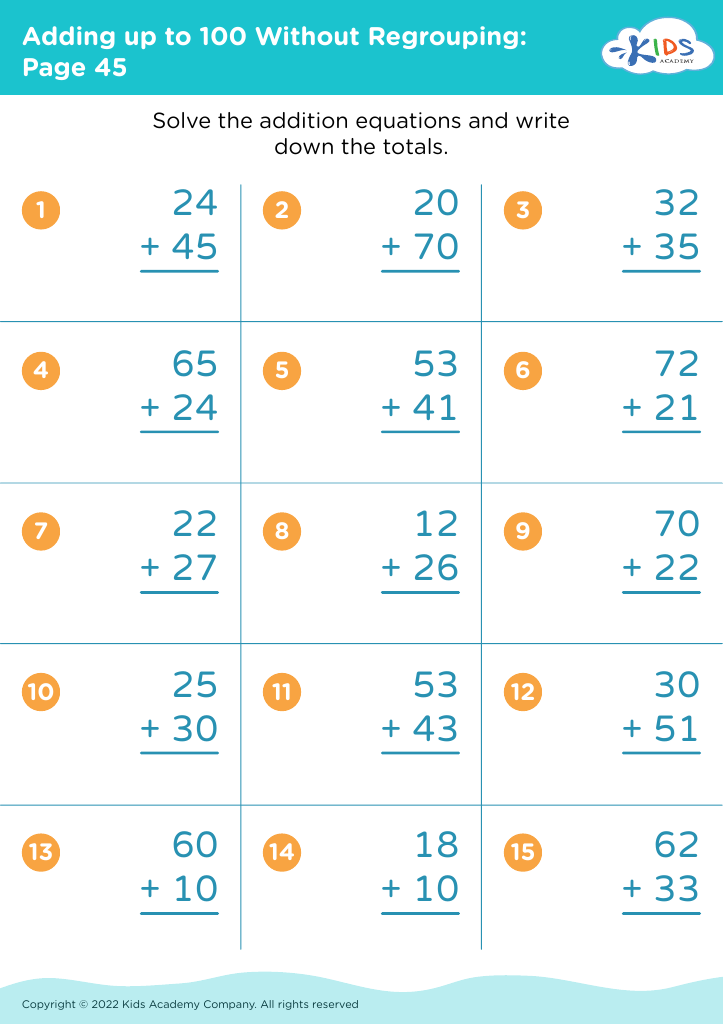
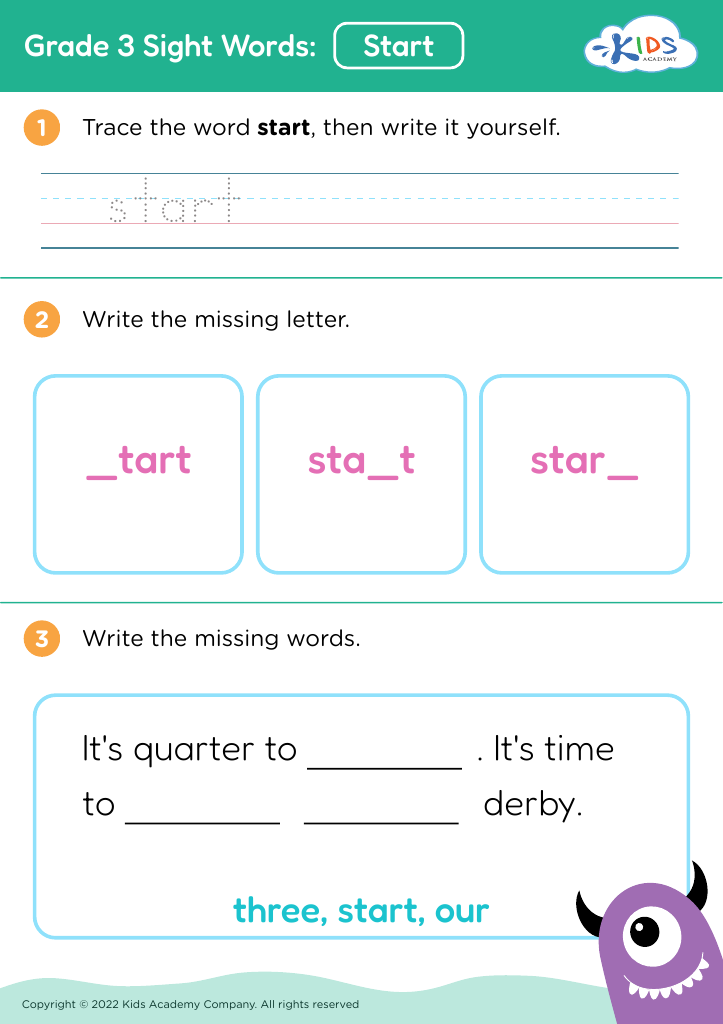
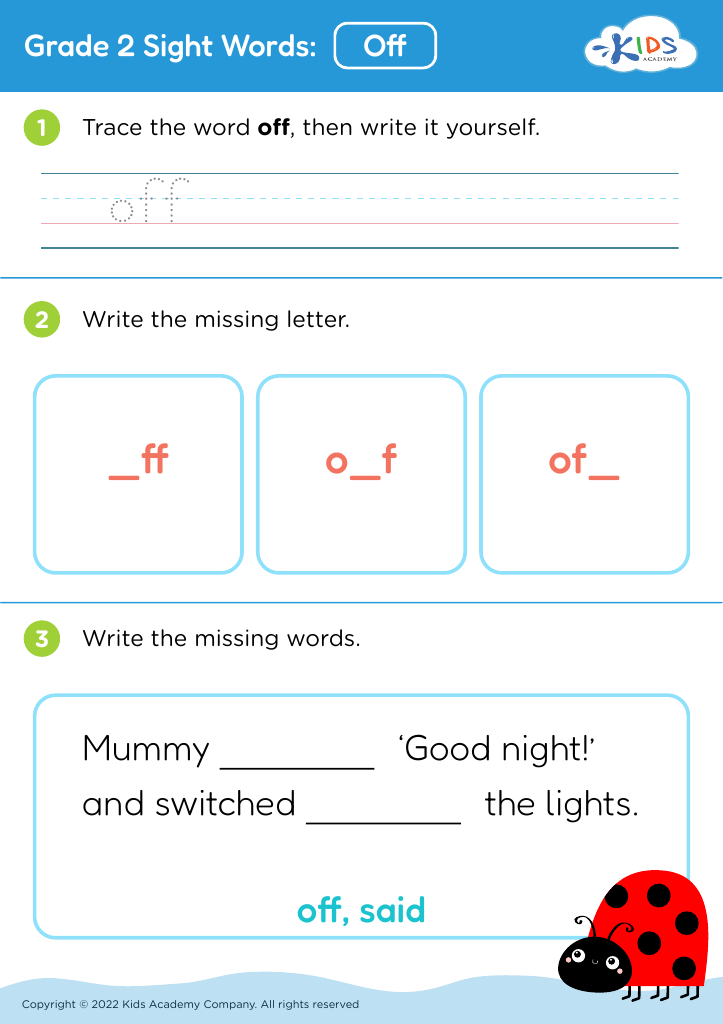







Numerical comparisons are an essential skill for children aged 7-8, serving as a foundation for more complex mathematical concepts. At this age, students transition from basic number recognition to understanding relationships between numbers, which paves the way for critical thinking and problem-solving abilities. Parents and teachers should care about this skill because it enhances a child’s ability to compare quantities, understand magnitude, and make informed decisions in daily life.
When children engage in numerical comparisons, they learn to recognize greater than, less than, and equal relationships. This skill is crucial in understanding concepts such as addition, subtraction, and later, multiplication and division. Moreover, fostering these comparisons supports cognitive development, helping children to make logical inferences and predictions based on quantitative data.
In practice, numerical comparisons encourage children to think critically—skills necessary not just in academics, but in real-life situations, such as budgeting, cooking, or evaluating choices. Encouraging discussions around these comparisons can promote collaboration and verbal fluency as children explain their reasoning. Overall, emphasizing numerical comparisons equips children with foundational skills they'll rely on throughout their education and life, ultimately fostering confidence and independence as learners.








