Problem-solving abilities Worksheets for Ages 7-8 - Page 2
43 filtered results
-
From - To
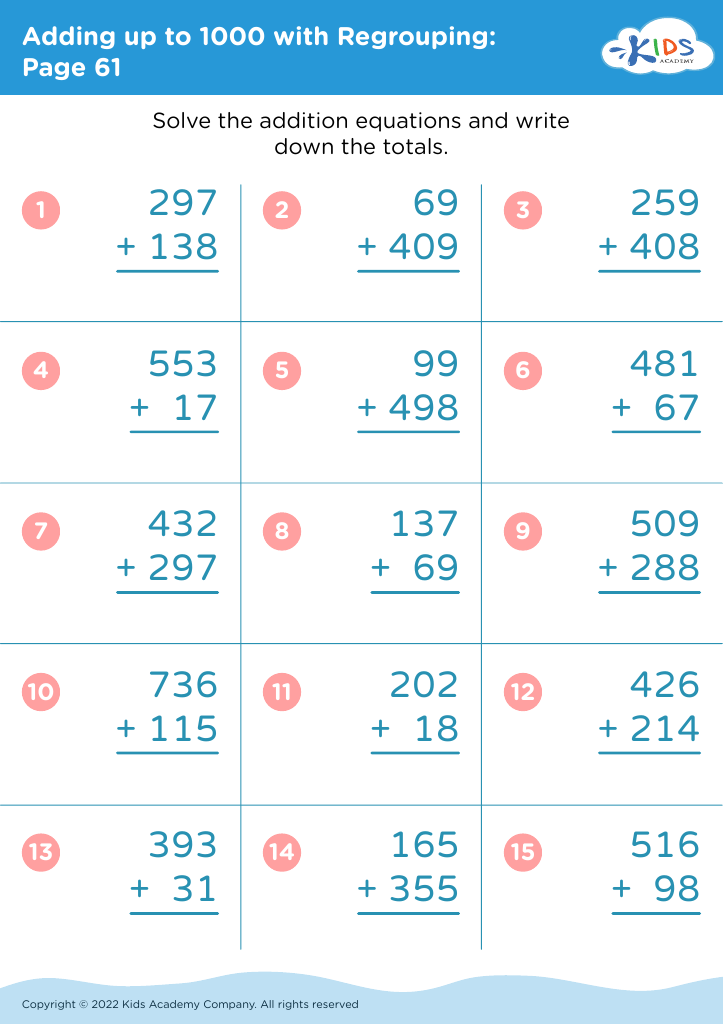
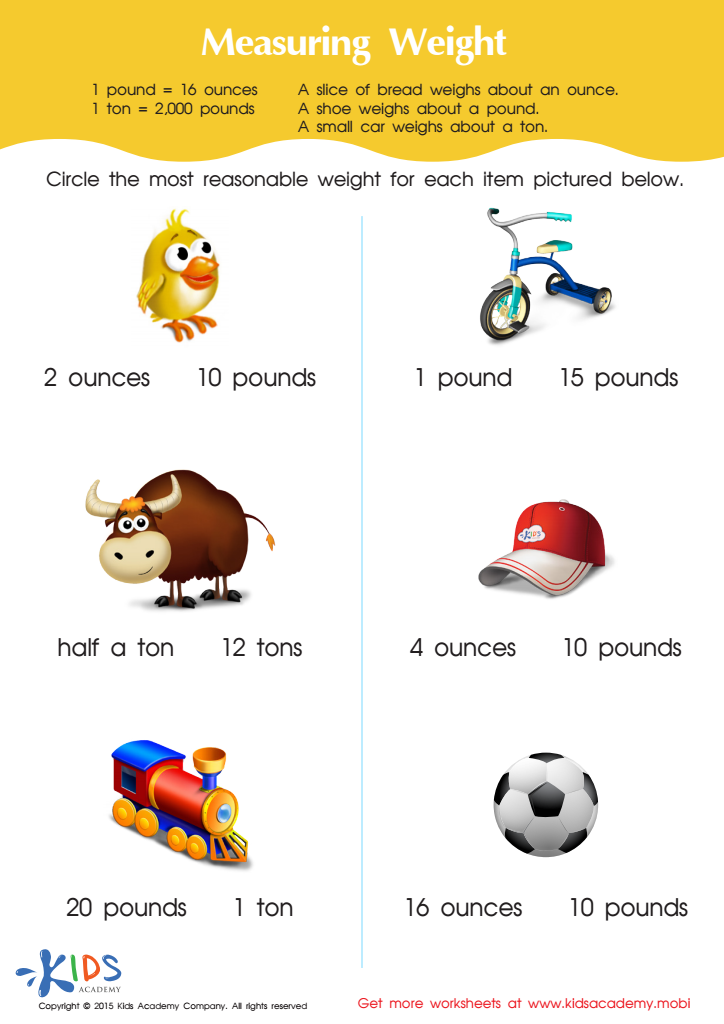
Measuring Weight in Ounces, Pounds and Tons (Part 2) Worksheet
 Assign to My Students
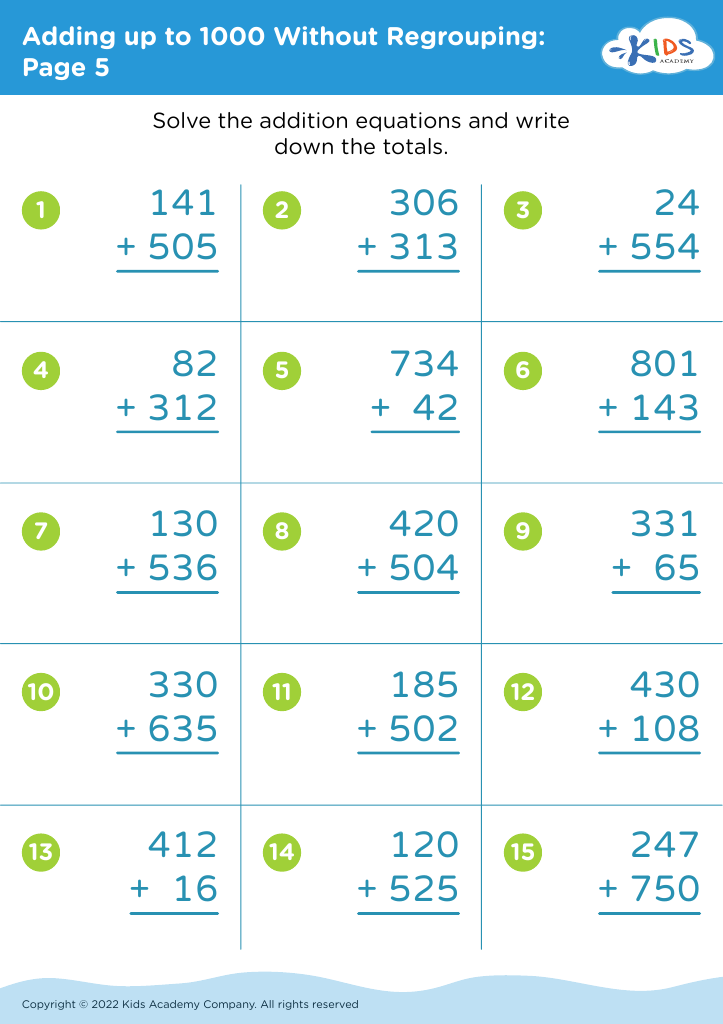
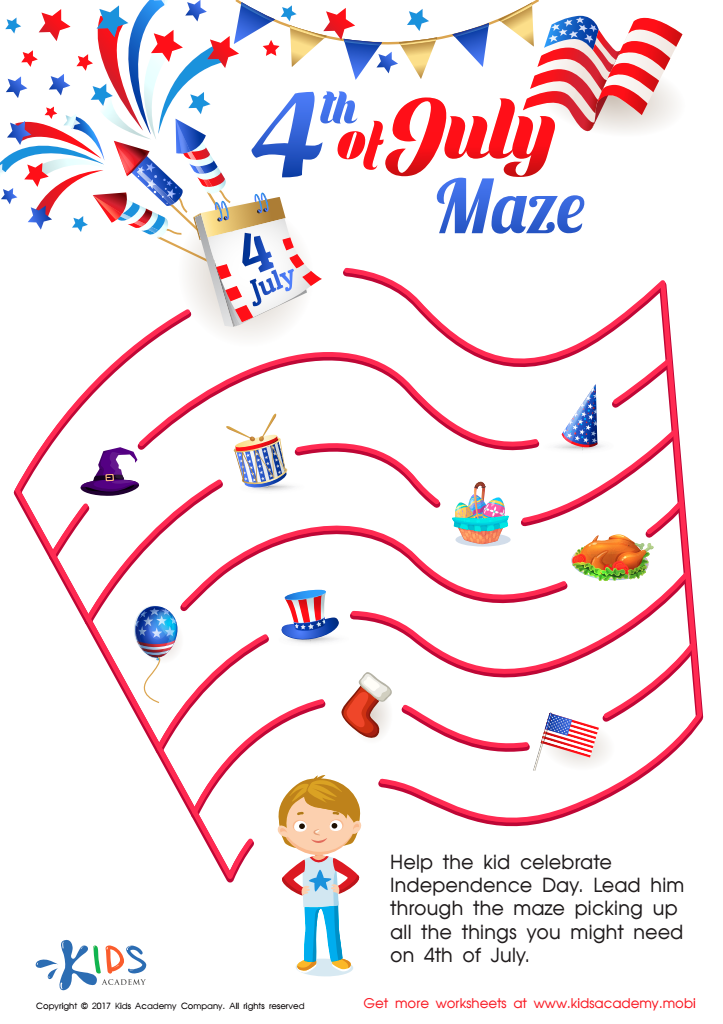
Fourth of July Maze Printable
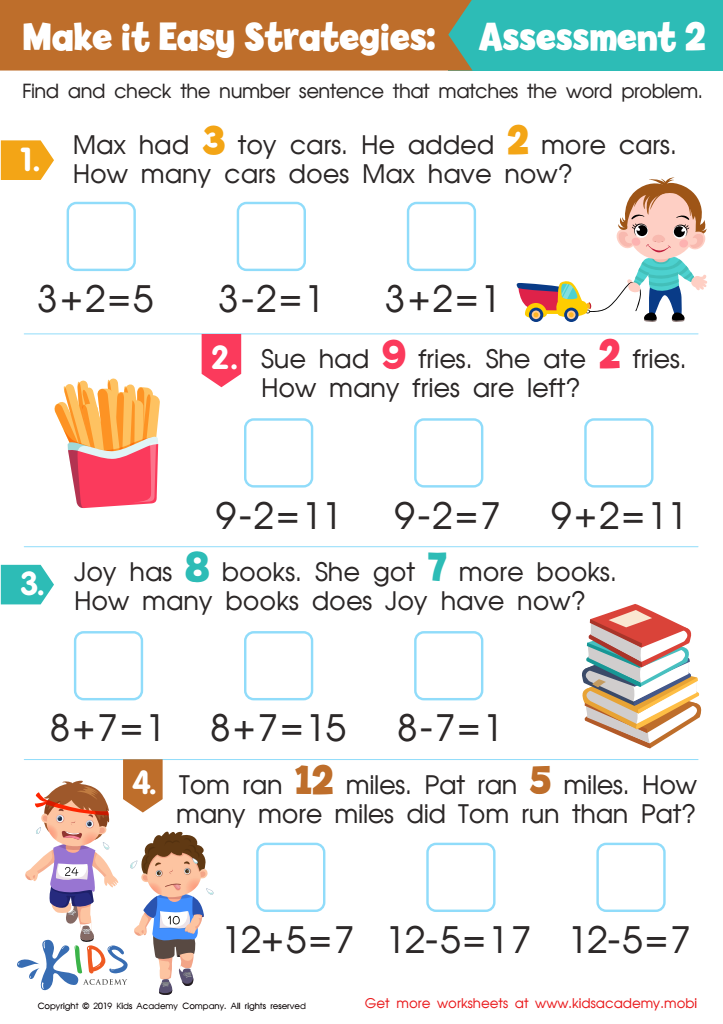
Make it Easy Strategies: Assessment 2 Worksheet
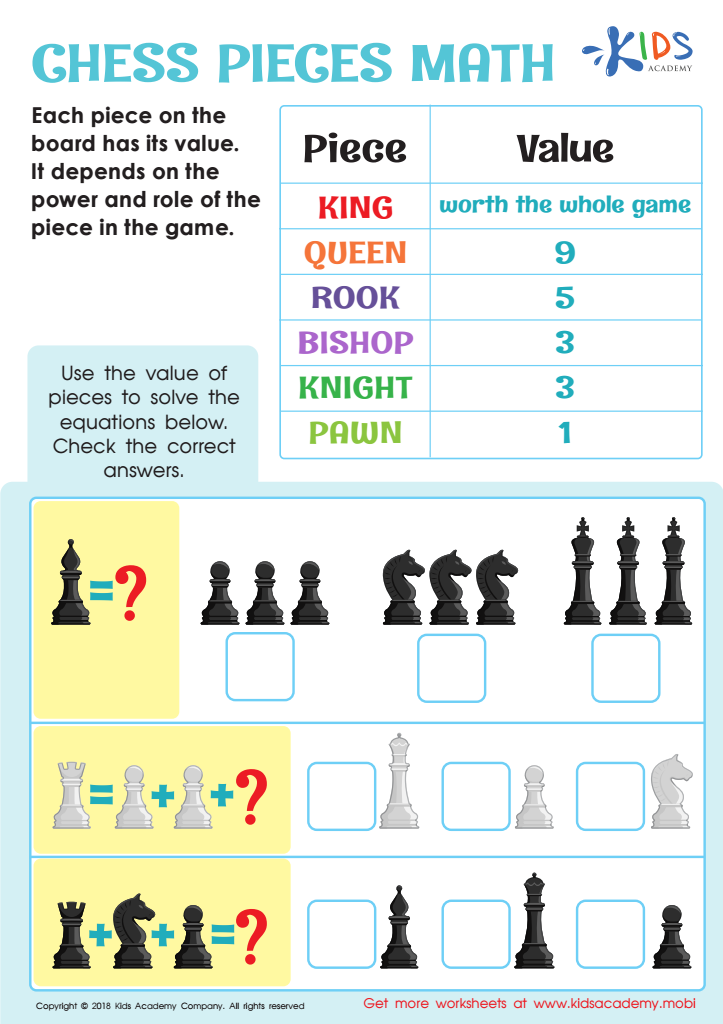
Chess Pieces Math Worksheet
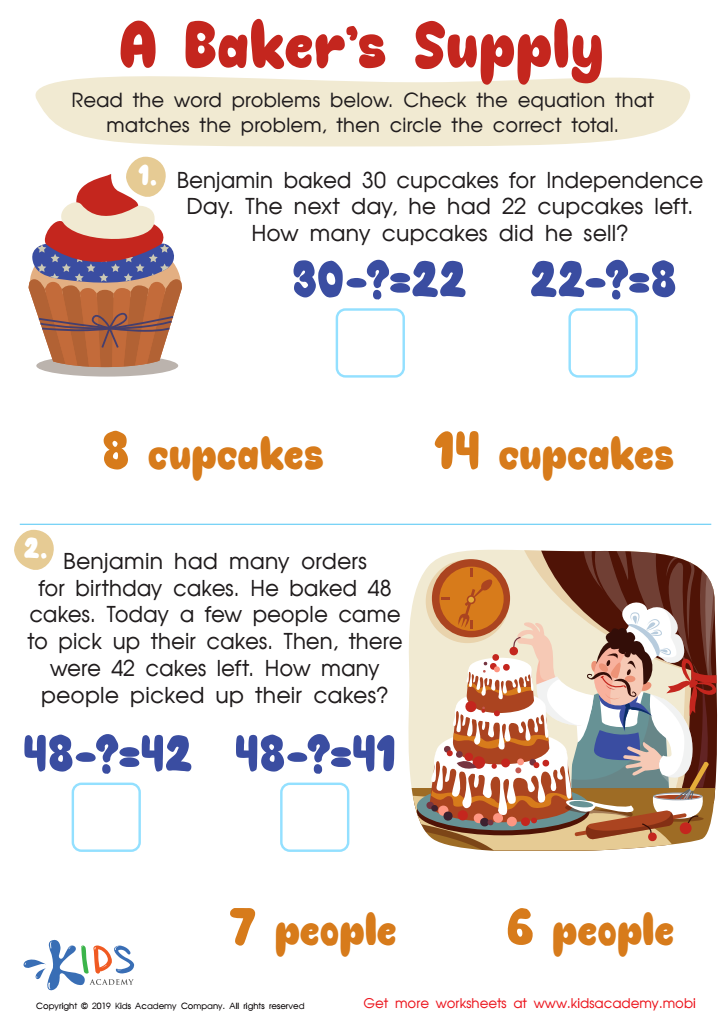
A Baker's Supply Worksheet
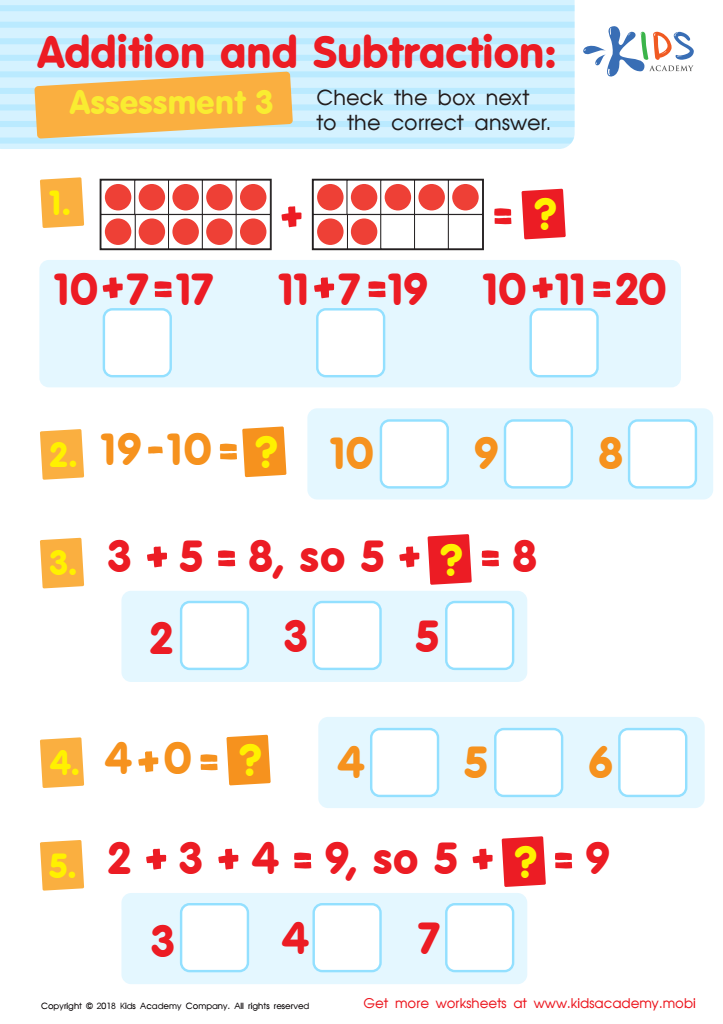
Addition and Subtraction Assessment 3 Worksheet
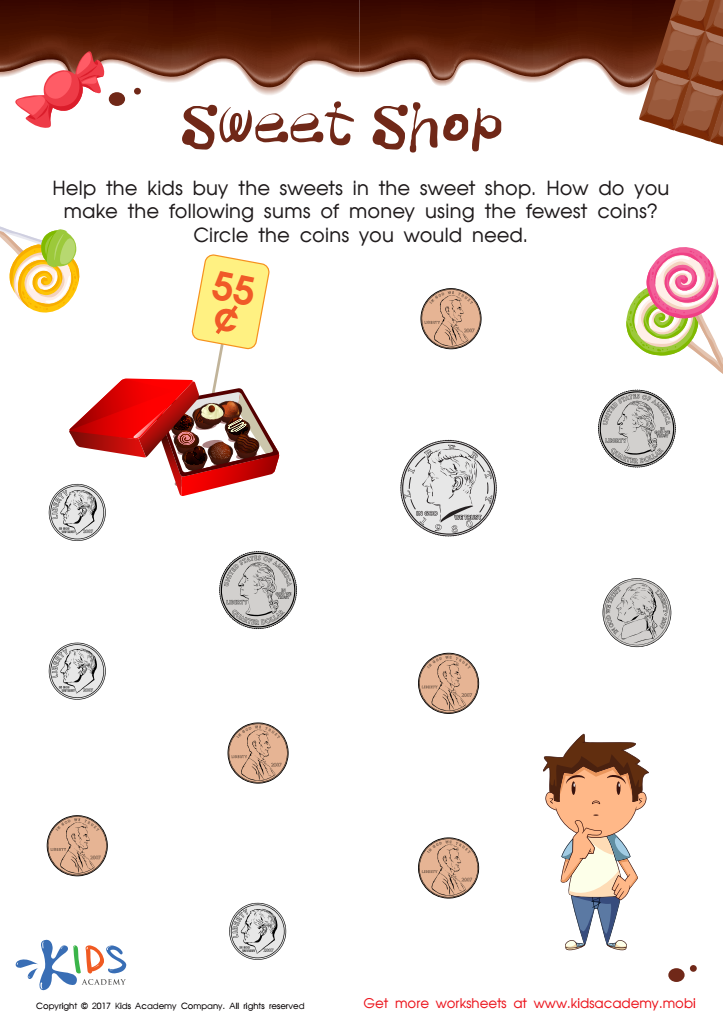
Sweet Shop – Counting Coins Worksheet
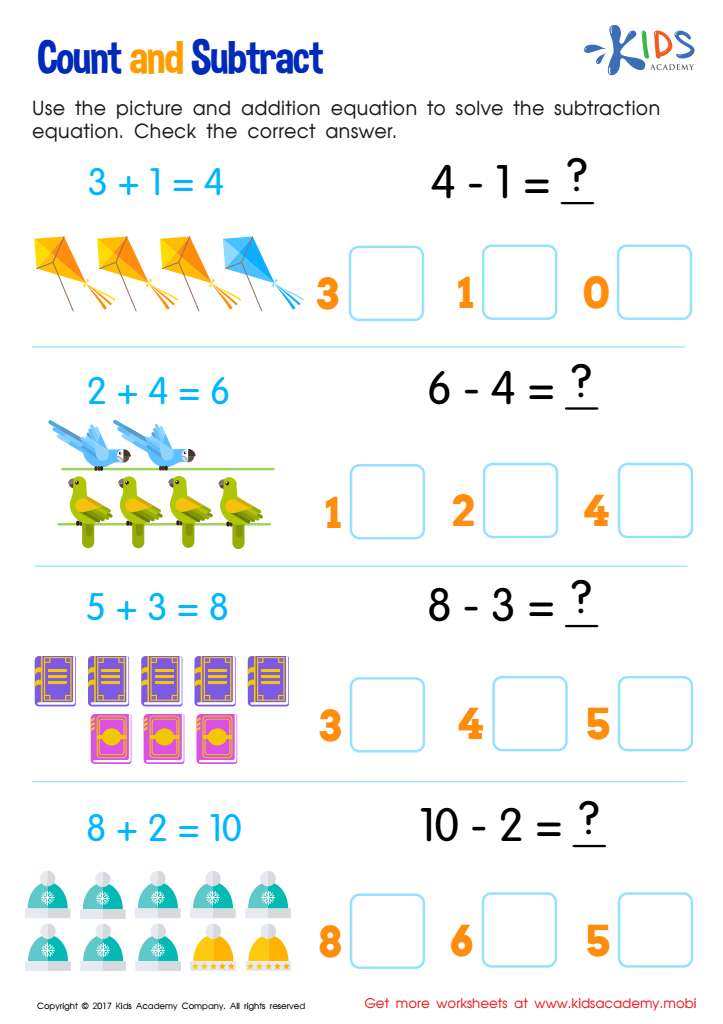
Count and Subtract Worksheet
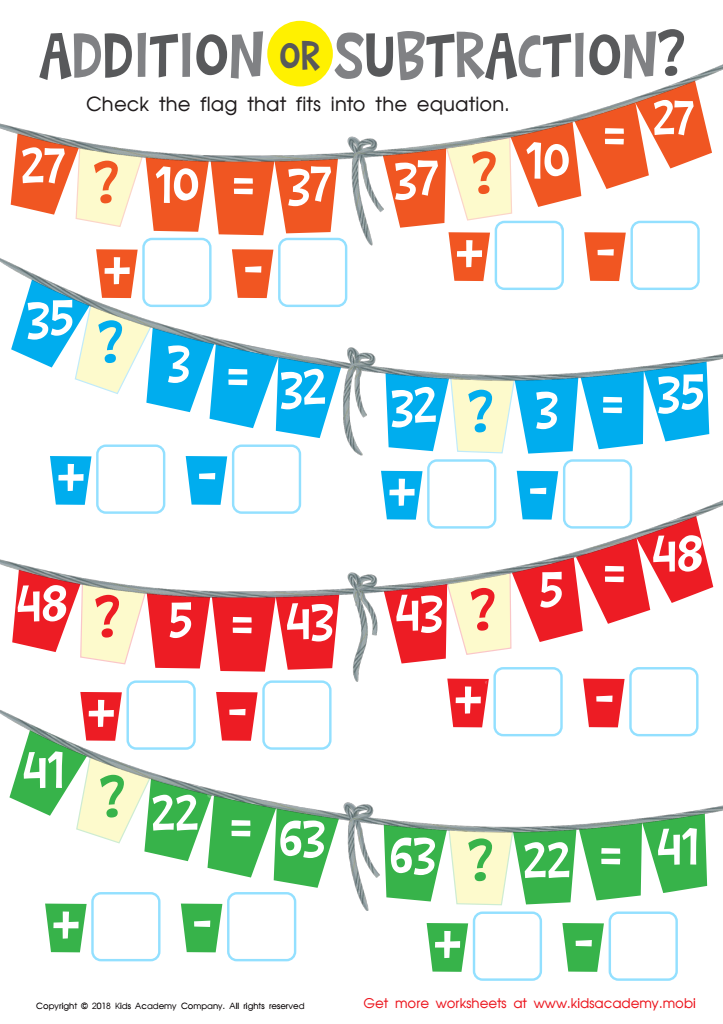
Addition or Subtraction? Worksheet
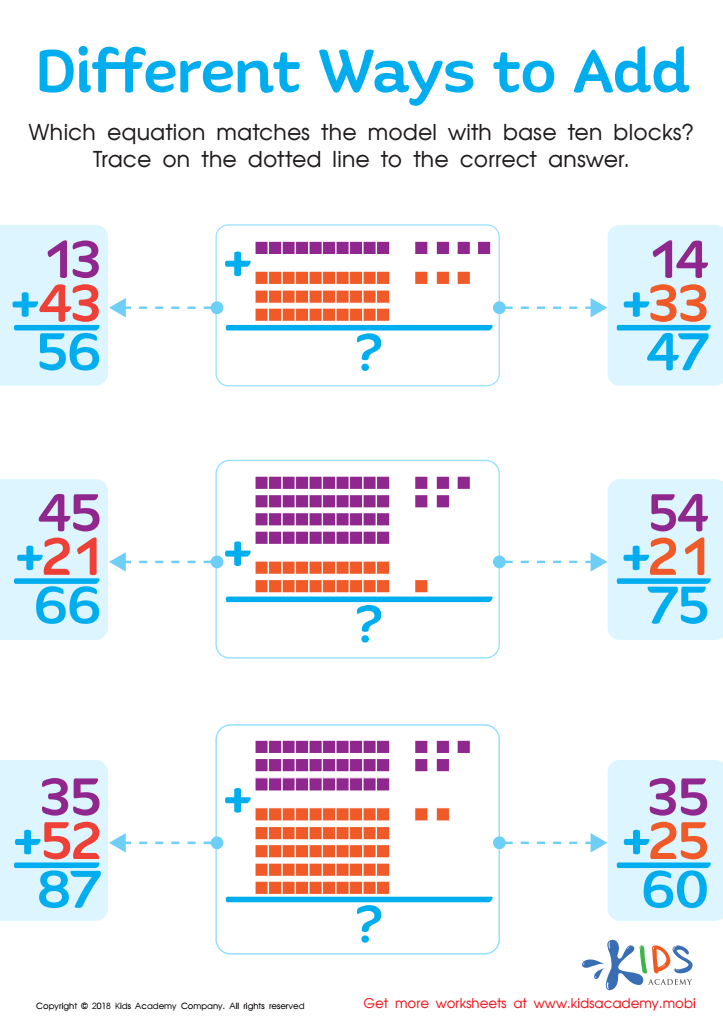
Different Ways to Add Worksheet
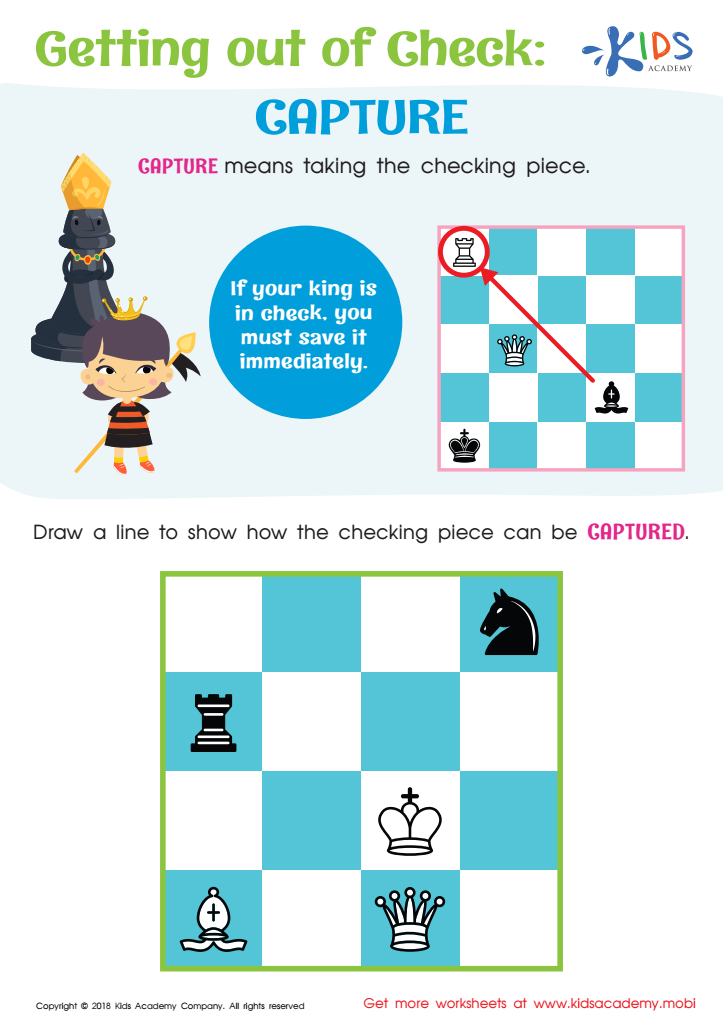
Getting out of Check: Capture
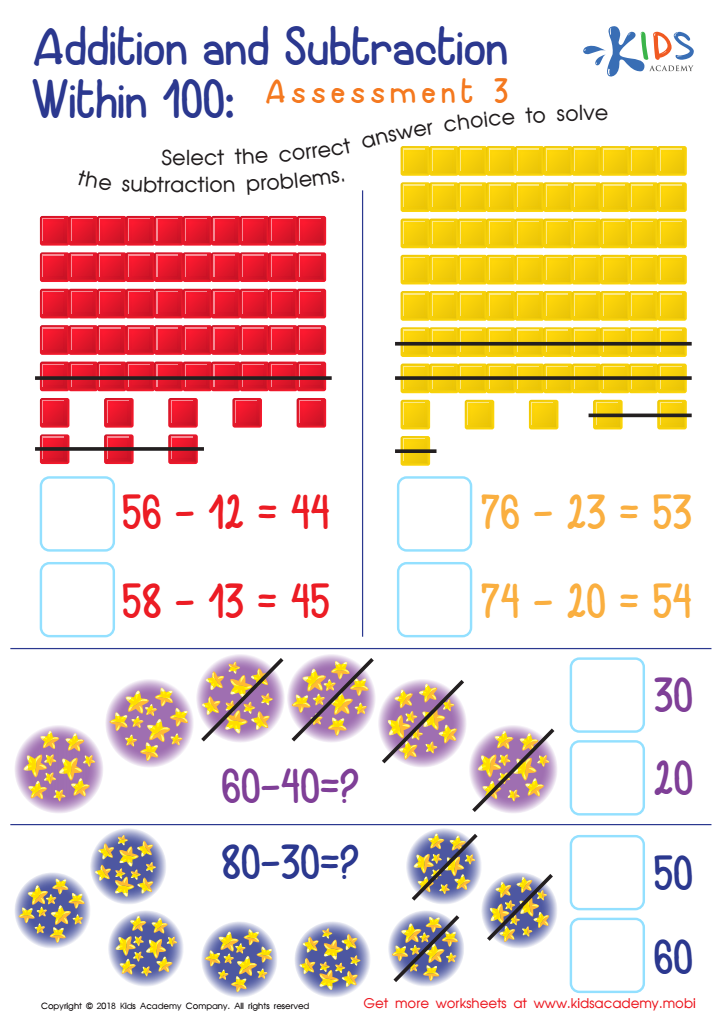
Addition and Subtraction Within 1: Assessment 3 Worksheet
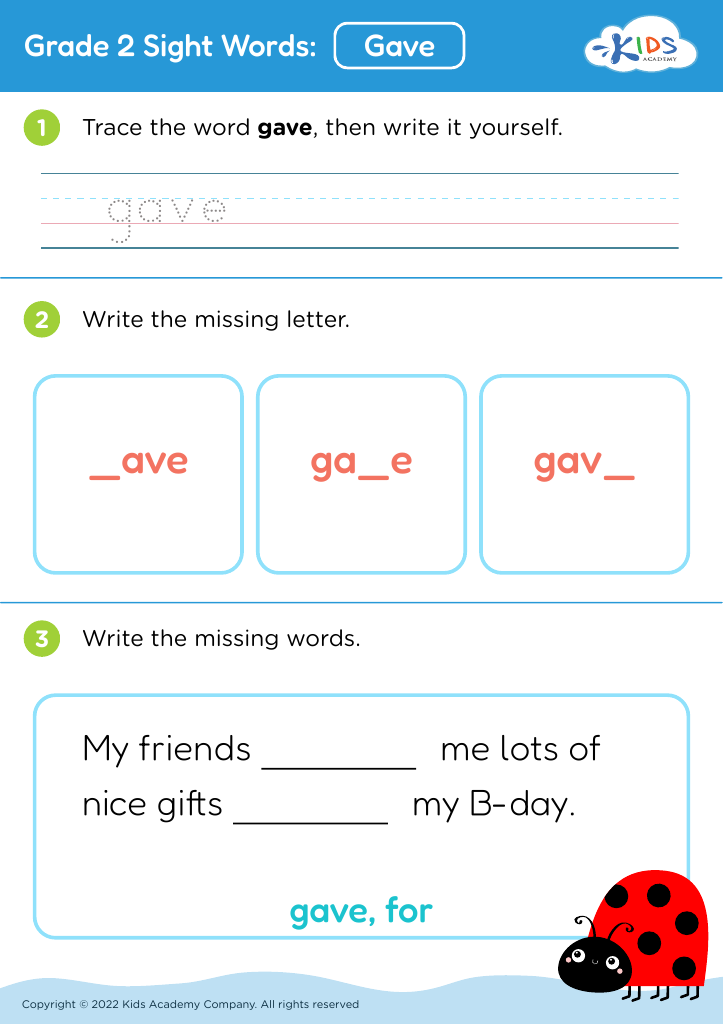







Problem-solving abilities are crucial for children aged 7-8 as they lay the foundation for academic success and personal development. At this age, children are transitioning from concrete thinking to more abstract reasoning. They encounter increasingly complex challenges in mathematics, science, and everyday life. Fostering strong problem-solving skills helps them approach these challenges with confidence, enabling them to construct logical strategies, evaluate various options, and derive solutions independently.
Furthermore, problem-solving enhances critical thinking and creativity, essential for navigating both academic pursuits and real-world scenarios. By promoting these abilities, parents and teachers not only prepare children for more advanced educational content but also equip them with essential life skills.
Additionally, children who develop strong problem-solving skills tend to become resilient, as they learn to face difficulties and setbacks without losing motivation. This resilience significantly contributes to their emotional intelligence and social interactions.
Incorporating problem-solving activities into everyday learning, whether through games, teamwork, or hands-on projects, can spark curiosity and maintain engagement. Thus, recognizing the importance of problem-solving capabilities for children ages 7-8 is vital for fostering an enriching learning environment that prepares them for future successes in school and life.








