Reading skills development Worksheets for Ages 7-8
6 filtered results
-
From - To
Elevate your child's reading abilities with our expertly crafted Reading Skills Development Worksheets for ages 7-8! Designed to engage young learners, these resources focus on improving comprehension, vocabulary, and critical thinking. Each worksheet is full of fun, educational activities that nurture a love for reading while advancing essential literacy skills. Perfect for both classroom use and at-home practice, our worksheets are aligned with educational standards to ensure your child receives the best support possible. Set your child on the path to success and confident reading with Kids Academy's premium worksheets!
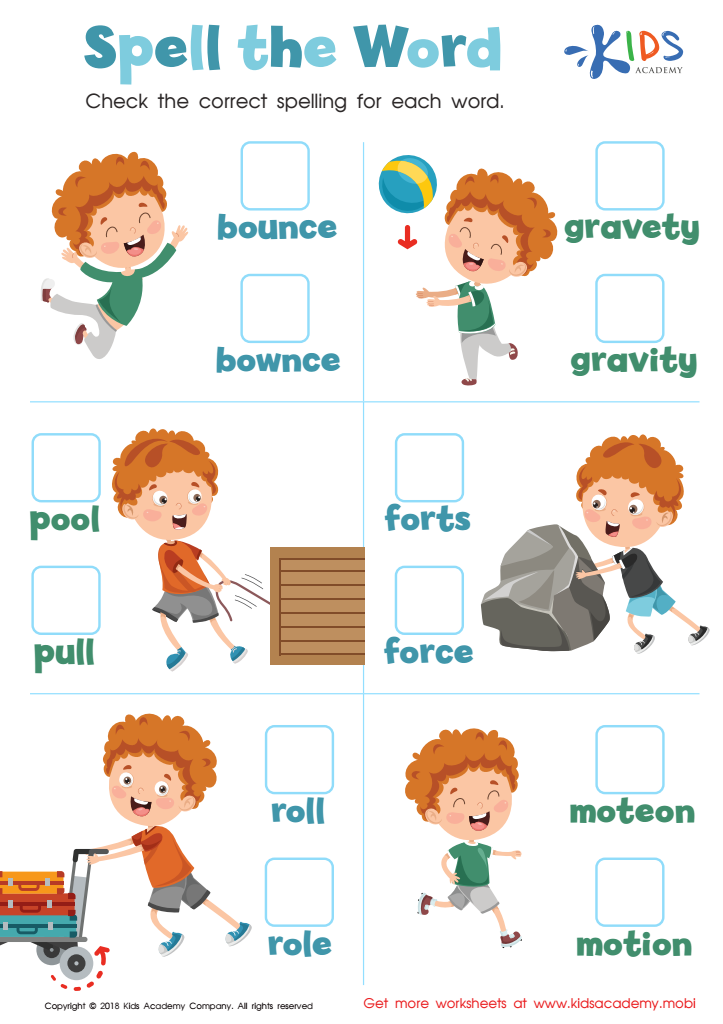
Spell the Word Worksheet
 Assign to My Students
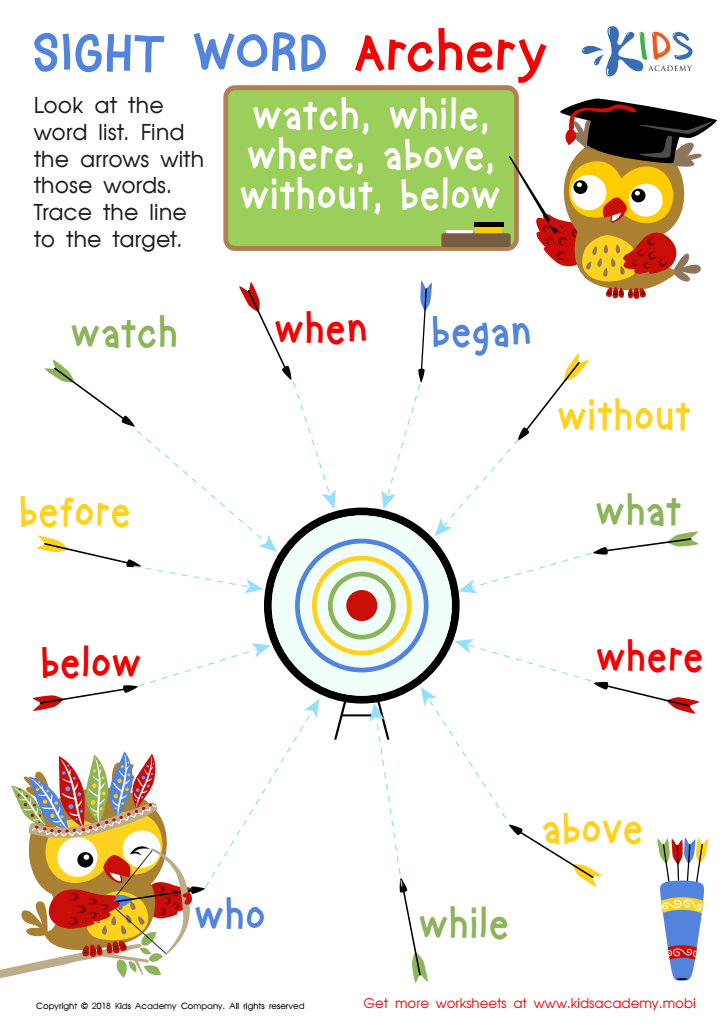
Sight Word Archery Worksheet
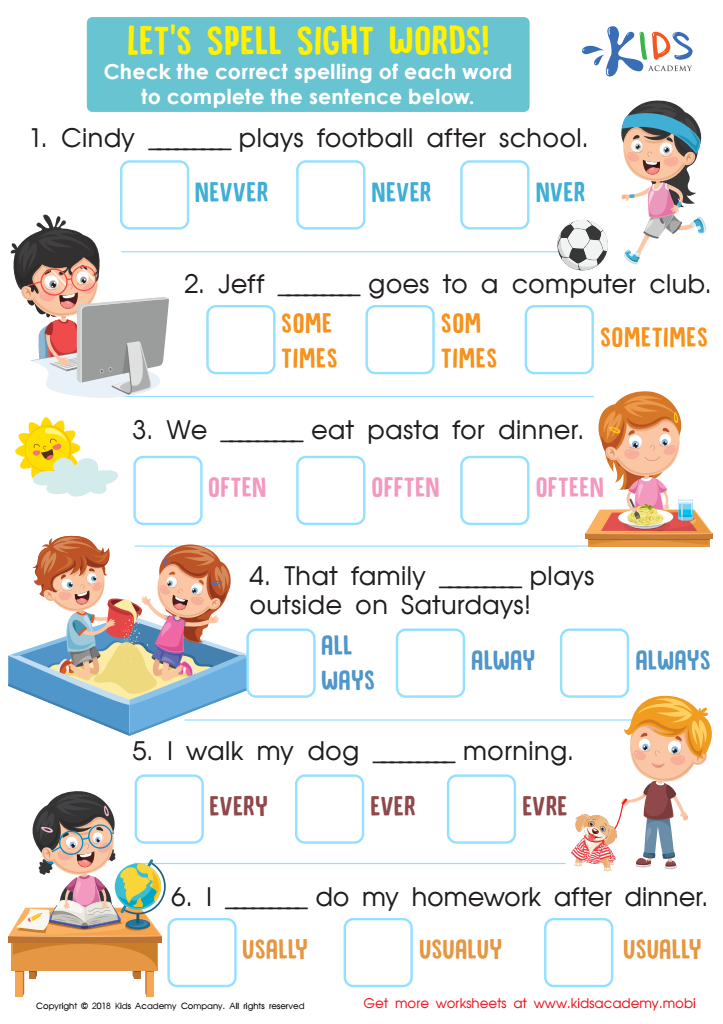
Let's Spell Sight Words Worksheet
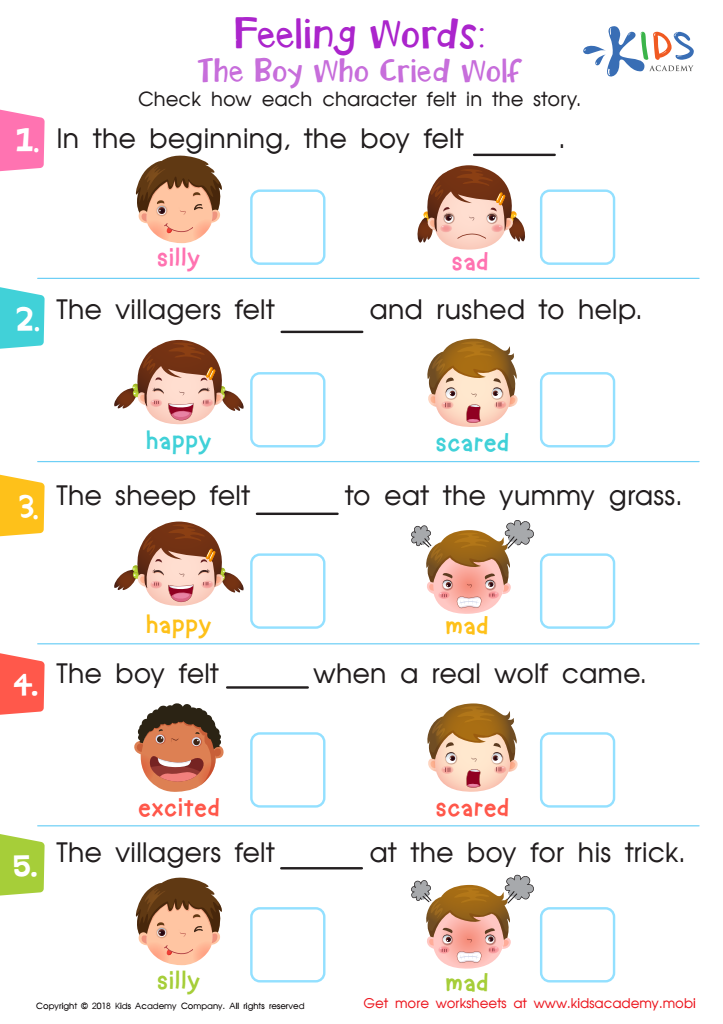
Feeling Words: The Boy Who Cried Wolf Worksheet
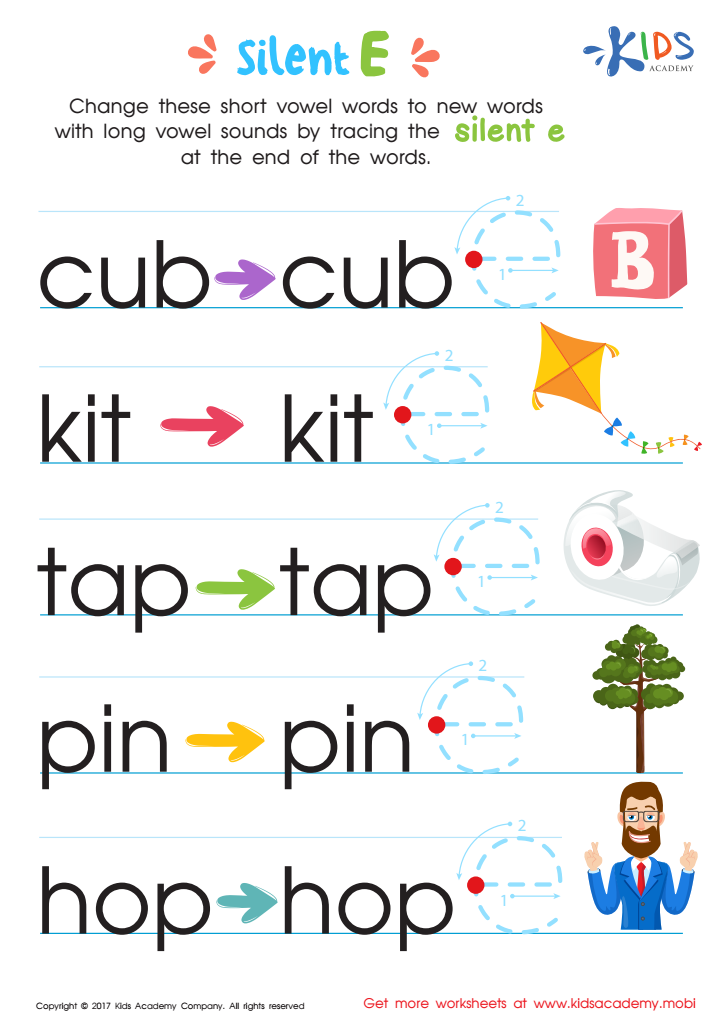
Silent E Words Worksheet
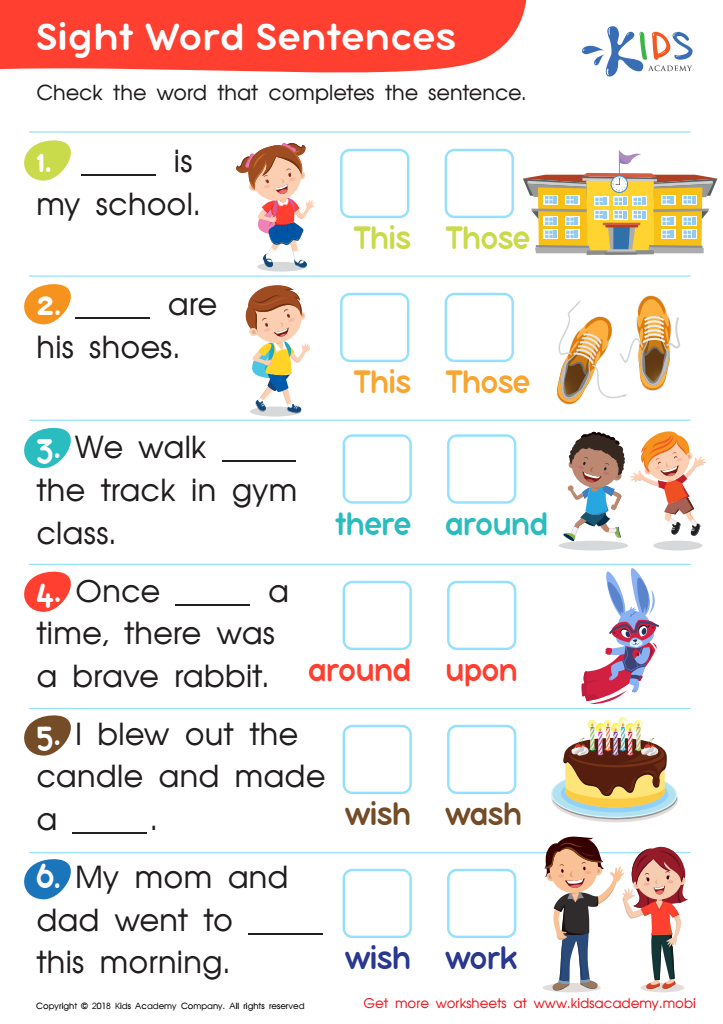
Sight Word Sentences Worksheet



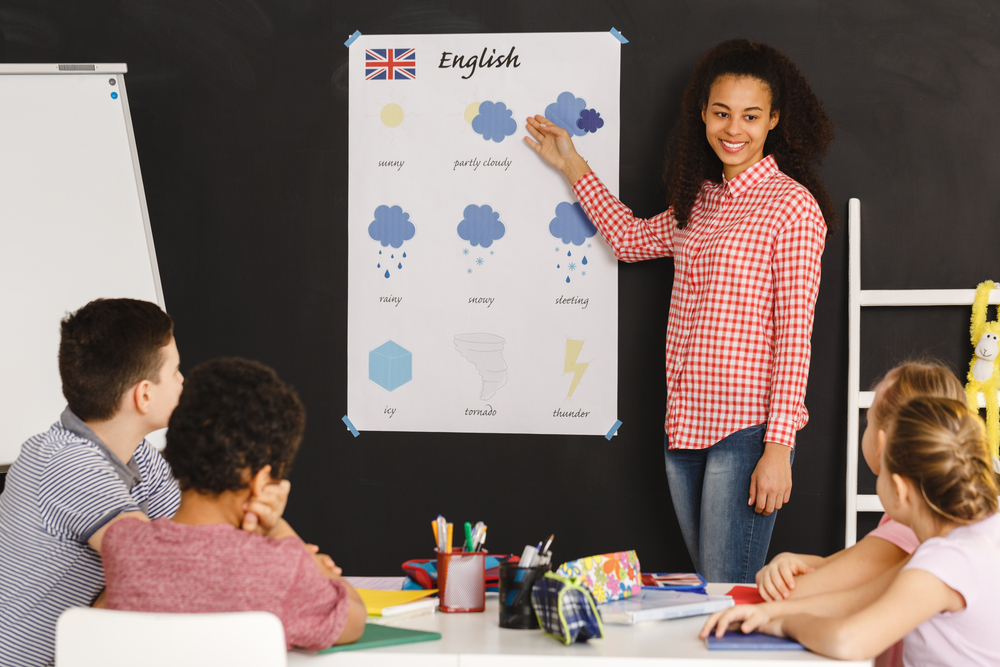




Reading skills development during the ages of 7-8 is critical as it lays the foundation for a child’s academic success and lifelong learning habits. At this stage, children transition from learning to read to reading to learn, meaning they use reading as a gateway to acquire new knowledge across subjects such as science, social studies, and math. Strong reading skills enhance comprehension, vocabulary, and critical thinking, enabling children to grasp complex concepts and instructions.
Moreover, reading proficiency fosters confidence and independence. A child who reads well can follow written instructions and engage with more intricate narratives and ideas, which builds self-assurance and encourages a love for learning. This period is also crucial for developing fluency, the ability to read smoothly and with expression, which is vital for understanding.
Additionally, reading opens opportunities for imaginative thinking and emotional development by exposing children to diverse perspectives and cultures through stories. It also enhances communication skills, both written and spoken, aiding social interaction and relationship building.
Parents and teachers should prioritize reading to ensure children are not only capable readers but also enthusiastic about the habit. Neglecting this aspect can impede a child's future academic progress and overall development, thus it is vital to foster a strong reading foundation during these formative years.








