
Recognition skills Worksheets for Ages 7-8
3 filtered results
Difficulty Level
Grade
Age
-
From - To
Subject
Activity
Standards
Enhance your child's recognition skills with our engaging worksheets designed for ages 7-8! At Kids Academy, we offer a variety of printable resources that focus on developing essential recognition abilities, including letter, number, shape, and color identification. These worksheets are tailored to keep young learners motivated and interested, combining fun activities with educational value. Perfect for home or classroom use, our materials support children’s cognitive development while making learning enjoyable. Browse our collection today and help your child build a strong foundation in recognition skills, essential for their future academic success! Download now and watch them thrive!
Favorites
With answer key
Interactive
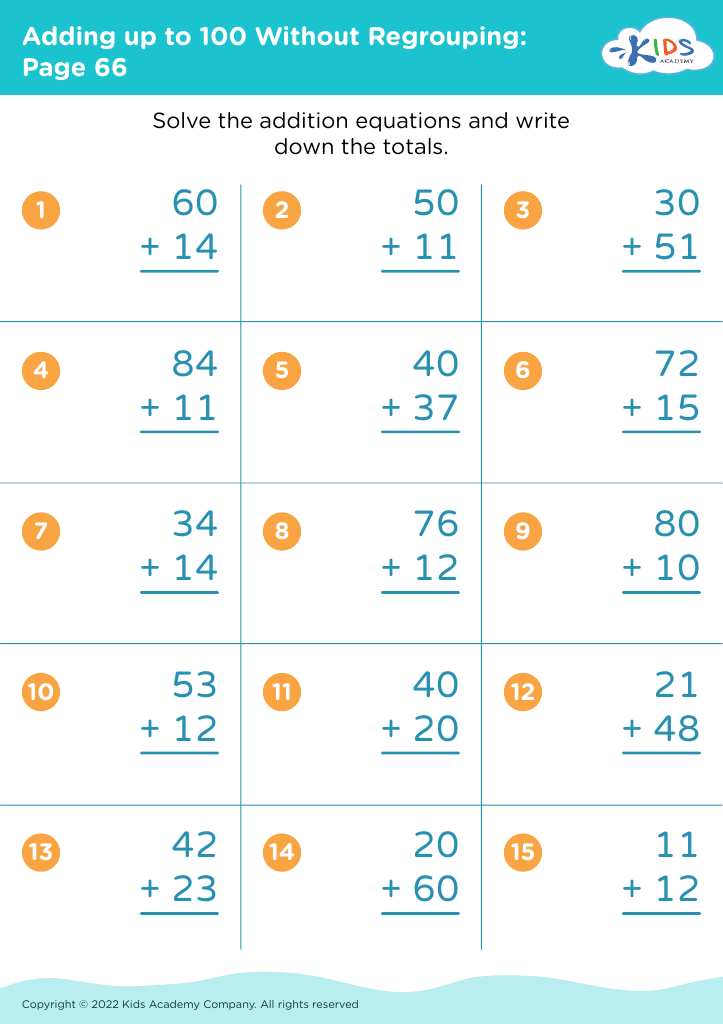
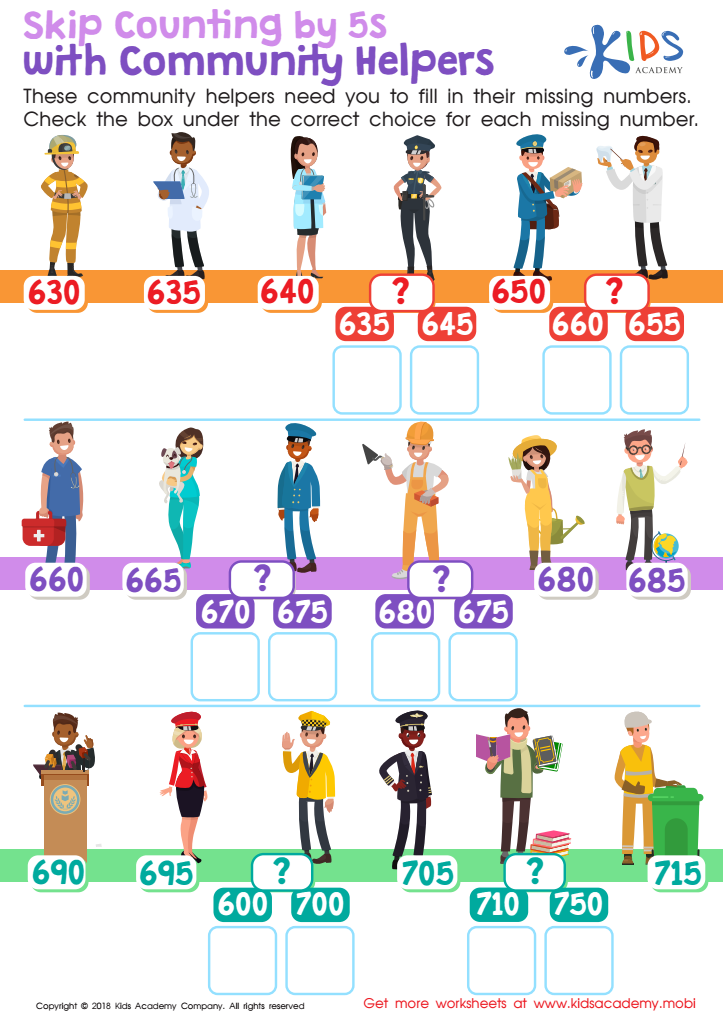
Skip Counting by 5s With Community Helpers Worksheet
This free worksheet combines social studies with math! Kids will practice counting by 5s, rounding numbers and honing their computation skills while also familiarizing themselves with community helpers. Develop your child's number sense and strengthen their math skills - all through a fun and interactive activity.
 Assign to My Students
Skip Counting by 5s With Community Helpers Worksheet
Worksheet
Join Kids Academy for Free
Who is primarily going to use this learning content?


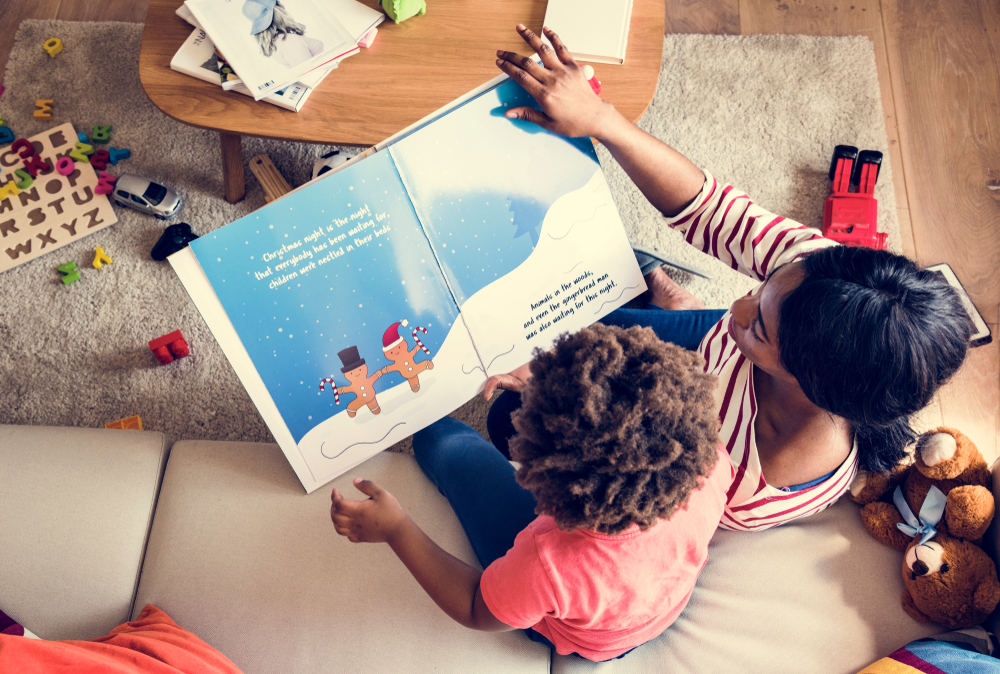


Recognition skills are crucial for children ages 7-8, as they form the foundation for various aspects of academic and social development. At this stage, children are increasingly engaged with reading, writing, and comprehension. Recognizing letters, words, symbols, and patterns not only enhances reading fluency but also supports vocabulary expansion and comprehension skills. When children master recognition skills, they become more confident readers, which can lead to improved academic performance across subjects.
Moreover, recognition skills extend beyond literacy; they are vital for social interaction. Kids must recognize social cues, emotions, and gestures in their peers to build healthy relationships and navigate group dynamics effectively. These skills assist in fostering empathy and understanding, fostering wonderful peer interactions and collaborative skills.
Parents and teachers should care about these skills, as they are intertwined with a child's self-esteem and motivation to learn. Providing opportunities for practice through engaging activities—like reading games, puzzles, and group discussions—facilitates development in recognition skills. As this age group approaches more complex learning, establishing a strong basis in recognition equips them for future success, paving their way into higher education and personal growth. Supporting these skills fosters well-rounded children who are capable of thriving academically and socially.








