Recognize numbers Worksheets for Ages 7-8
3 filtered results
-
From - To
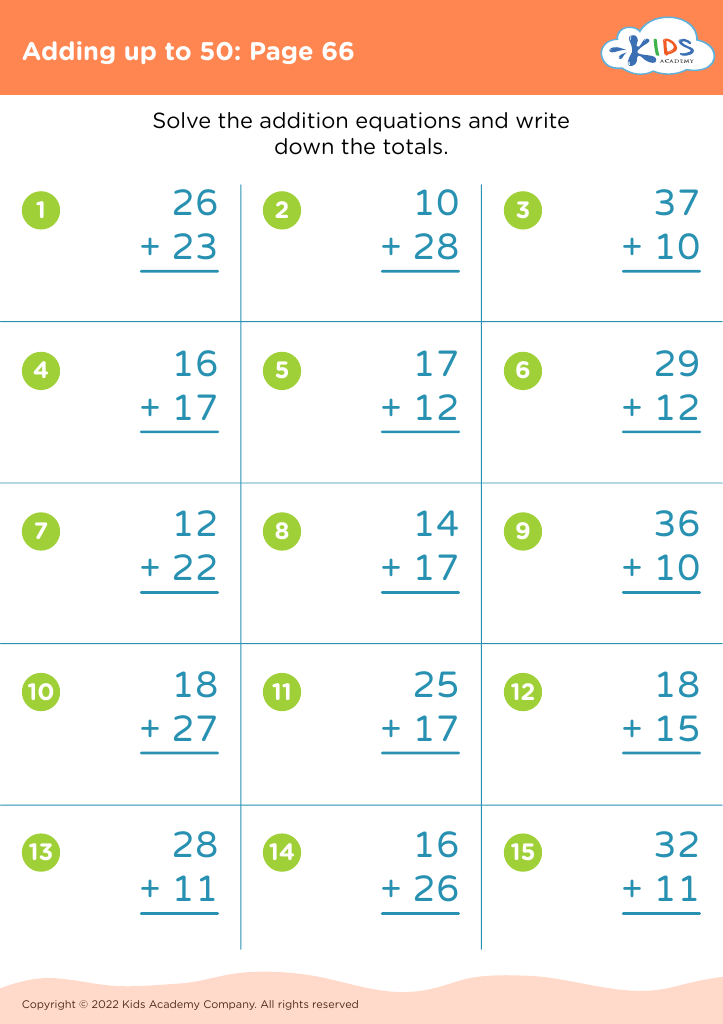
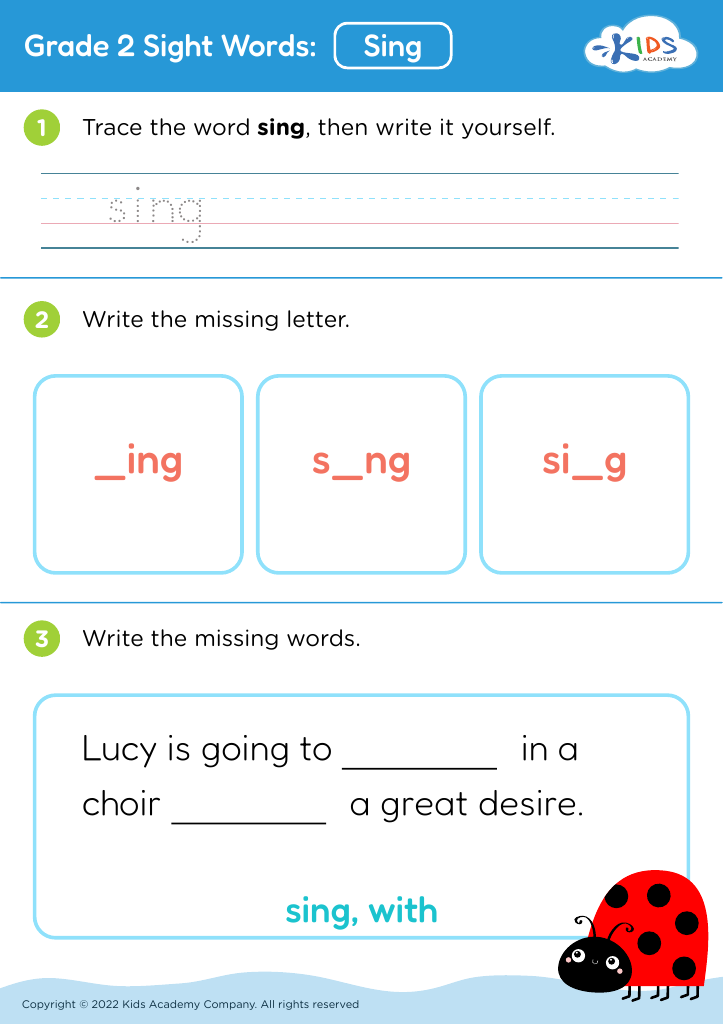
Discover our engaging "Recognize Numbers Worksheets for Ages 7-8", designed to enhance your child’s numeracy skills through fun activities. These carefully crafted worksheets focus on helping learners identify, understand, and interpret numbers in various contexts. Featuring colorful illustrations and interactive tasks, children will enjoy exercises that encourage counting, number matching, and simple arithmetic. Our curriculum-aligned resources not only reinforce essential math skills but also boost confidence as your child progresses. Perfect for home schooling or supplementary activities, these worksheets make learning numbers enjoyable and effective. Explore the collection today and support your child’s numerical journey with vibrant, educational resources!
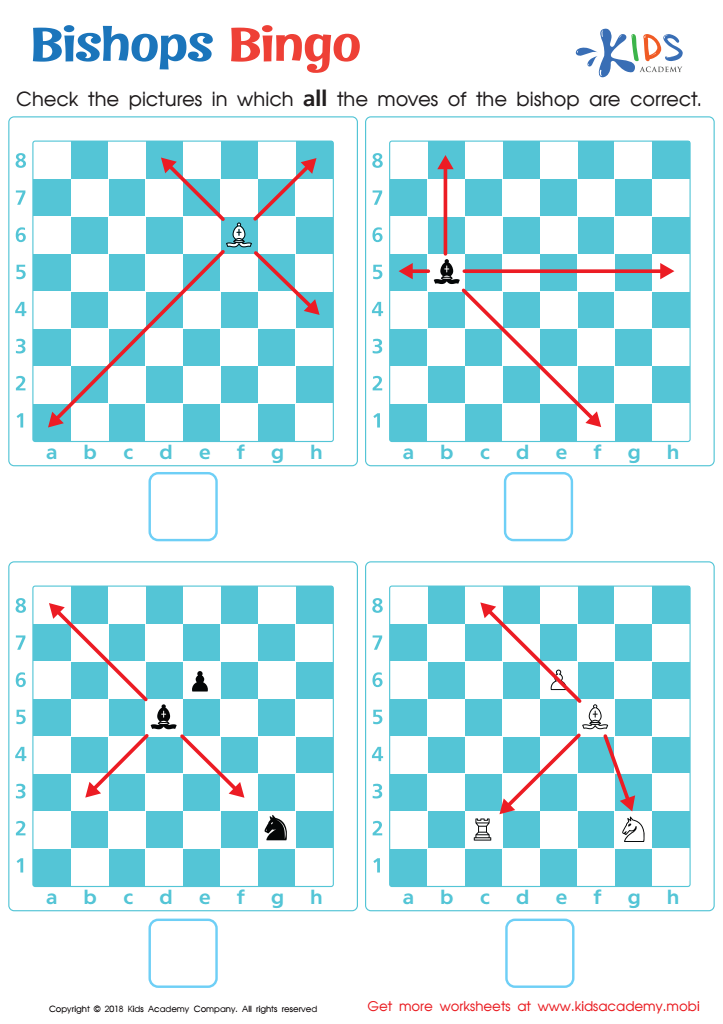
Bishops Bingo Worksheet






Recognizing numbers is a foundational skill for children aged 7-8, crucial for their overall academic development and daily life applications. At this age, children transition from basic counting to more complex mathematical concepts, including addition, subtraction, and the beginnings of multiplication and division. An early and strong understanding of number recognition sets the groundwork for mathematical literacy, which is essential for success in future math courses.
Furthermore, number recognition helps children make sense of their environment. It aids in telling time, reading dates, and managing money, promoting independence. Teachers and parents play a vital role in reinforcing number recognition through engaging activities such as games, songs, and hands-on learning experiences. This playful engagement not only makes learning enjoyable but also enhances cognitive skills, critical thinking, and problem-solving abilities.
Additionally, early interventions can identify and address any learning difficulties. Children who grasp number recognition are more likely to develop confidence in their math skills, influencing their attitudes towards learning. By prioritizing number recognition in everyday activities, parents and teachers can foster a positive learning experience, promoting both academic success and real-world application. Ultimately, investing in this skill lays the foundation for lifelong learning and financial literacy.








