Science vocabulary expansion Worksheets for Ages 7-8
3 filtered results
-
From - To
Empower young learners with our Science Vocabulary Expansion Worksheets tailored for ages 7-8. Designed to stimulate curiosity and improve scientific literacy, these engaging worksheets cover a variety of essential topics like ecosystems, weather, and the human body. Each activity is crafted to reinforce core concepts, enrich vocabulary, and foster a love for science. Ideal for home practice or classroom use, these worksheets are the perfect resource to ignite imagination and encourage critical thinking skills. Help your 7 to 8-year-olds build a solid foundation in science with our fun and educational worksheets. Start your young scientists’ journey today!
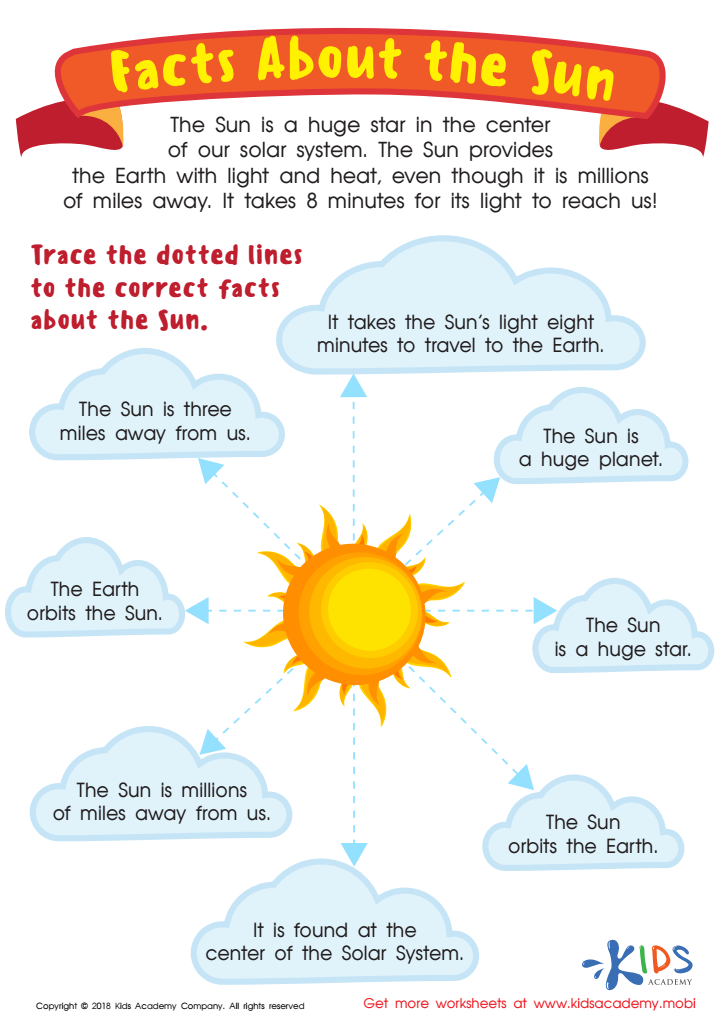
Facts About the Sun Worksheet
 Assign to My Students
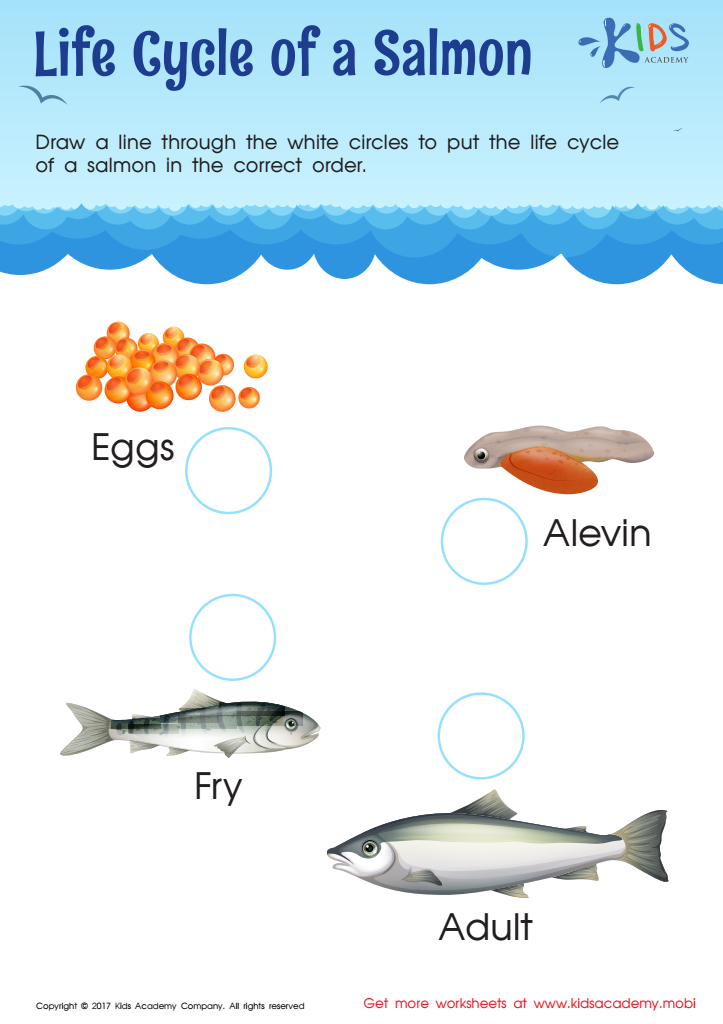
Cycle Of Salmon Worksheet
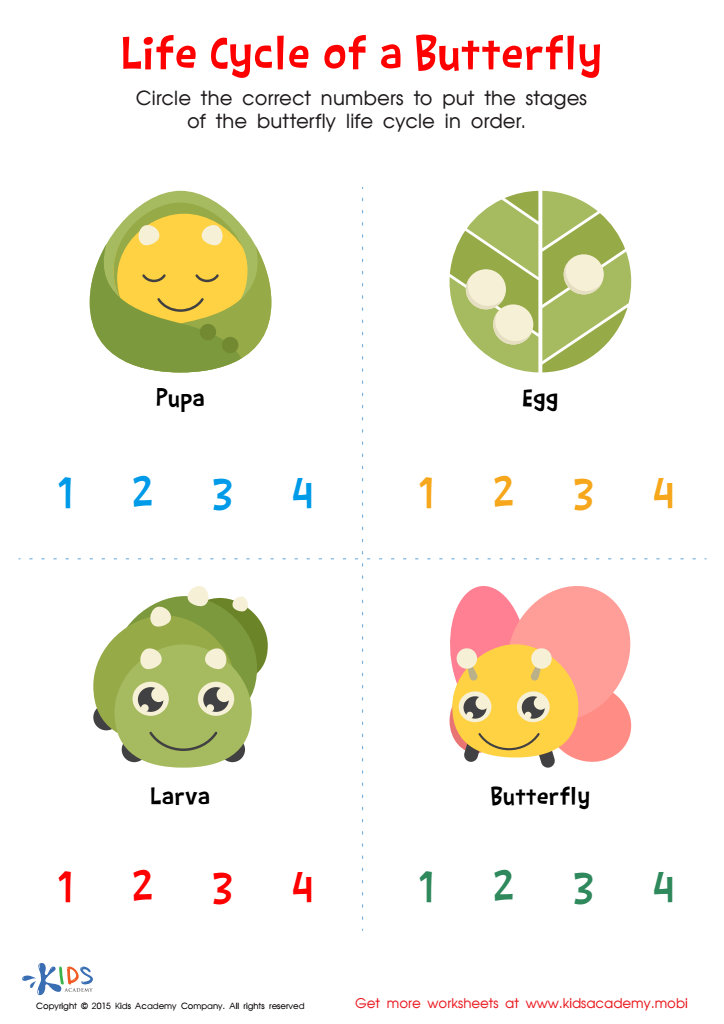
Life Cycle of Butterfly Printable







Expanding science vocabulary for children aged 7-8 is crucial as it lays the foundational blocks for their future learning across all subjects. At this developmental stage, young minds are incredibly receptive to new information, and their capacity for absorbing language is at its peak. Understanding and using precise scientific terms become essential for building cognitive skills, which directly impact their ability to grasp complex concepts later on.
Introducing science vocabulary helps spark a child's natural curiosity about the world. Words like "evaporation," "photosynthesis," or "gravity" open doors to exciting new phenomena they encounter every day, making them more engaged and eager to explore. As children grasp these terms, they develop better problem-solving skills and analytical thinking.
Furthermore, having a solid vocabulary base enhances academic performance. It improves comprehension skills and cultivates more effective communication, both critical for success in school. Fostering a rich scientific vocabulary also builds confidence, encouraging children to participate in discussions and demonstrate knowledge without hesitation.
Finally, we live in an era driven by science and technology. Early exposure to science vocabulary not only prepares children for future academic subjects but also equips them with the tools to thrive in an increasingly science-oriented world. Thus, parents and teachers significantly shape a brighter, more informed future by prioritizing vocabulary expansion.








