
Sequencing skills improvement Worksheets for Ages 7-8
3 filtered results
Difficulty Level
Grade
Age
-
From - To
Subject
Activity
Standards
Boost your child's sequencing skills with our targeted worksheets designed for ages 7-8! These engaging activities help children master the ability to arrange events, ideas, and objects in a logical order, enhancing critical thinking and comprehension. Ideal for classroom use or at-home learning, our worksheets feature vibrant illustrations and fun scenarios that captivate young minds. As students progress through various levels of difficulty, they develop essential skills for reading, writing, and problem-solving. Download our sequencing skills improvement worksheets today and watch your child's confidence soar as they sharpen their logical reasoning and organizational abilities! Perfect for young learners eager to succeed!
Favorites
With answer key
Interactive
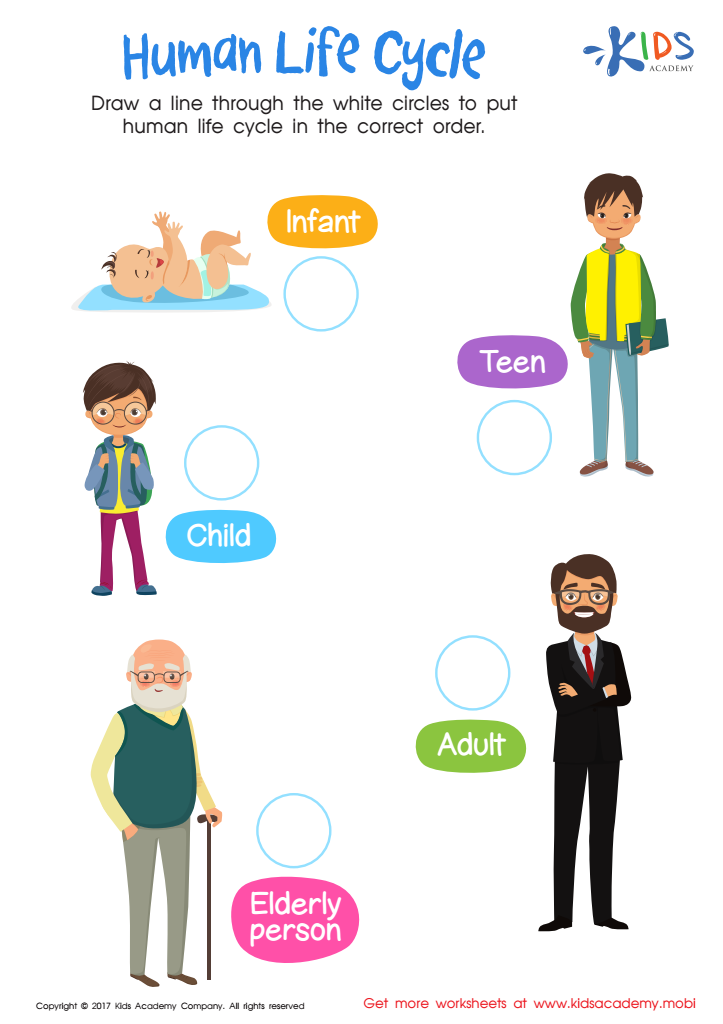
Human Life Cycle Worksheet
Kids can use this PDF to gain an understanding of their life cycle and important health concepts. It features colorful graphics to help solidify their learning.
 Assign to My Students
Human Life Cycle Worksheet
Worksheet
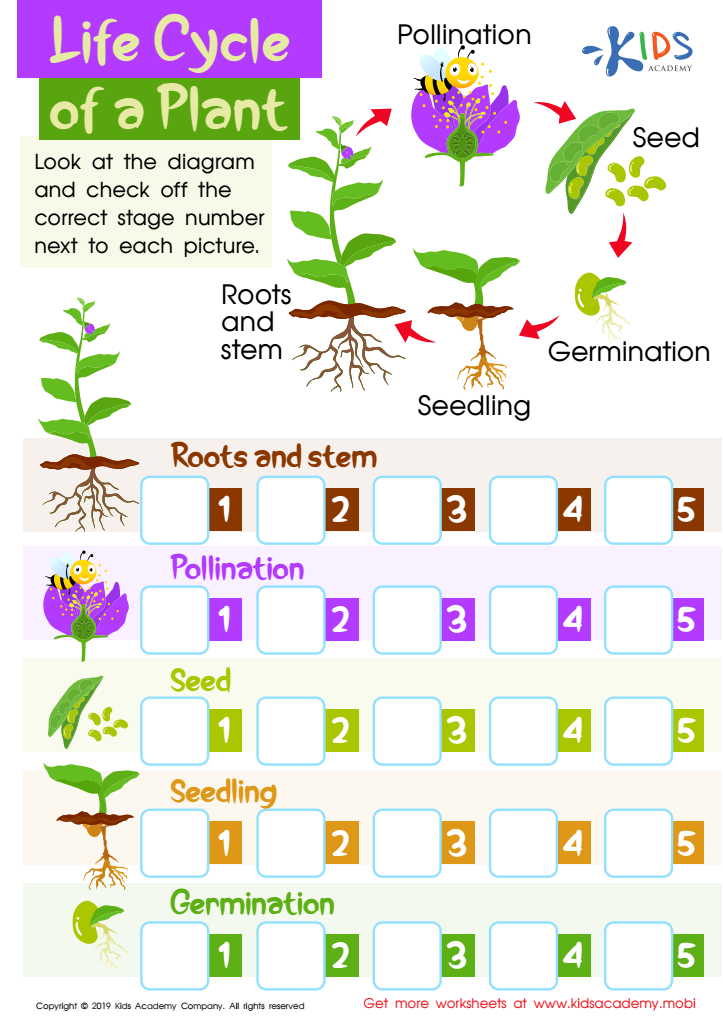
Life Cycle of a Plant Worksheet
This fun PDF worksheet lets young scientists explore the life cycle of plants. It features pictures to describe each stage: pollination, seed, germination, seedling, rooting and stems. They can check off each stage in the diagram, giving them a concrete understanding.
Life Cycle of a Plant Worksheet
Worksheet
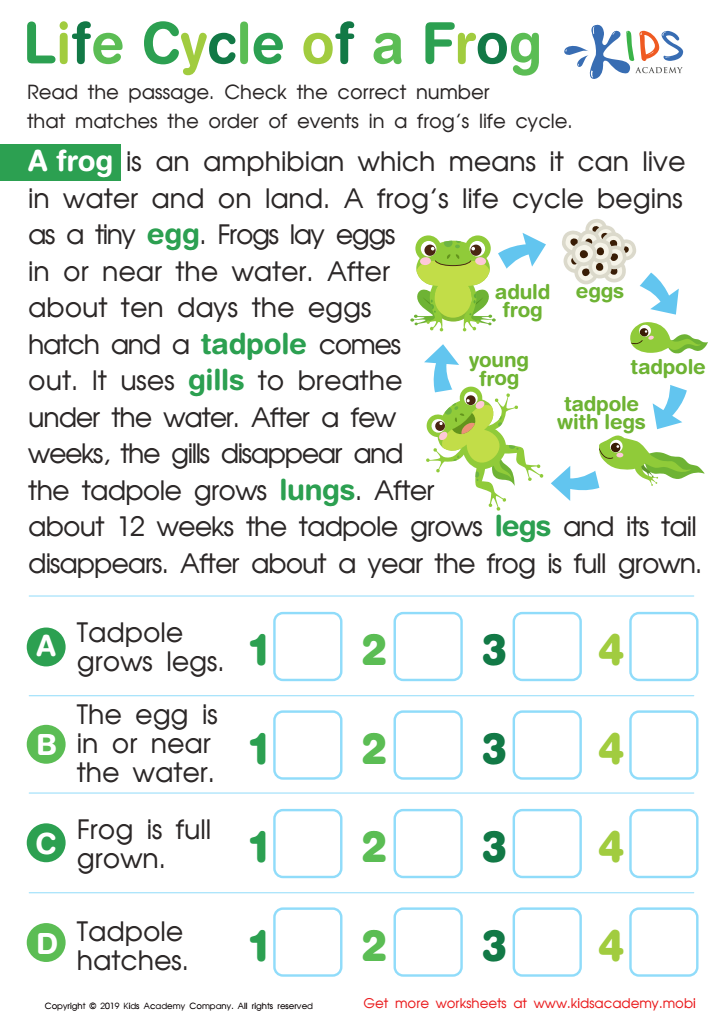
Life Cycle of a Frog Worksheet
Teach your kids to read and open their eyes to new knowledge. Frogs have fascinating life cycles. Show them the worksheet with pictures and guide them as they read the passage about it. Encourage them to check the number that matches the frog's life cycle order.
Life Cycle of a Frog Worksheet
Worksheet
Join Kids Academy for Free
Who is primarily going to use this learning content?







Sequencing skills are essential for children aged 7-8 as they form the foundation for critical cognitive skills needed in both academic and everyday settings. At this age, children are developing their ability to organize thoughts and events logically, which directly impacts their reading comprehension, writing proficiency, and mathematics problem-solving abilities.
Improving sequencing skills helps children understand cause-and-effect relationships, which enhance their ability to follow directions, narrate stories, and grasp the order of mathematical operations. For instance, when teachers encourage students to sequentially retell a story, they are not just practicing their verbal skills; they are also honing their understanding of plot structure, character development, and thematic depth.
For parents, fostering these skills at home can translate into greater academic success and increased confidence in their children. Activities like cooking, where they follow a recipe step by step, or solving puzzles can enhance their sequencing ability, making learning fun and engaging.
Ultimately, when parents and teachers prioritize sequencing skills, they equip children with the necessary tools to approach complex tasks in life, promoting independence and effective problem-solving—skills that are invaluable beyond the classroom.








