Shape Recognition Worksheets for Ages 7-8 - Page 4
89 filtered results
-
From - To
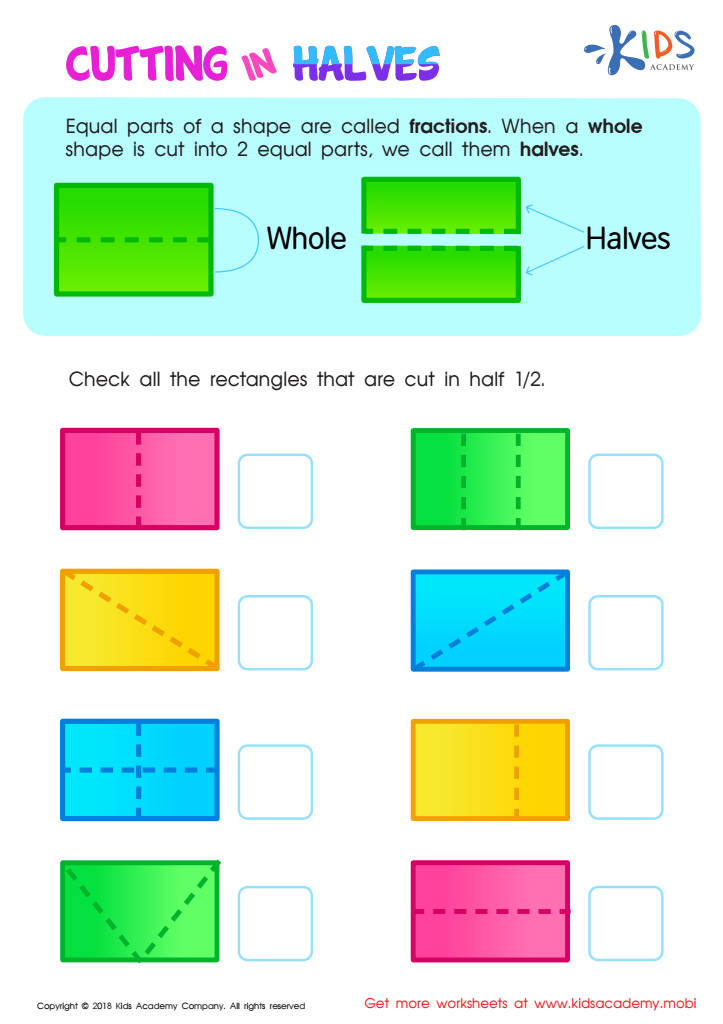
Cutting in Halves Worksheet
 Assign to My Students
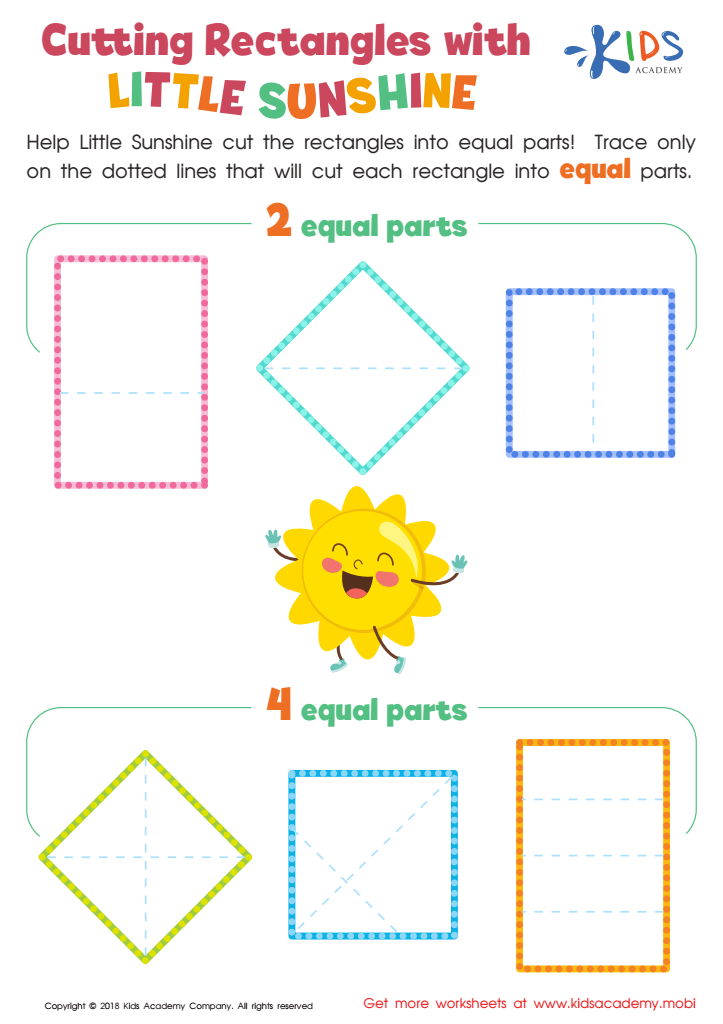
Cutting Rectangles with Little Sunshine Worksheet
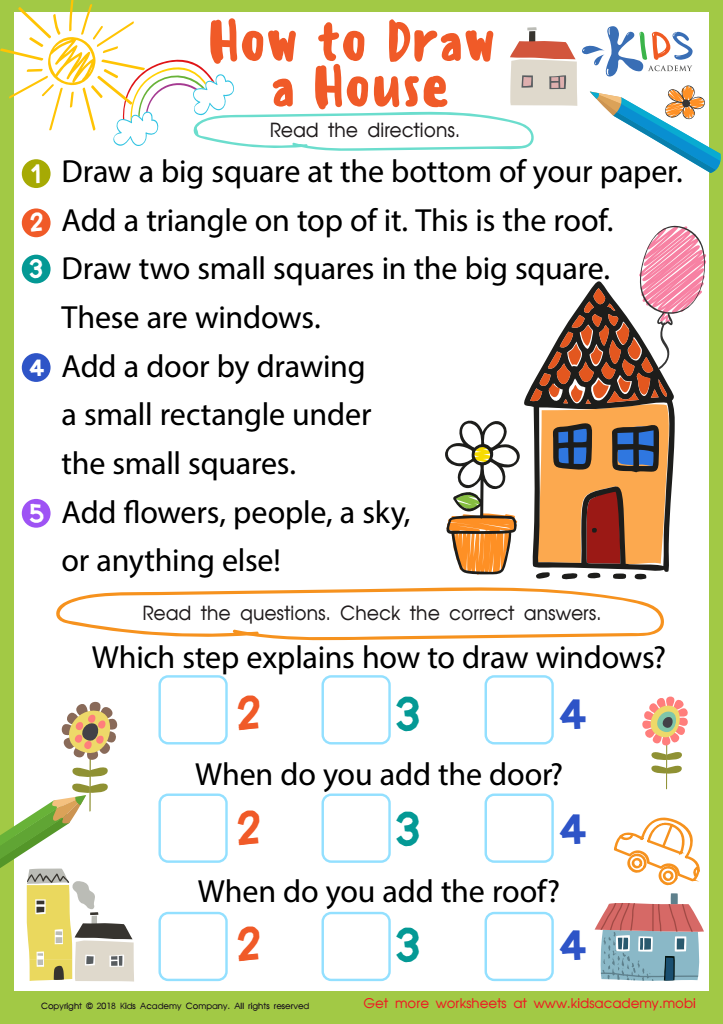
How to Draw House Worksheet
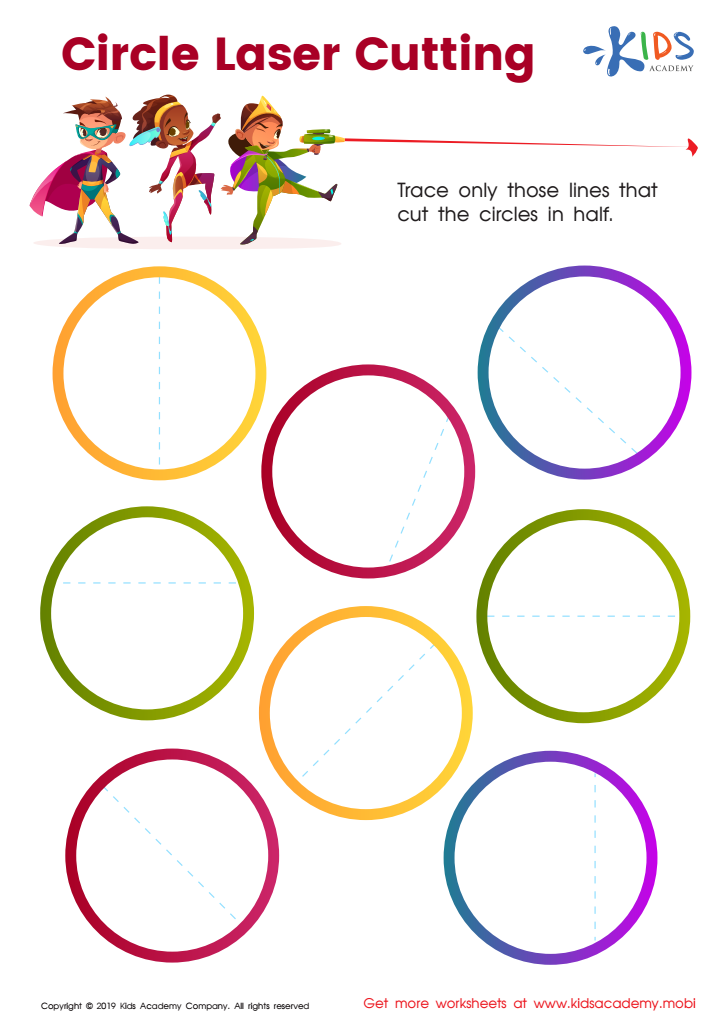
Circle Laser Cutting Worksheet
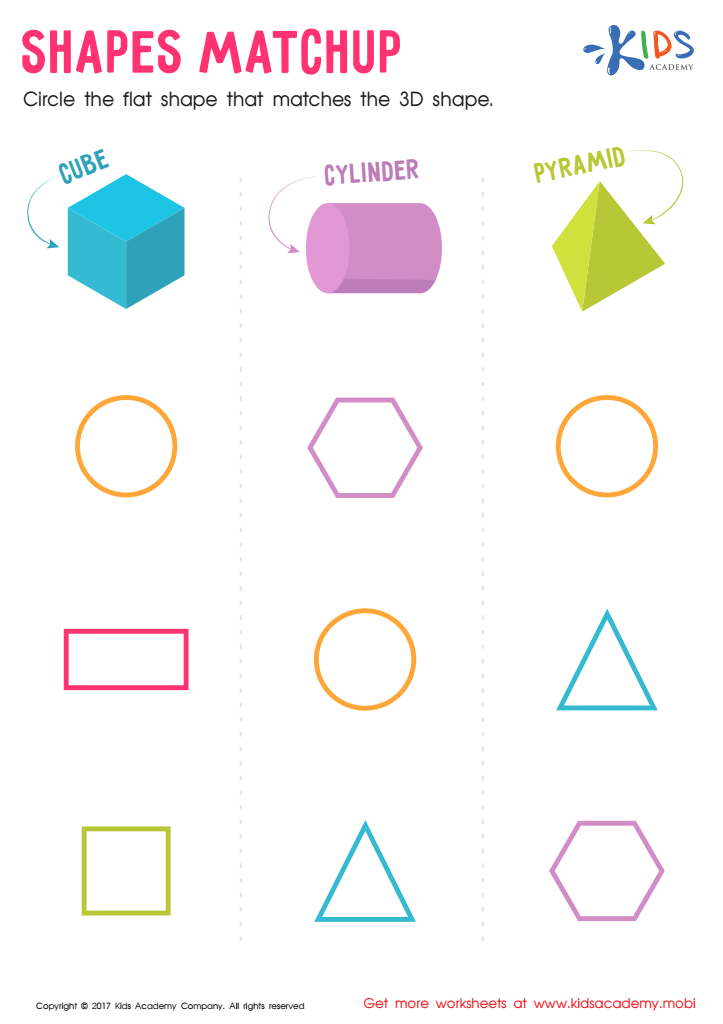
Shapes Matchup Worksheet
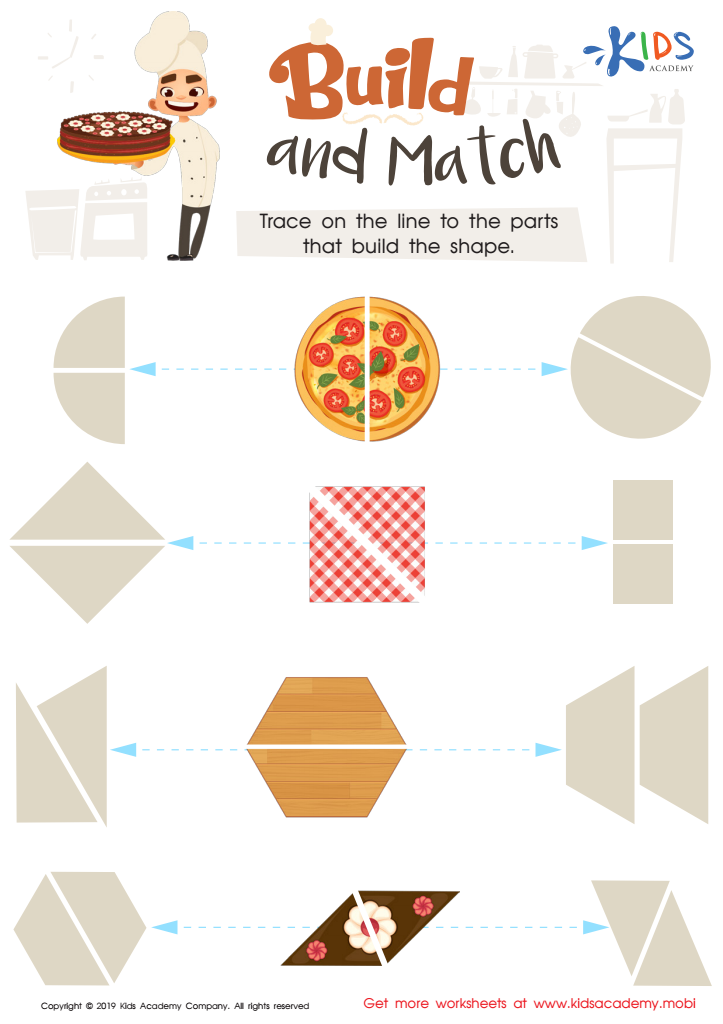
Build and Match Worksheet
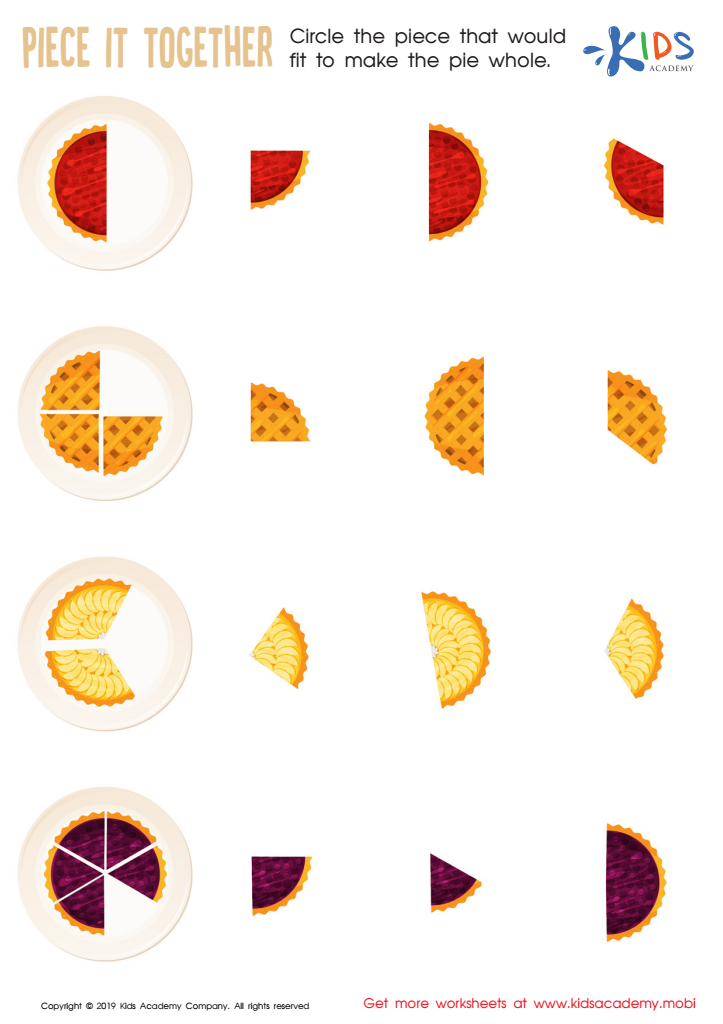
Piece it together Worksheet
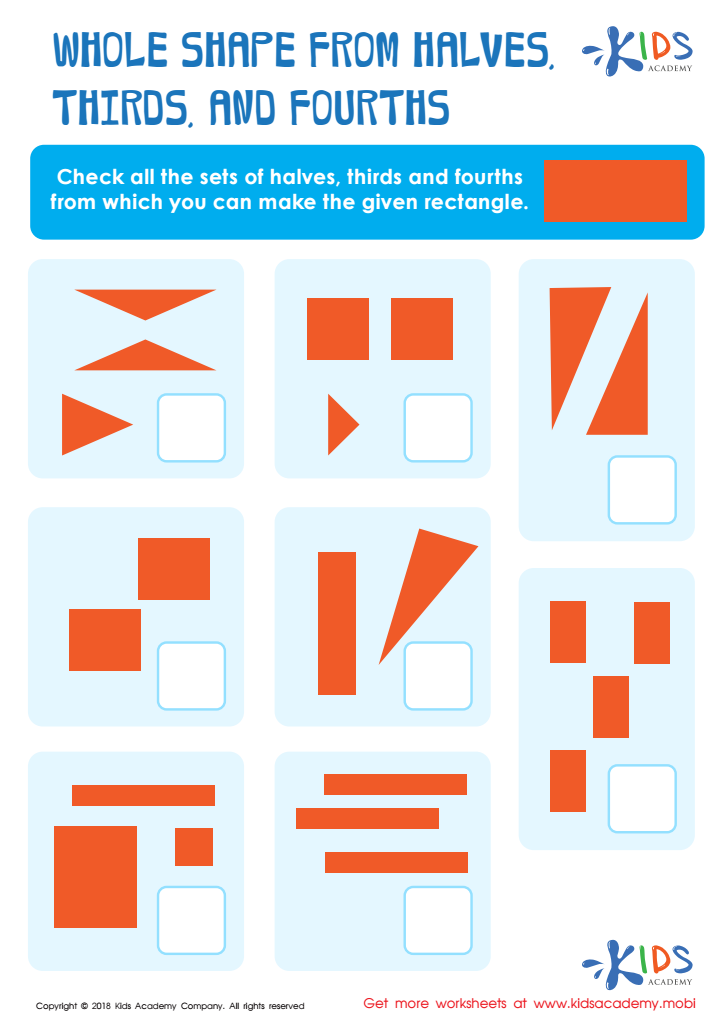
Whole Shape from Halves, Thirds and Fourths Worksheet
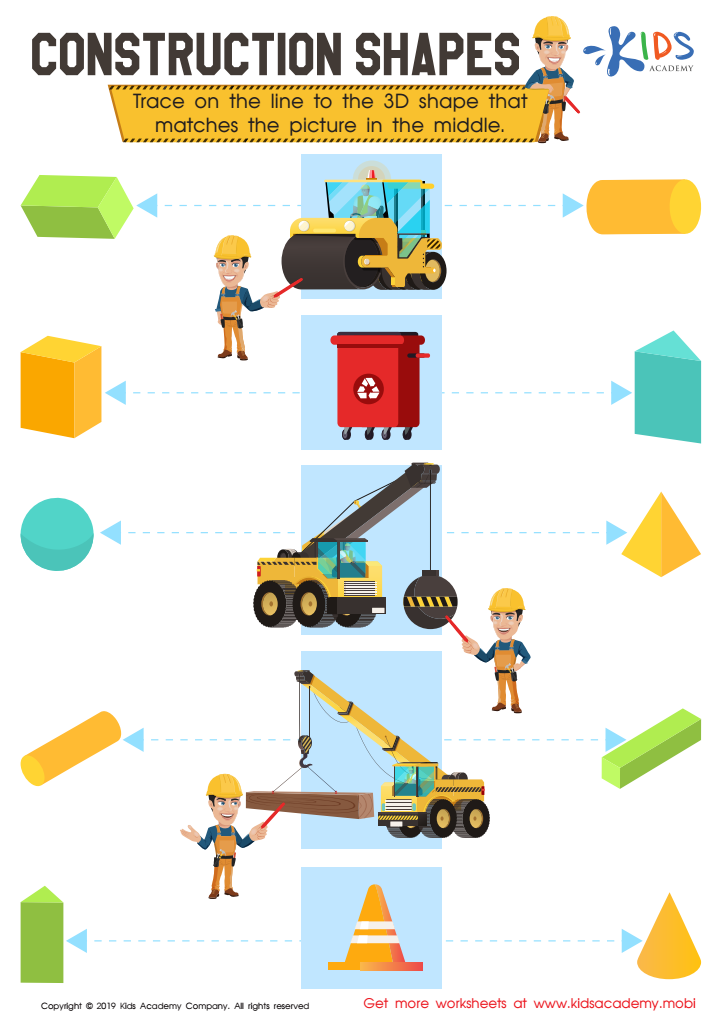
Construction Shapes Worksheet
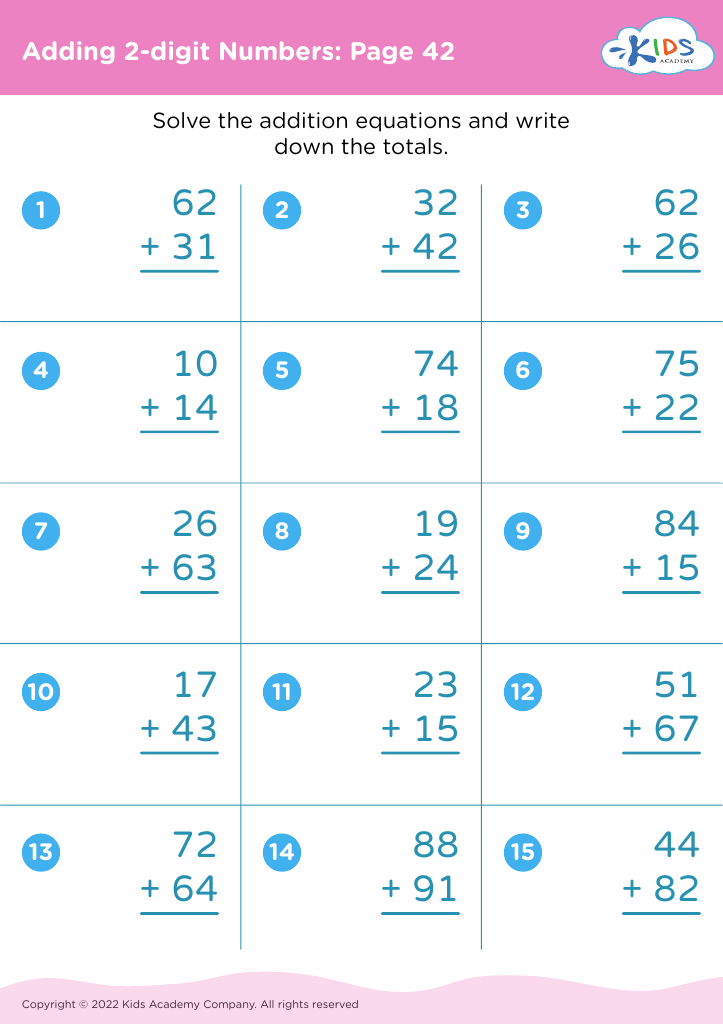
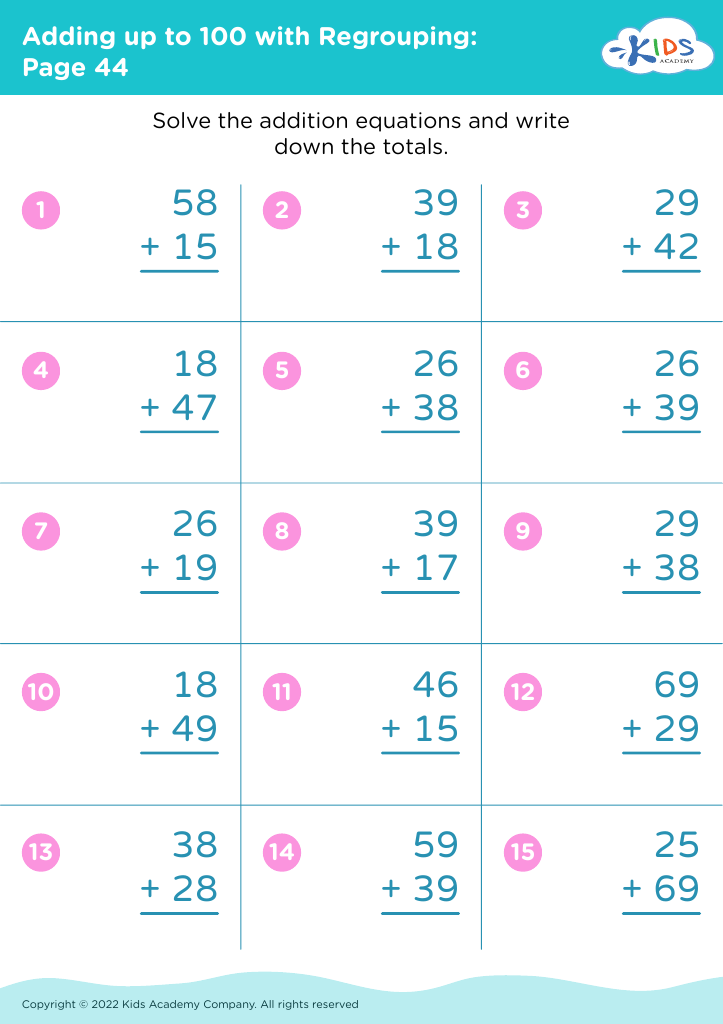







Shape recognition is a fundamental skill for children aged 7-8, playing a crucial role in their cognitive development and everyday life. At this age, children build upon their former knowledge of shapes, deepening their understanding of geometric concepts. Recognizing shapes enhances spatial awareness, which is critical in subjects like math, science, and even art.
Parents and teachers should care about shape recognition as it's interlinked with problem-solving and critical thinking abilities. When children can identify and differentiate between shapes, they engage in logical reasoning and analytical skills. This is essential for tasks that involve measurement, area calculation, and understanding symmetry, which are all pertinent in higher math education.
Furthermore, shape recognition aids in fine motor skills development and cultivates creativity. As children manipulate shapes in hands-on activities, they not only internalize geometric ideas but also express themselves artistically.
Ultimately, facilitating shape recognition in this crucial developmental stage contributes to a child's academic success and secures a foundation for more complex concepts in the future. By encouraging shape recognition, both parents and teachers foster a well-rounded education and prepare children for continued learning across various disciplines.








