
Understanding directions Worksheets for Ages 7-8
7 filtered results
Difficulty Level
Grade
Age
-
From - To
Subject
Activity
Standards
Discover our engaging "Understanding Directions Worksheets" designed specifically for ages 7-8! These interactive materials help young learners develop essential skills in following and interpreting directions effectively. With fun exercises and captivating activities, children will enhance their ability to comprehend oral and written instructions, fostering their problem-solving abilities. Each worksheet encourages critical thinking and enhances reading comprehension, ensuring kids gain confidence in navigating tasks independently. Ideal for the classroom or home learning, our worksheets aim to make understanding directions enjoyable and achievable. Give your child the tools they need to succeed by helping them master this important literacy skill today!
Favorites
With answer key
Interactive
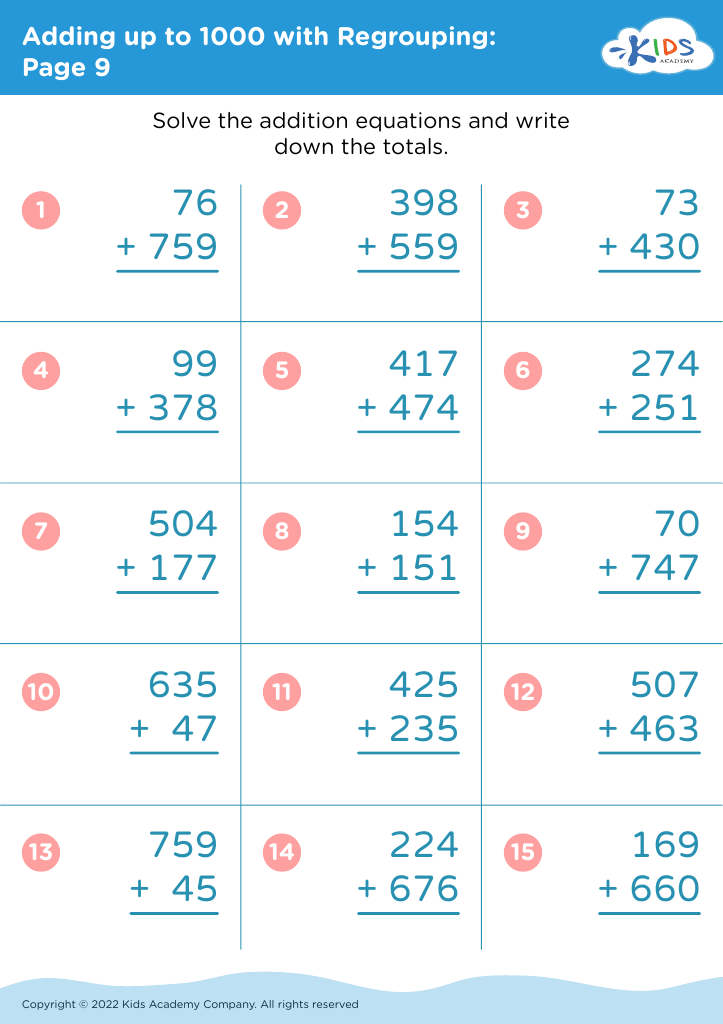
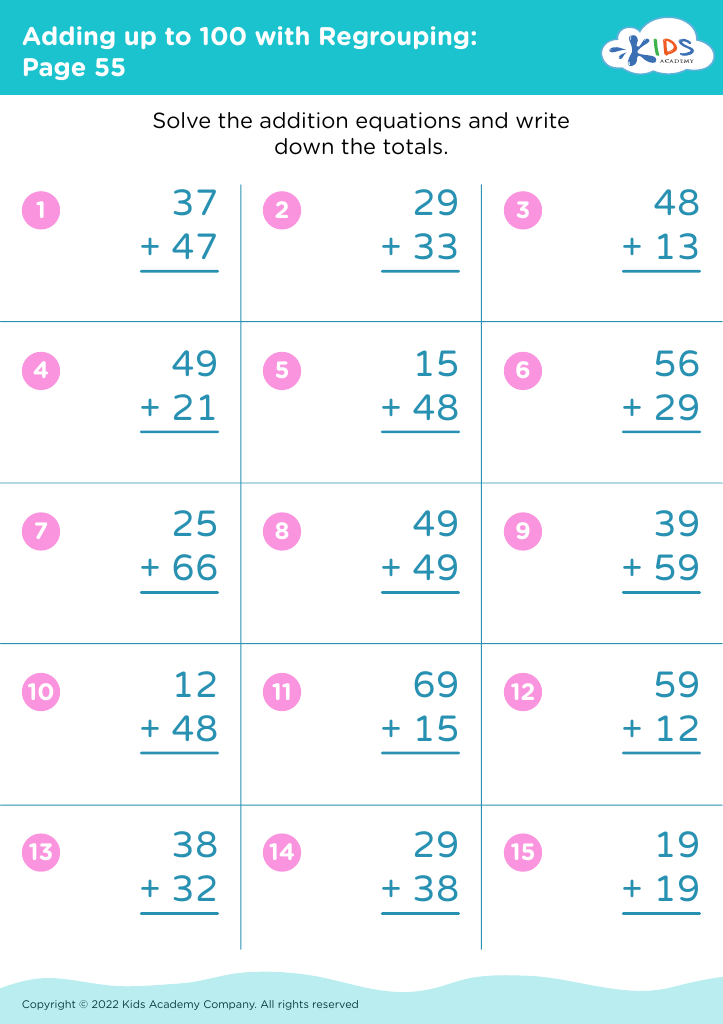
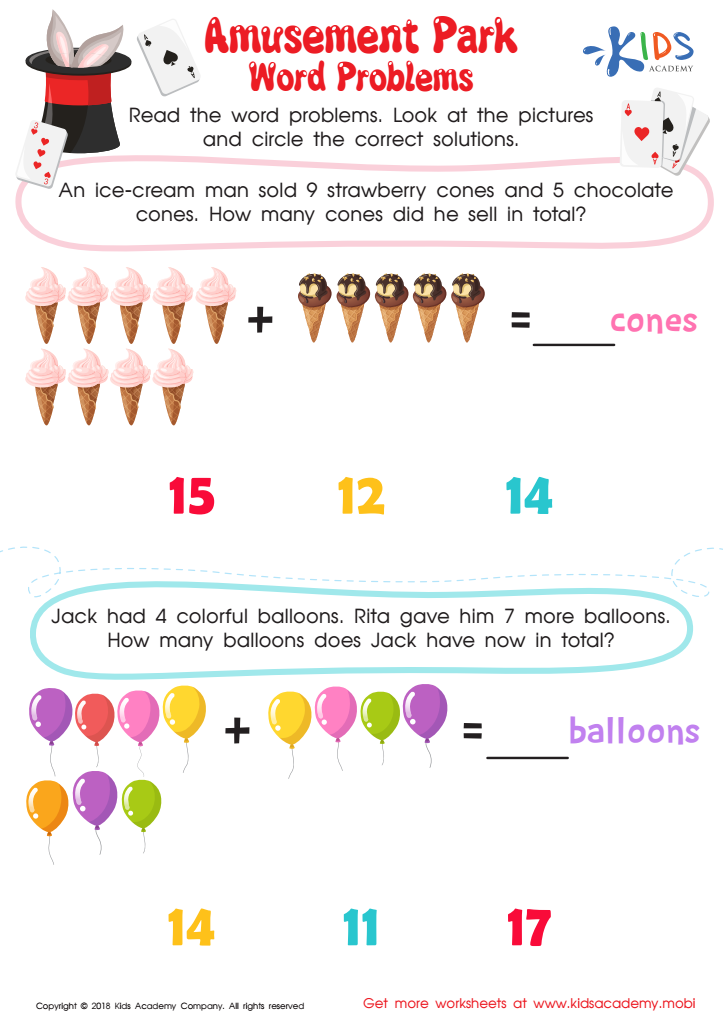
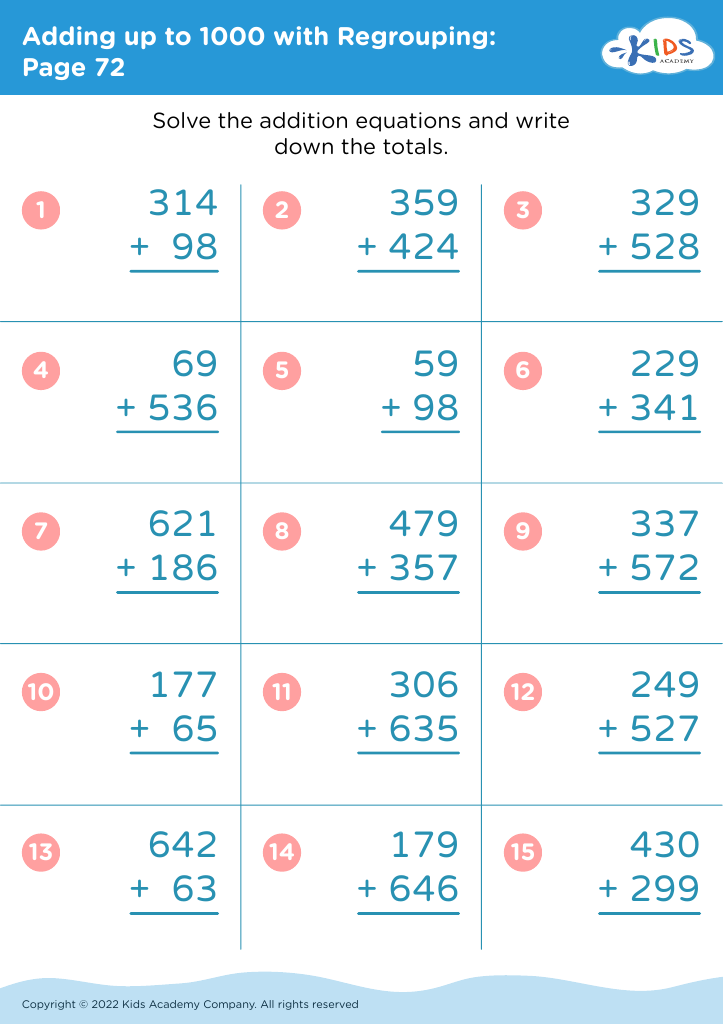
Amusement Park Word Problems Worksheet
Engage kids with math by making it realistic and incorporating manipulatives or pics they like! This worksheet helps kids understand word problems. Read the problem, note numbers and key phrases like "in total," then count the pics to find the total!
 Assign to My Students
Amusement Park Word Problems Worksheet
Worksheet
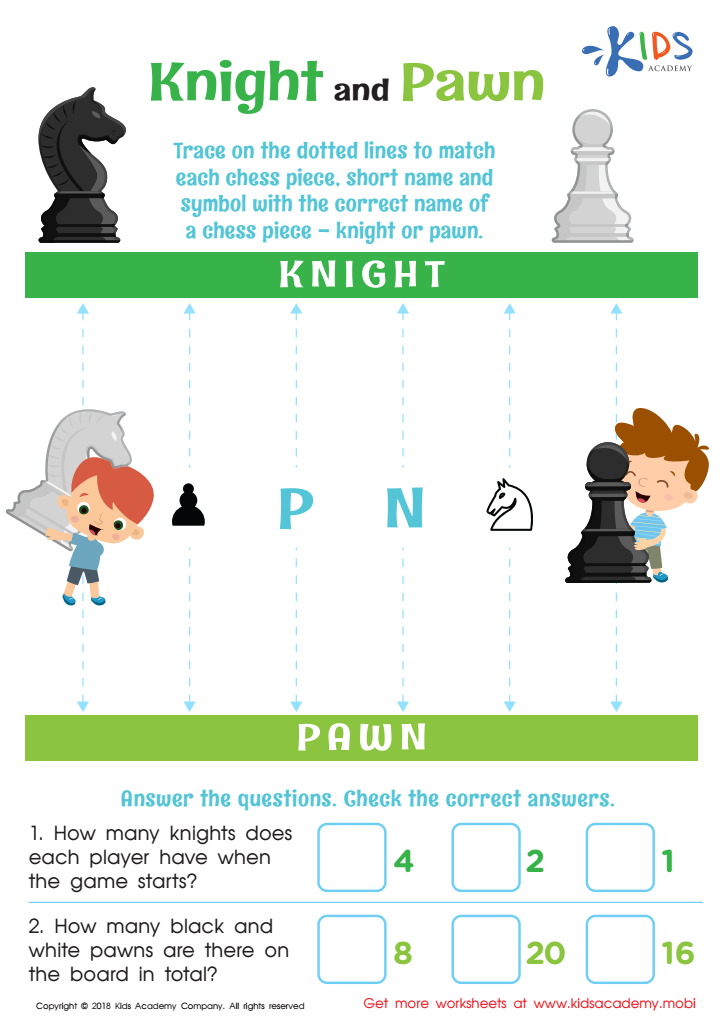
Knight and Pawn Worksheet
This tracing worksheet teaches kids about chess. They trace the dotted lines to match pieces, names and symbols to the correct chess piece. Questions at the bottom test their understanding. It's a simple exercise for a fun way to learn.
Knight and Pawn Worksheet
Worksheet
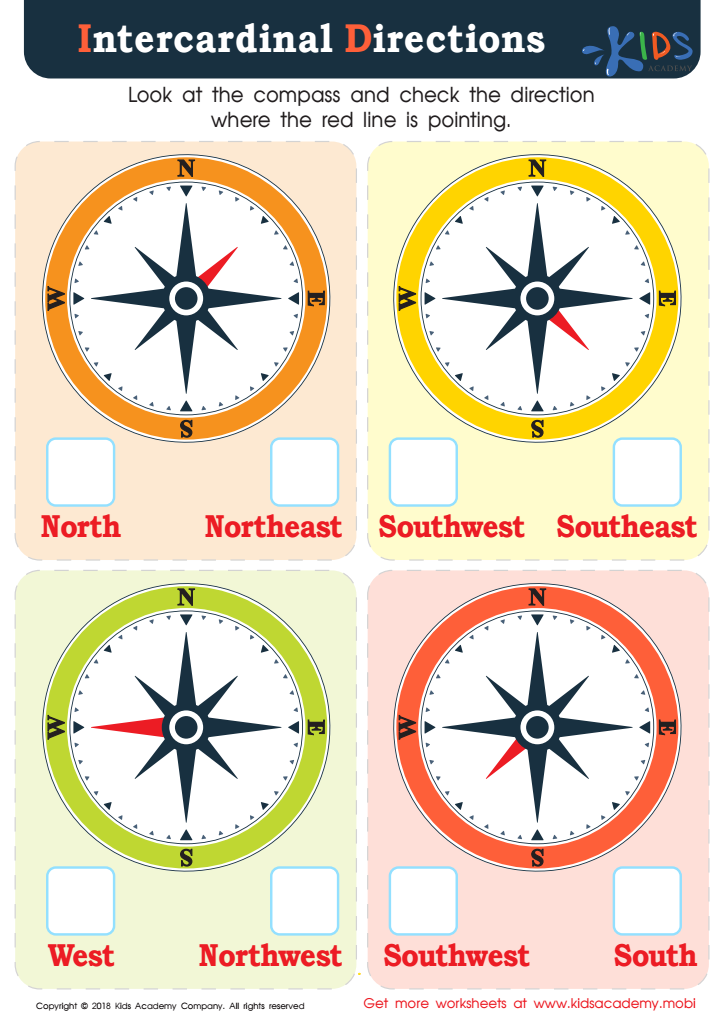
Intercardinal Directions Worksheet
Young students often don't get to practice cardinal and intercardinal directions in the digital age, but it's an important social studies and geography concept to learn. This PDF provides colorful compasses for them to practice with, giving them a real-world skill for common curriculum and independent living.
Intercardinal Directions Worksheet
Worksheet
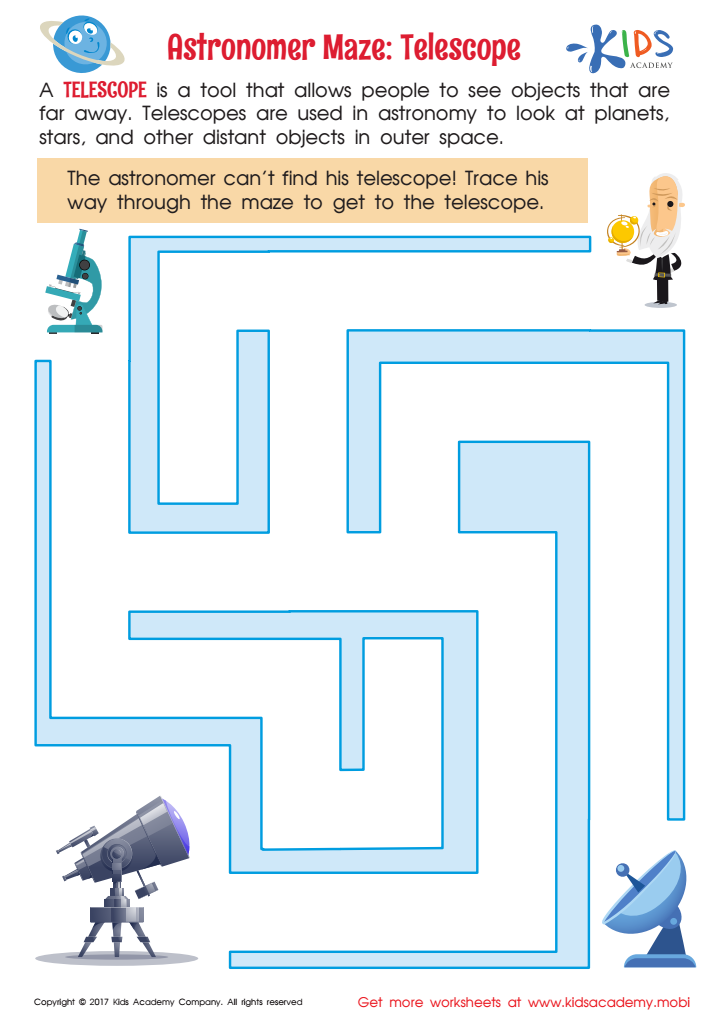
Astronomer Maze: Telescope Worksheet
Let your mini astronomer explore the galaxy with this fun and puzzling space maze worksheet – Telescope! Your child will have a great time navigating the maze, while learning how telescopes help scientists study the stars.
Astronomer Maze: Telescope Worksheet
Worksheet
Join Kids Academy for Free
Who is primarily going to use this learning content?








Understanding directions is crucial for children aged 7-8 as they develop essential skills during this formative stage. This age group often faces new educational and social challenges, from navigating school environments to interacting with peers. Mastering the ability to follow directions enhances their independence, encouraging problem-solving and critical thinking. It fosters a sense of responsibility when they are asked to complete tasks on their own or participate in group activities.
Moreover, comprehending directions aids in academic performance. Clear understanding helps students adhere to instructions in tests, classroom assignments, and laboratory experiments. These skills translate to improved organizational abilities—valuable aspects that will serve them well throughout their education.
Additionally, effective direction-following skills can reduce anxiety and confusion during learning. Children gain confidence as they become capable of understanding and executing tasks, leading to a more positive school experience.
For parents and teachers, fostering these skills means creating supportive learning environments and enriching their children's cognitive development. Consequently, prioritizing instruction, patience, and concrete examples when teaching direction-following reinforces these vital competencies, ensuring children not only navigate academic settings more effectively but also thrive in real-world situations they will face ahead.








