Understanding shapes Worksheets for Ages 7-8
5 filtered results
-
From - To
Enhance your child's geometry skills with our engaging "Understanding Shapes Worksheets" tailored for ages 7-8. Designed to align with educational standards, our worksheets cover a variety of activities to help children identify, classify, and understand the properties of different shapes. Through hands-on practice, kids explore concepts such as symmetry, angles, and perimeter, building a solid foundation for their mathematical journey. Perfect for both classroom and home use, our printables make learning exciting and accessible. Head over to Kids Academy for worksheets that turn geometry into an adventurous and educational experience for your young learners!
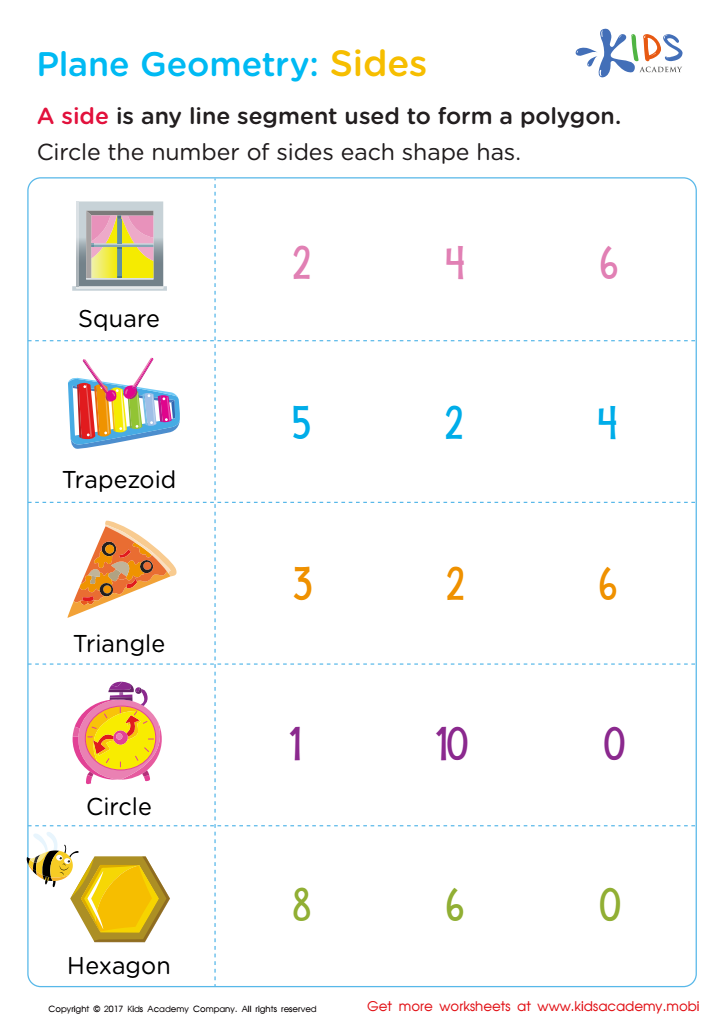
 Assign to My Students
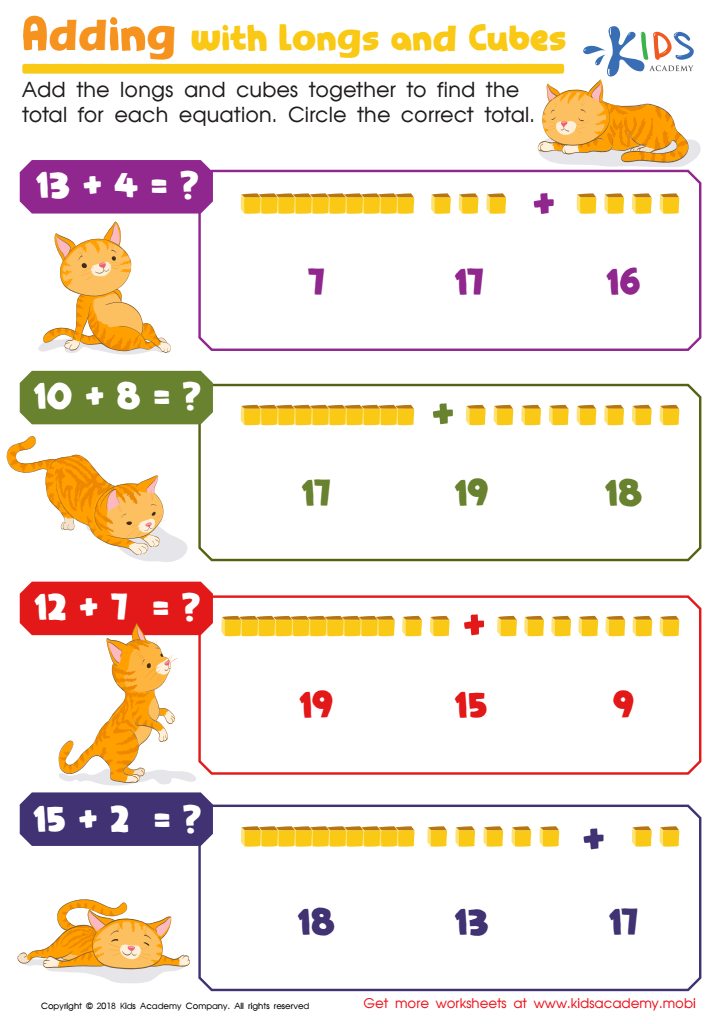
Adding With Longs and Cubes Worksheet
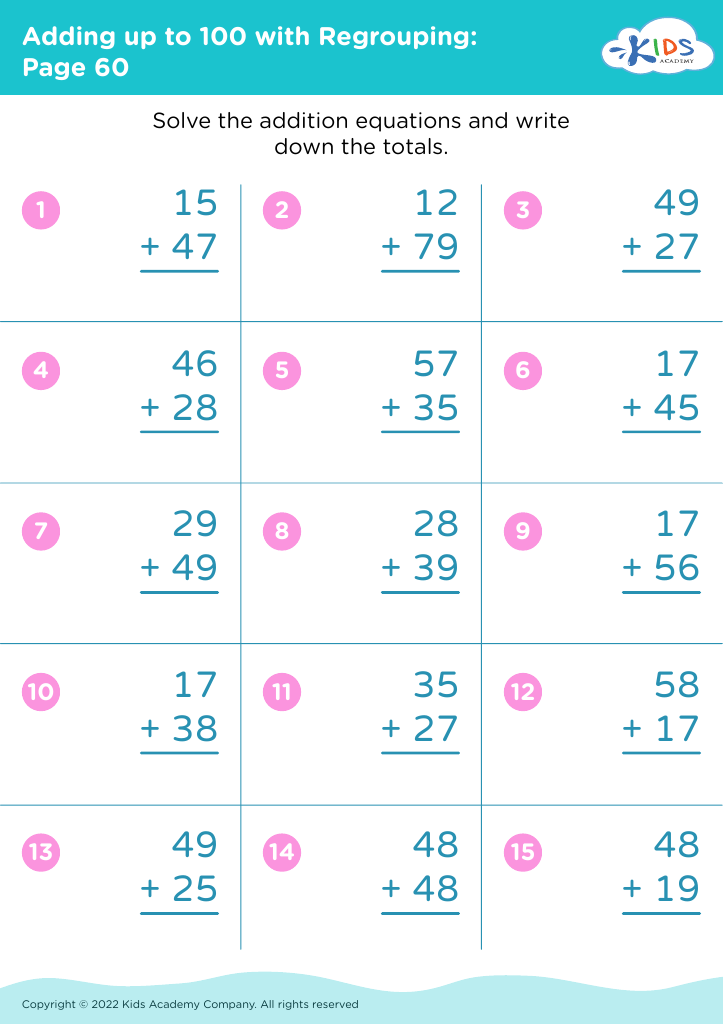
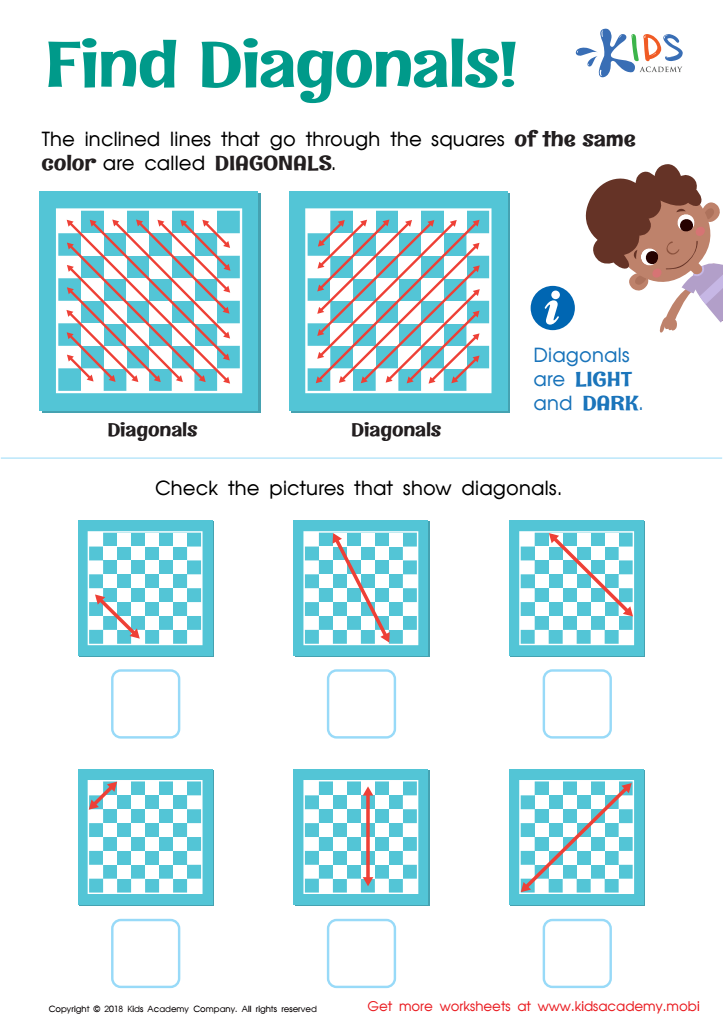
Find Diagonals Worksheet
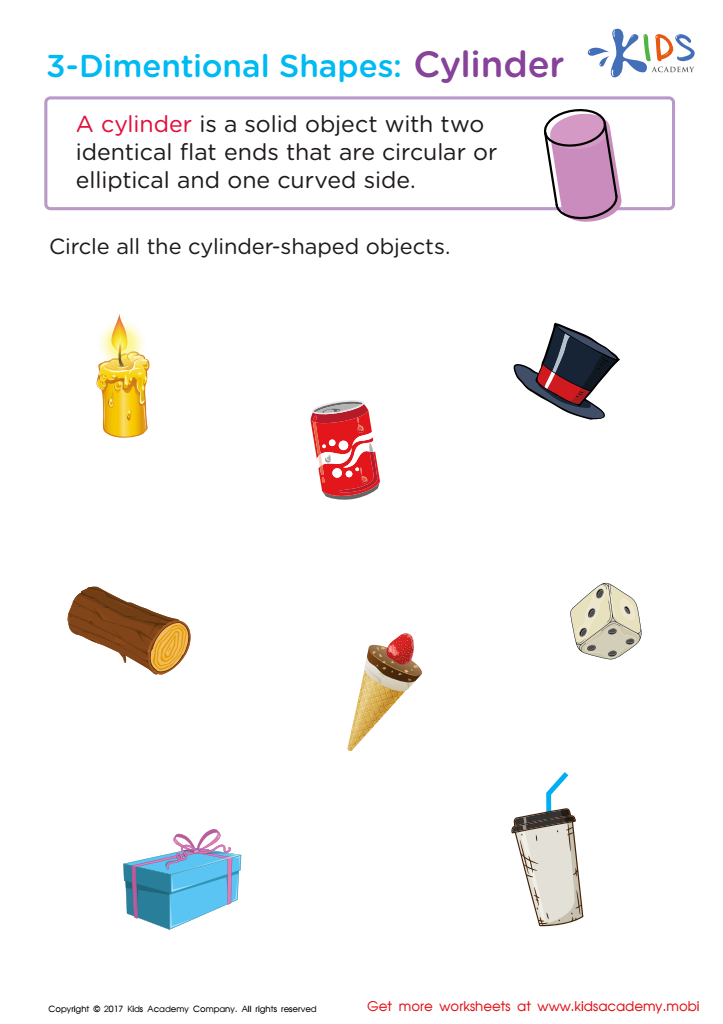
Three–Dimensional Shapes: Cylinder Worksheet








Understanding shapes is fundamental for children aged 7-8 as it lays the foundation for both cognitive and academic development. At this critical stage, developing spatial awareness enhances a child's ability to navigate and interpret their environment, which is pivotal for everyday activities and future learning. Shapes are foundational concepts in geometry; grasping these early can help children in more complex mathematical problem-solving later. Recognizing and categorizing shapes also bolster analytical and classification skills — essential for both logical thinking and scientific inquiry.
For parents and teachers, encouraging activities involving shapes can foster vocabulary growth, as children learn terms such as "circle," "square," and "triangle," enriching their descriptive language. This age group is also developing fine motor skills; manipulating shapes—hands-on play, drawing, or construction activities—improves hand-eye coordination and dexterity.
Moreover, understanding shapes promotes creativity and artistic skills. Children dress in identifying and drawing shapes can carry over into artistic endeavors and help them appreciate the world's aesthetics. Social relevance is another aspect; kids often engage in teamwork while playing shape-based games, fortifying social bonds and collaborative skills. Therefore, parents and teachers should prioritize shape recognition in their curriculum and playtime to support a well-rounded developmental foundation.








