Visualization skills Worksheets for Ages 7-8
3 filtered results
-
From - To
Boost your child's imagination and cognitive abilities with our Visualization Skills Worksheets for Ages 7-8. Our expertly crafted worksheets are designed to enhance children's ability to visualize and comprehend information effectively. Through fun and engaging exercises, kids will improve their critical thinking, reading comprehension, and problem-solving skills. Perfect for home-based learning or classroom activities, these worksheets make learning enjoyable and impactful. Let them explore a variety of fascinating themes and dynamic visuals tailored specifically for their age group. Set the foundation for academic success and help your child visualize their way to excellence!
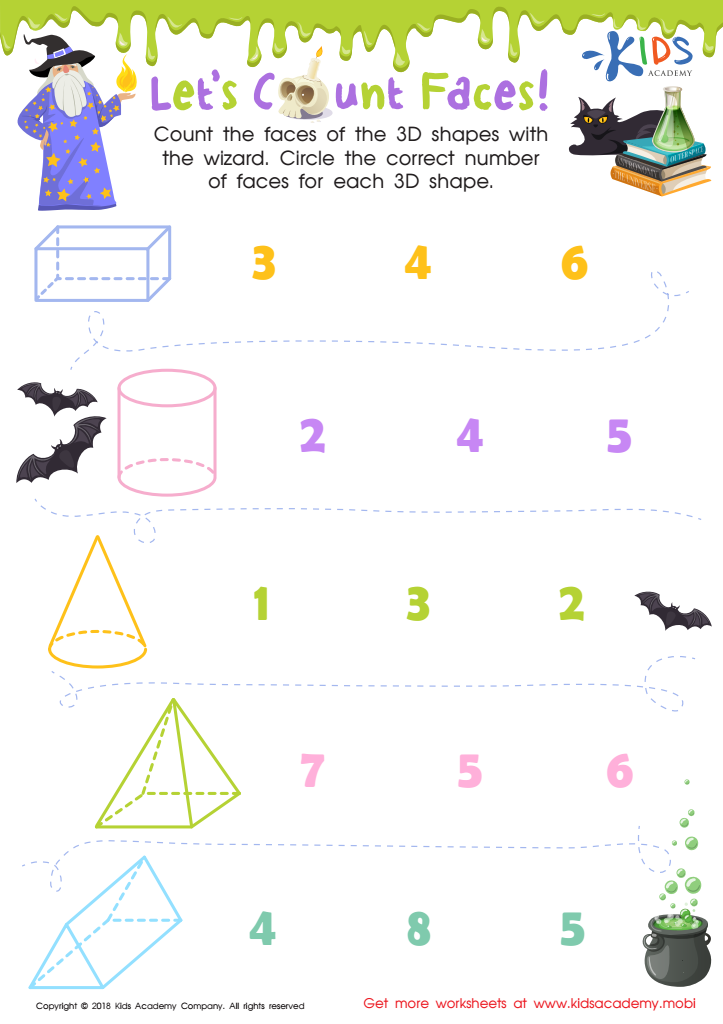
Let's Count Faces! Worksheet
 Assign to My Students
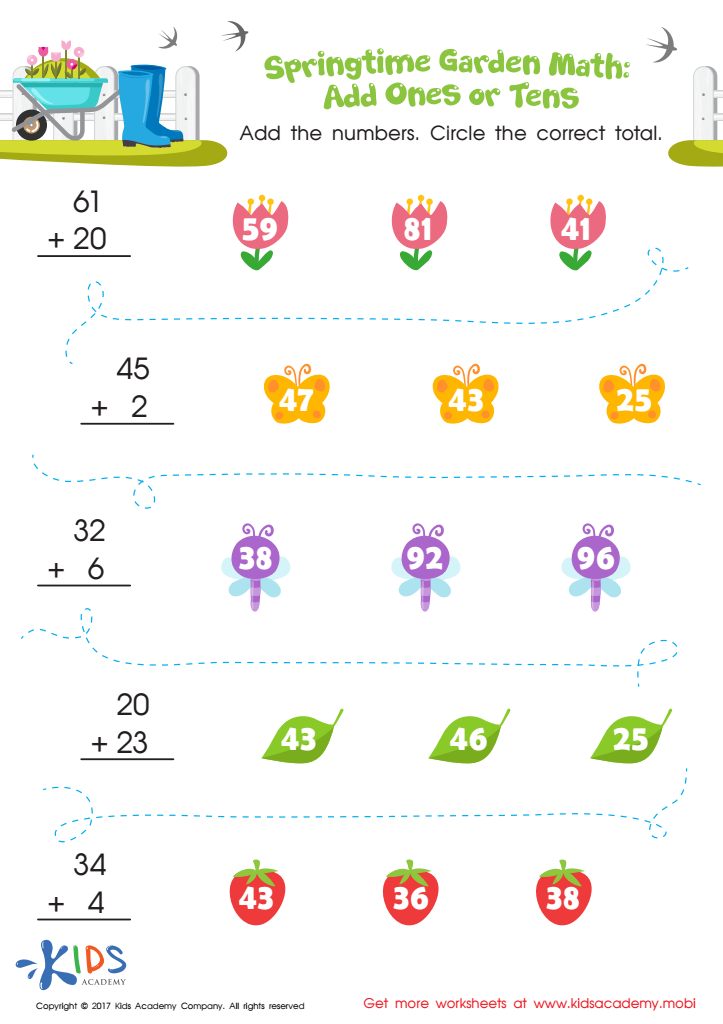
Springtime Garden Math Worksheet






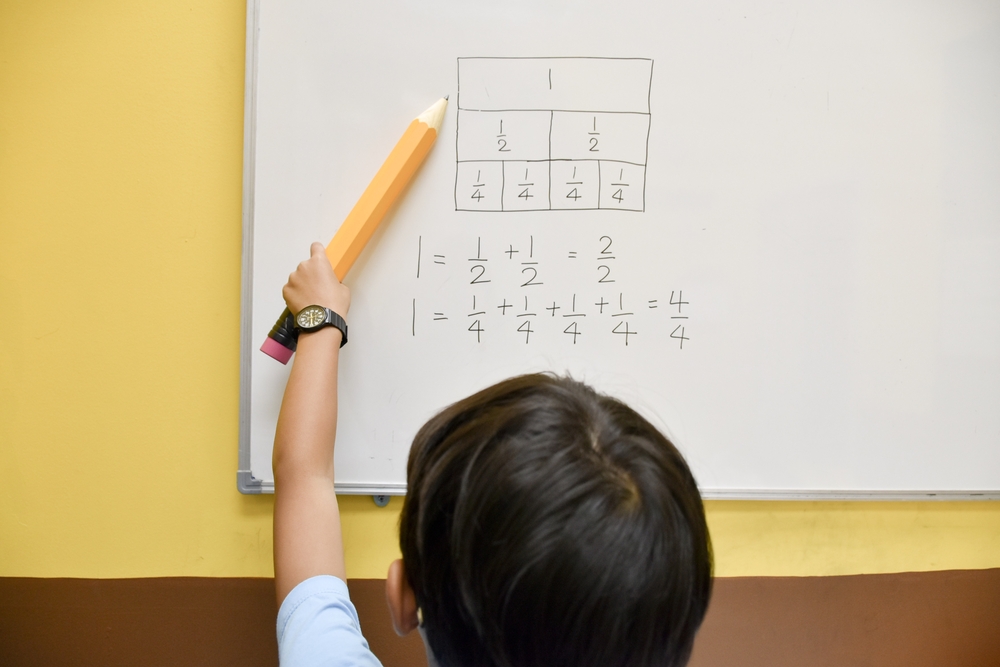
Visualization skills are crucial for children aged 7-8 as they bridge the gap between concrete and abstract thinking. At this stage, children begin to transition from primarily sensory learning to more cognitive forms. Visualization helps them create mental images, crucial for understanding and retaining new information. For instance, in reading, the ability to visualize settings, characters, and events deepens comprehension and engagement with the text. Similar skills in mathematics enable children to better grasp concepts like number lines, geometric shapes, and spatial relationships.
Moreover, visualization aids in problem-solving. When children can picture a problem in their minds, they can navigate and test potential solutions more effectively. This spatial awareness extends to everyday tasks, improving skills such as navigating space, understanding maps, or even organizing their personal belongings.
From a developmental perspective, visualization supports overall cognitive growth, including memory, imagination, and attention to detail. It encourages creative thinking and boosts confidence, as children feel more equipped to tackle challenges both academically and in their personal lives.
Teachers and parents can nurture these skills through activities such as drawing, reading stories, or using manipulatives in math. By investing in the development of visualization skills, adults ensure children have robust tools that enhance learning, creativity, and practical life skills.








