Learn new vocabulary Addition & Subtraction Worksheets for Ages 7-8
4 filtered results
-
From - To
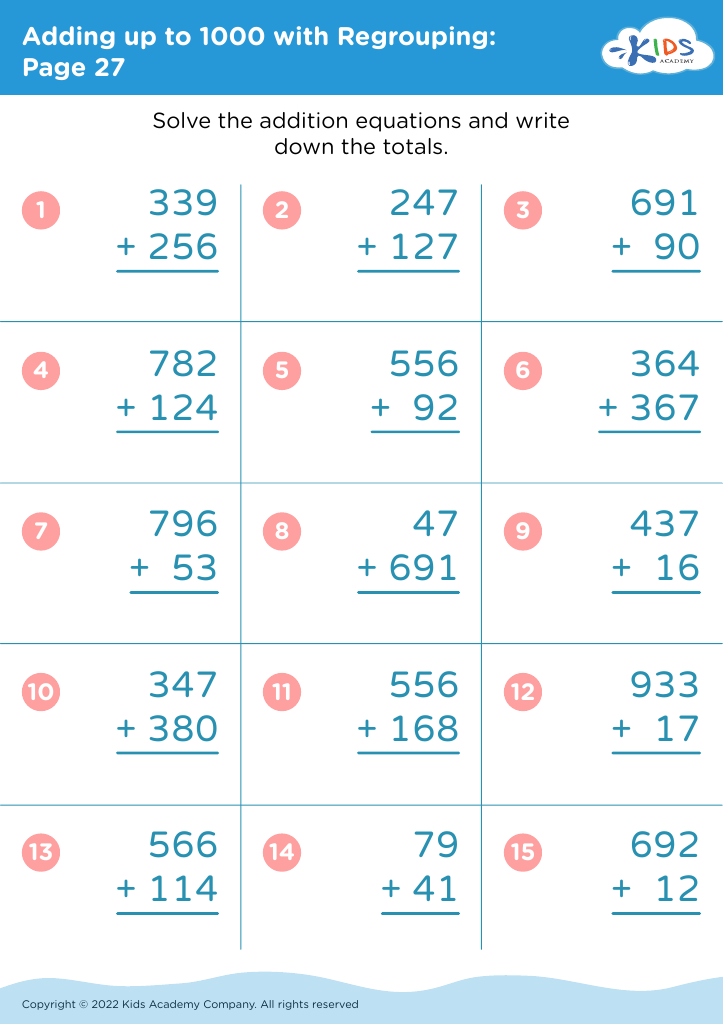
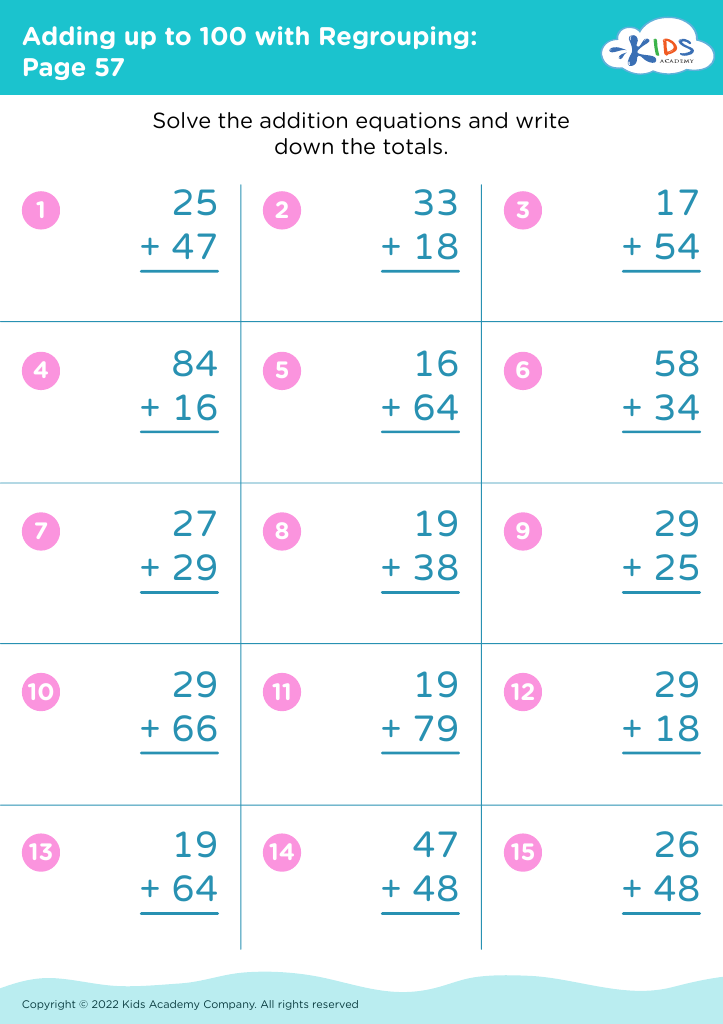
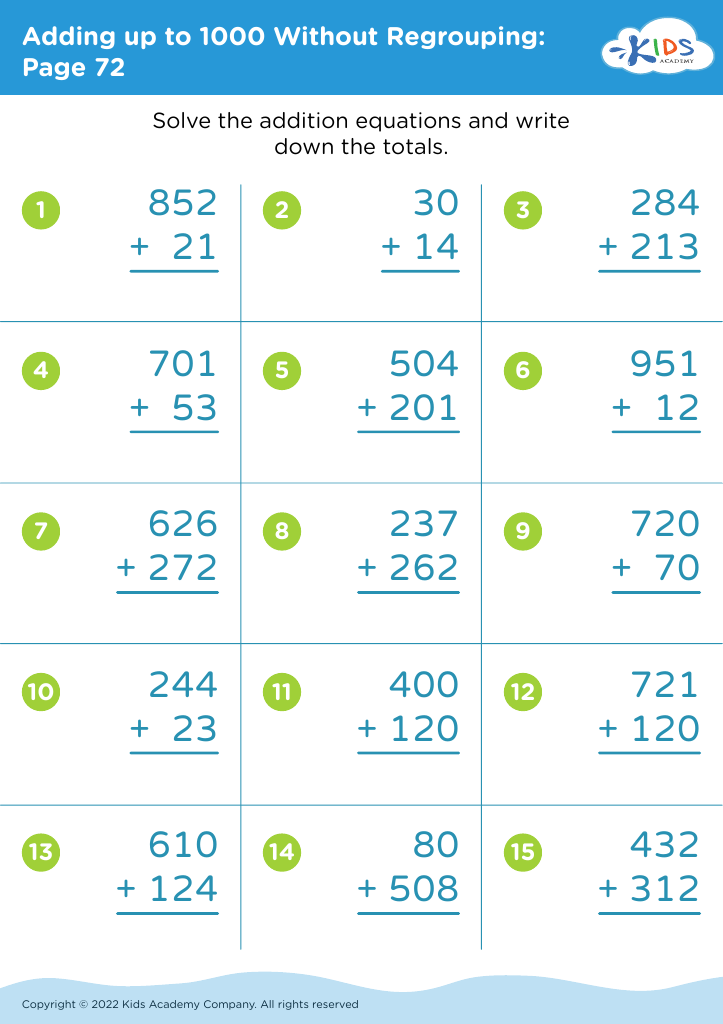
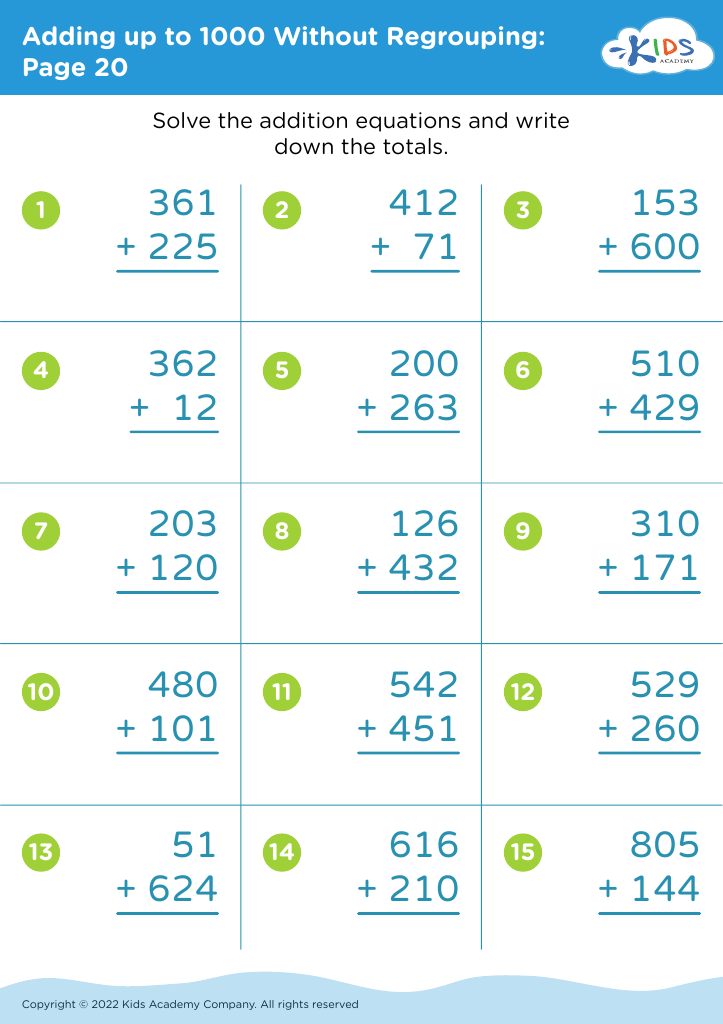
Enhance your child's math skills with our "Learn New Vocabulary: Addition & Subtraction Worksheets for Ages 7-8." Tailored for young learners, these worksheets combine crucial arithmetic practice with new vocabulary words related to math concepts. Each activity is designed to make learning fun and engaging, simplifying complex terms and fostering a deeper understanding of addition and subtraction. Visit Kids Academy (https://www.kidsacademy.mobi) for expertly-crafted exercises that support both mathematical fluency and language development, ensuring your 7 to 8-year-old gains confidence and proficiency in crucial academic skills. Dive into a rich collection of resources today to build a bright mathematical future!








Parents and teachers should deeply understand the importance of learning new vocabulary alongside addition and subtraction for children aged 7-8. At this developmental stage, children experience rapid cognitive growth, and a strong foundation in language and math skills prepares them for future academic success.
First, building a rich vocabulary enhances a child's reading comprehension and communication abilities, crucial for all subjects. By learning new words, children can better express their ideas and understand complex instructions and stories. This enables them to excel not just in language arts, but across all areas of their education.
Simultaneously, mastering basic arithmetic skills like addition and subtraction sets a cornerstone for more advanced mathematical concepts. These operations are the building blocks for higher-level math, fostering logical thinking and problem-solving abilities. If children develop confidence and competency in these skills early on, it significantly increases their likelihood of success in future math classes and everyday tasks involving measurements, money, and time.
Moreover, integrating vocabulary and mathematical instruction engages children in varied and stimulating learning experiences. It aids in creating well-rounded individuals, equipped with the necessary skills to navigate and decode the world around them. Ultimately, caring about these foundational skills paves the way for children to develop into knowledgeable, articulate, and numerically literate adults.








