Understanding symmetry Addition & Subtraction Worksheets for Ages 7-8
25 filtered results
-
From - To
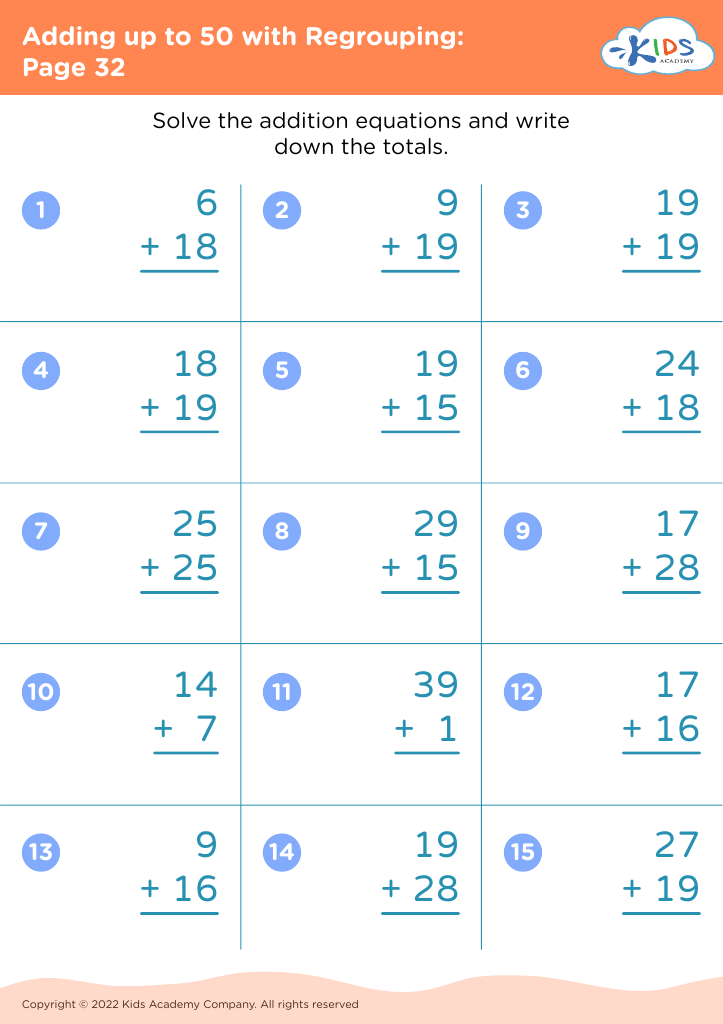
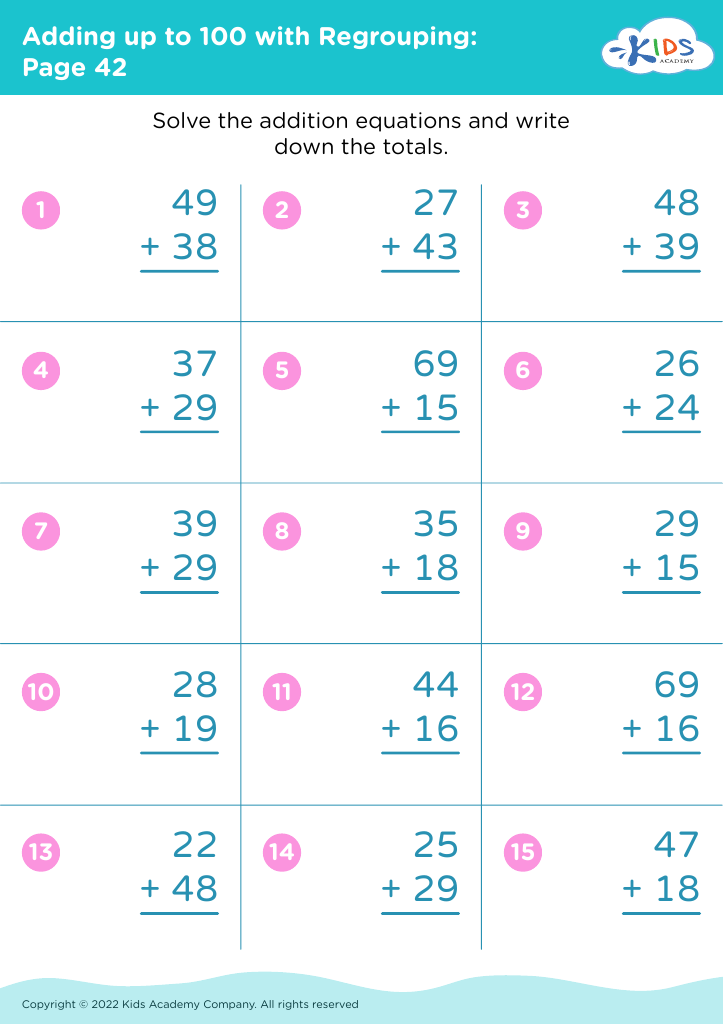
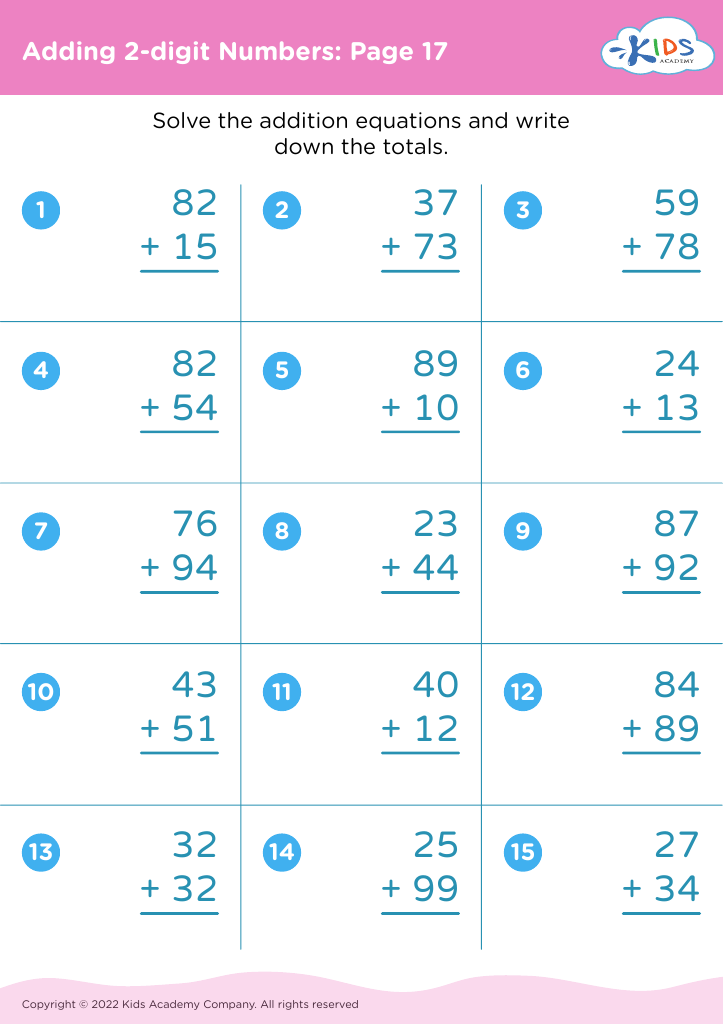
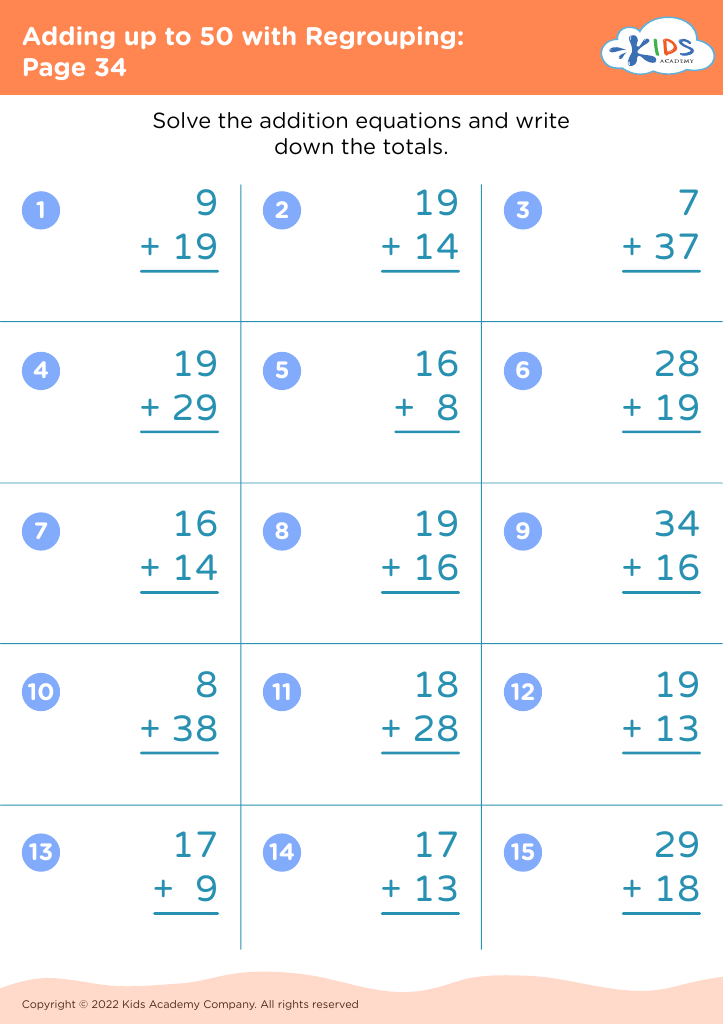
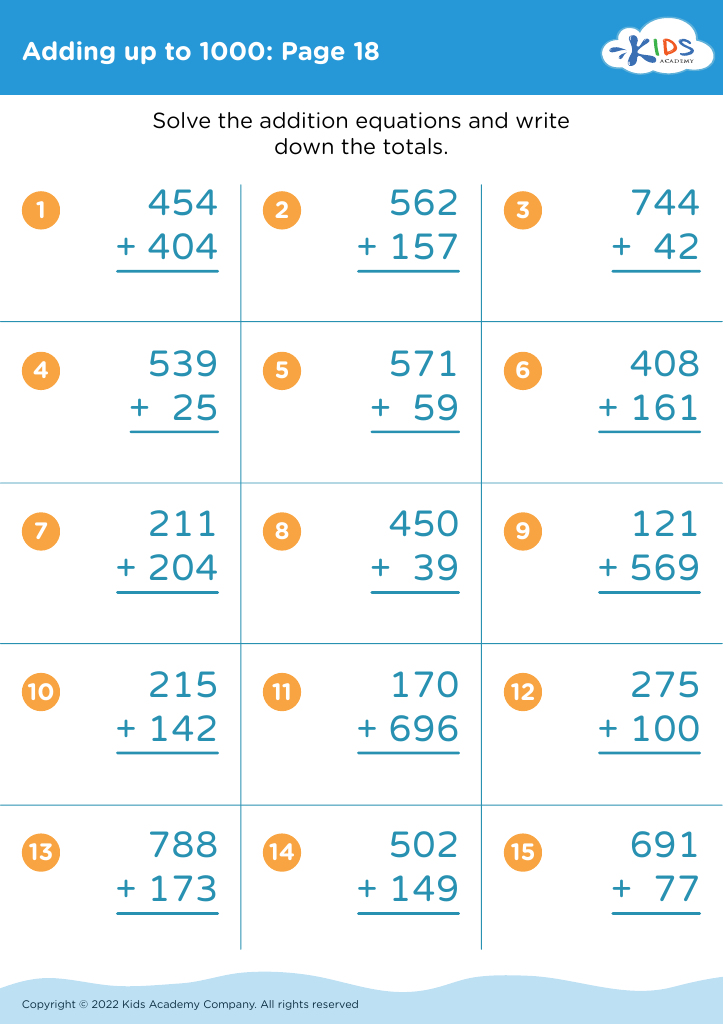
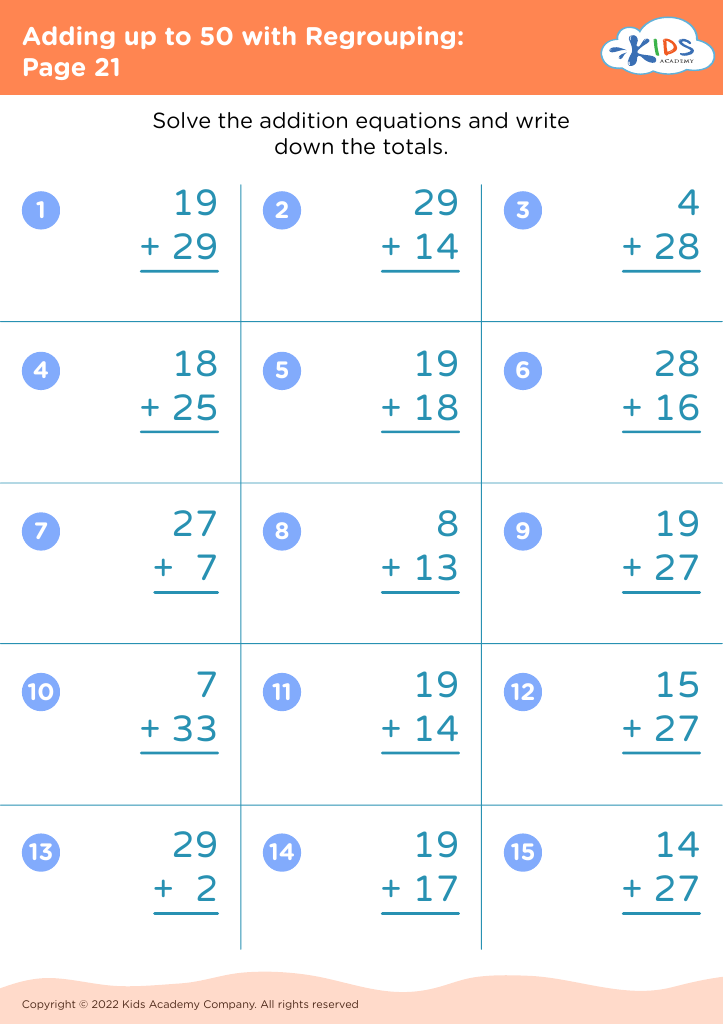
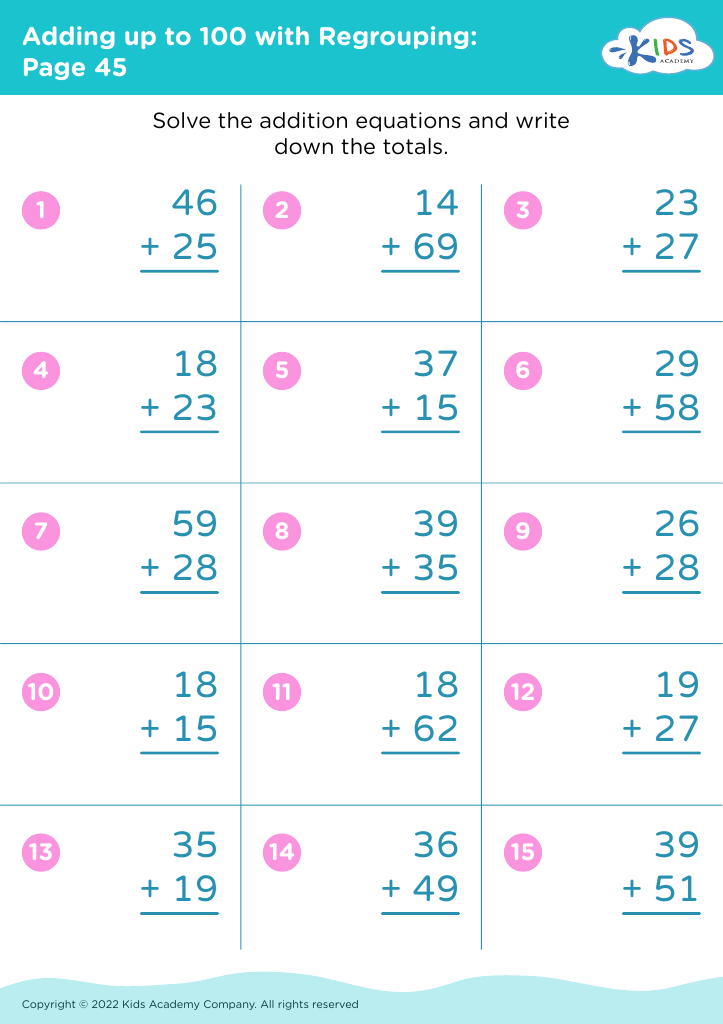
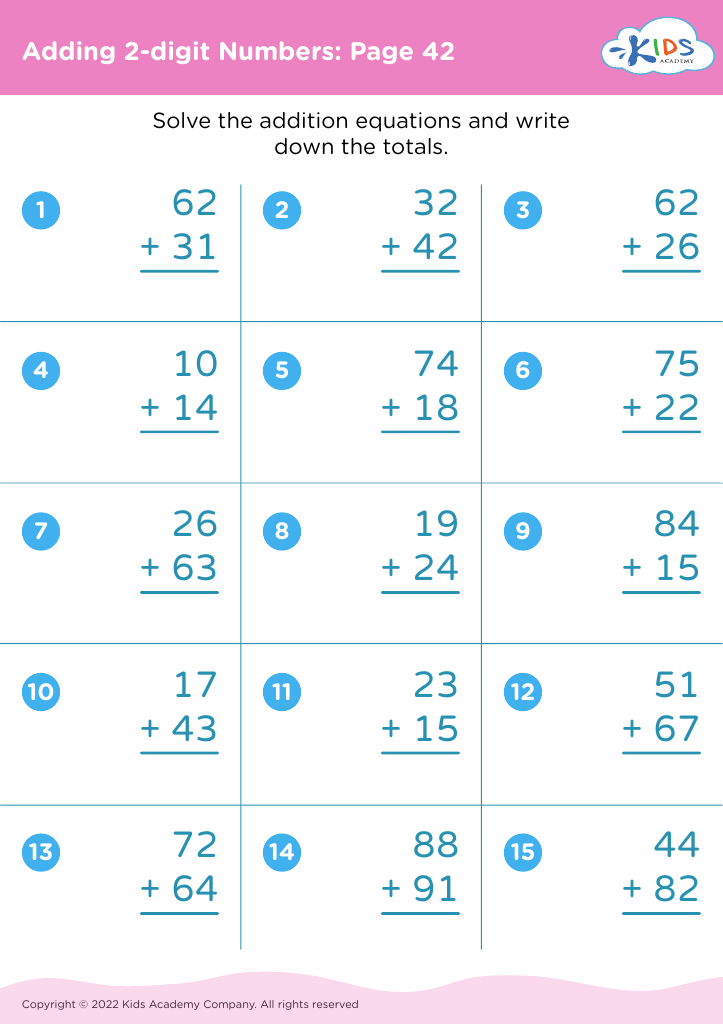
Enhance your child's math skills with our "Understanding Symmetry Addition & Subtraction Worksheets" designed for ages 7-8. These engaging worksheets foster a fundamental understanding of basic operations while introducing the concept of symmetry. Children will explore fascinating patterns and develop critical thinking through hands-on activities that blend addition and subtraction with visual elements. Perfect for home or classroom use, these resources make learning fun and interactive. With colorful graphics and age-appropriate challenges, your child will gain confidence in math while mastering the essential concept of symmetry. Download our worksheets today and watch their mathematical abilities and enthusiasm grow!
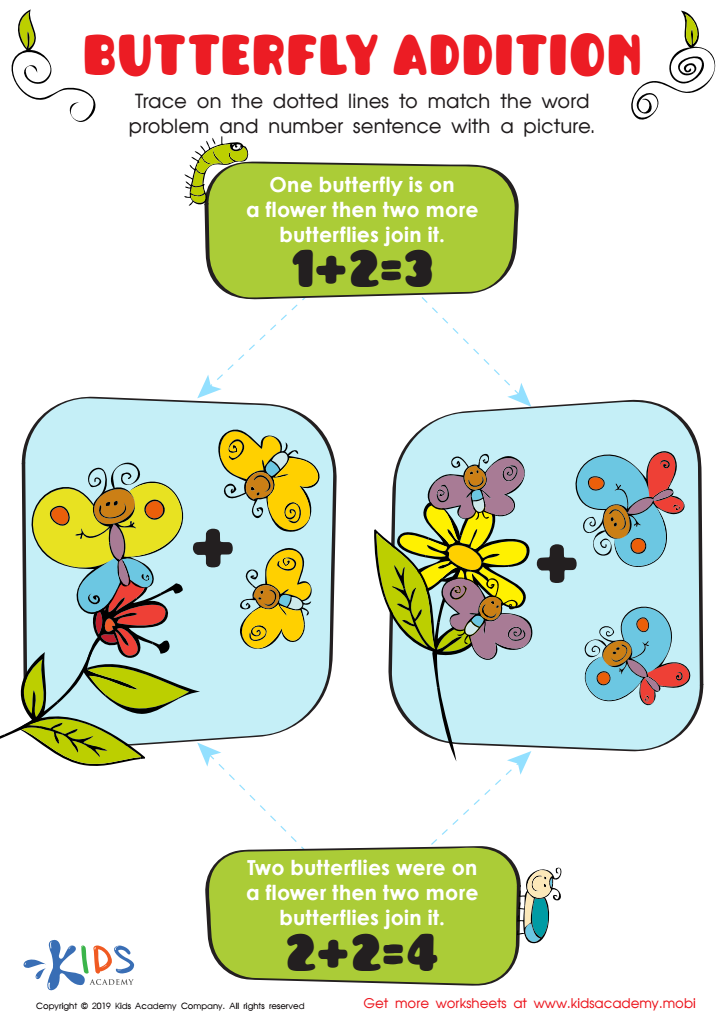
Butterfly Addition Worksheet
 Assign to My Students
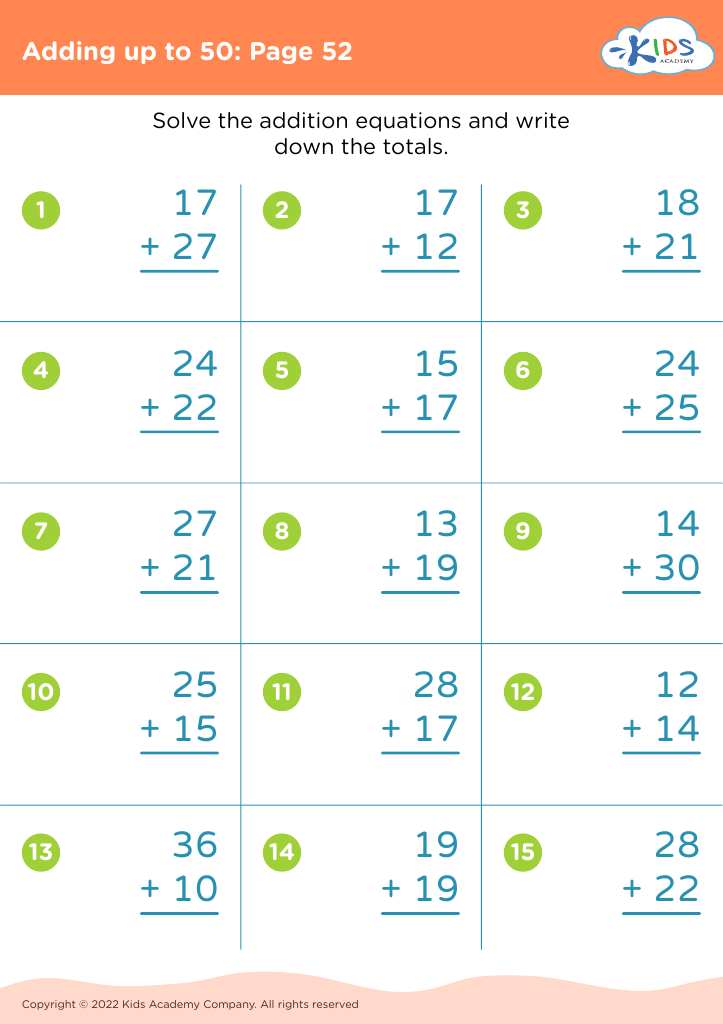
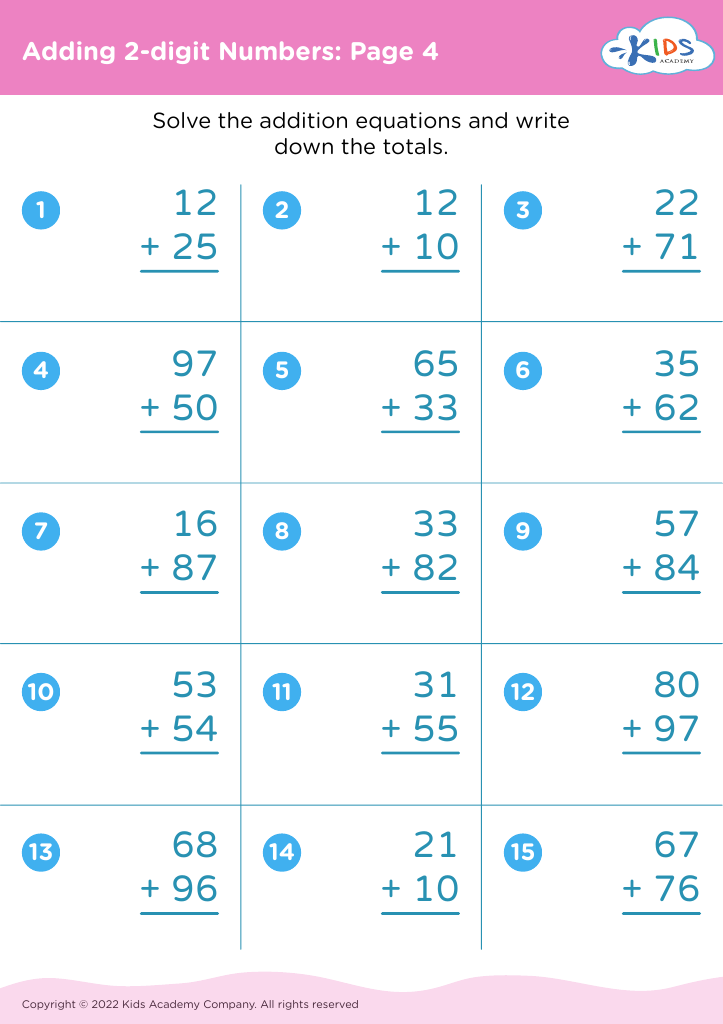
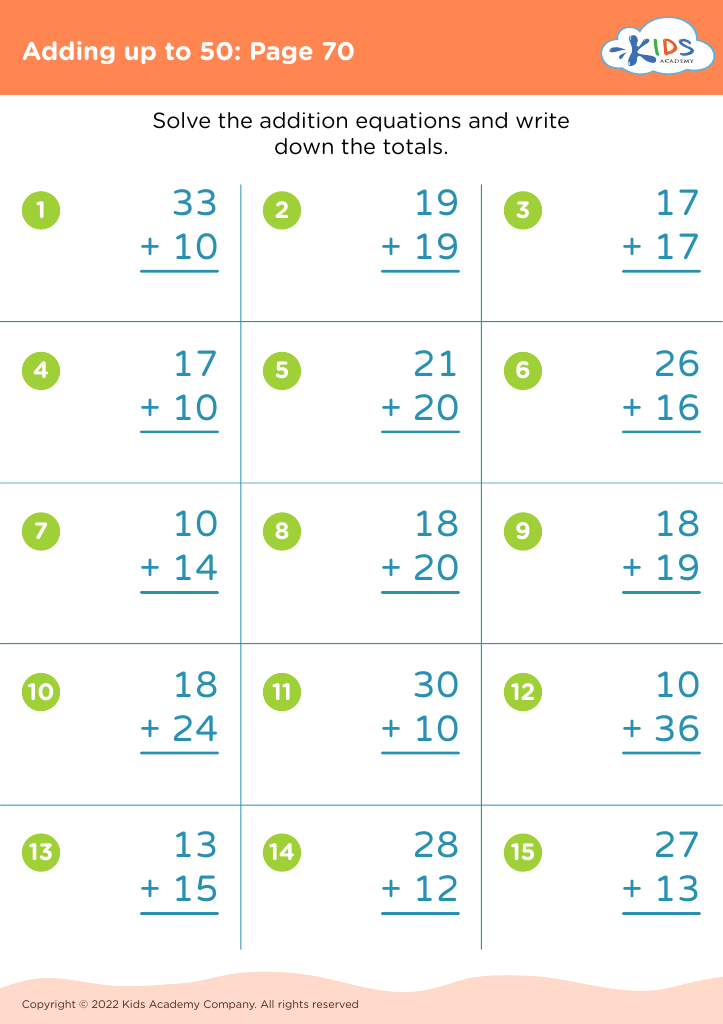
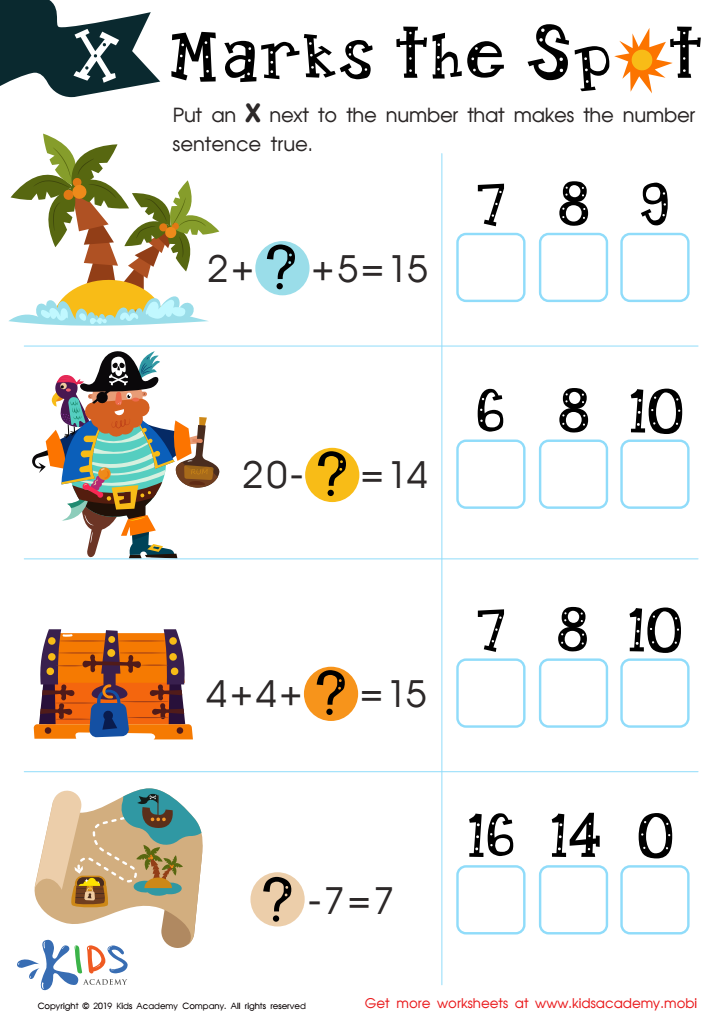
X Marks the Spot Worksheet








Understanding symmetry, addition, and subtraction is crucial for children ages 7-8 as these concepts lay the foundation for their mathematical development. Symmetry plays an essential role in early geometry, helping children recognize and create patterns that look the same on either side of a central line. This awareness enhances spatial reasoning, critical for problem-solving in various mathematical and everyday situations.
Additionally, mastering addition and subtraction strengthens a child's ability to manipulate numbers, which forms the basis for all further arithmetic. At this age, students are transitioning from concrete understanding to more abstract concepts; thus, familiarity with these operations boosts their confidence and encourages mathematical exploration.
For teachers and parents, focusing on these concepts can empower children to develop essential cognitive skills, such as logical thinking and pattern recognition, and enhance their understanding of relationships within numbers. Moreover, these foundational concepts are often interlinked; recognizing patterns in symmetrical shapes can help children grasp spatial reasoning in numerical contexts.
Supporting children in mastering symmetry, addition, and subtraction prepares them for more complex mathematical challenges ahead, equipping them with the skills necessary for academic success and real-life application. Fostering a positive attitude toward math at this stage promotes lifelong learning and curiosity in the subject.








