Comparing Fractions Addition Worksheets for Ages 7-8
82 filtered results
-
From - To
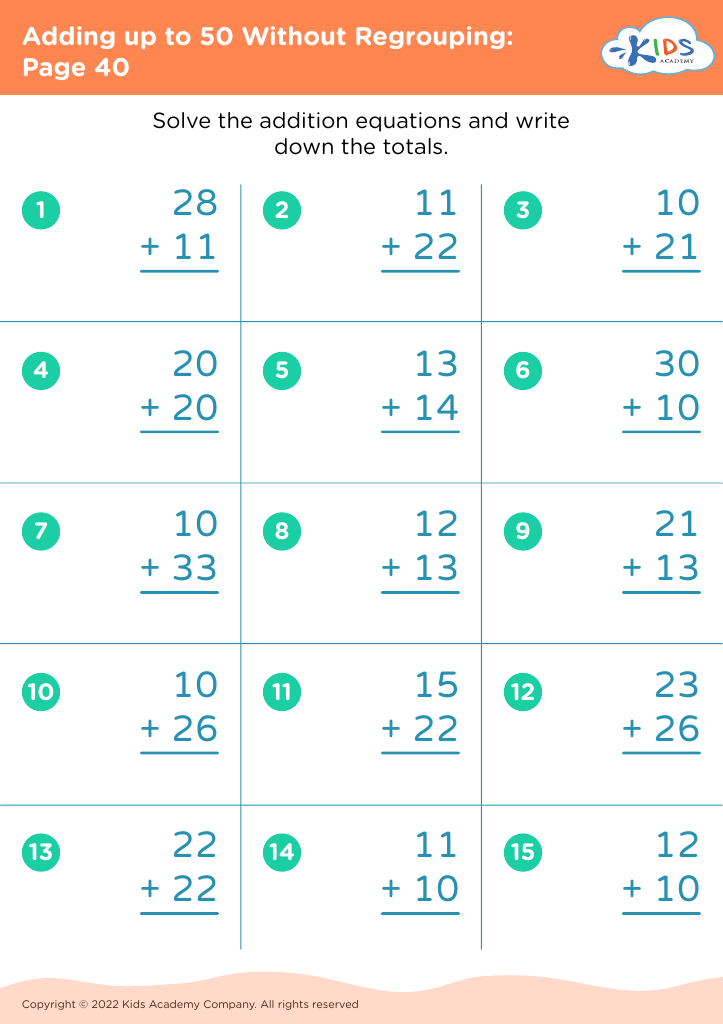
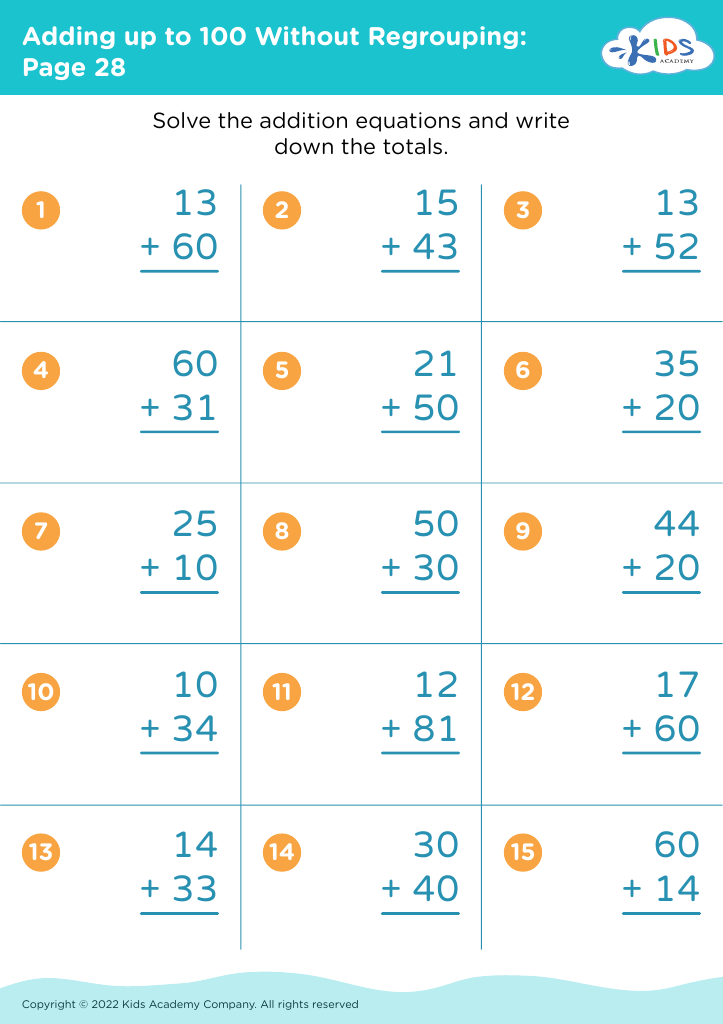
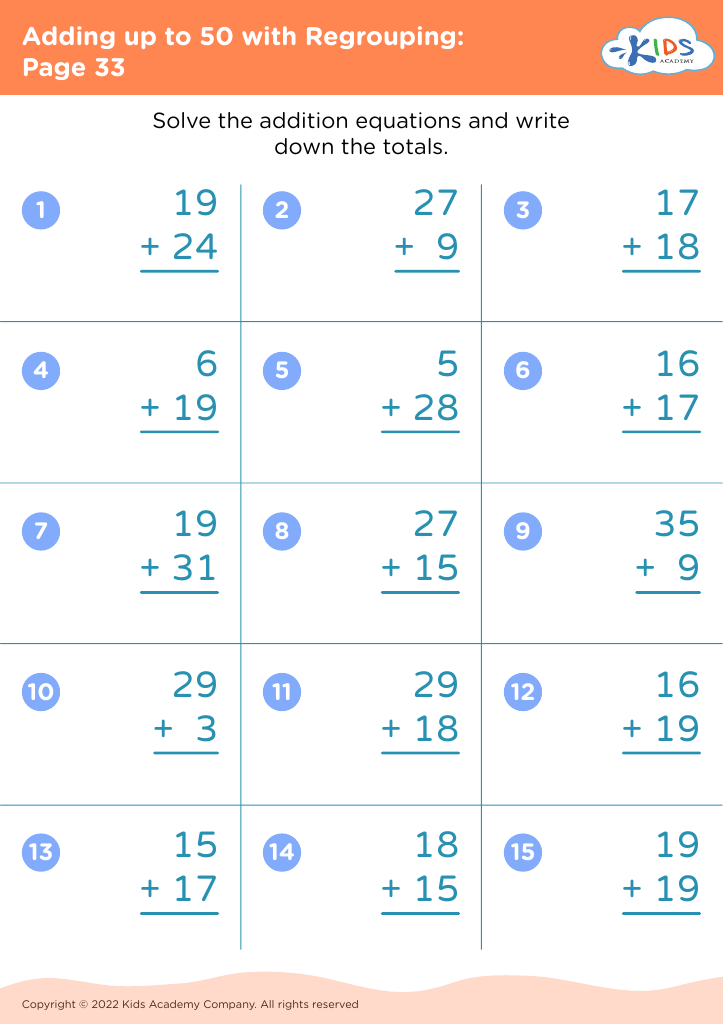
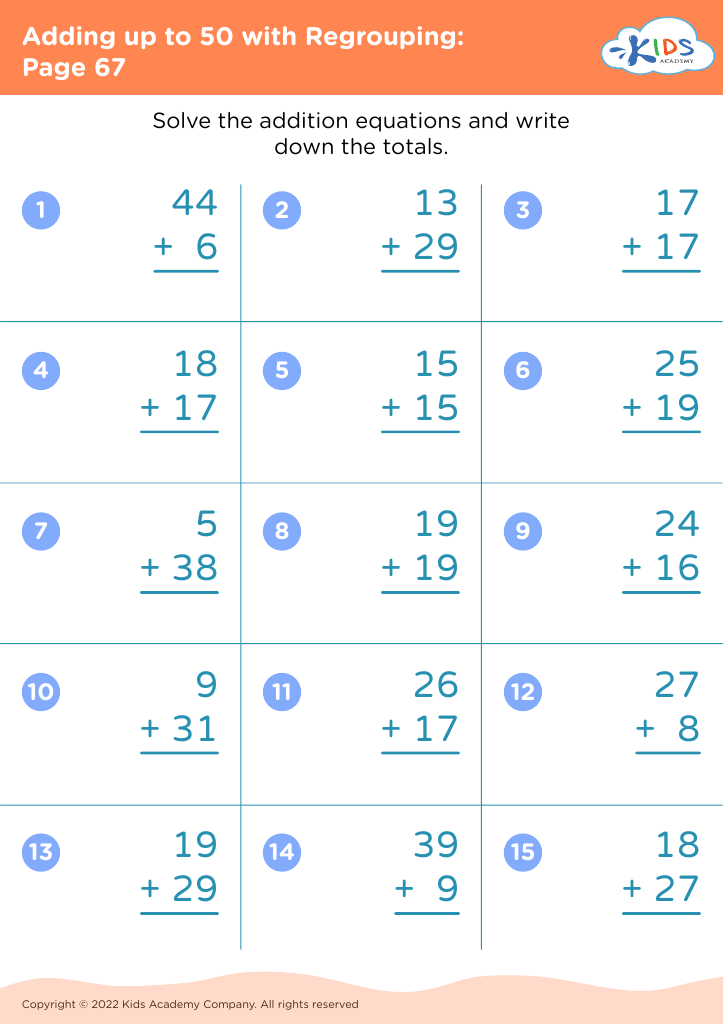
Enhance your child's math skills with our Comparing Fractions Addition Worksheets designed specifically for ages 7-8. These engaging worksheets provide young learners with an interactive platform to practice adding fractions while developing their understanding of comparison concepts. Through a variety of fun exercises, kids will gain confidence in their ability to analyze and combine fractions, setting a solid foundation for future math success. Our resources cater to different learning styles, ensuring every child can grasp these essential skills at their own pace. Boost your child’s fraction abilities today and watch them excel in math with our structured, easy-to-follow worksheets!
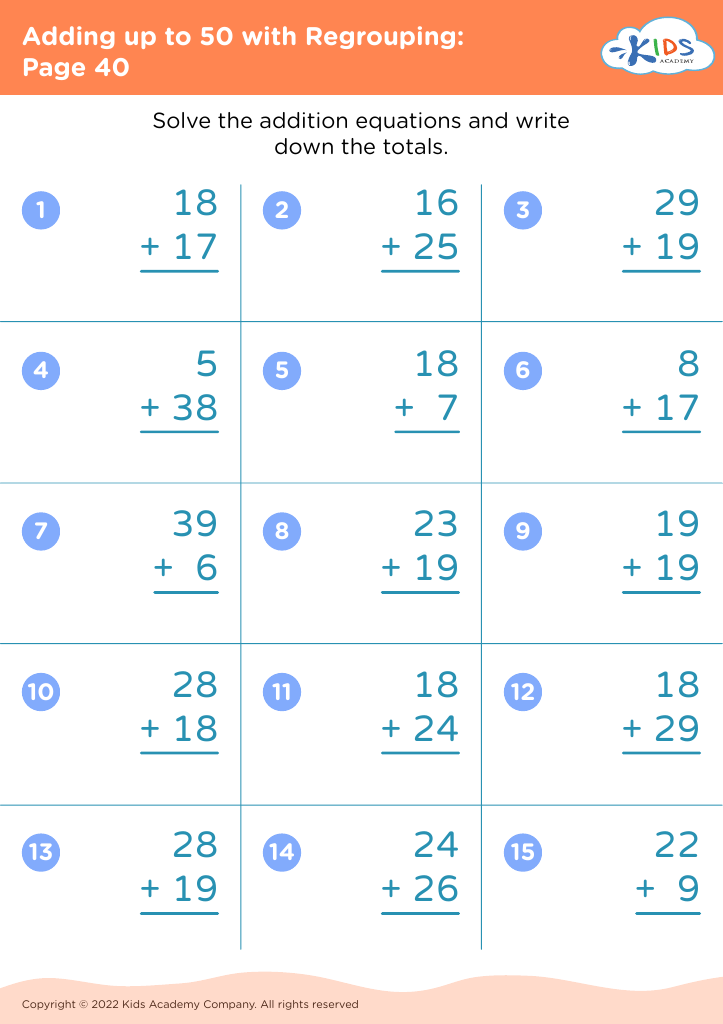
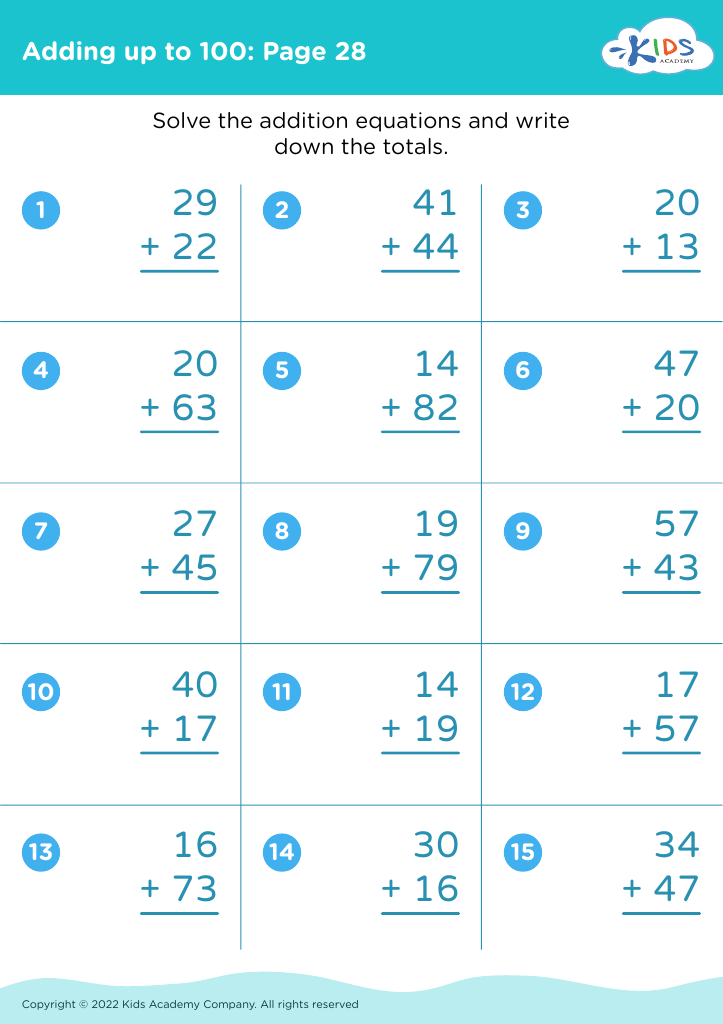
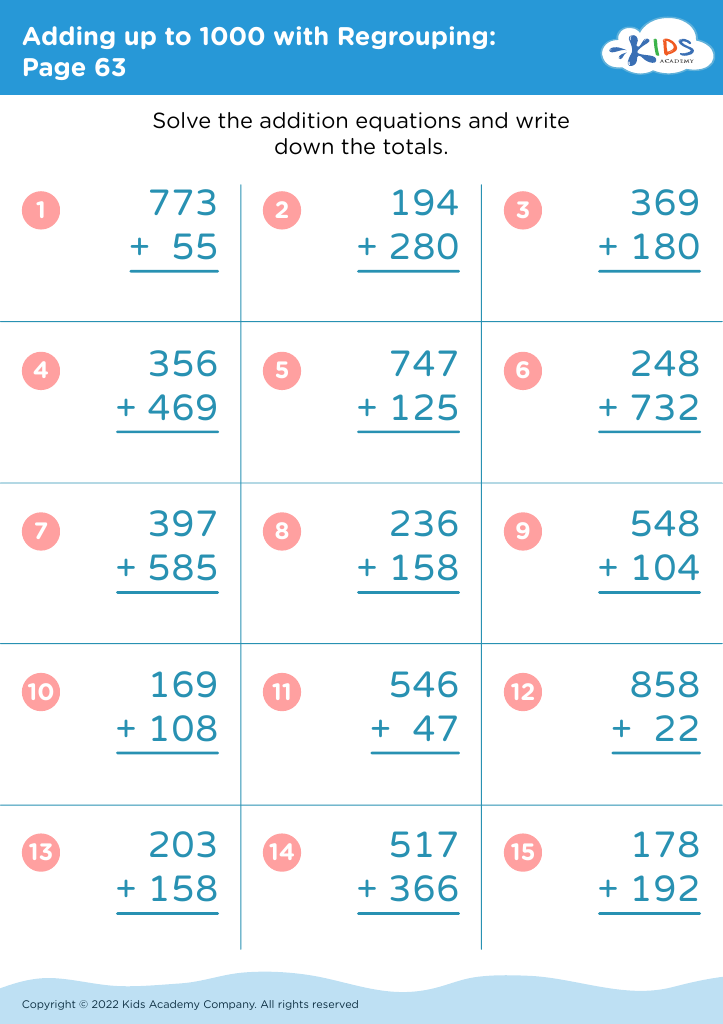
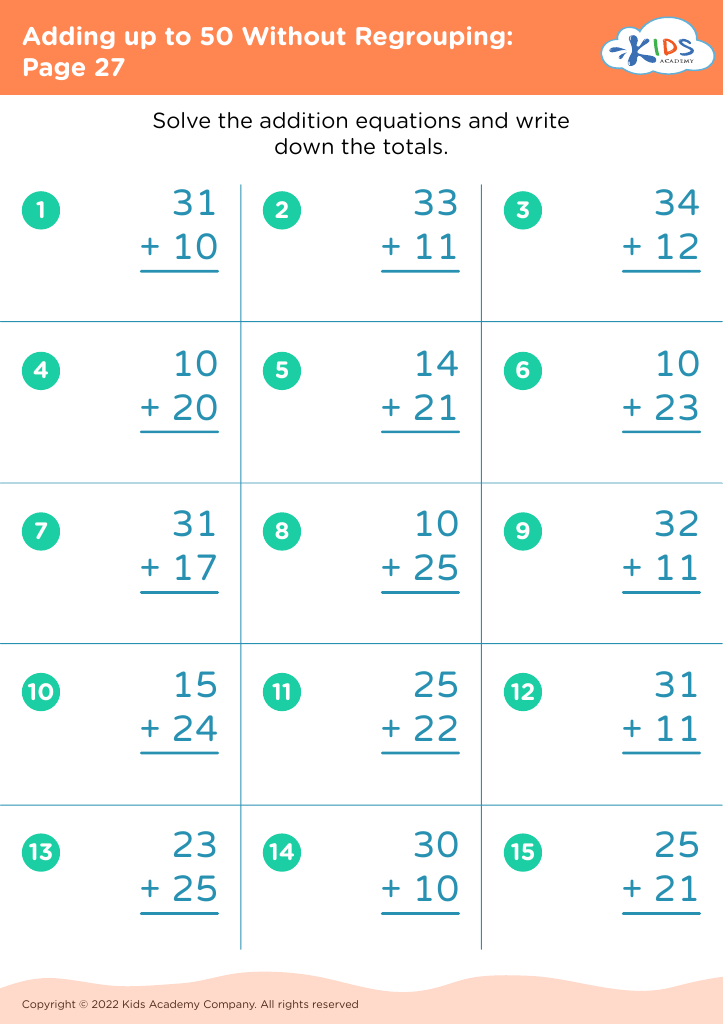
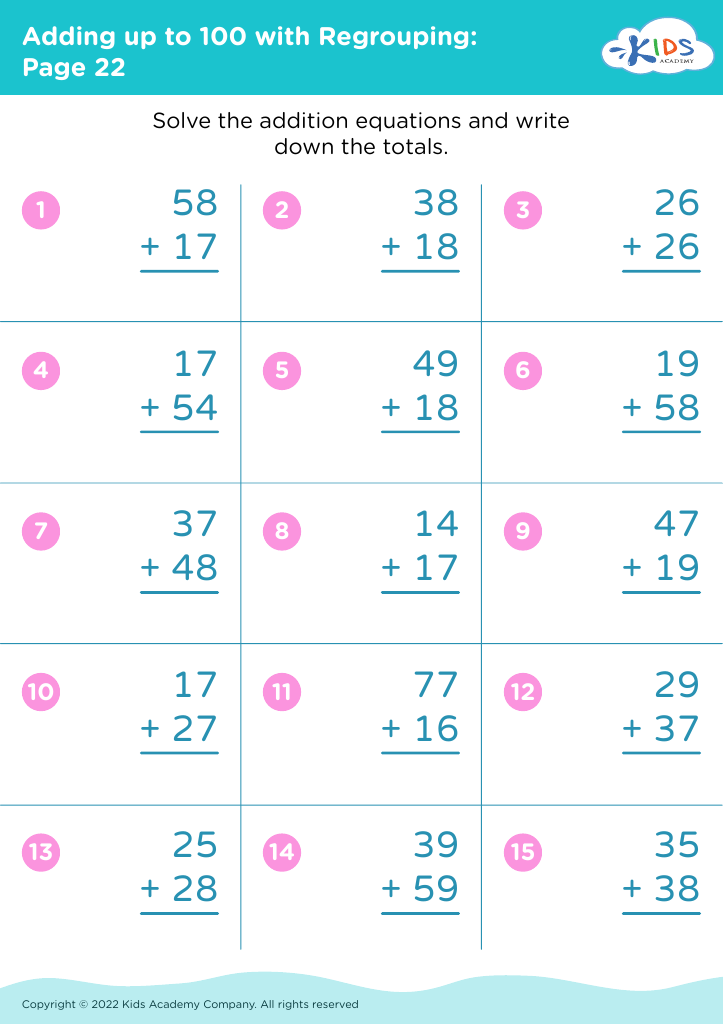
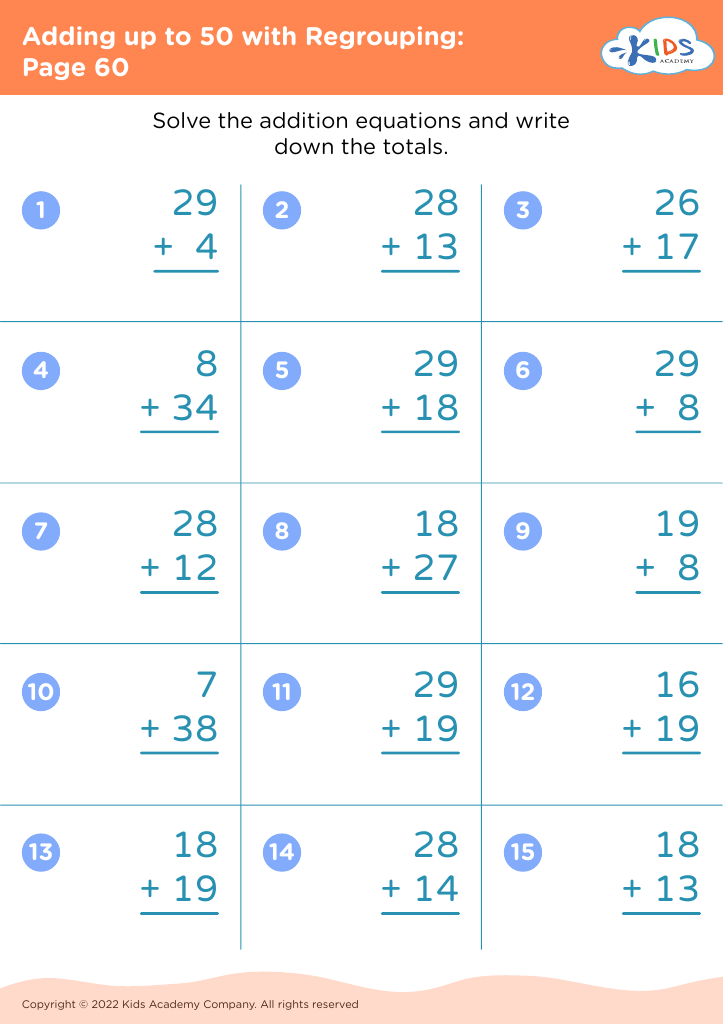
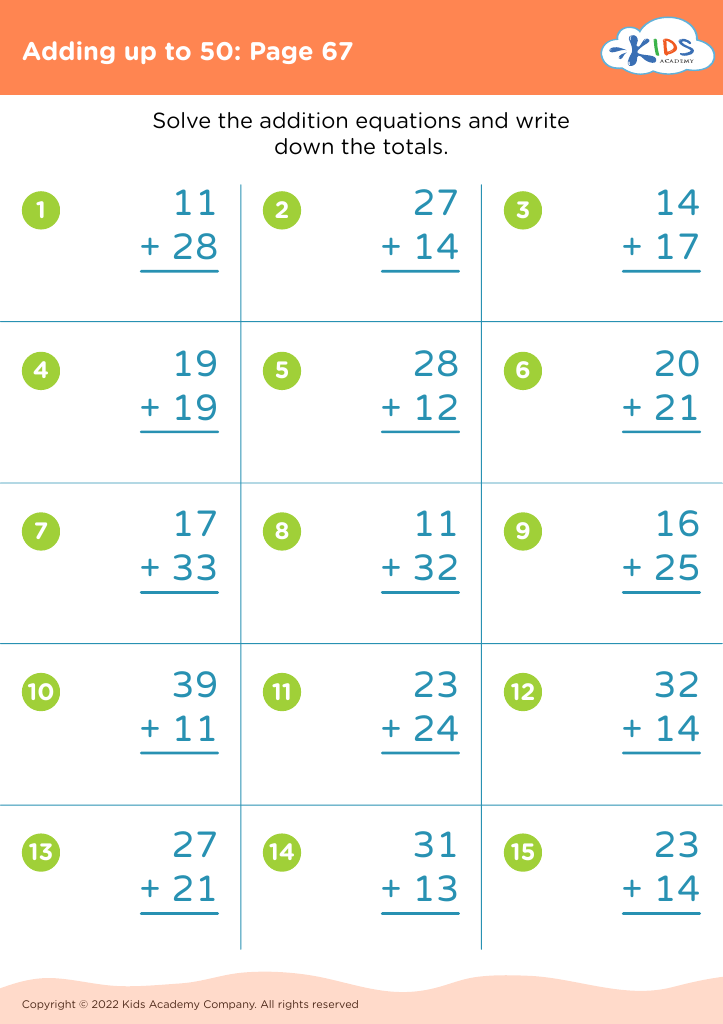
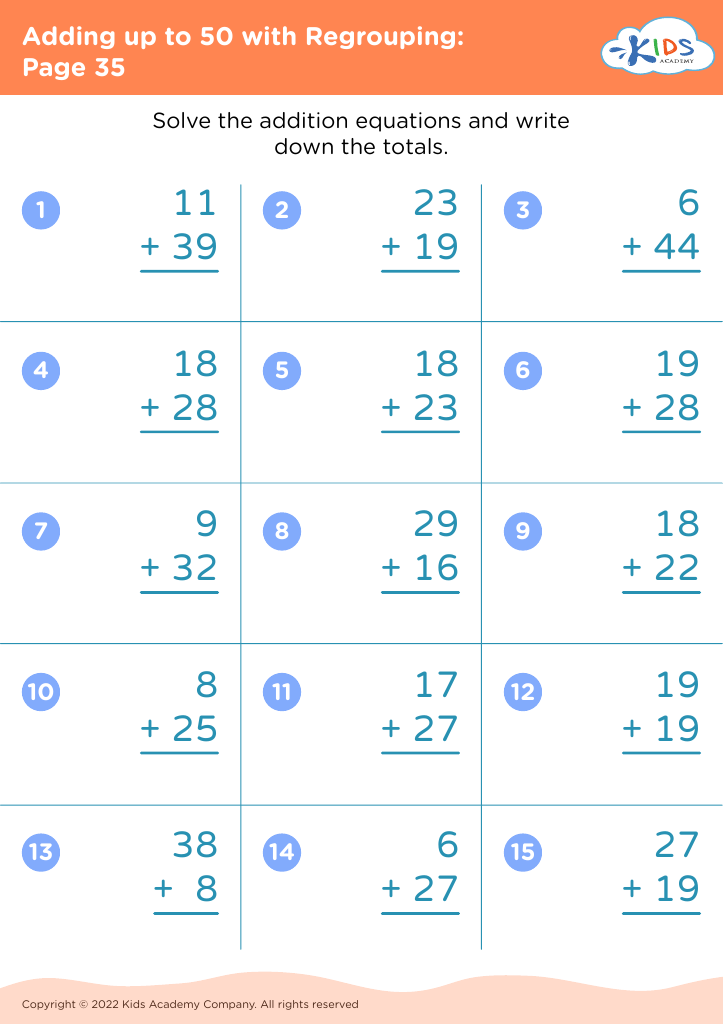








Understanding how to compare and add fractions is essential for children aged 7-8, as it lays the groundwork for their future math skills. At this age, students' cognitive abilities are rapidly developing, and they are beginning to grasp more complex mathematical concepts. Comparing fractions helps children understand the relationships between different quantities, enhancing their problem-solving and critical-thinking skills.
Moreover, the ability to add fractions with different denominators is crucial in real-life situations, like cooking, budgeting, or sharing resources. When parents and teachers emphasize these fundamentals, they equip children with practical skills they will use throughout their education and daily life.
Additionally, mastering fractions fosters confidence in math, helping students transition smoothly into more advanced topics such as ratios, percentages, and algebra. Engaging in hands-on activities and interactive discussions about fractions can make learning enjoyable, encouraging a positive attitude towards mathematics.
By actively supporting kids during this developmental stage, parents and teachers play a vital role in nurturing their mathematical abilities, ensuring their academic success, and encouraging a lifelong appreciation for learning. Building a solid fraction foundation opens doors to a deeper understanding of mathematics in the future.








