Filters

82 filtered results

Clear all filters
Favorites
With answer key
Interactive

82 filtered results

Difficulty Level

Grade


Check out this FREE Trial Lesson on Addition for age 7-8!

T

Favorites
With answer key
Interactive
  • 7-8
  • Comparing Fractions
  • Addition
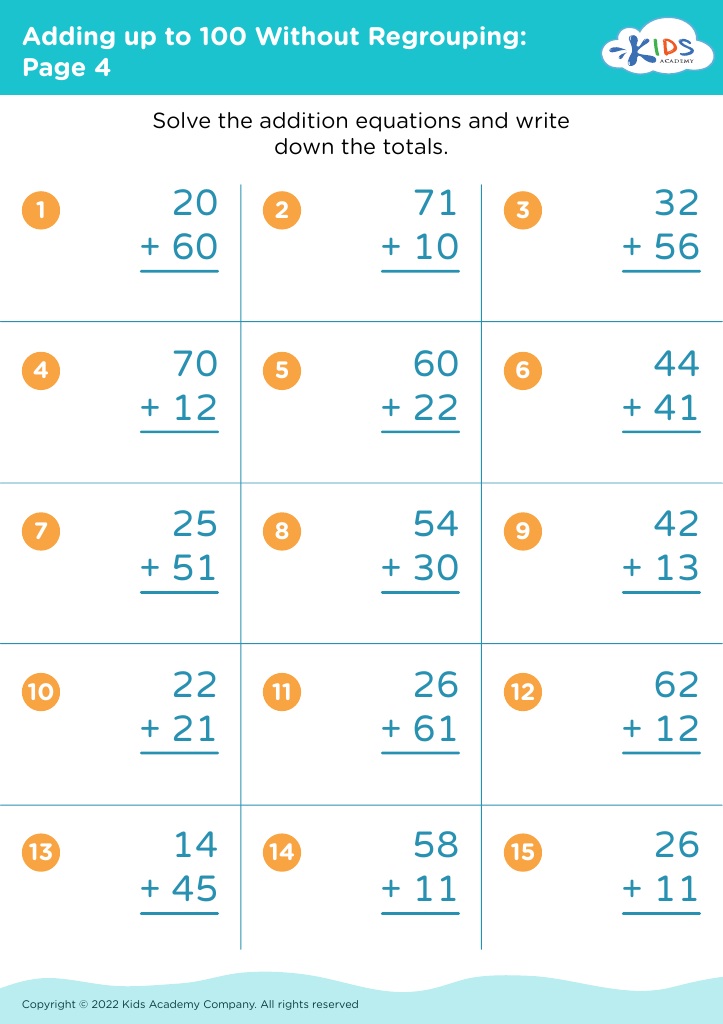
Adding up to 100 Without Regrouping: Page 4
Worksheet
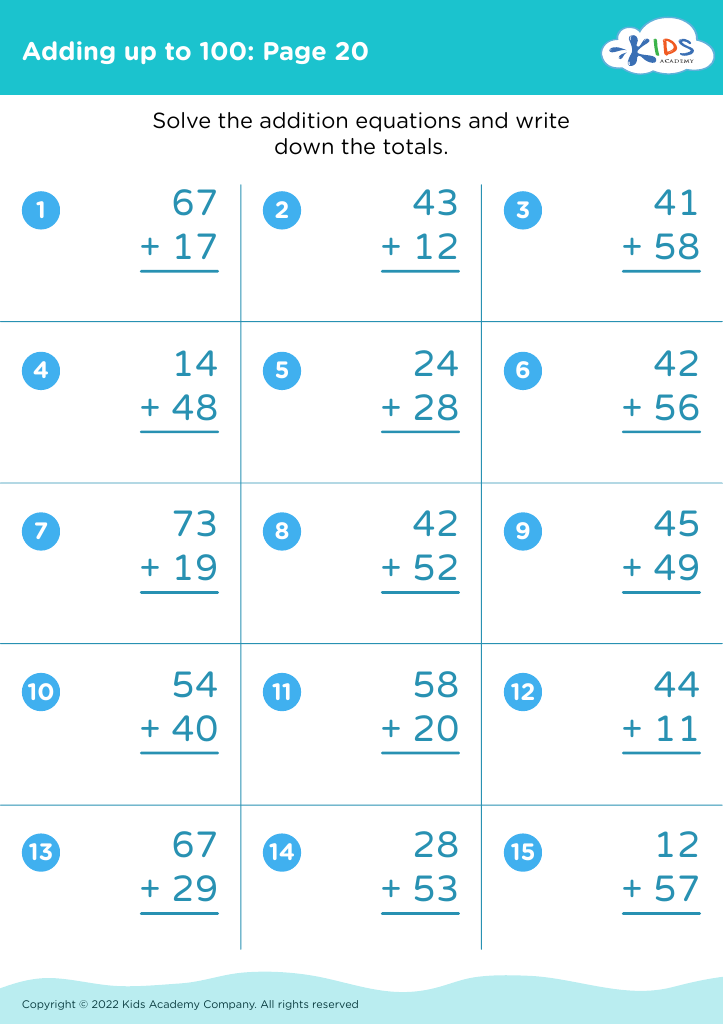
Adding up to 100: Page 20

Adding up to 100: Page 20

Adding up to 100: Page 20
Worksheet
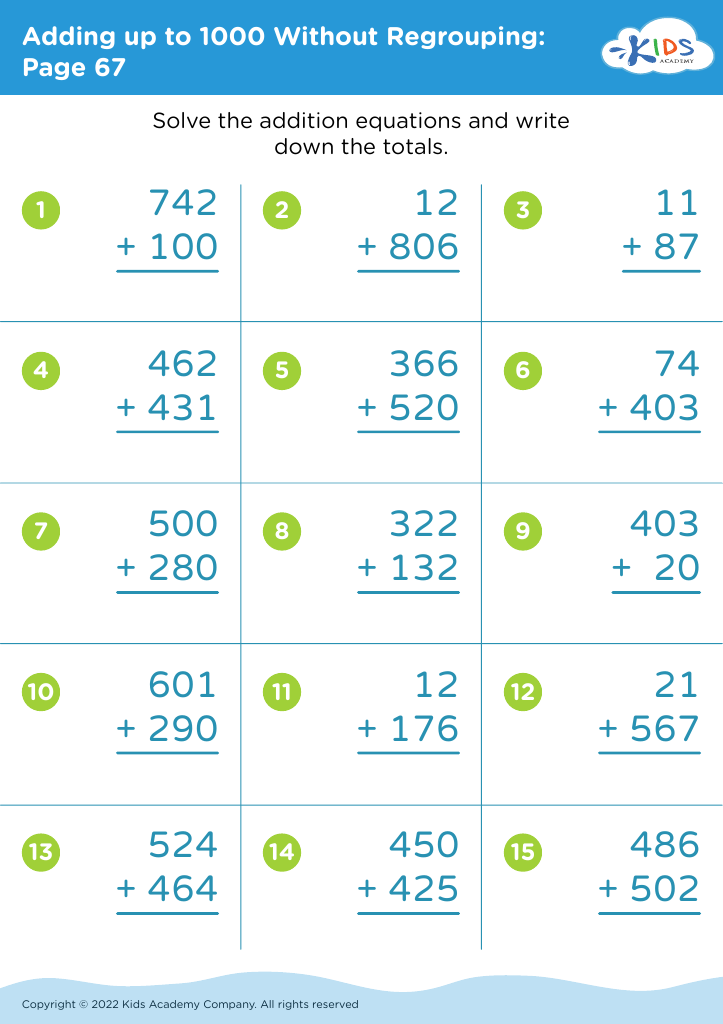
Adding up to 1000 Without Regrouping: Page 67
Worksheet
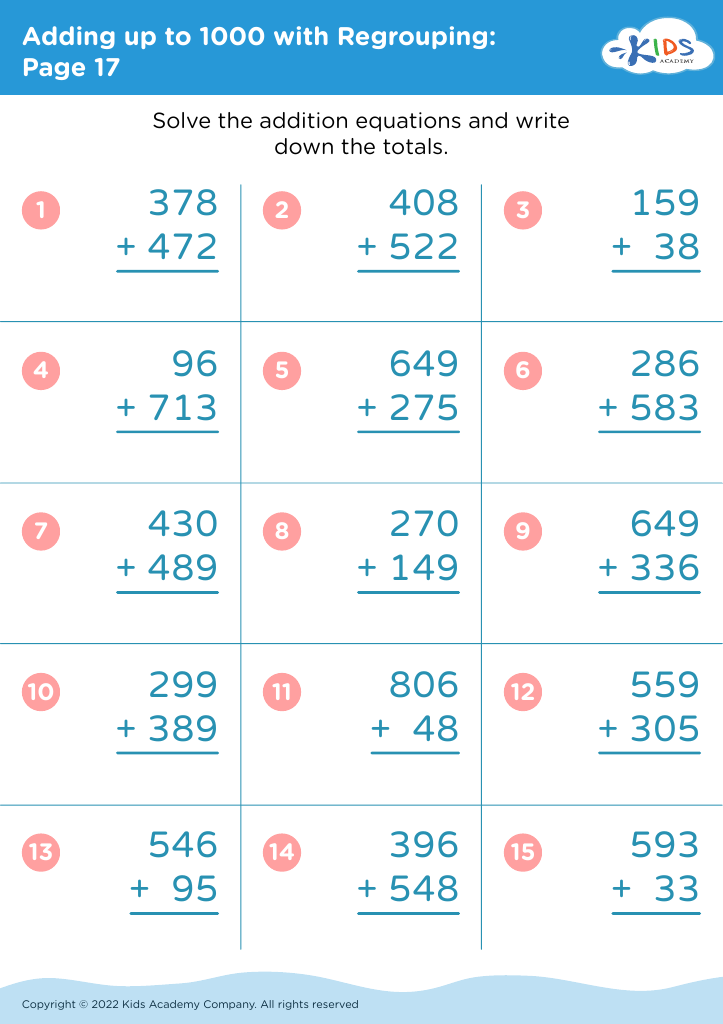
Adding up to 1000 with Regrouping: Page 17
Worksheet
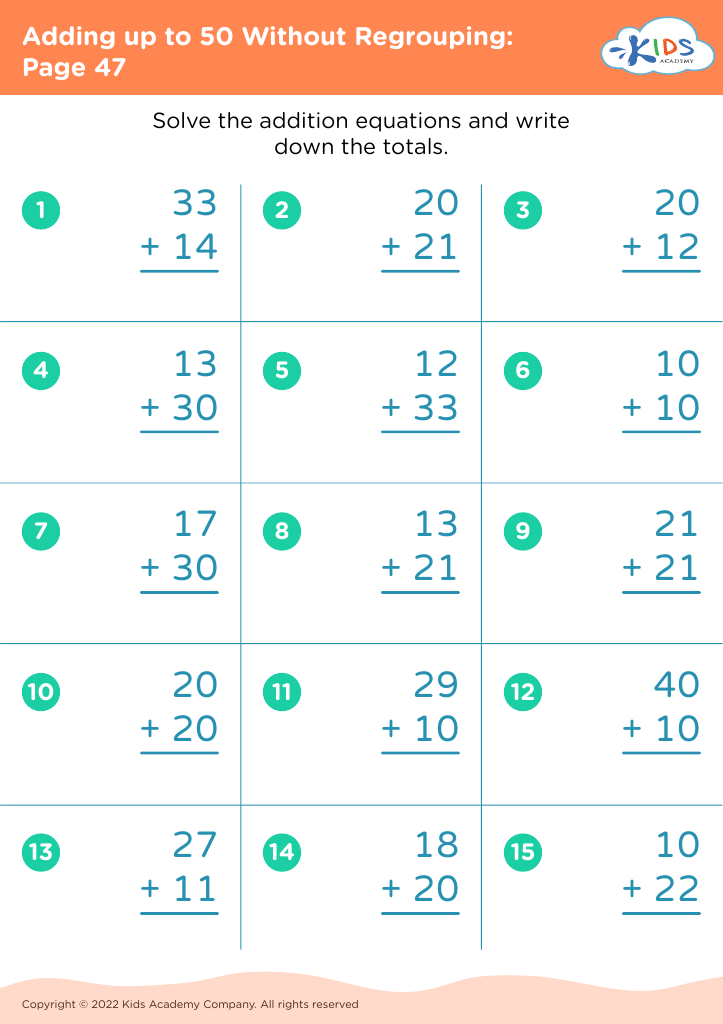
Adding up to 50 Without Regrouping: Page 47
Worksheet
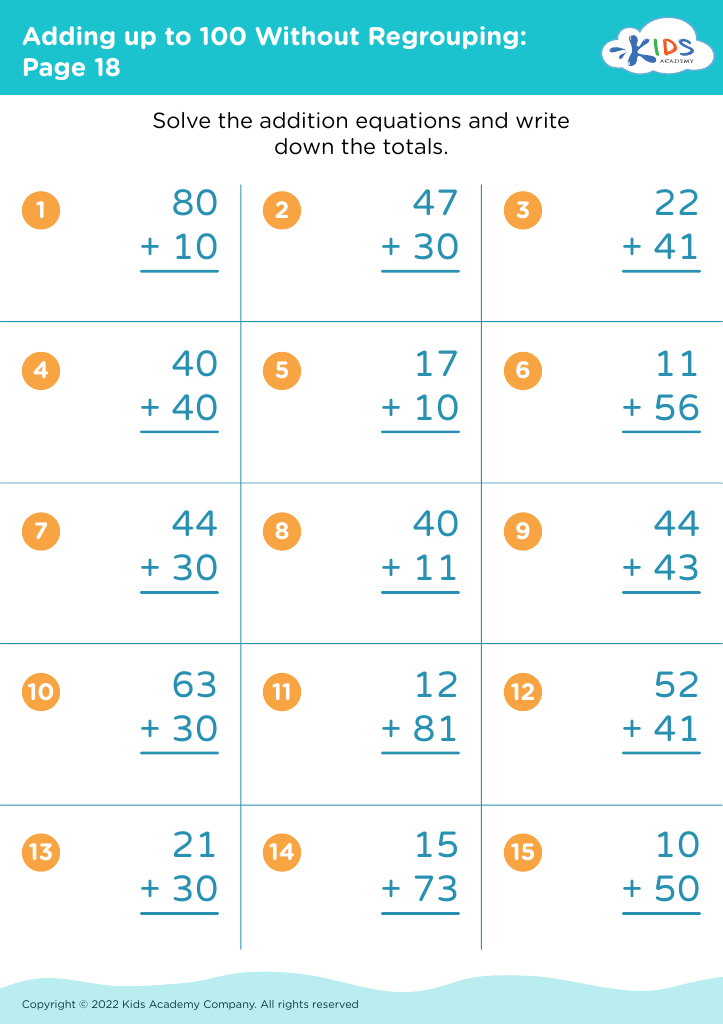
Adding up to 100 Without Regrouping: Page 18
Worksheet
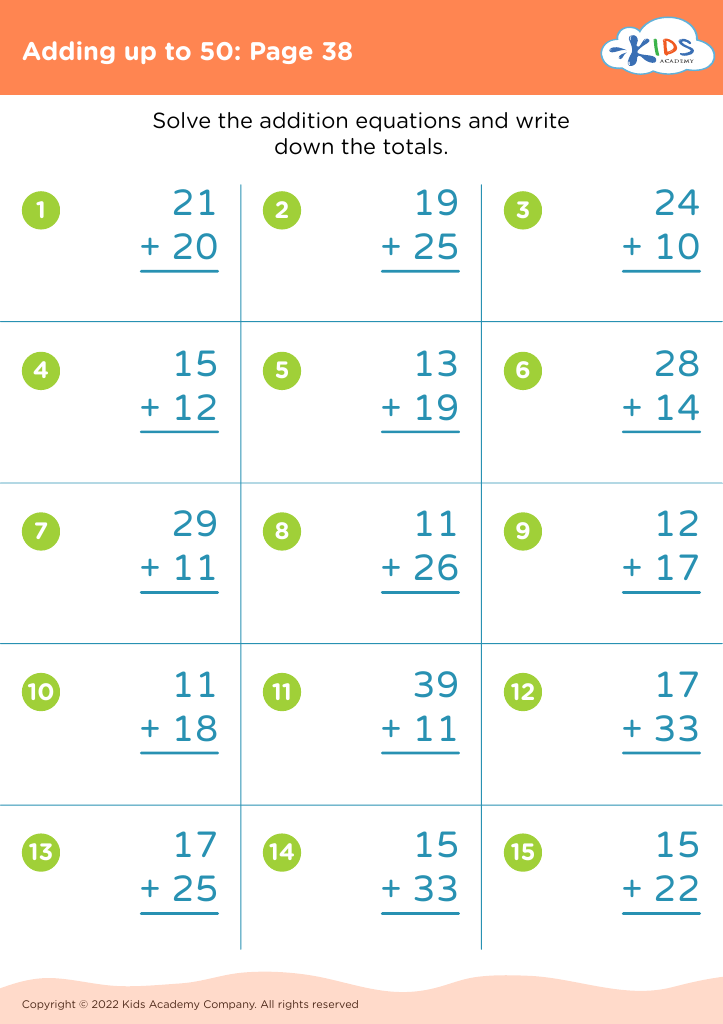
Adding up to 50: Page 38

Adding up to 50: Page 38

Adding up to 50: Page 38
Worksheet
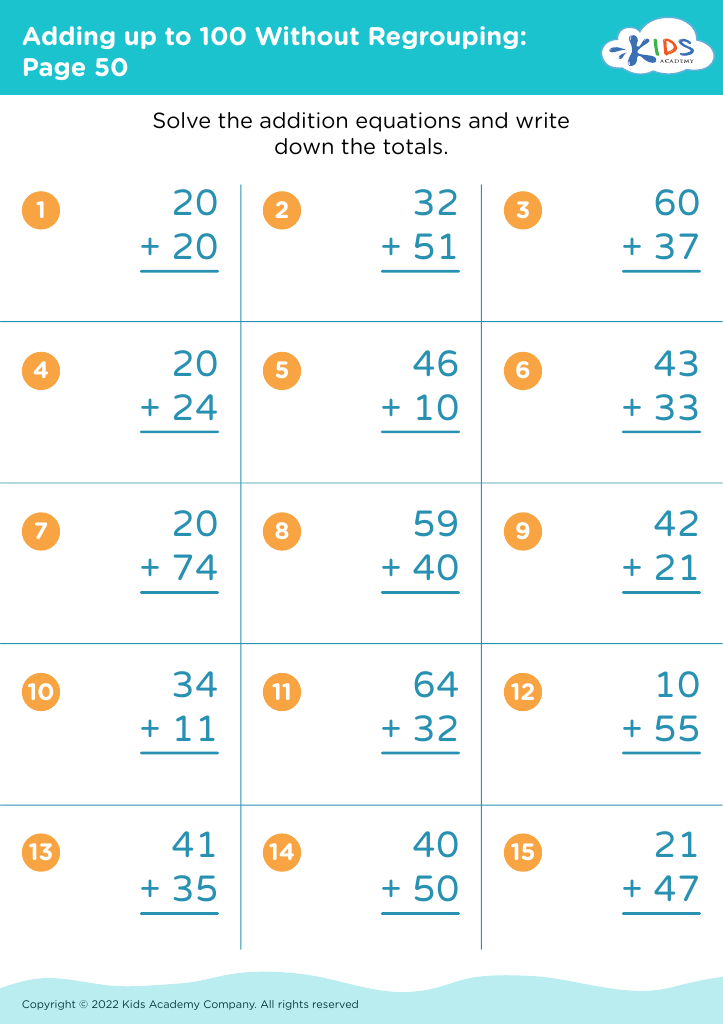
Adding up to 100 Without Regrouping: Page 50
Worksheet
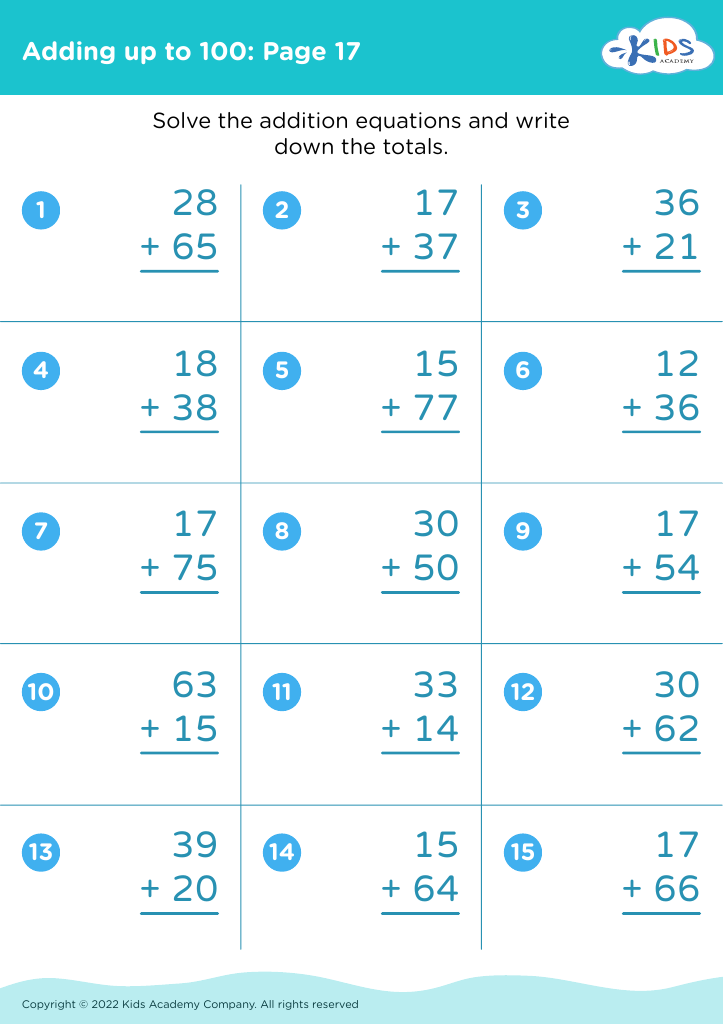
Adding up to 100: Page 17

Adding up to 100: Page 17

Adding up to 100: Page 17
Worksheet
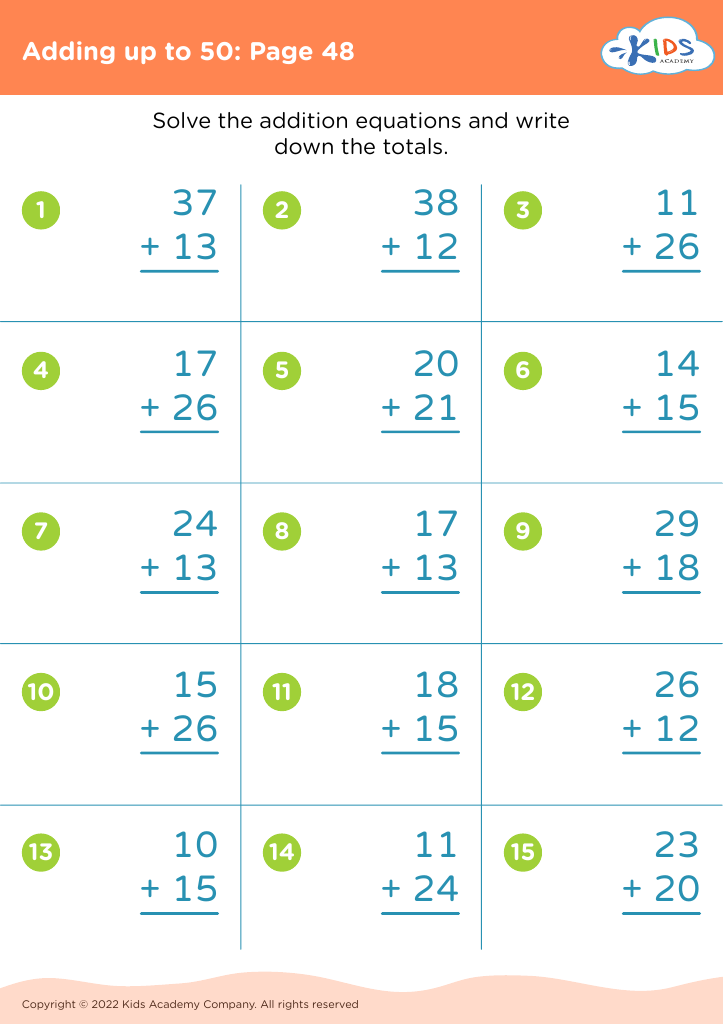
Adding up to 50: Page 48

Adding up to 50: Page 48

Adding up to 50: Page 48
Worksheet
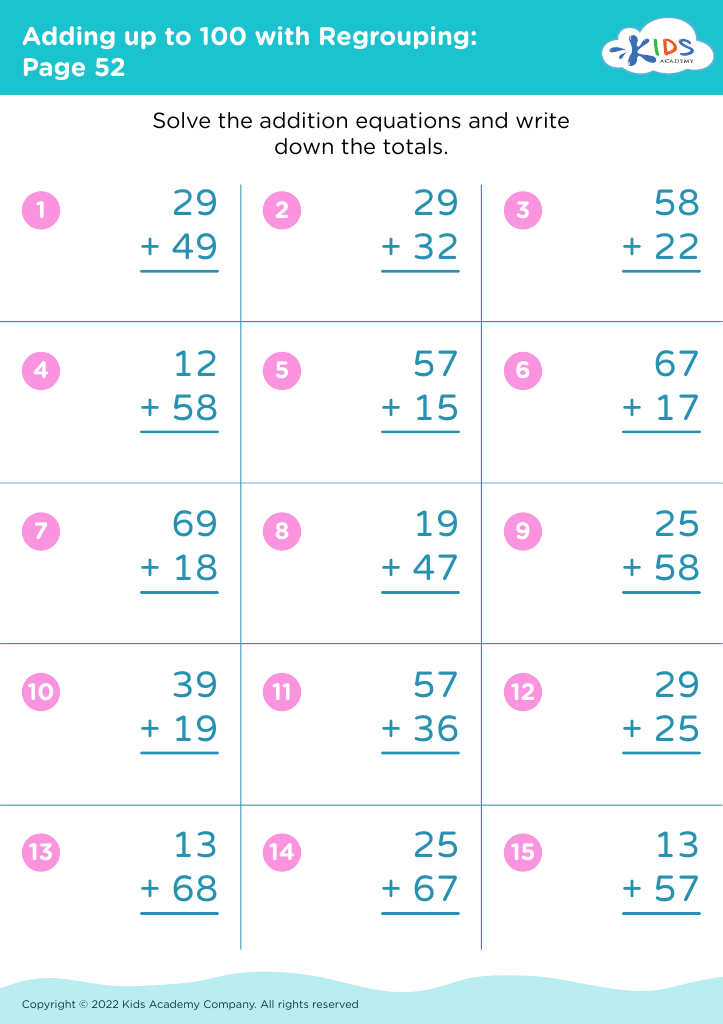
Adding up to 100 with Regrouping: Page 52
Worksheet
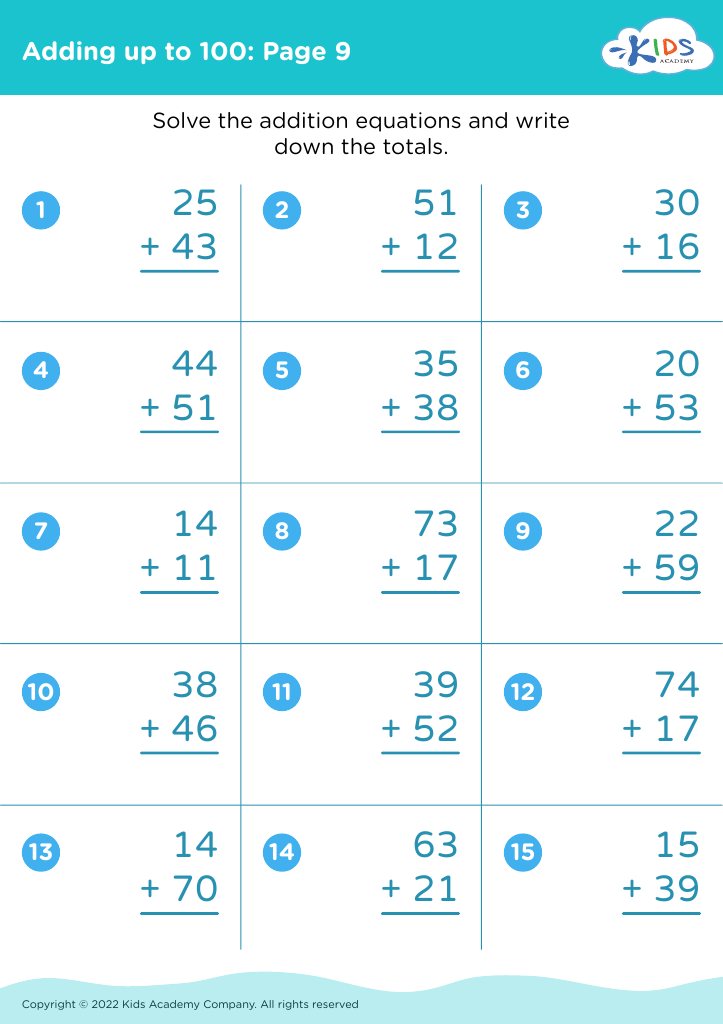
Adding up to 100: Page 9

Adding up to 100: Page 9

Adding up to 100: Page 9
Worksheet
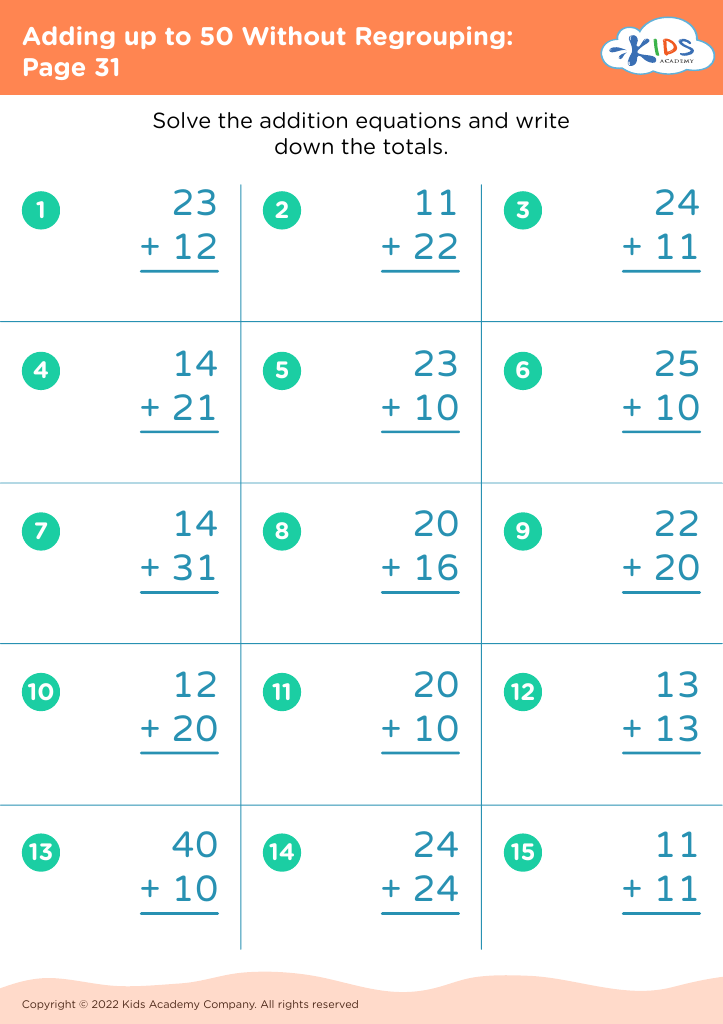
Adding up to 50 Without Regrouping: Page 31
Worksheet
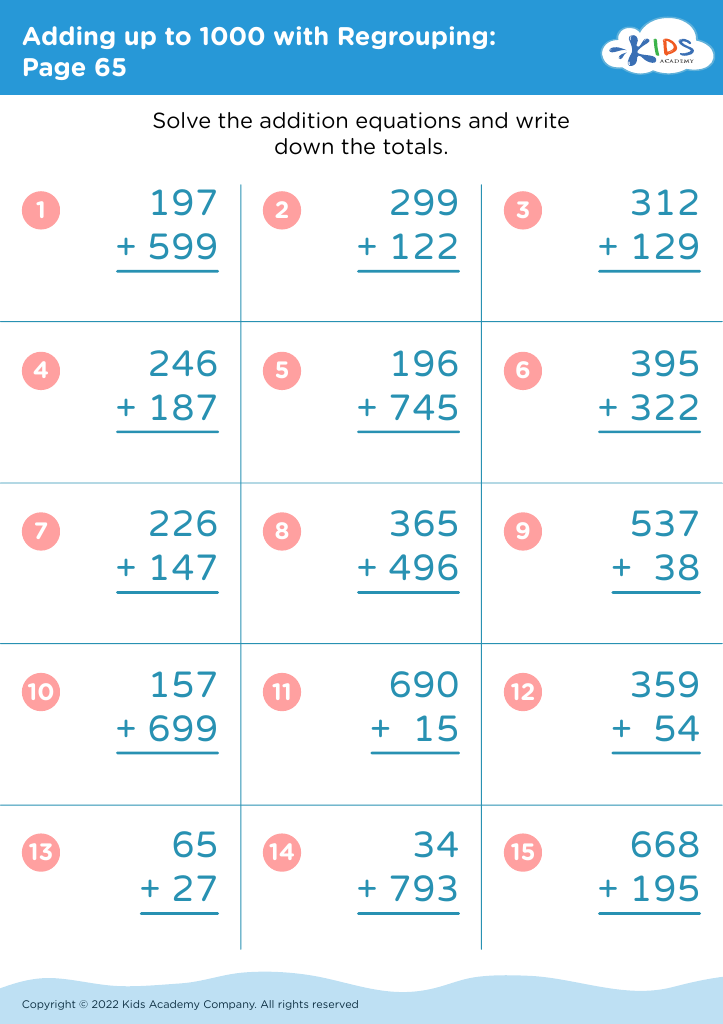
Adding up to 1000 with Regrouping: Page 65
Worksheet
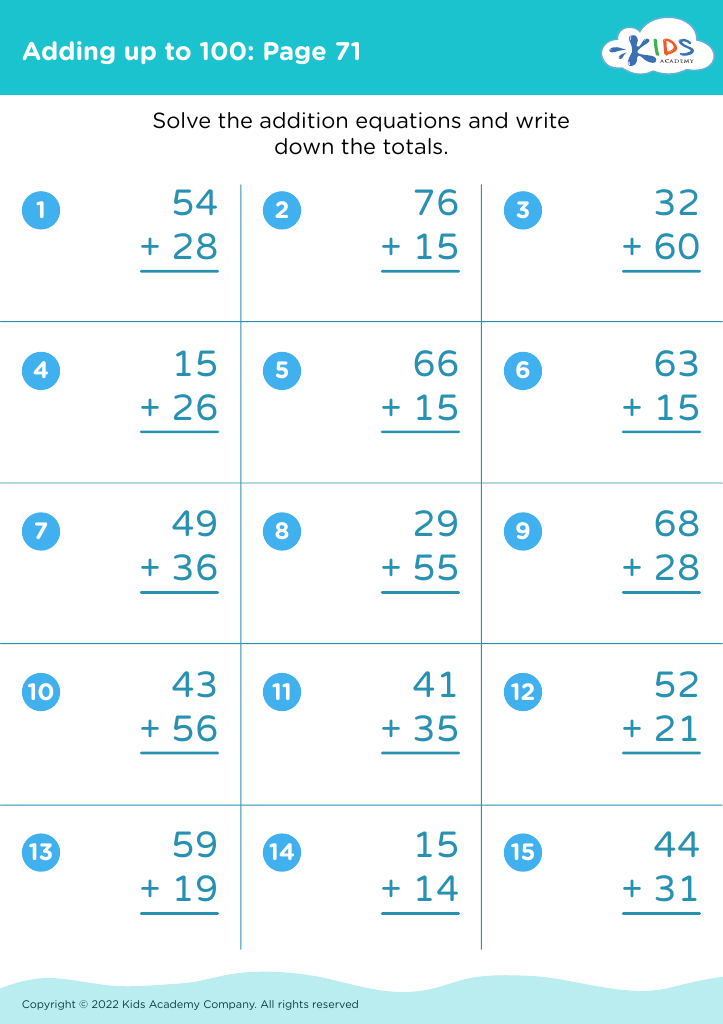
Adding up to 100: Page 71

Adding up to 100: Page 71

Adding up to 100: Page 71
Worksheet
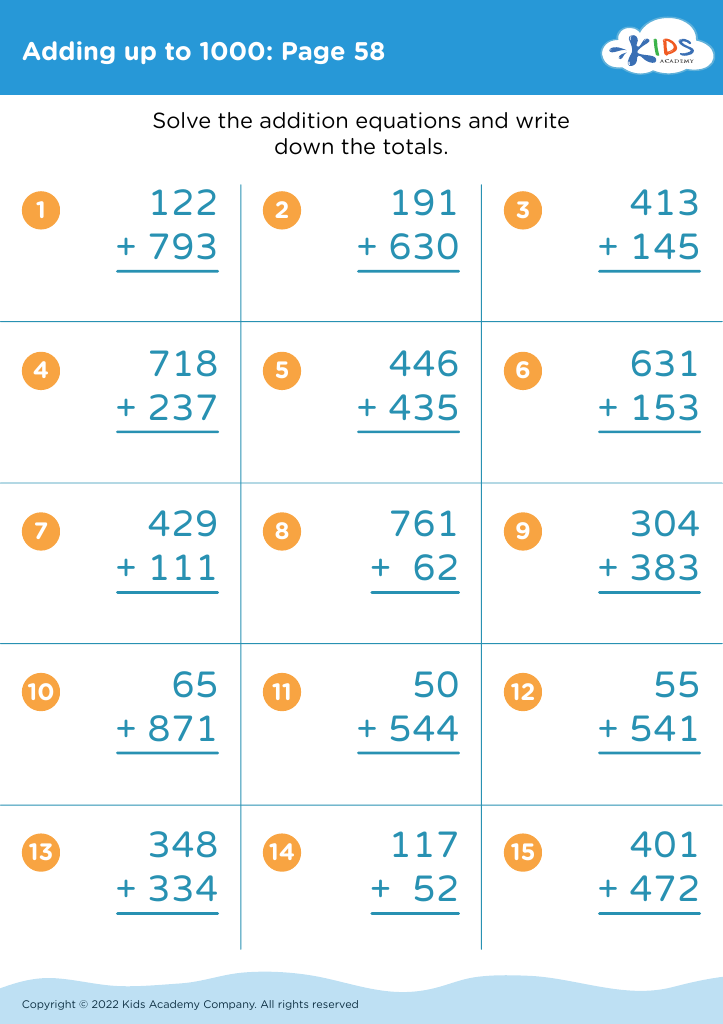
Adding up to 1000: Page 58

Adding up to 1000: Page 58

Adding up to 1000: Page 58
Worksheet
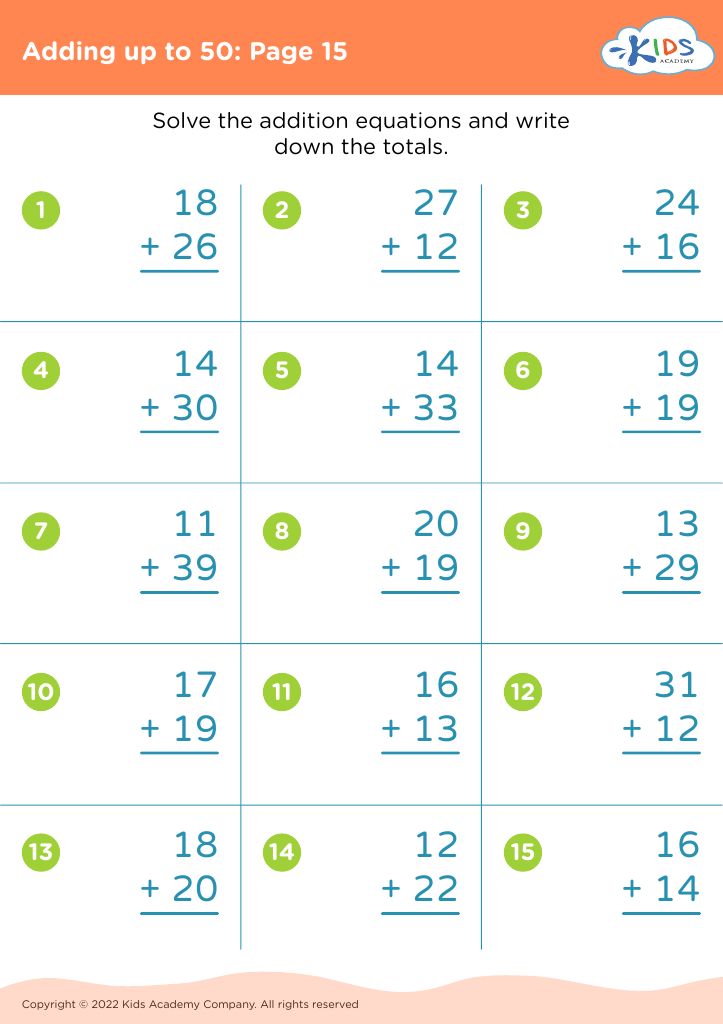
Adding up to 50: Page 15

Adding up to 50: Page 15

Adding up to 50: Page 15
Worksheet
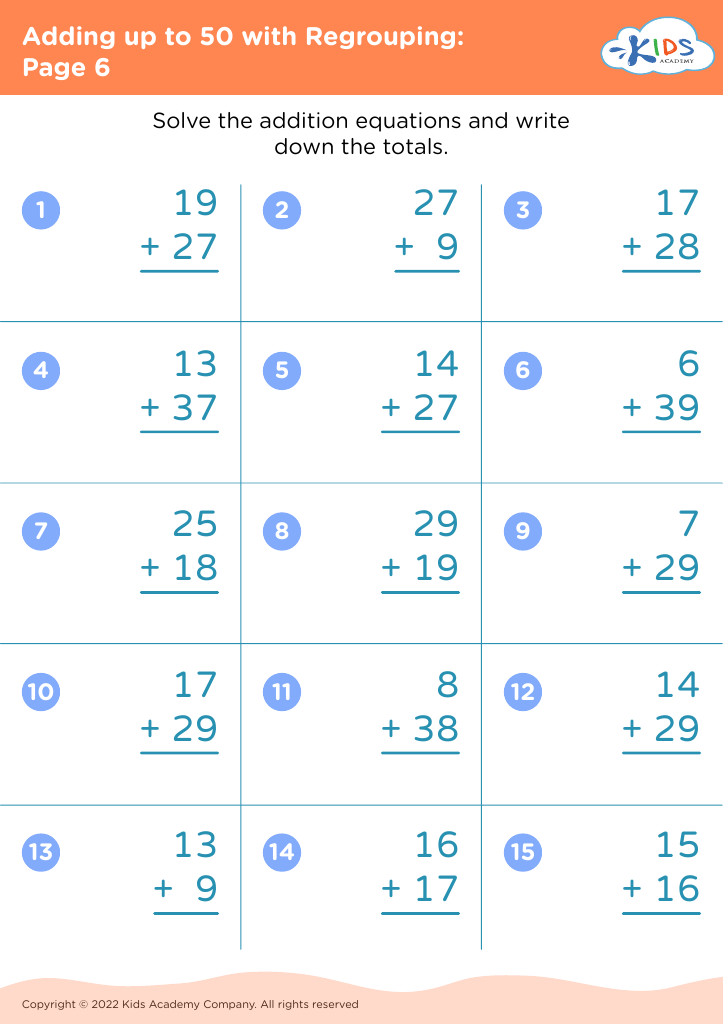
Adding up to 50 with Regrouping: Page 6
Worksheet
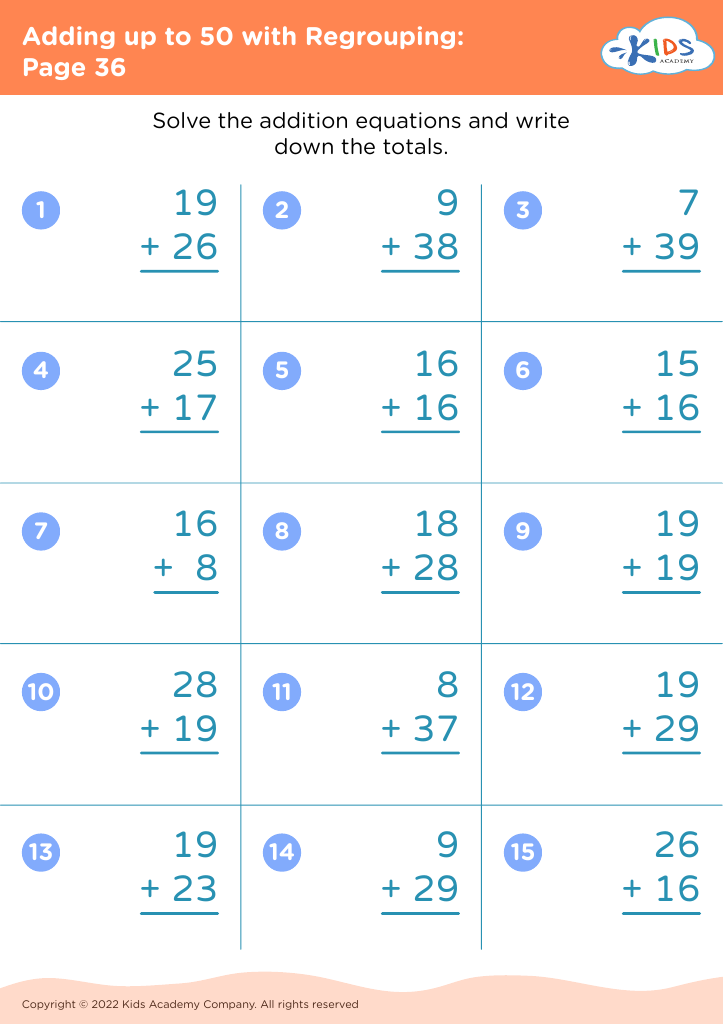
Adding up to 50 with Regrouping: Page 36
Worksheet
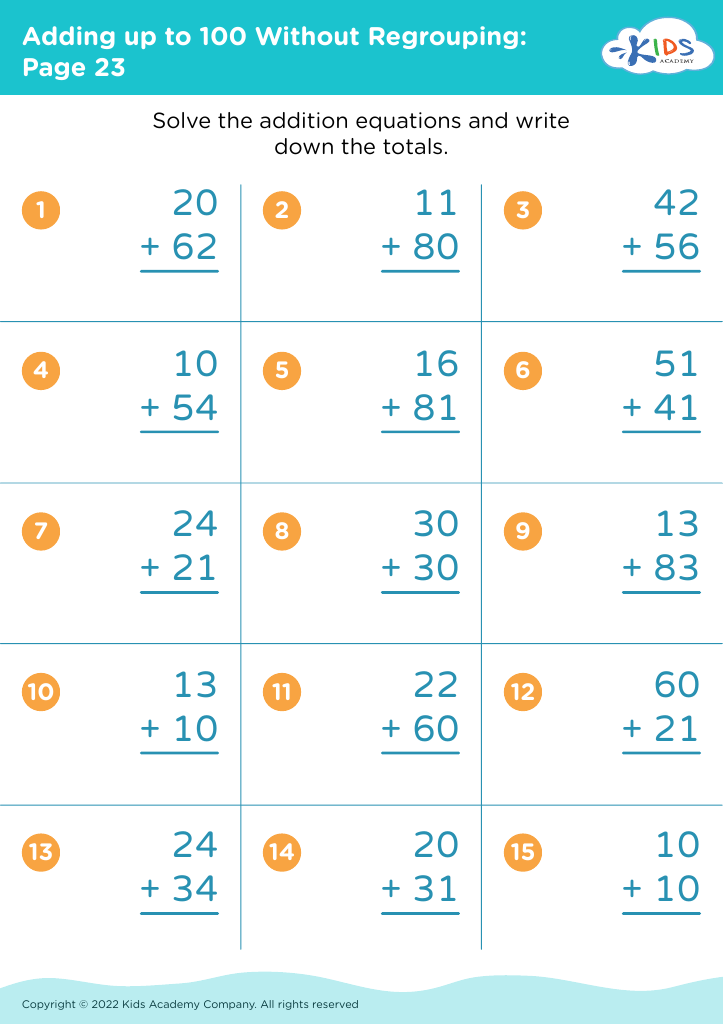
Adding up to 100 Without Regrouping: Page 23
Worksheet
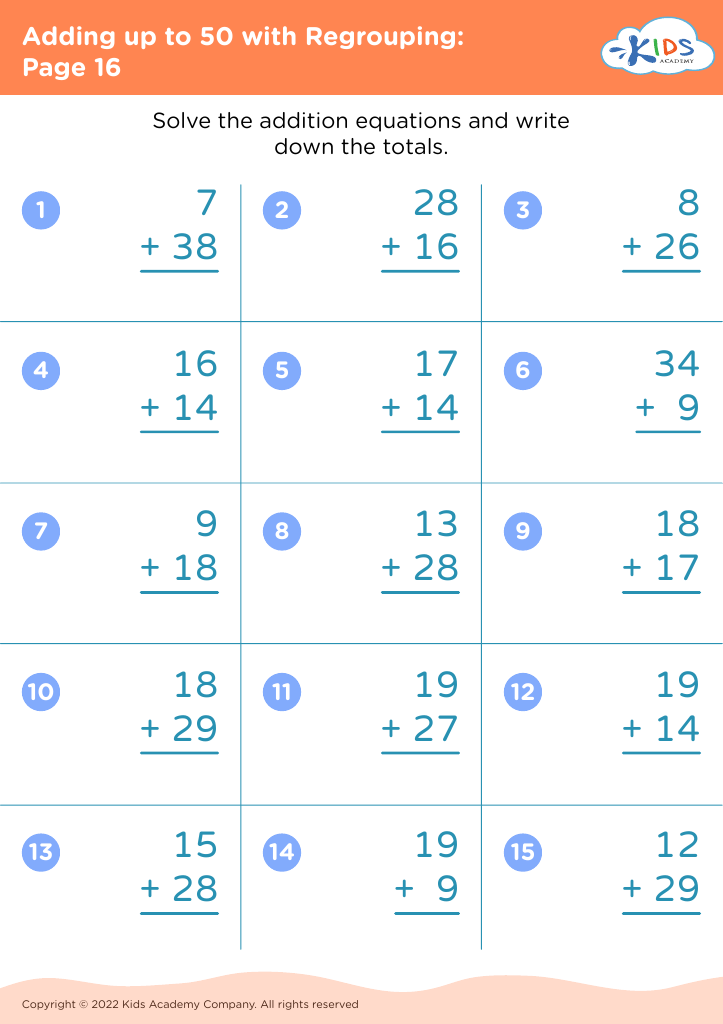
Adding up to 50 with Regrouping: Page 16
Worksheet
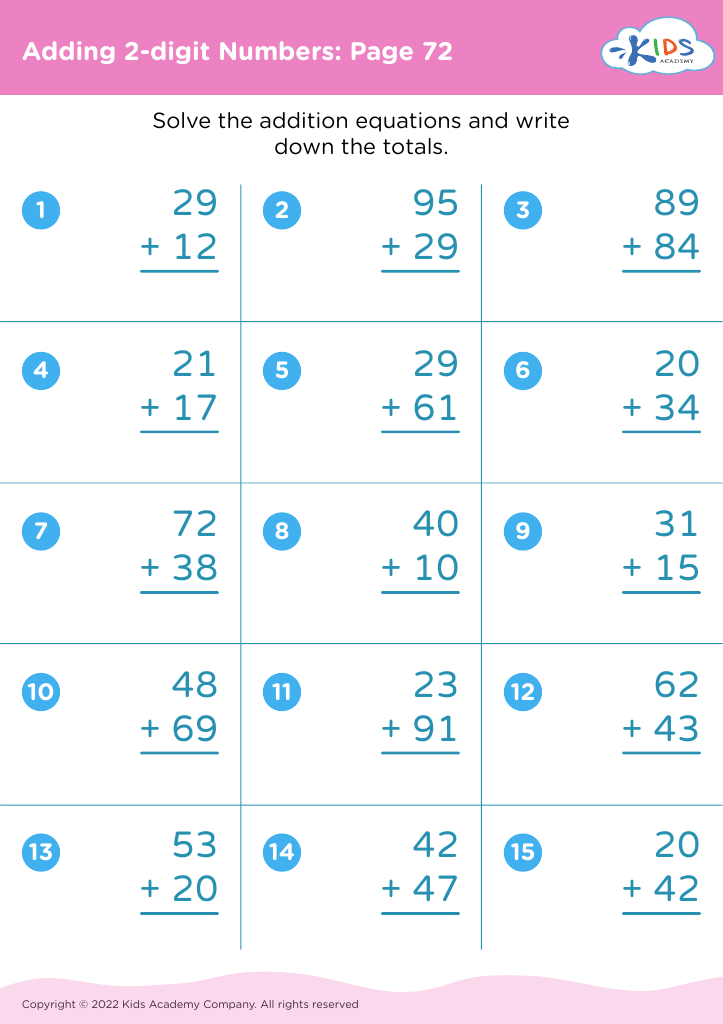
Adding 2-digit Numbers: Page 72

Adding 2-digit Numbers: Page 72

Adding 2-digit Numbers: Page 72
Worksheet
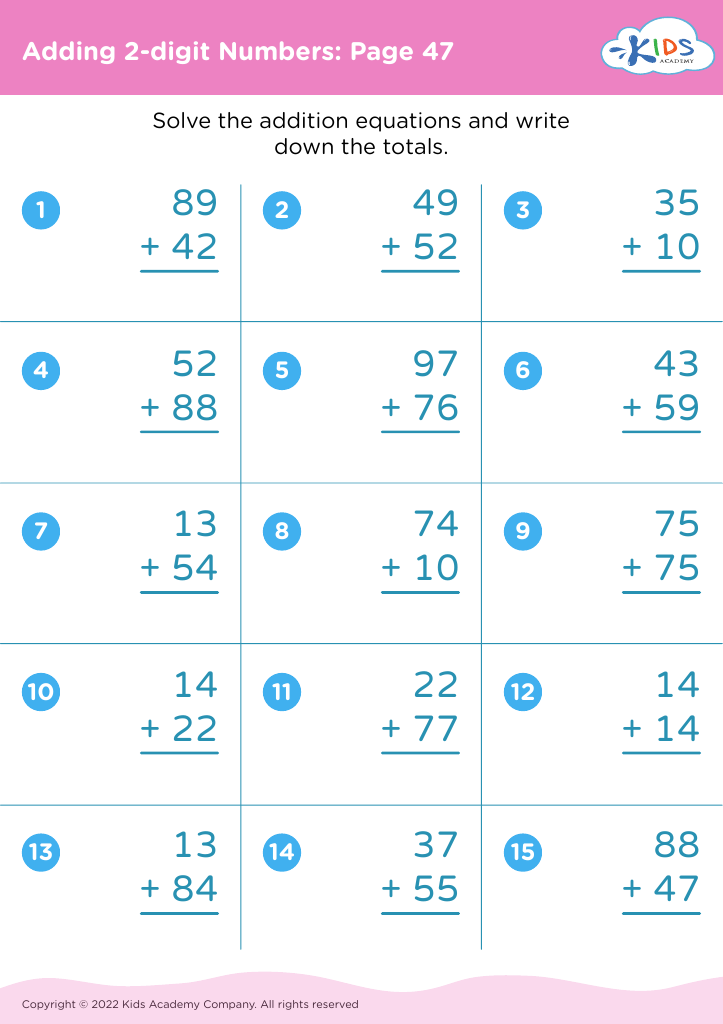
Adding 2-digit Numbers: Page 47

Adding 2-digit Numbers: Page 47

Adding 2-digit Numbers: Page 47
Worksheet
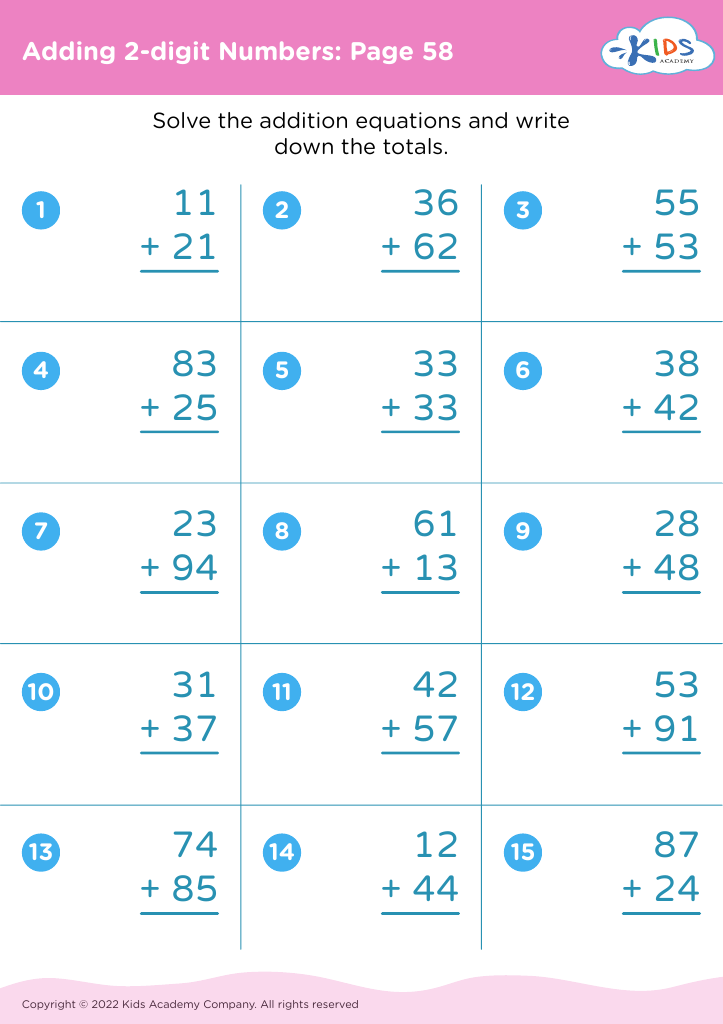
Adding 2-digit Numbers: Page 58

Adding 2-digit Numbers: Page 58

Adding 2-digit Numbers: Page 58
Worksheet


Understanding how to compare and add fractions is essential for children aged 7-8, as it lays the groundwork for their future math skills. At this age, students' cognitive abilities are rapidly developing, and they are beginning to grasp more complex mathematical concepts. Comparing fractions helps children understand the relationships between different quantities, enhancing their problem-solving and critical-thinking skills.

Moreover, the ability to add fractions with different denominators is crucial in real-life situations, like cooking, budgeting, or sharing resources. When parents and teachers emphasize these fundamentals, they equip children with practical skills they will use throughout their education and daily life.

Additionally, mastering fractions fosters confidence in math, helping students transition smoothly into more advanced topics such as ratios, percentages, and algebra. Engaging in hands-on activities and interactive discussions about fractions can make learning enjoyable, encouraging a positive attitude towards mathematics.

By actively supporting kids during this developmental stage, parents and teachers play a vital role in nurturing their mathematical abilities, ensuring their academic success, and encouraging a lifelong appreciation for learning. Building a solid fraction foundation opens doors to a deeper understanding of mathematics in the future.