
Fraction conversion Addition Worksheets for Ages 7-8
3 filtered results
Difficulty Level
Grade
Age
-
From - To
Subject
Activity
Standards
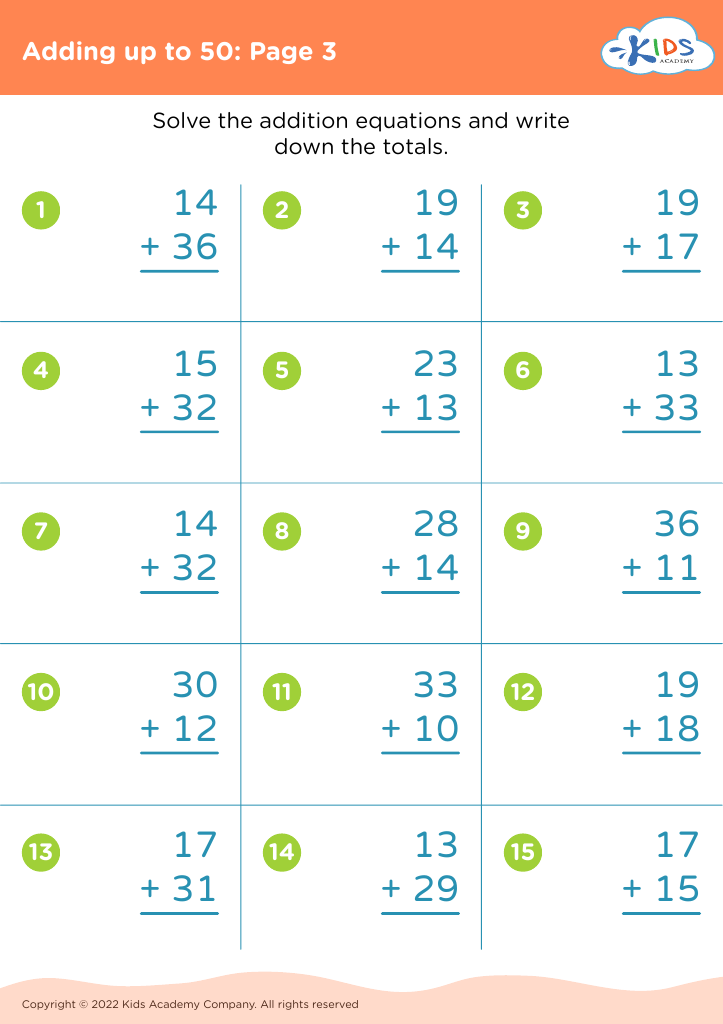
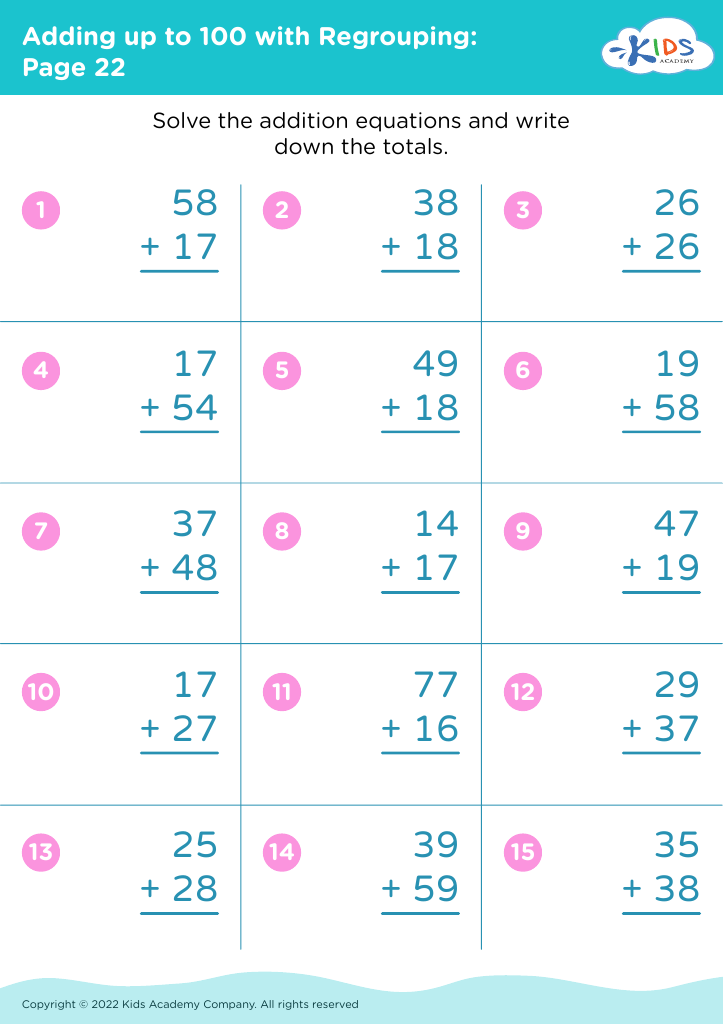
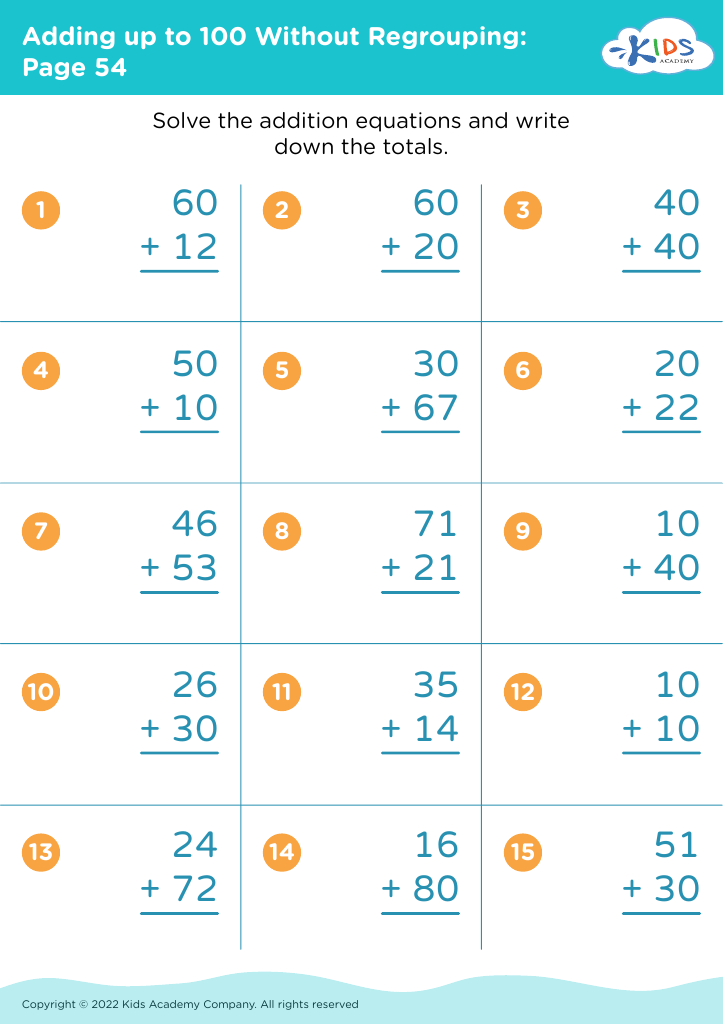
Welcome to our Fraction Conversion Addition Worksheets for ages 7-8! These engaging and educational worksheets are designed to help young learners master the art of converting fractions while adding them together. Tailored for children in this critical age group, our materials encourage hands-on practice and reinforce key mathematical skills in a fun and interactive way. With clear instructions and colorful illustrations, kids will build confidence as they explore fraction concepts and improve their addition abilities. Perfect for classroom use or at-home practice, our worksheets are a great resource for supporting your child's educational journey. Get started today and watch them excel in math!
Favorites
With answer key
Interactive
Join Kids Academy for Free
Who is primarily going to use this learning content?








Parents and teachers should prioritize fraction conversion and addition for children aged 7-8 because it lays a vital foundation for mathematical understanding and real-world problem-solving skills. During this developmental stage, children are starting to grasp abstract concepts and need hands-on experiences to make sense of them. Understanding fractions, including how to convert them and add them together, encourages critical thinking and enhances cognitive skills.
Fraction addition teaches children about parts of a whole, helping them understand proportions and ratios, which are essential in everyday situations like cooking, budgeting, and sharing. Additionally, mastering fraction conversion fosters number sense, helping children feel more confident when working with various numerical formats.
Through engaging activities, teachers and parents can make learning fractions enjoyable, turning a potentially daunting topic into fun, interactive lessons. By reinforcing these skills early on, adults help students build perseverance and resilience, traits necessary for tackling more complex math concepts in later grades. Ultimately, promoting fraction understanding will empower children with essential skills, ensuring they are well-prepared for future academic challenges and capable of making informed decisions in their everyday lives.








