Identifying fractions Addition Worksheets for Ages 7-8
4 filtered results
-
From - To
Explore our engaging Identifying Fractions Addition Worksheets designed specifically for ages 7-8! These worksheets help young learners develop essential math skills by practicing the addition of fractions in a fun and interactive way. Each activity features colorful illustrations and relatable scenarios that captivate children's interest while reinforcing their understanding of fractions. As students complete the exercises, they'll gain confidence in their math abilities and enhance their problem-solving skills. Ideal for both home and classroom use, our worksheets can support diverse learning styles and help kids master the fundamentals of fraction addition. Start your journey into mathematics today!
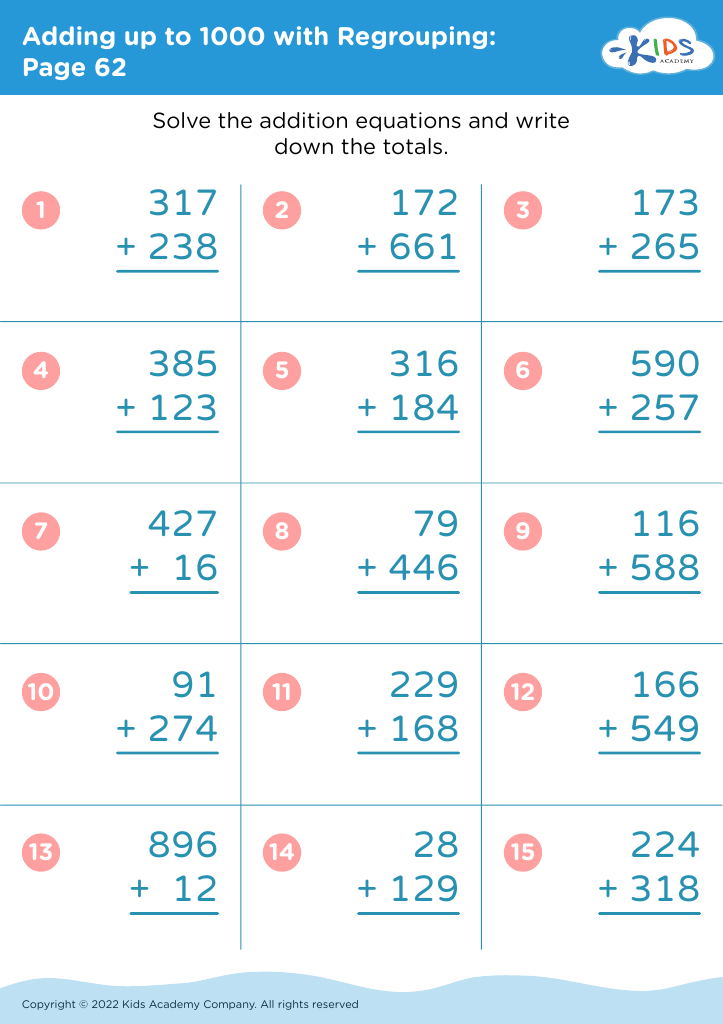
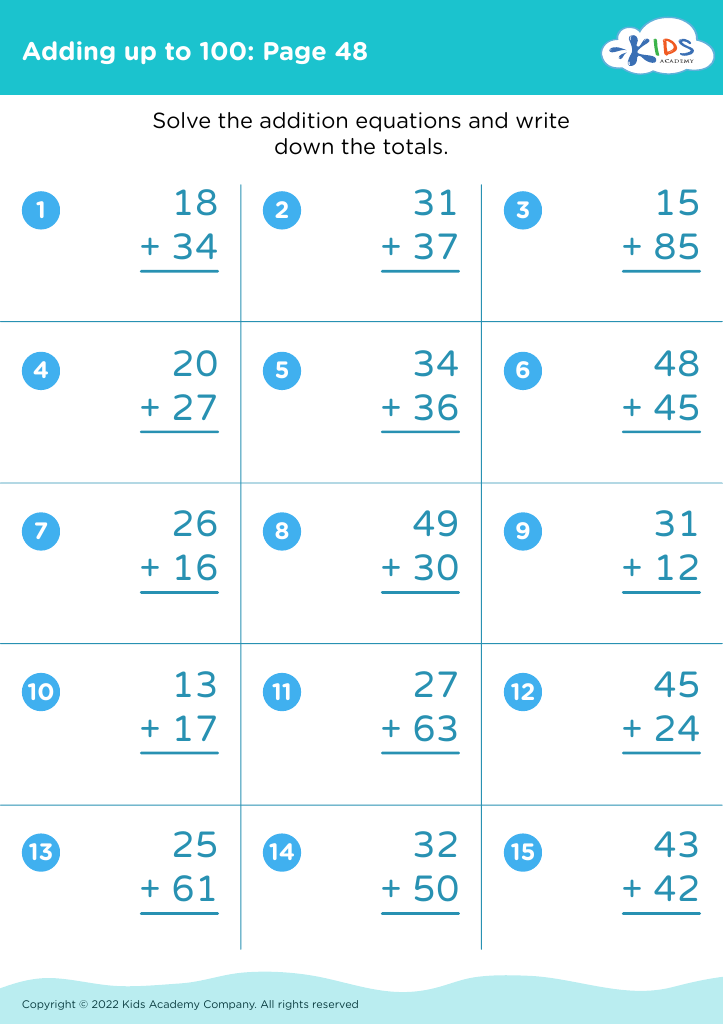
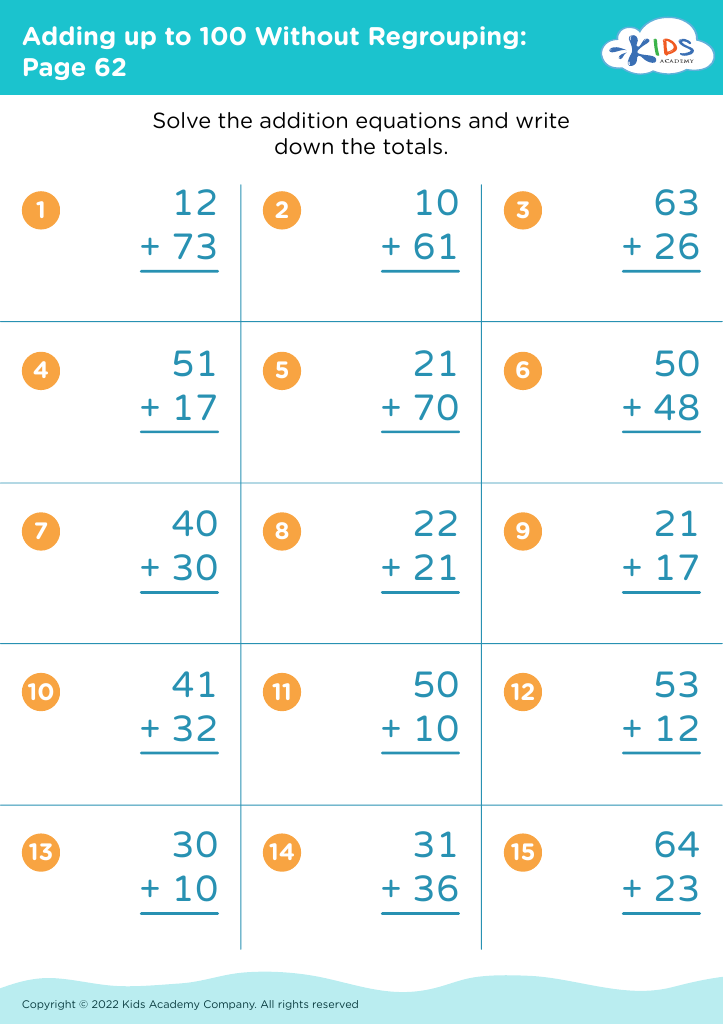
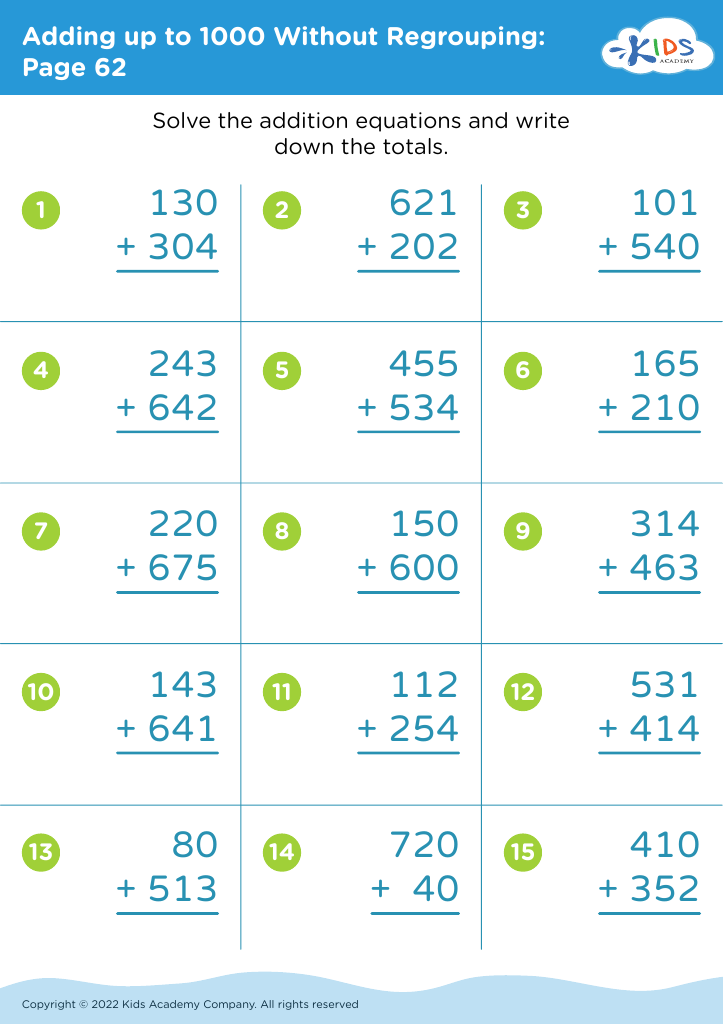








Identifying fractions and understanding their addition is crucial for children aged 7-8 as it lays a foundational math skill that will aid their overall academic success. At this age, students begin to encounter more complex mathematical concepts, and fluency in fractions is essential for grasping higher-level operations, such as multiplication and division of fractions, as they advance in school.
Understanding fractions helps children make sense of real-world situations, such as cooking, sharing, or measuring, which reinforces the practical value of math. When parents and teachers focus on mastering fraction addition, they cultivate logical reasoning and problem-solving skills in students. It encourages a growth mindset, as children learn to tackle challenging concepts and develop persistence in overcoming difficulties.
Additionally, recognizing the importance of fraction addition sets the stage for interdisciplinary learning, tying math into science, economics, and arts, thereby fostering a love of learning. It opens avenues for collaborative activities and discussions, whether in families or classrooms, nurturing social skills and confidence. Ultimately, a solid grasp of fractions at this stage equips children with the tools they need to navigate various life situations and thrive academically, making it a critical area that caregivers and educators should prioritize.








