Identifying shapes Addition Worksheets for Ages 7-8
24 filtered results
-
From - To
Enhance your child's math skills with our Identifying Shapes Addition Worksheets, designed specifically for ages 7-8. These engaging worksheets seamlessly combine geometry and arithmetic, helping young learners recognize and categorize shapes while reinforcing their addition capabilities. Each worksheet features colorful illustrations and age-appropriate problems that inspire creativity and understanding. As children work through the exercises, they will develop critical thinking skills and boost their confidence in math. Perfect for classroom activities or at-home learning, these worksheets make mastering addition fun and interactive. Explore the exciting world of shapes and numbers today, and watch your child's math skills soar!
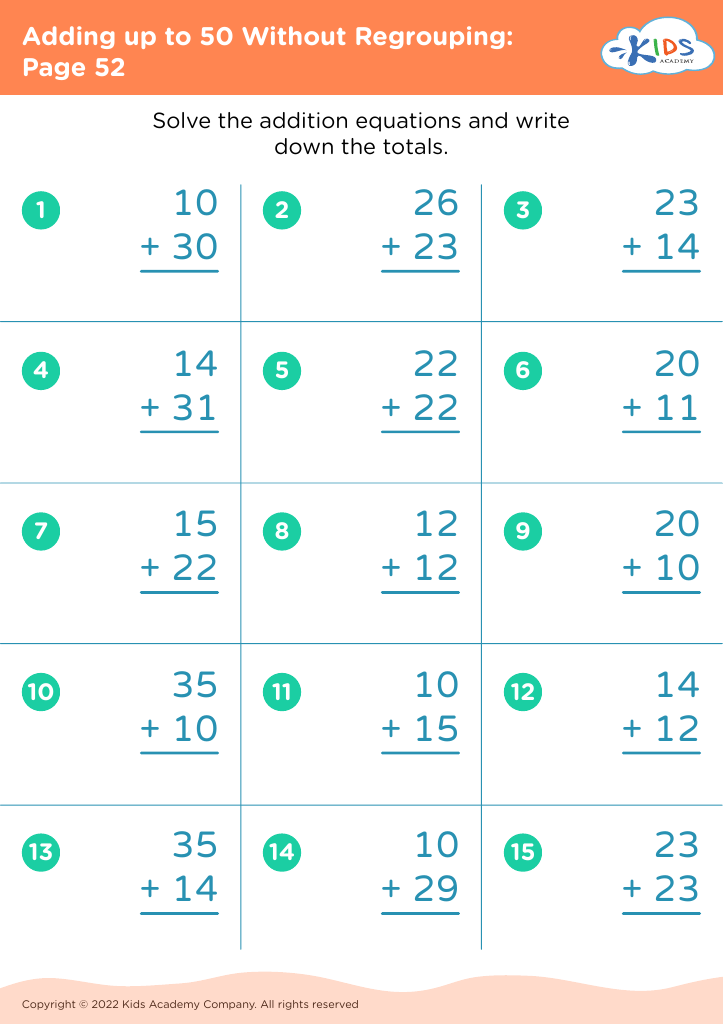
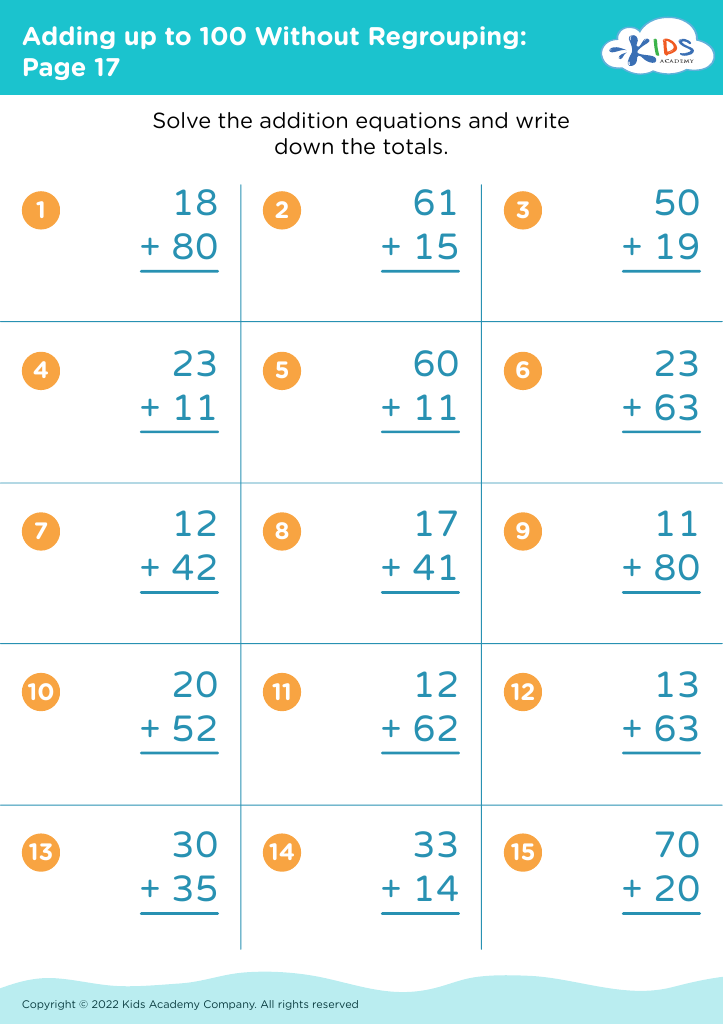
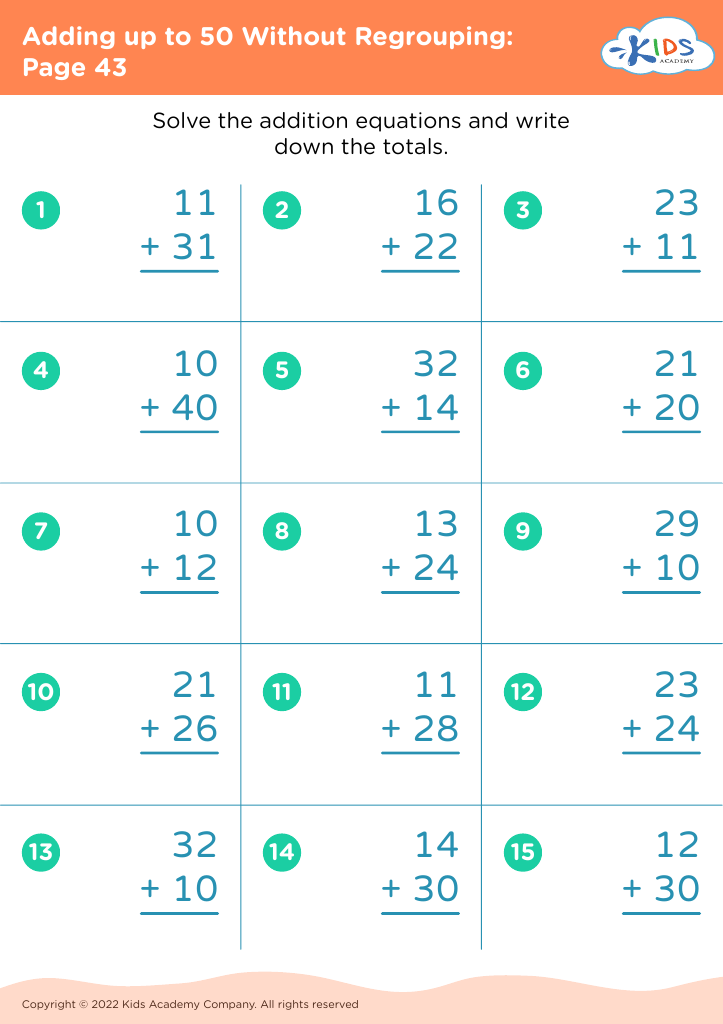
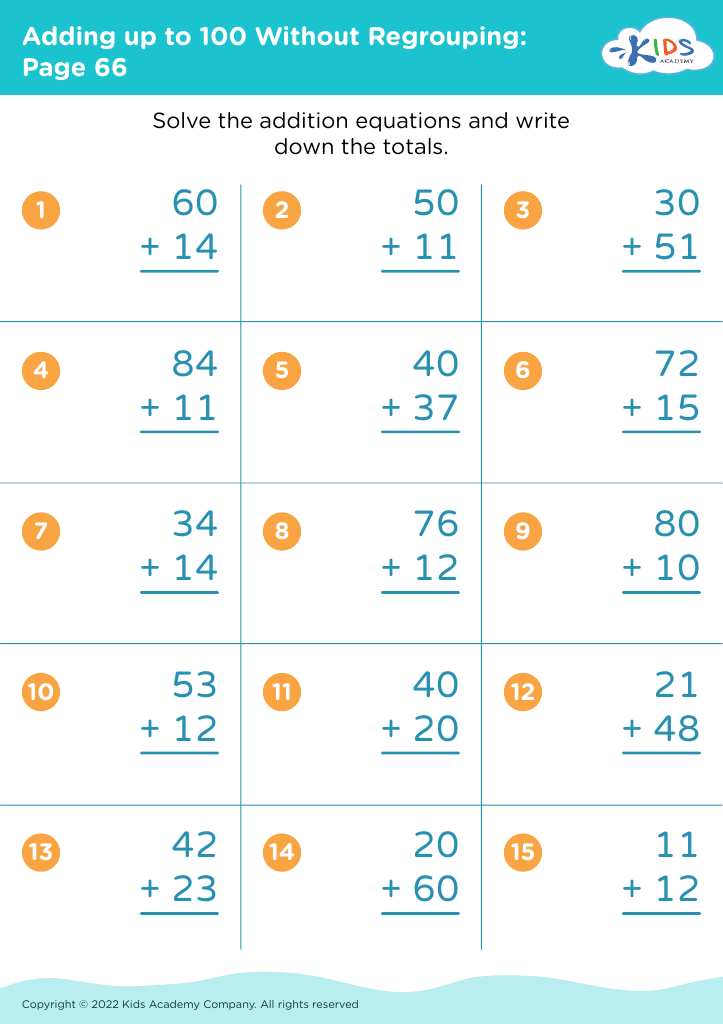
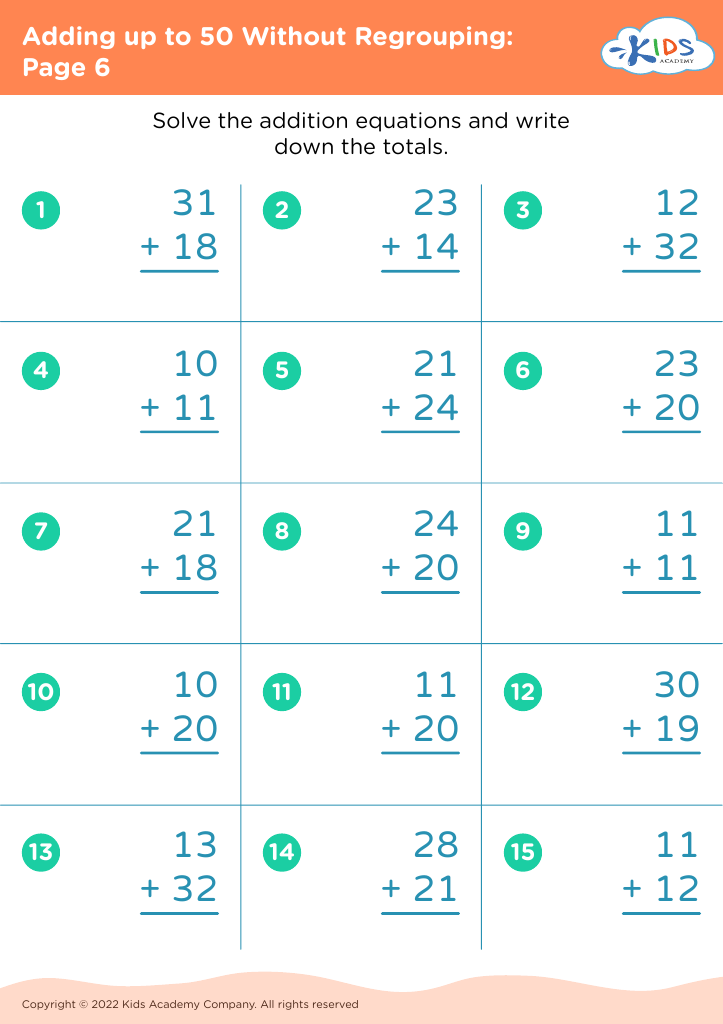
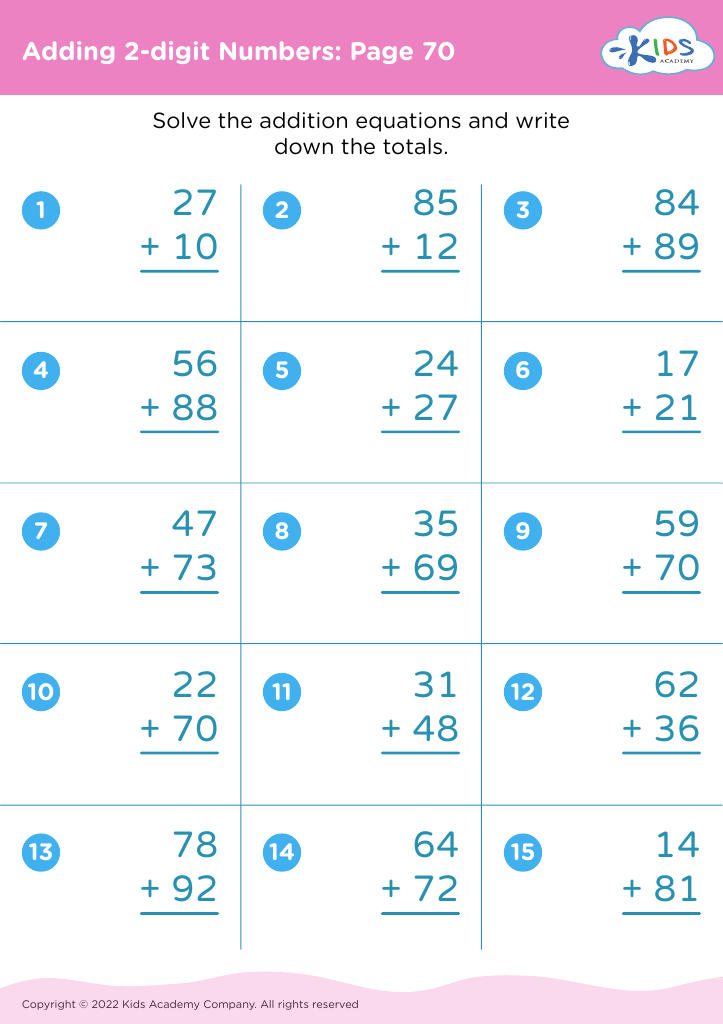
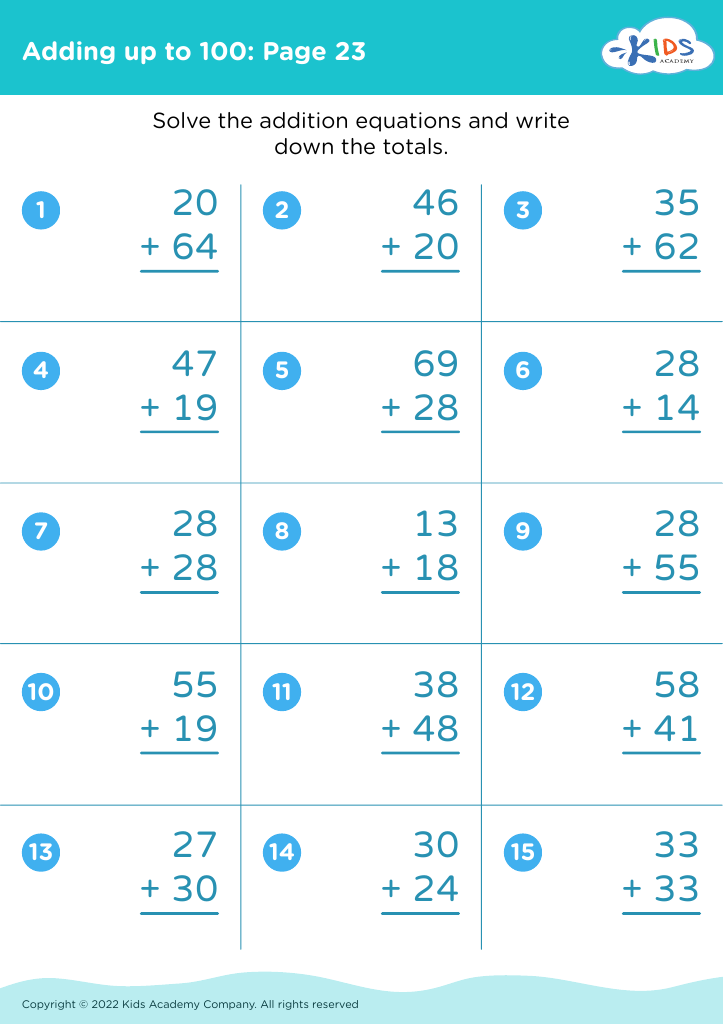
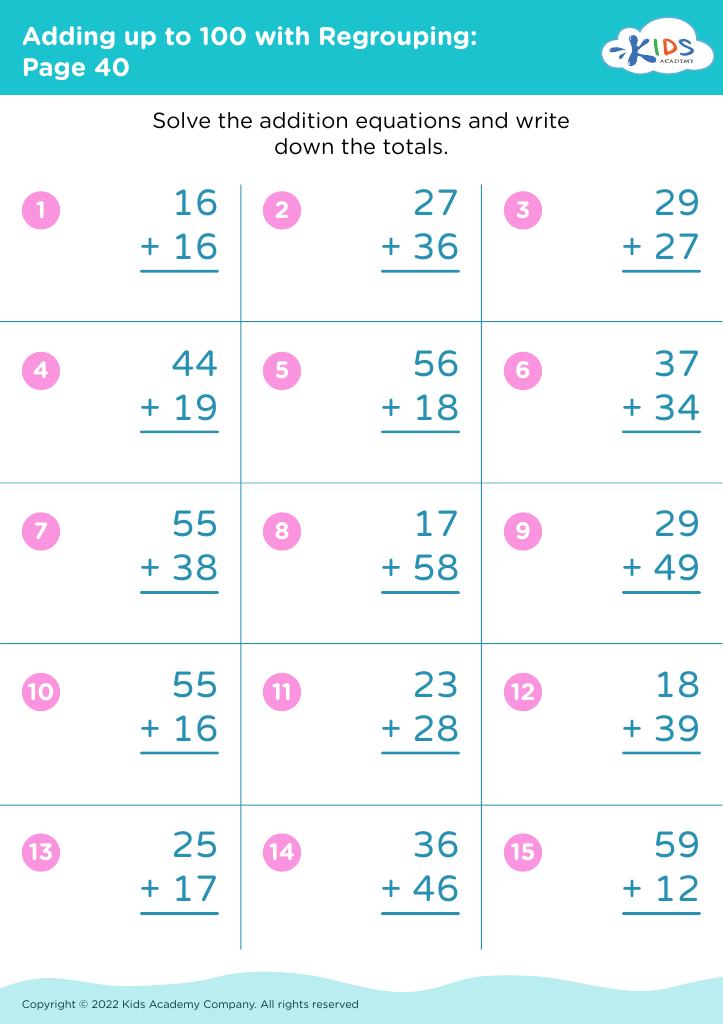
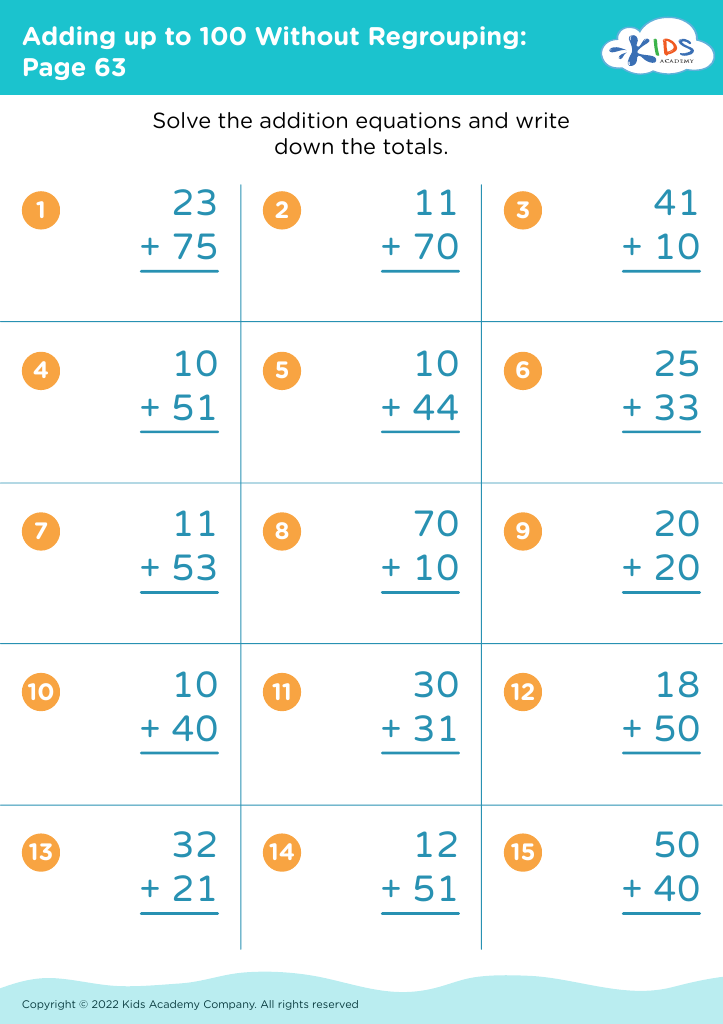
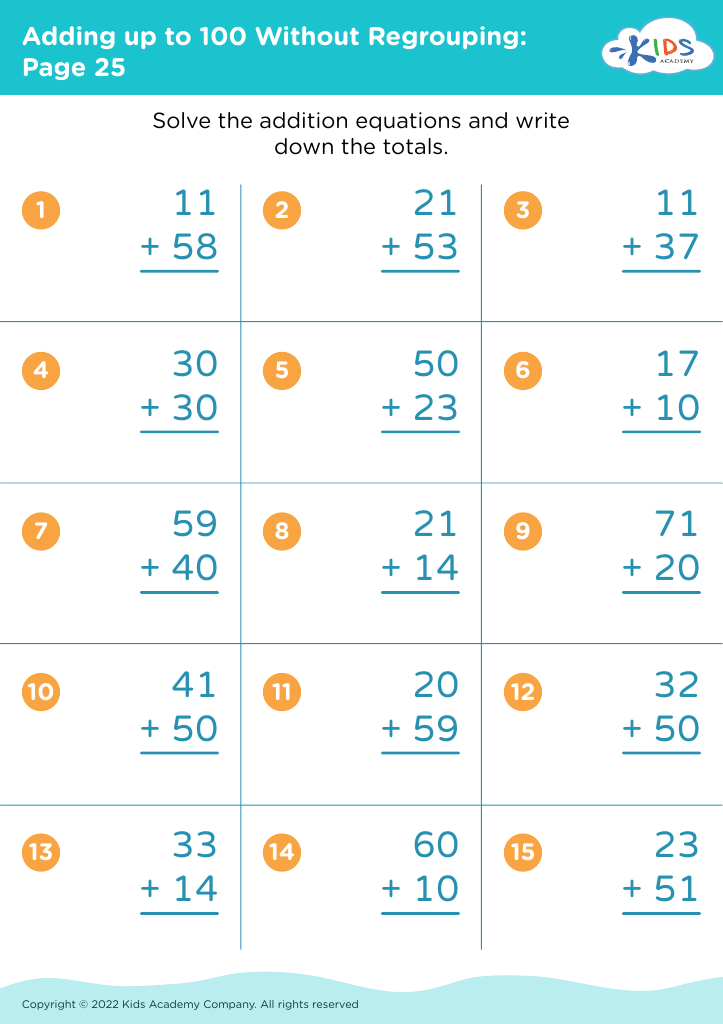
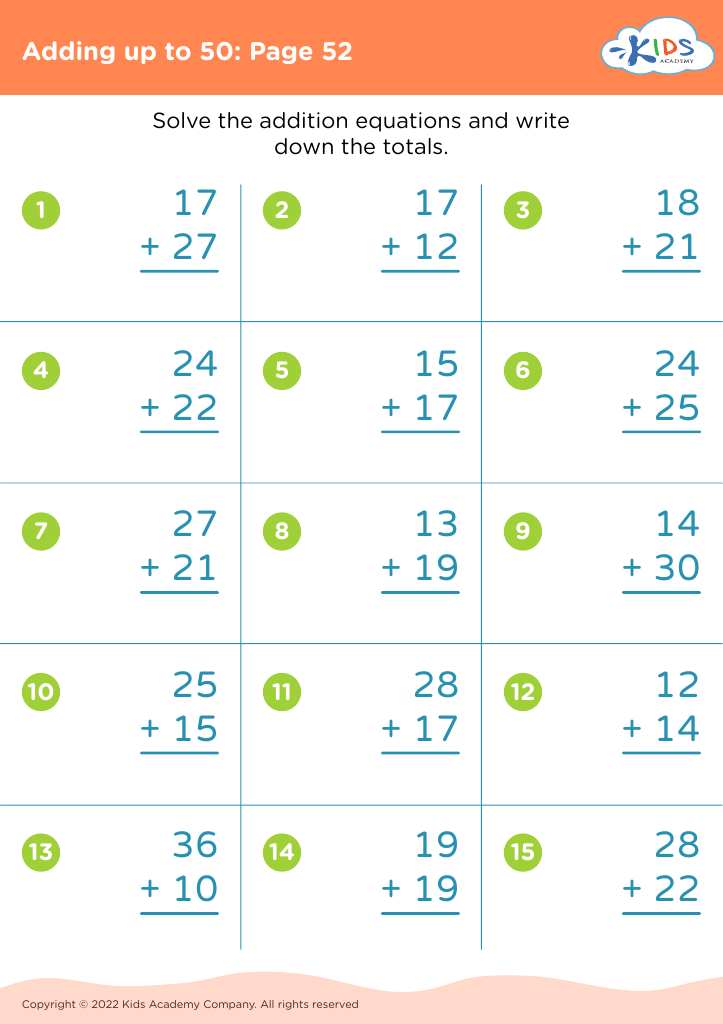
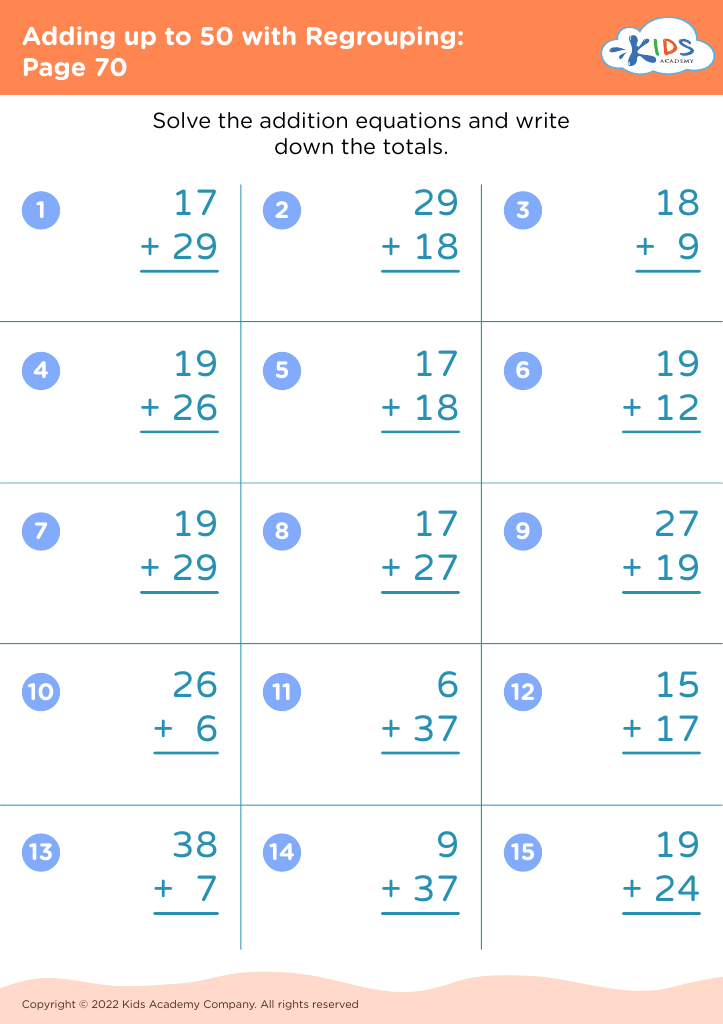
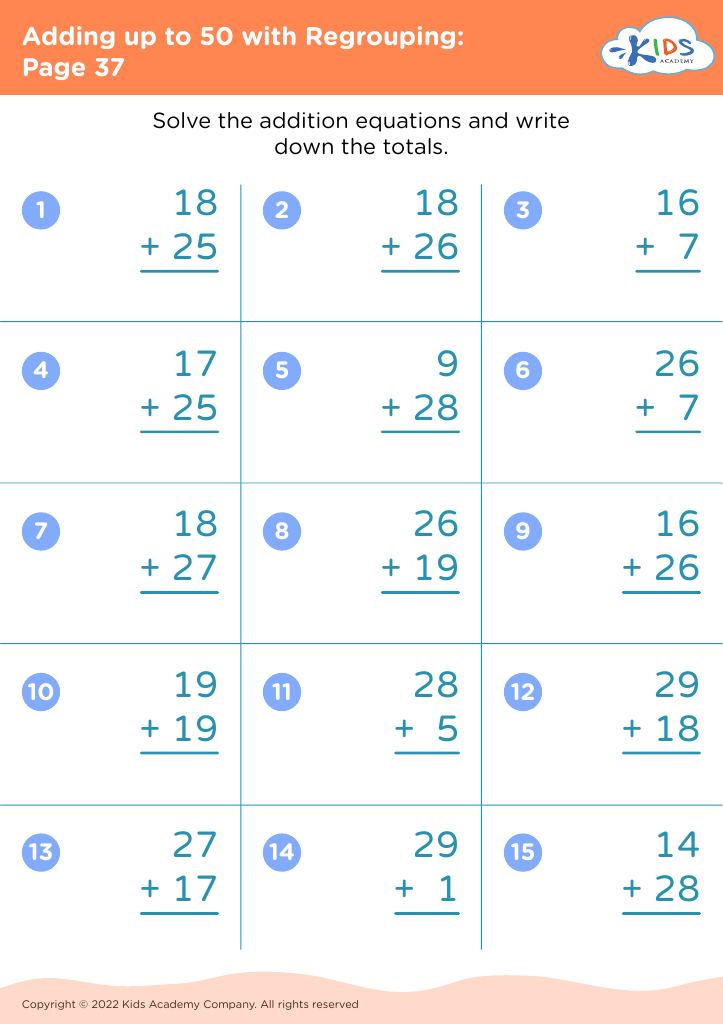
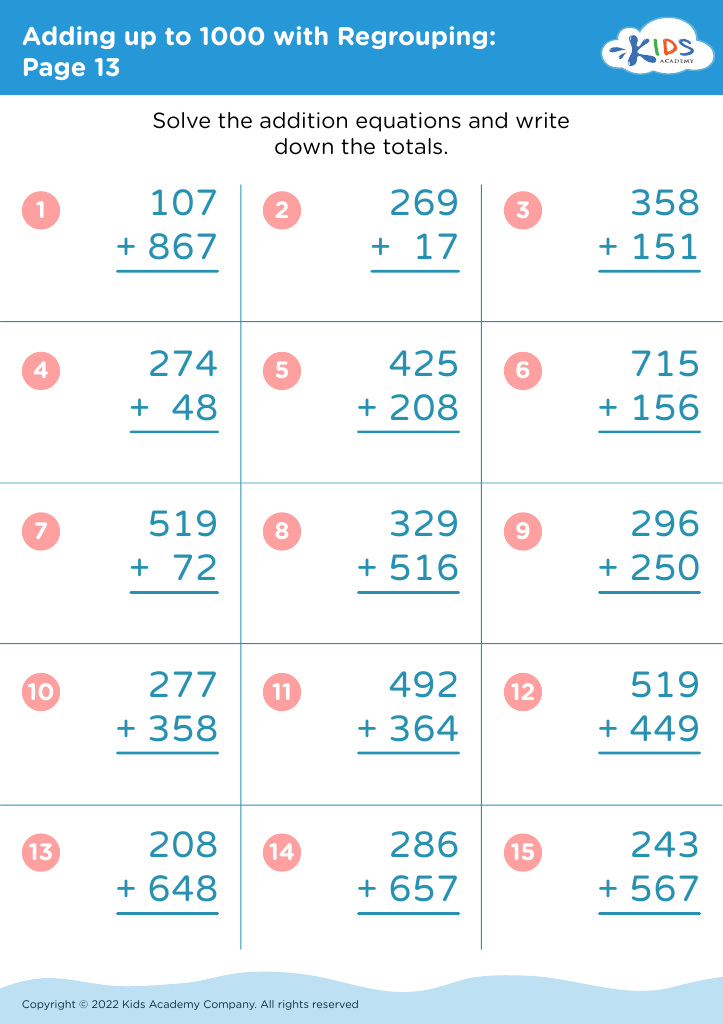
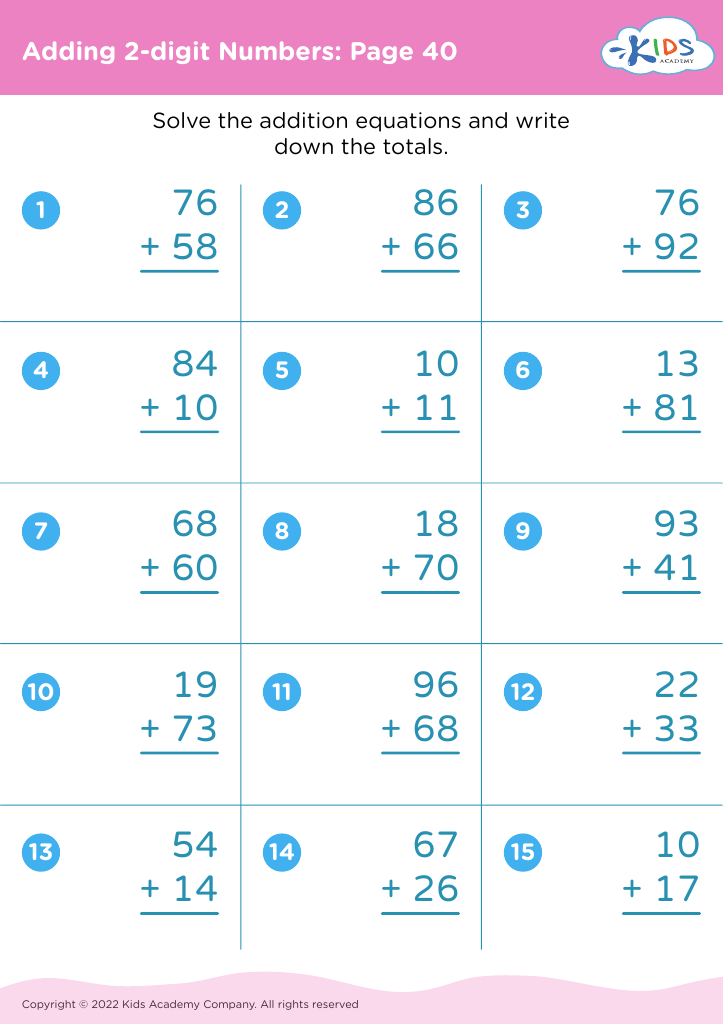
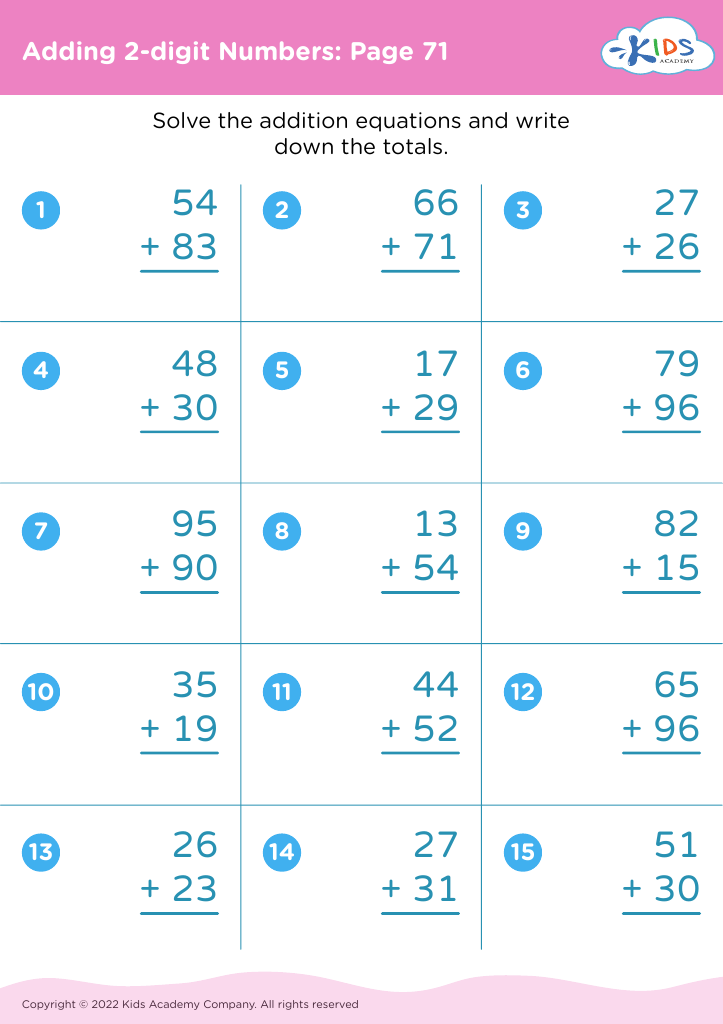
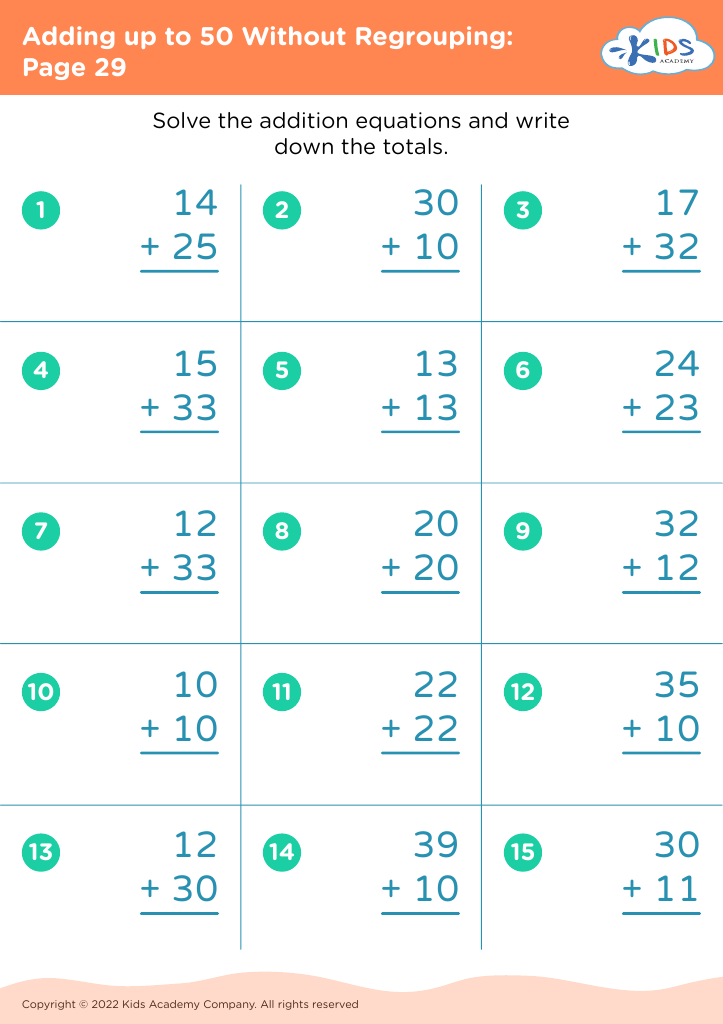
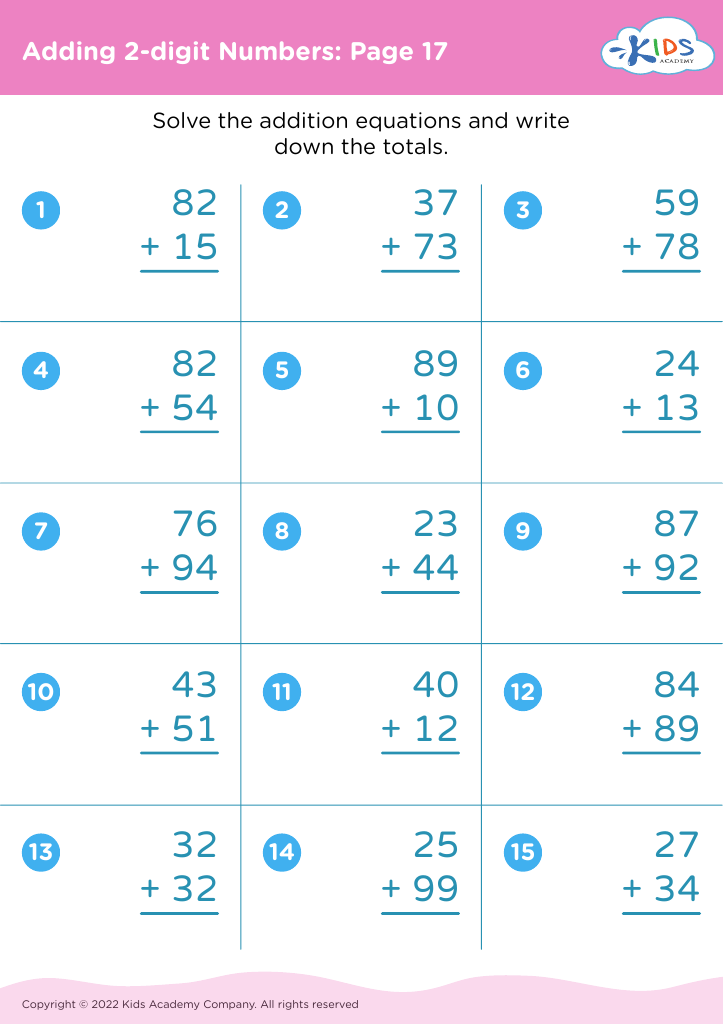
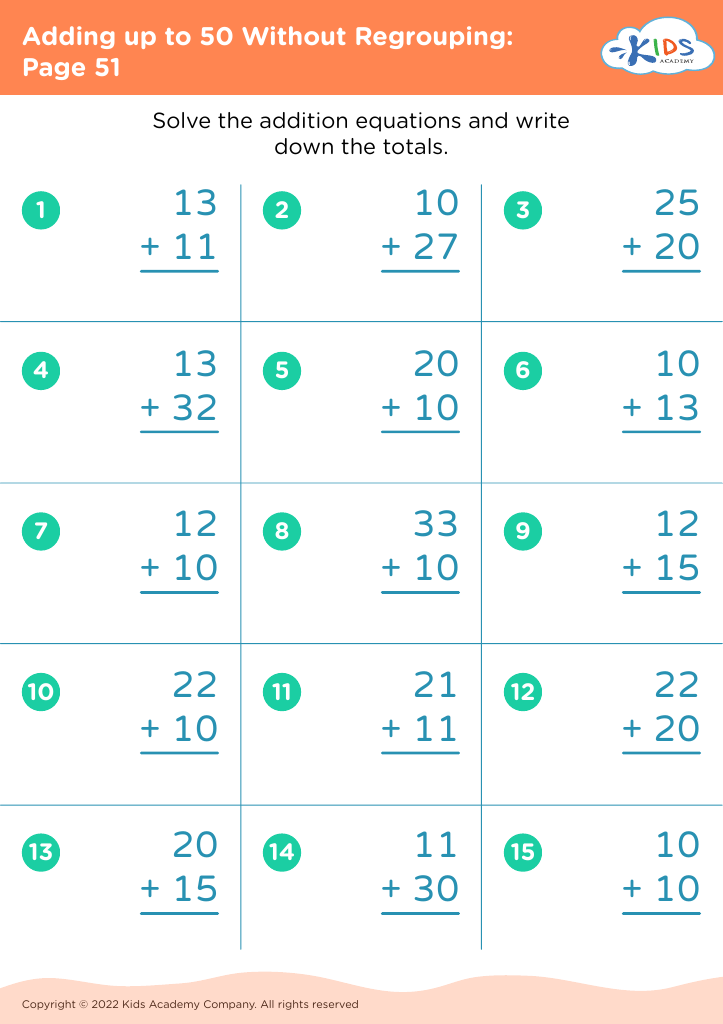
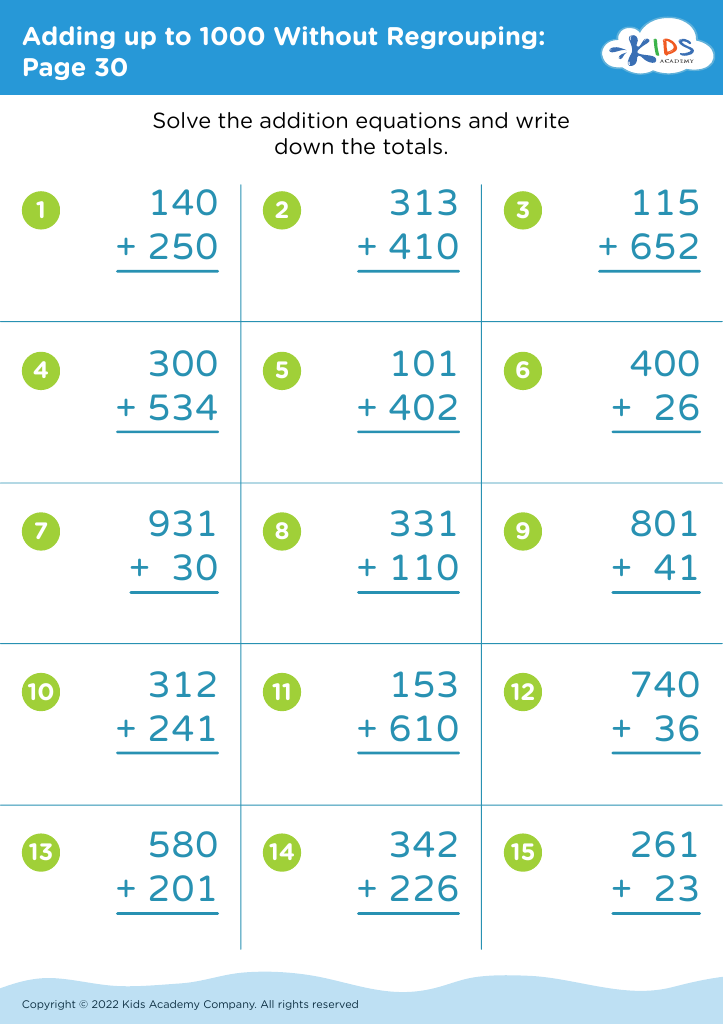
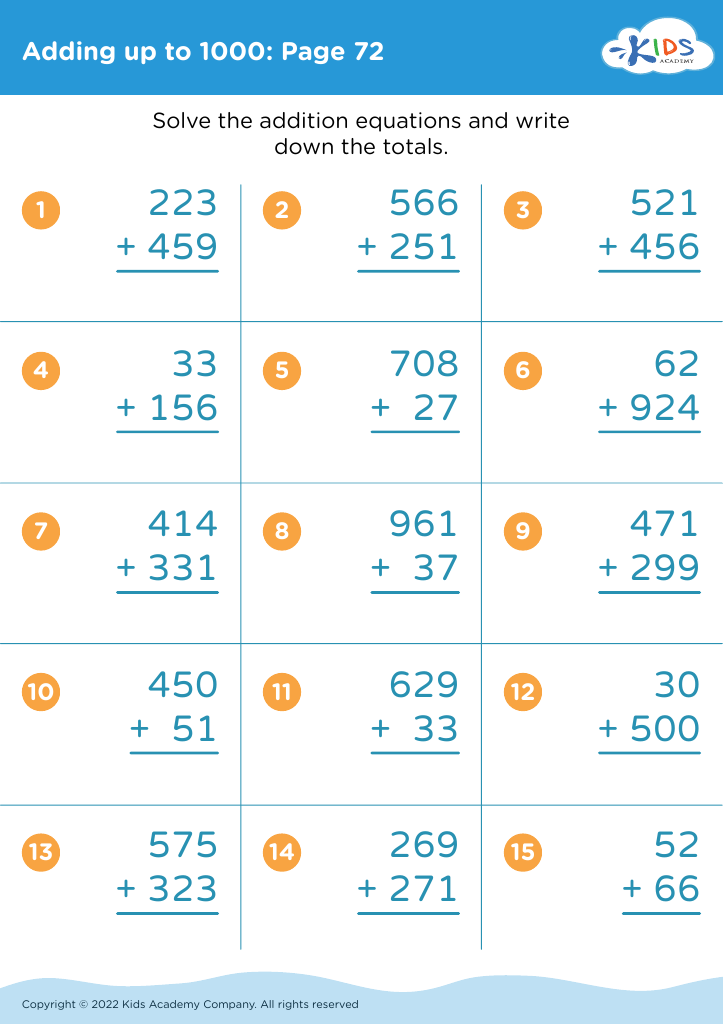
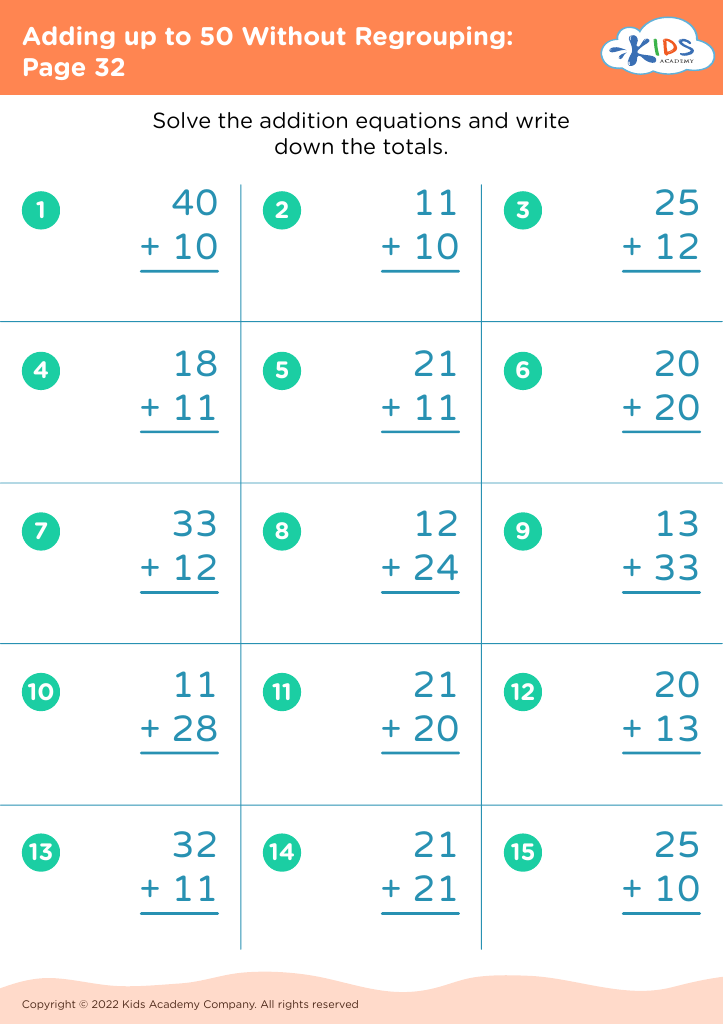
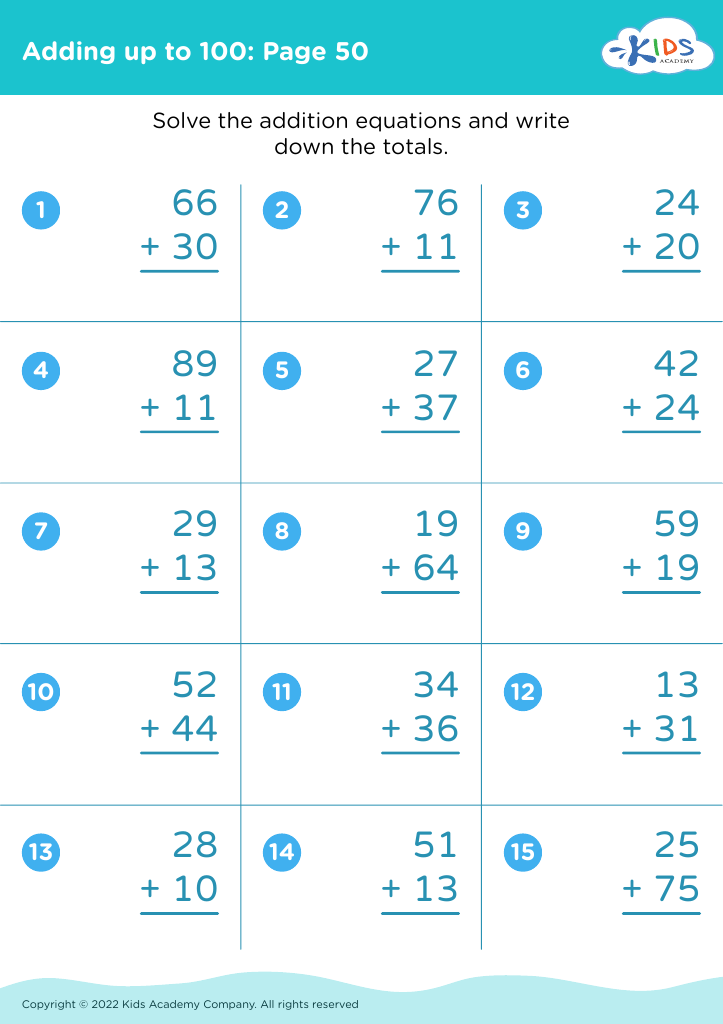
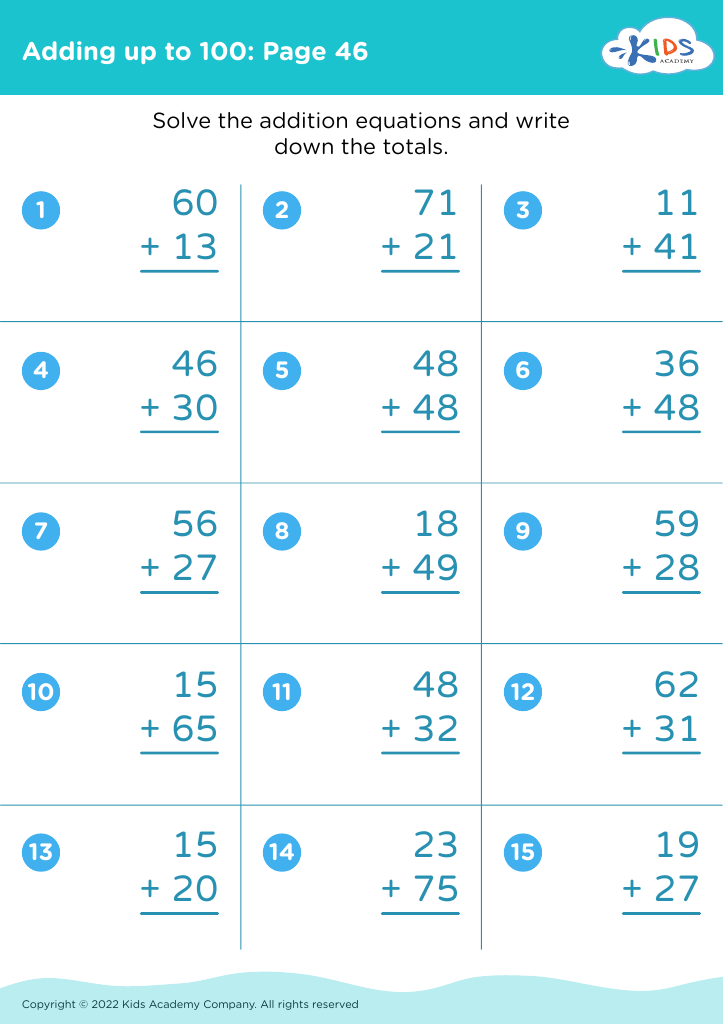



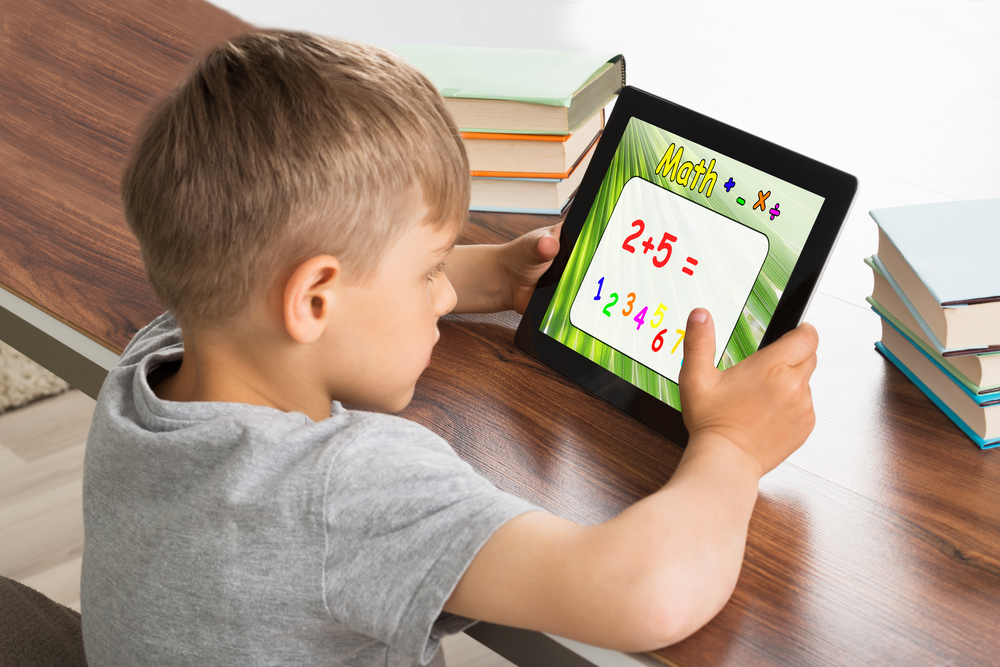




Identifying shapes and practicing addition is critical for children aged 7-8, as it forms the foundation for both mathematical reasoning and spatial awareness. At this stage, children are developing their cognitive abilities, which allows them to understand more complex concepts. Recognizing various shapes—like circles, squares, and triangles—enhances their ability to visualize the world around them, a skill important in fields such as engineering and architecture.
Furthermore, combining shape recognition with addition exercises strengthens analytical skills. It engages them in problem-solving and critical thinking, essential components of effective learning. For instance, using shapes as units in math problems can make abstract concepts more tangible and fun, fostering a positive attitude toward mathematics.
Parents and teachers play a vital role in reinforcing these skills through interactive activities like shape bingo, puzzles, or crafts, encouraging a supportive learning environment. By emphasizing these foundational skills in effective ways, we prepare our children for future academic challenges and help them build confidence in their abilities. Additionally, strong math skills empower them across disciplines, influencing not just math achievement but also performance in science, art, and even literacy. Engaging in shape and addition practices is, therefore, essential for holistic development at this critical age.








