Shape Recognition Addition Worksheets for Ages 7-8
32 filtered results
-
From - To
Discover Shape Recognition Addition Worksheets designed for ages 7-8 to enhance both mathematical and geometric skills! These engaging worksheets combine shape recognition with fun addition problems, creating a comprehensive learning experience. Ideal for young learners, the activities support the development of critical thinking, visual-spatial awareness, and problem-solving skills. Perfect for classroom use or extra practice at home, our worksheets provide a colorful and interactive approach to mastering basic math concepts while reinforcing shape knowledge. Boost your child's confidence and foster a love for learning with our expertly crafted worksheets, tailored to their developmental stage.
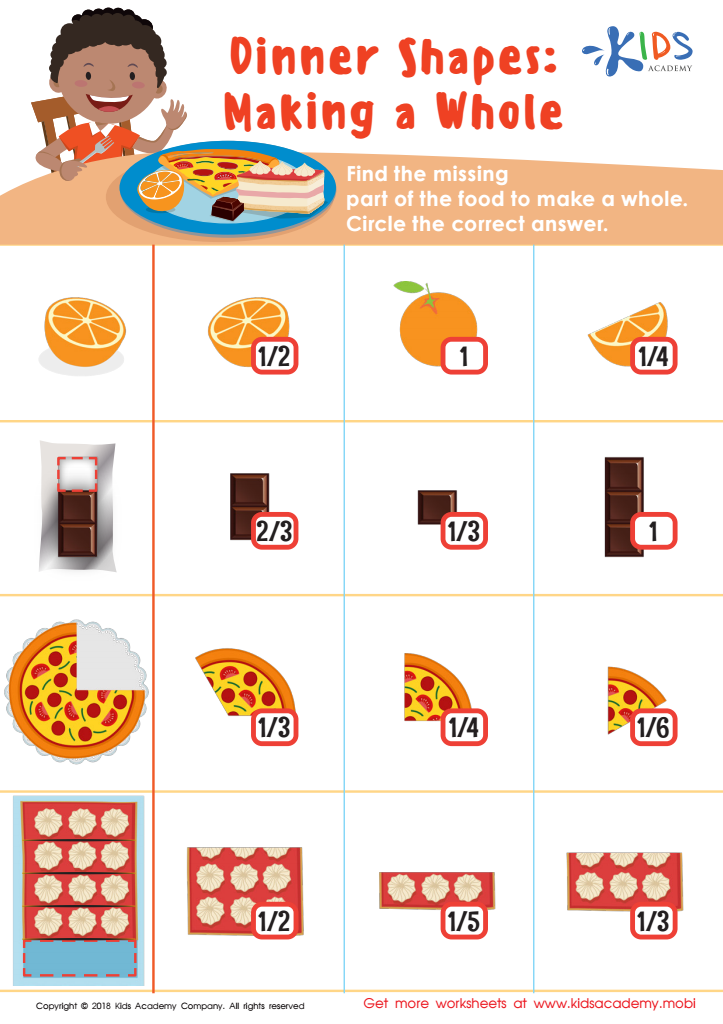
Dinner Shapes: Making a Whole Worksheet
 Assign to My Students
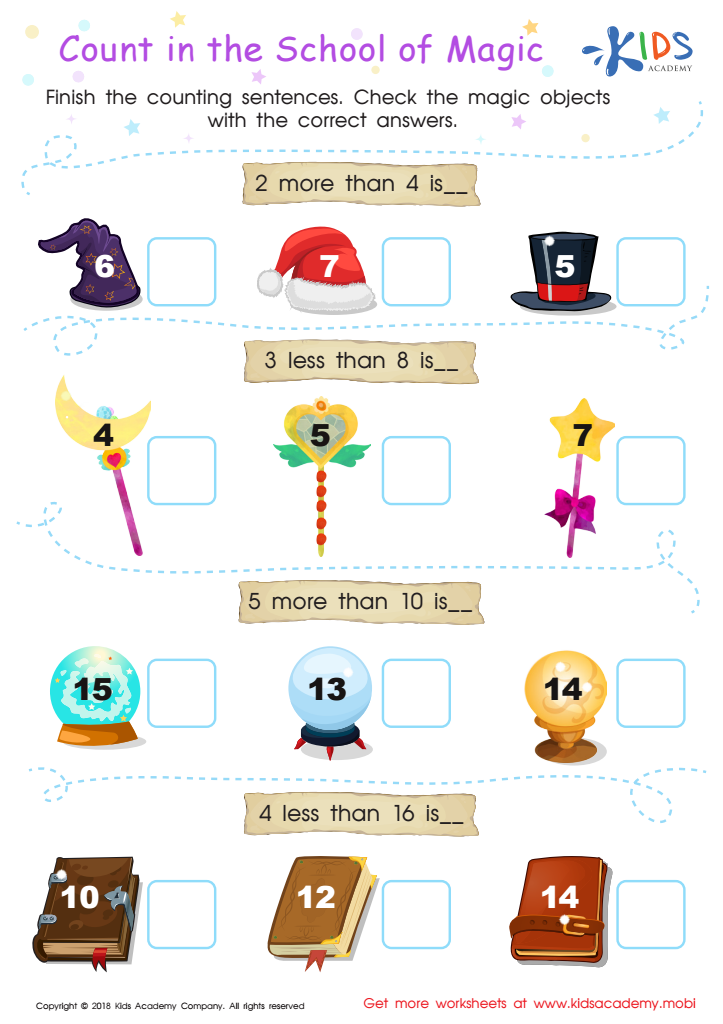
Count in the School of Magic Worksheet
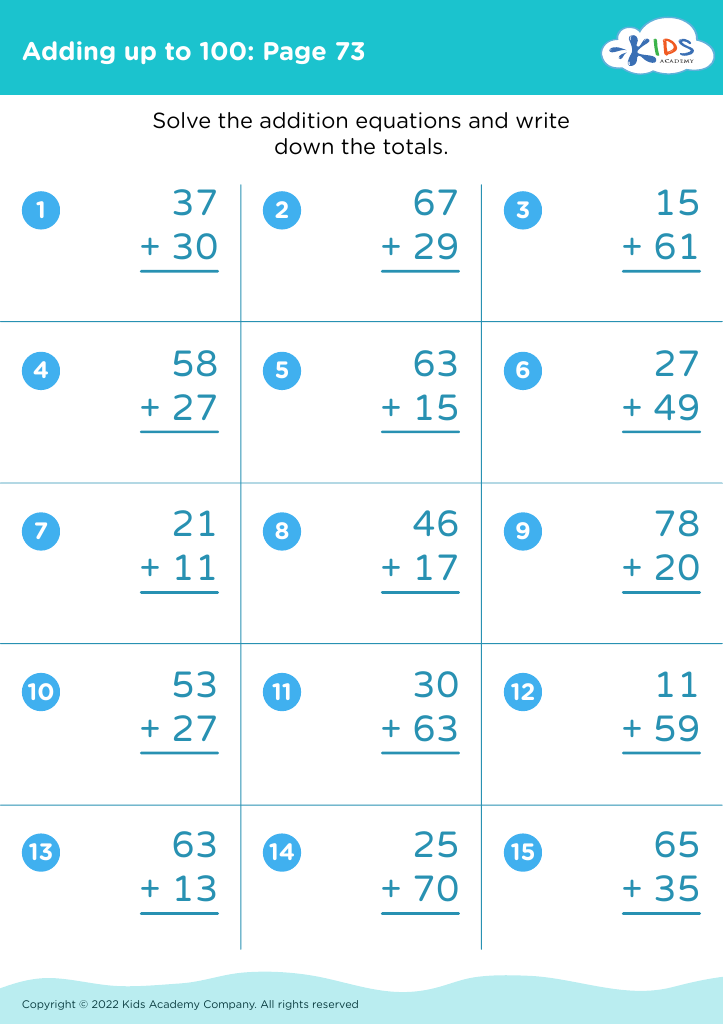
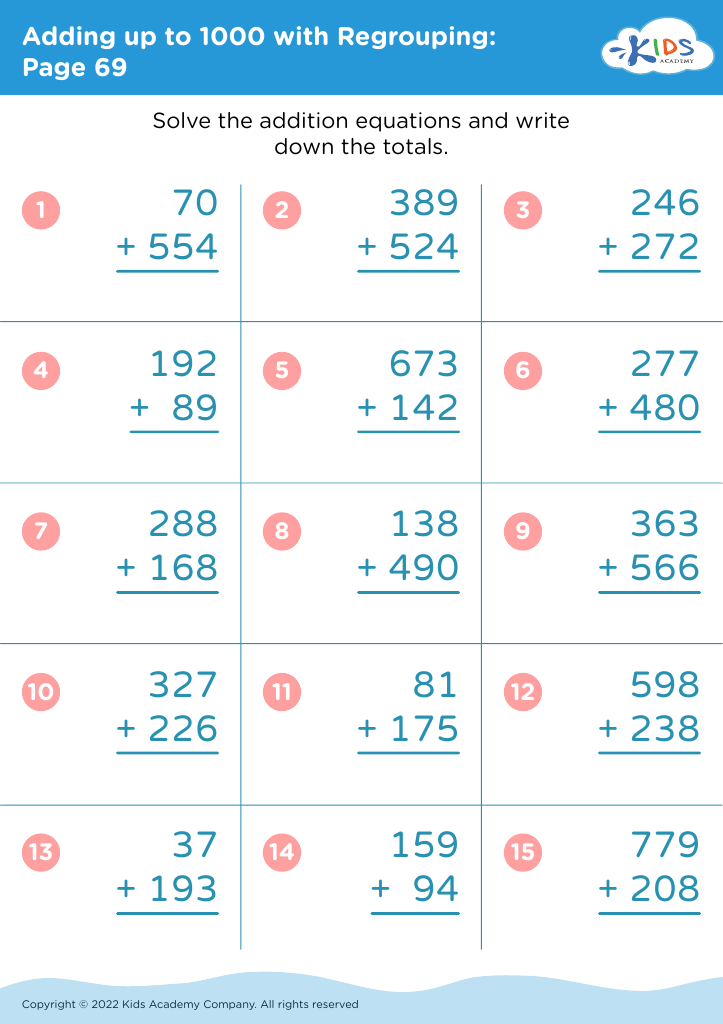
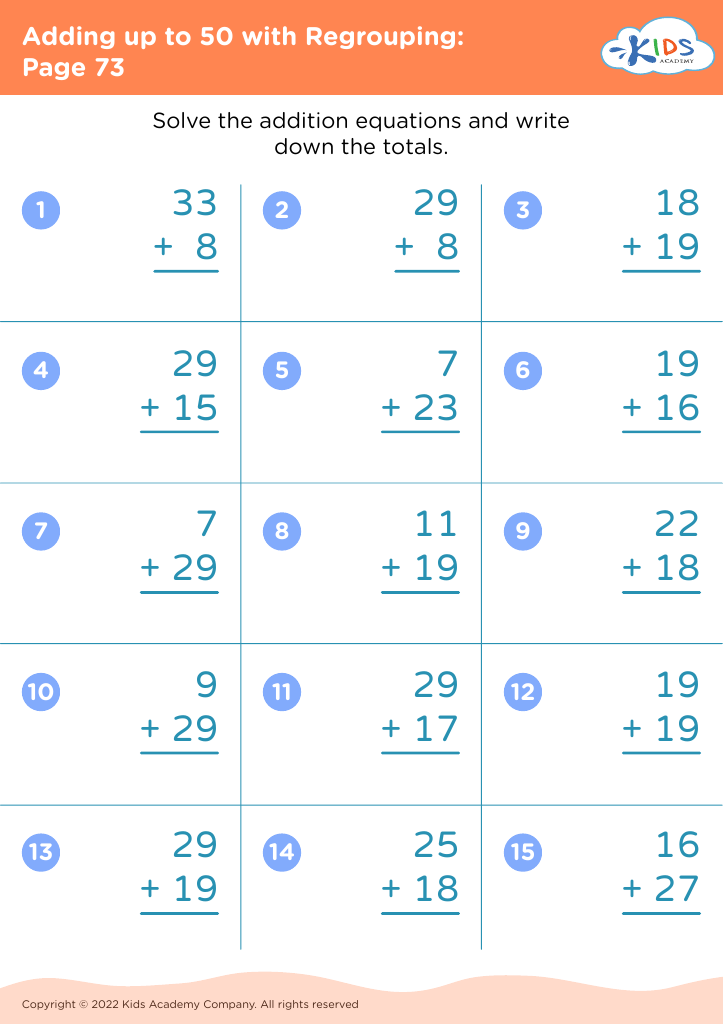
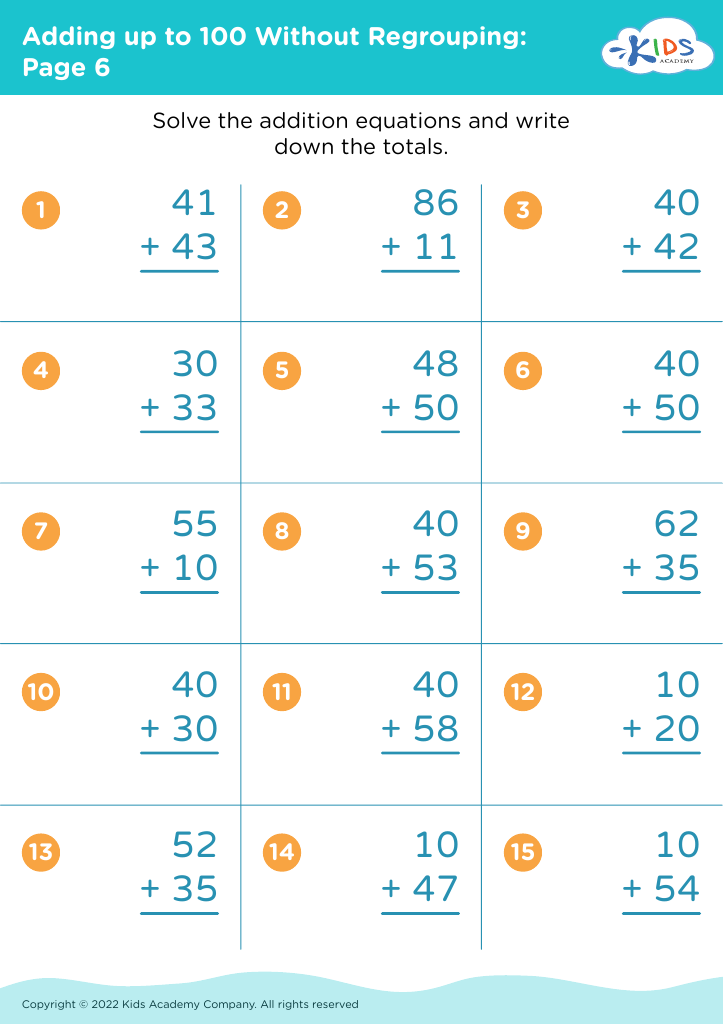
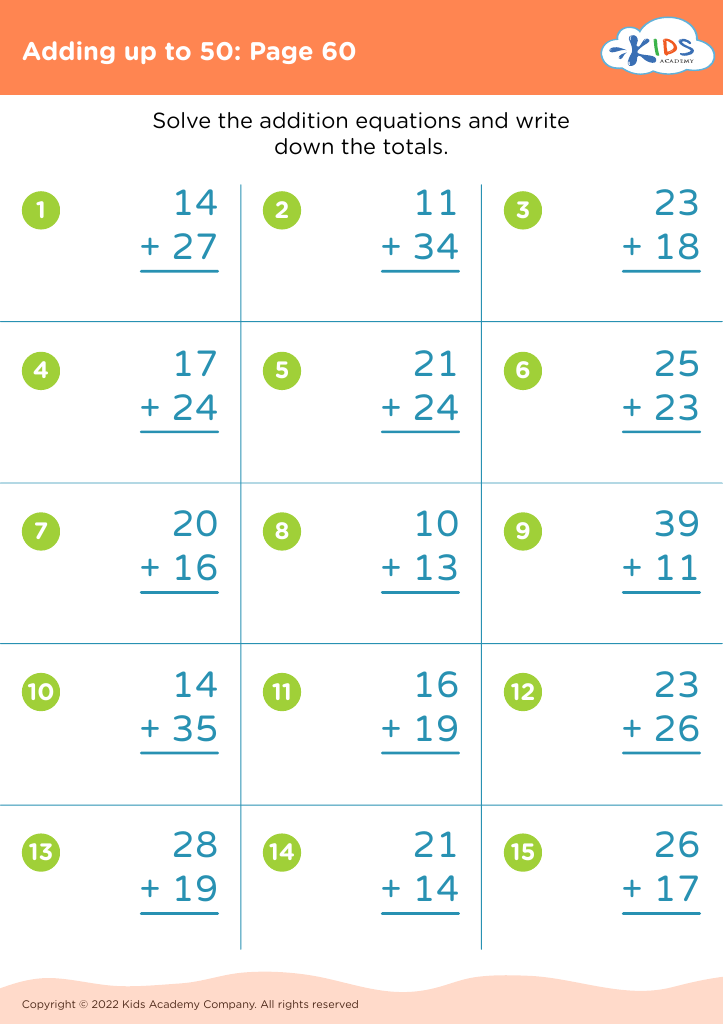
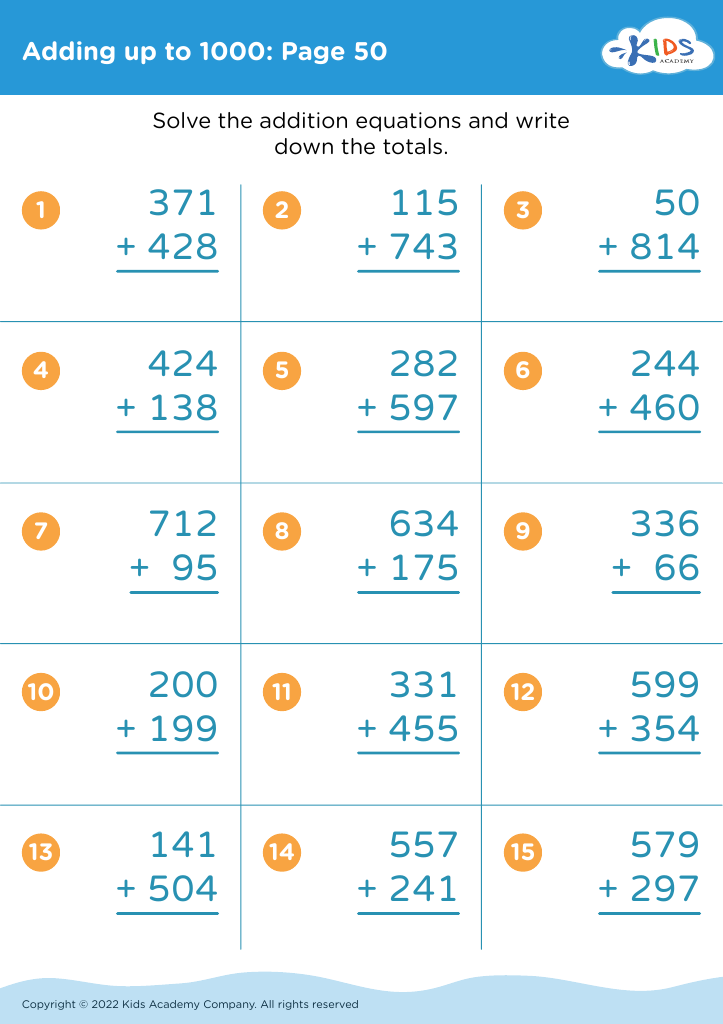
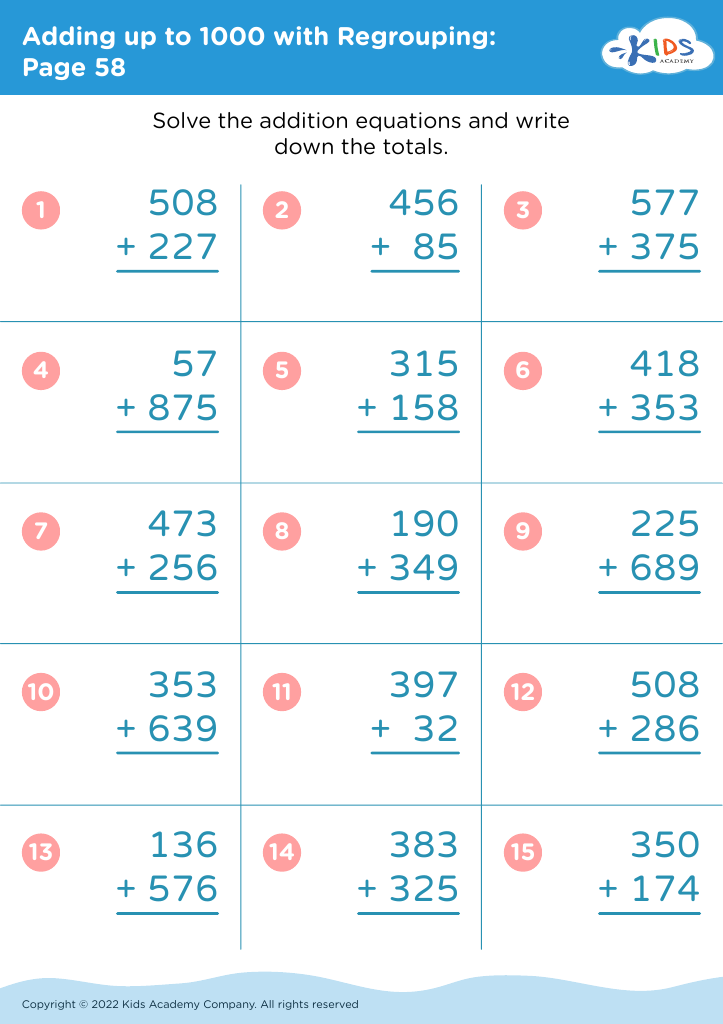
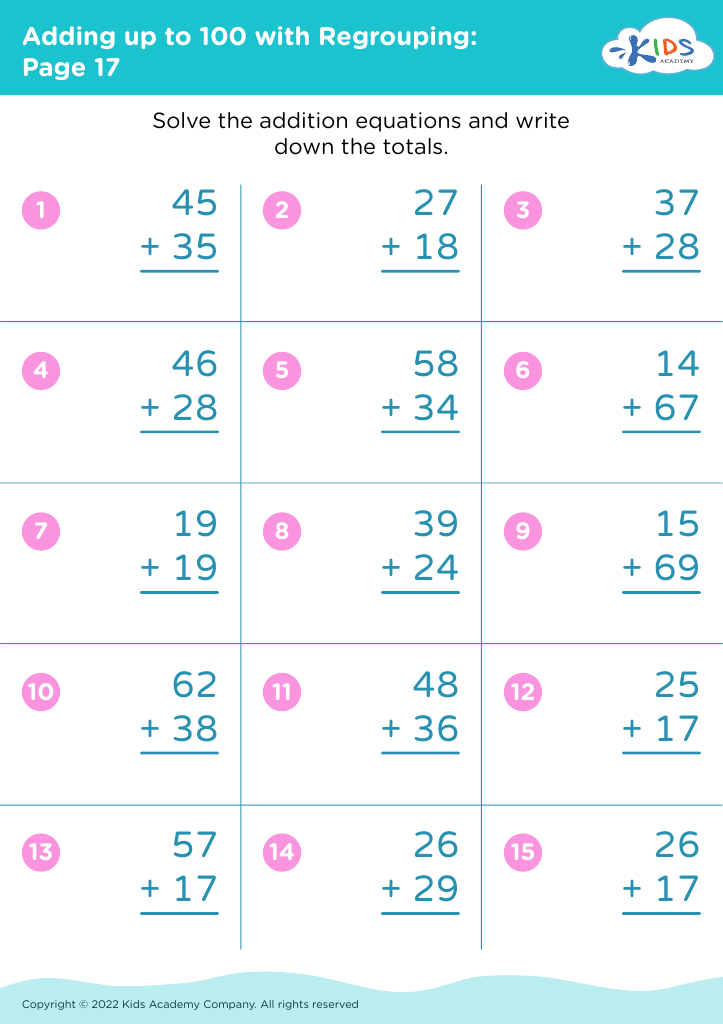


.jpg)





Shape recognition and addition skills are foundational for young learners, and integrating them is crucial for several reasons. For children aged 7-8, developing these skills simultaneously enhances their cognitive, mathematical, and spatial reasoning abilities.
Shape recognition goes beyond identifying circles, squares, or triangles. It nurtures spatial awareness and geometry comprehension, critical in everyday tasks and advanced math concepts. On the other hand, addition is a fundamental math skill that paves the way for more complex arithmetic.
Combining these topics makes learning more engaging and multi-dimensional. Interacting with shapes while practicing addition helps children visualize math problems better. For instance, if they're adding sides of different shapes or calculating the total number of shapes, they're actively using both concepts in a practical, enjoyable context.
Furthermore, activities that merge shape recognition and addition often involve hands-on, visual learning, catering to diverse learning styles. This approach builds more solid, flexible understanding and retains young learners' interest longer.
Parents and teachers should care because nurturing these skills together equips children with tools for more complex problem-solving and critical thinking. Early, well-rounded education lays a robust foundation, fostering confidence, curiosity, and enthusiasm for learning.








