Understanding money Addition Worksheets for Ages 7-8
3 filtered results
-
From - To
Discover our engaging "Understanding Money Addition Worksheets" designed specifically for ages 7-8. These printable resources help young learners practice addition skills in a fun, real-world context, focusing on money concepts. With colorful visuals and relatable scenarios, children will strengthen their math proficiency while learning to identify coins and bills, calculate totals, and make change. Each worksheet is tailored to enhance critical thinking and problem-solving skills, fostering a deeper understanding of financial literacy from an early age. Perfect for classroom use or at-home learning, these worksheets make math enjoyable and accessible. Start your child's exciting journey into the world of money today!
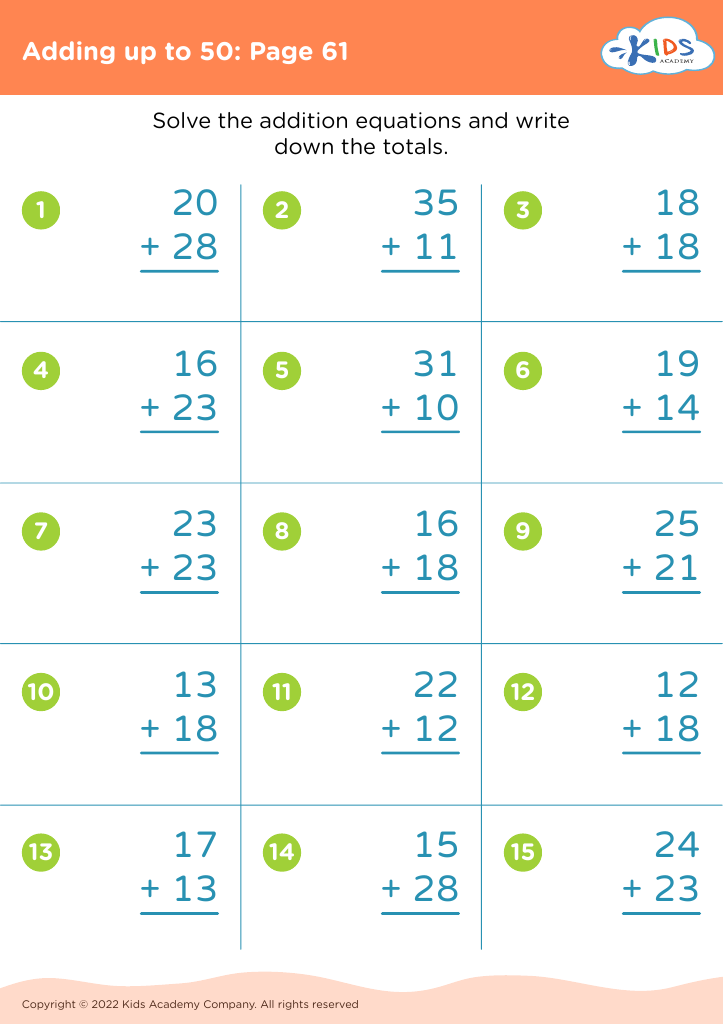
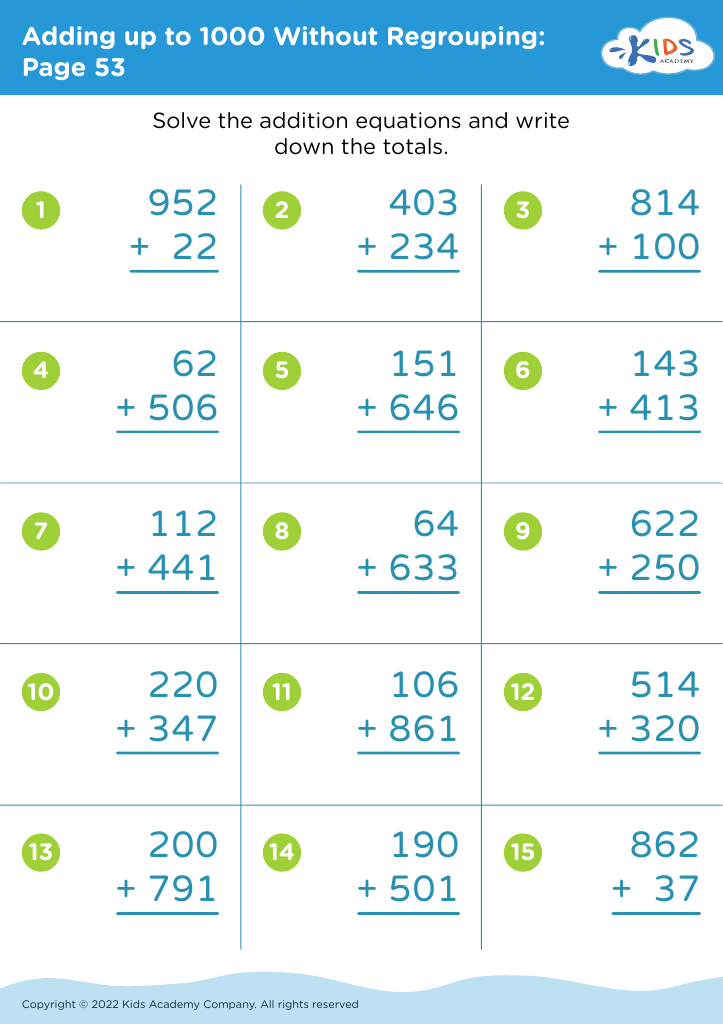
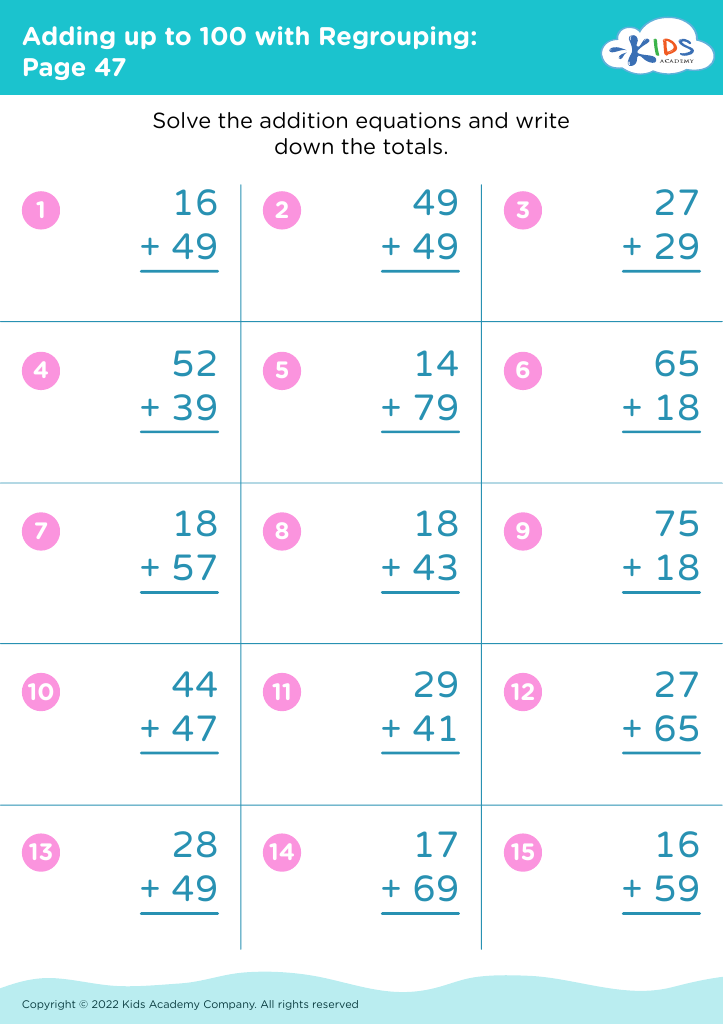








Understanding money and addition is crucial for children ages 7-8 as it lays the foundation for essential life skills. At this age, children are beginning to develop a more concrete grasp of mathematical concepts, including basic addition. By integrating money into these lessons, teachers and parents can make learning more engaging and relevant to everyday life.
Learning about money helps students comprehend the value of different denominations, enhancing their ability to make transactions and save. This real-world application of addition fosters critical thinking and problem-solving skills, essential for handling financial decisions in the future. Additionally, mastering these concepts builds confidence and a sense of independence, as children learn to manage their own money and understand the importance of budgeting.
Furthermore, understanding money addition promotes discussions around financial literacy, encouraging responsible spending and saving habits early on. With financial literacy being vital in today's economy, equipping children with these skills helps prepare them for adulthood. Ultimately, teaching kids about money and addition not only supports their mathematical development but also empowers them to navigate the financial aspects of life successfully. Parents and teachers play a significant role in this process, guiding and nurturing their understanding in meaningful ways.








