Improving counting skills Comparing Numbers Worksheets for Ages 7-8
3 filtered results
-
From - To
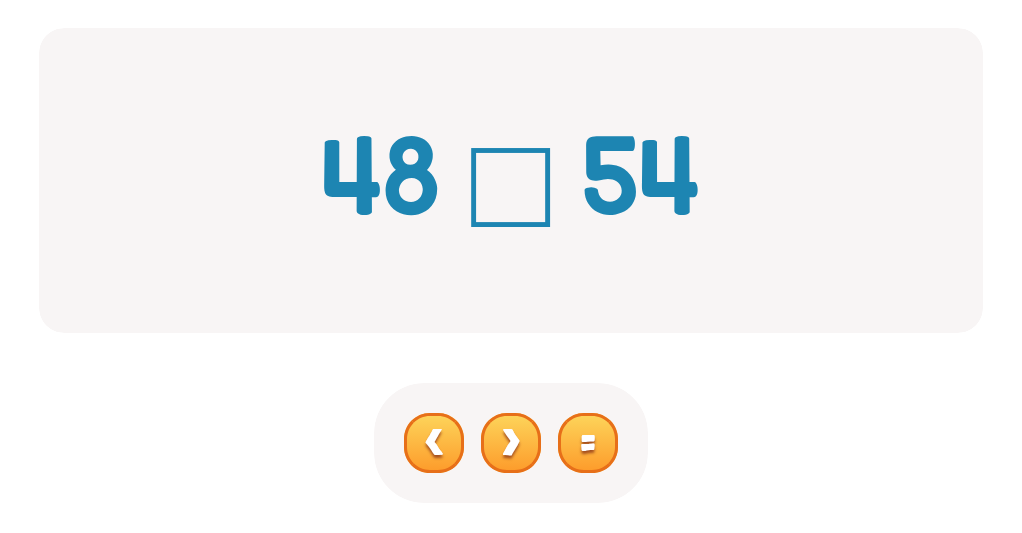
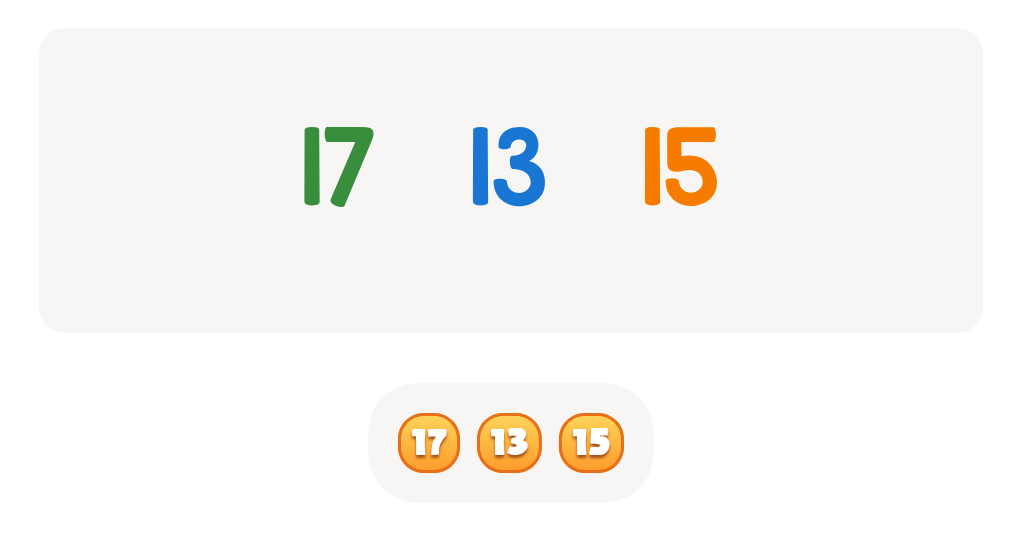
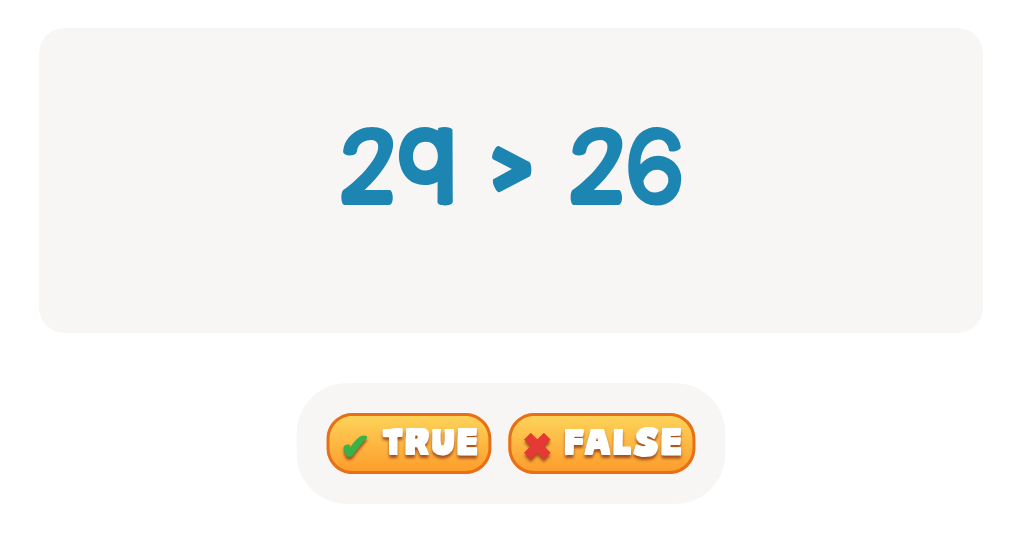
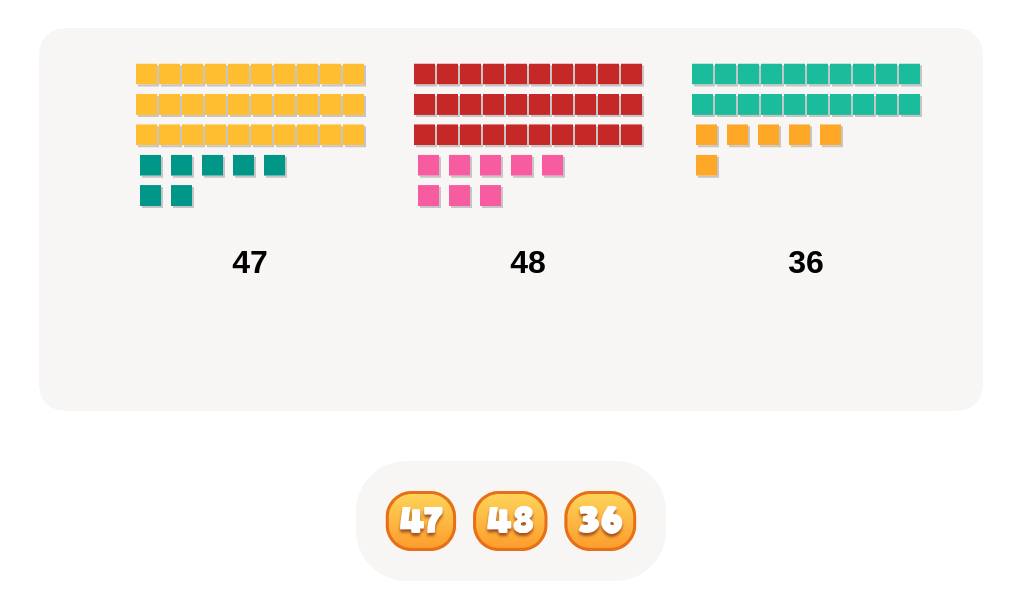
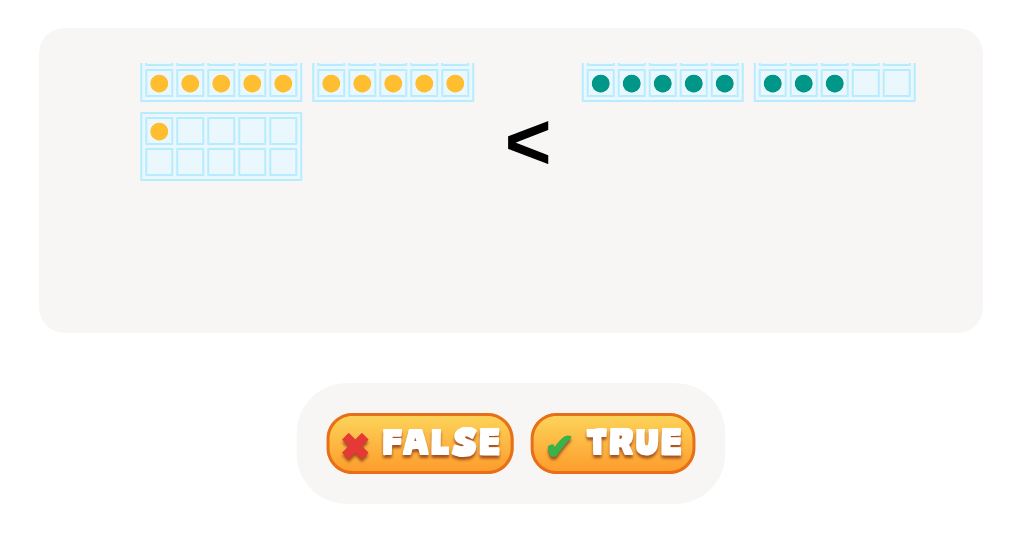
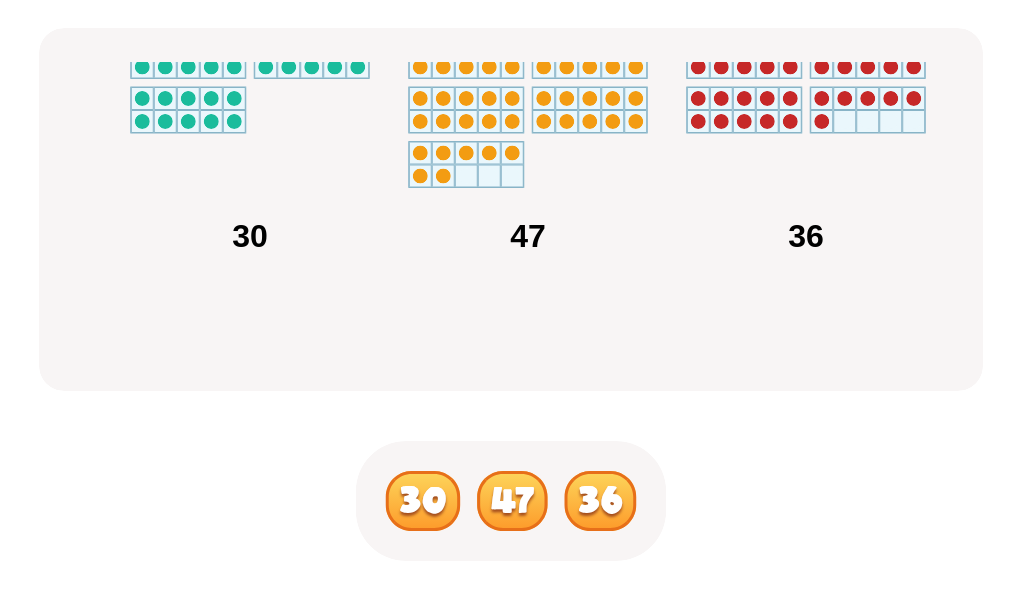
Enhance your 7-8-year-olds' counting skills with our engaging "Comparing Numbers Worksheets." Designed to make mathematics enjoyable and accessible, these worksheets help students understand number relationships through hands-on activities. Children will learn how to compare, order, and identify larger and smaller numbers, fostering essential math proficiency. Each printable worksheet includes colorful visuals and interactive exercises to keep young learners motivated. These resources align with grade-level standards and promote critical thinking, ensuring that foundational counting skills are mastered. Perfect for classroom use or at-home learning, these worksheets lay the groundwork for future success in math. Start your counting adventure today!
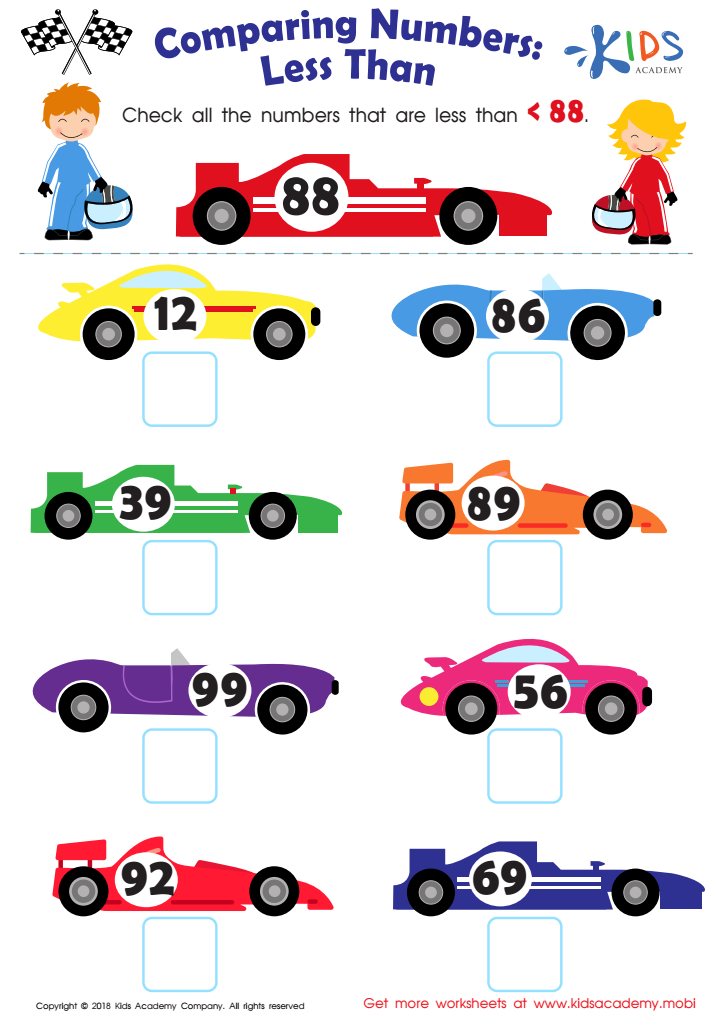
Less Than Worksheet
 Assign to My Students
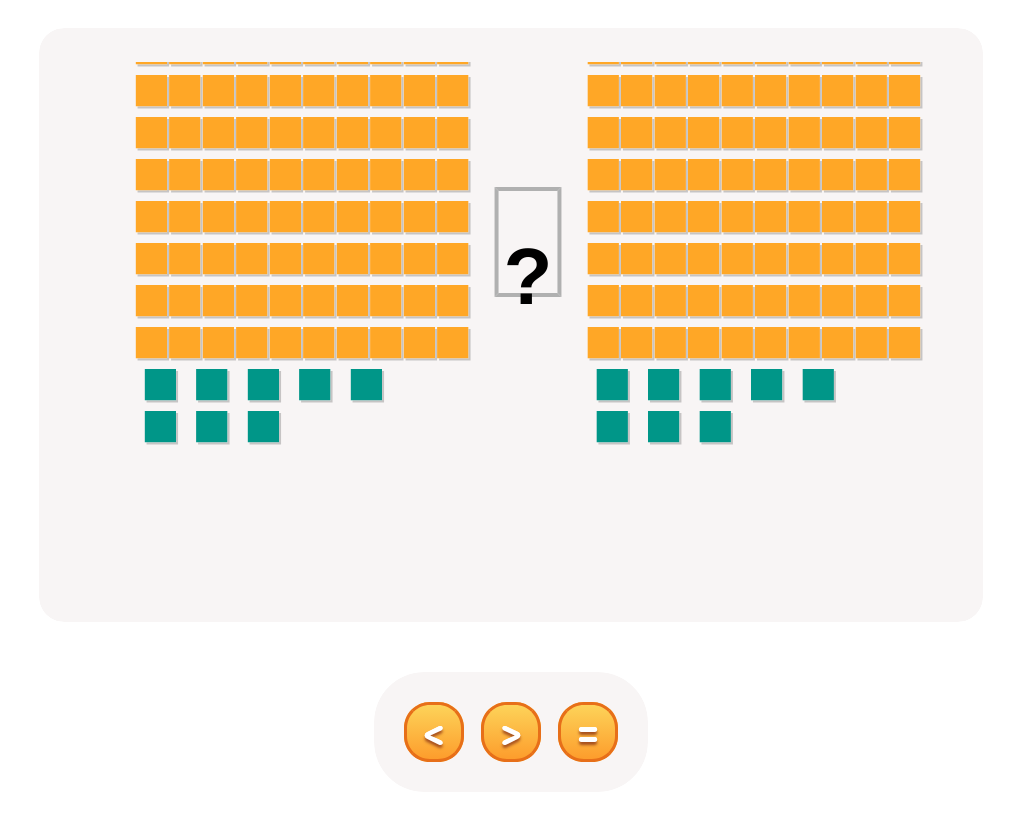

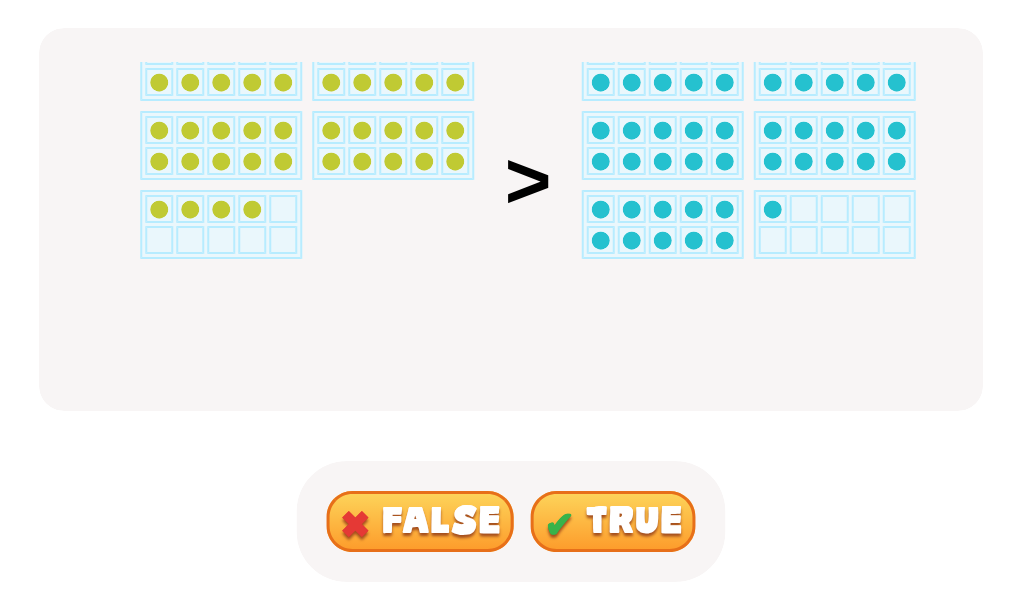
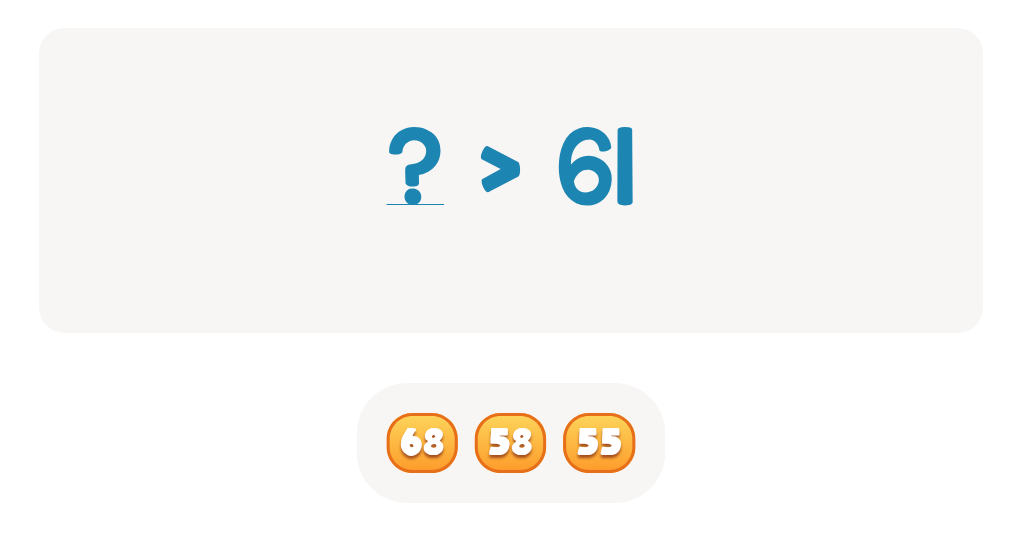
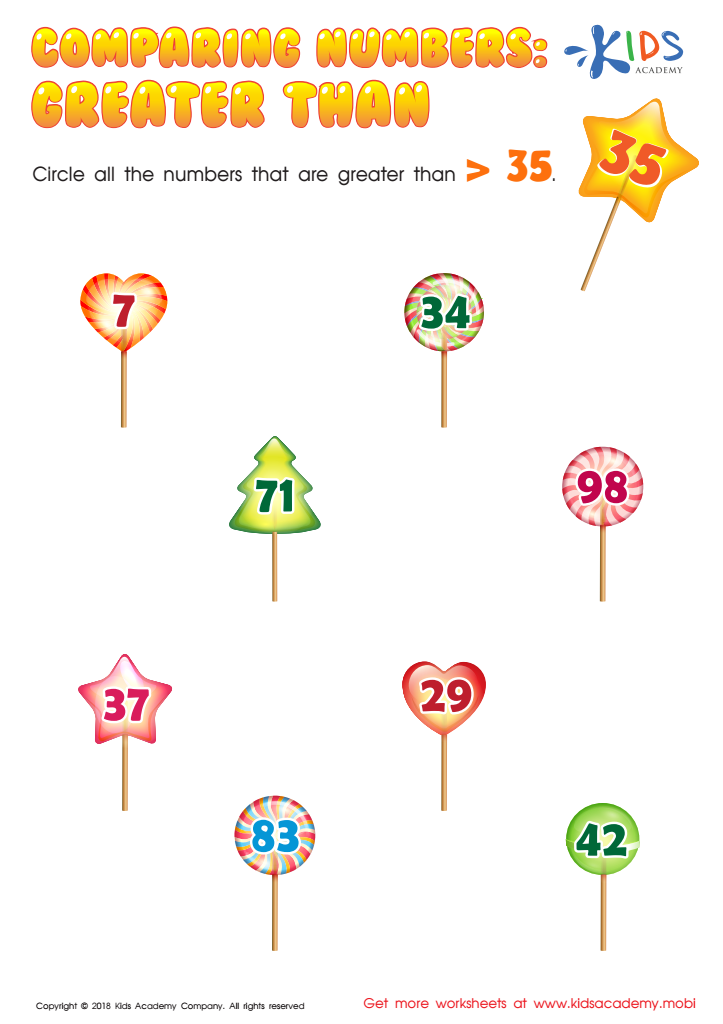
Greater Than Worksheet
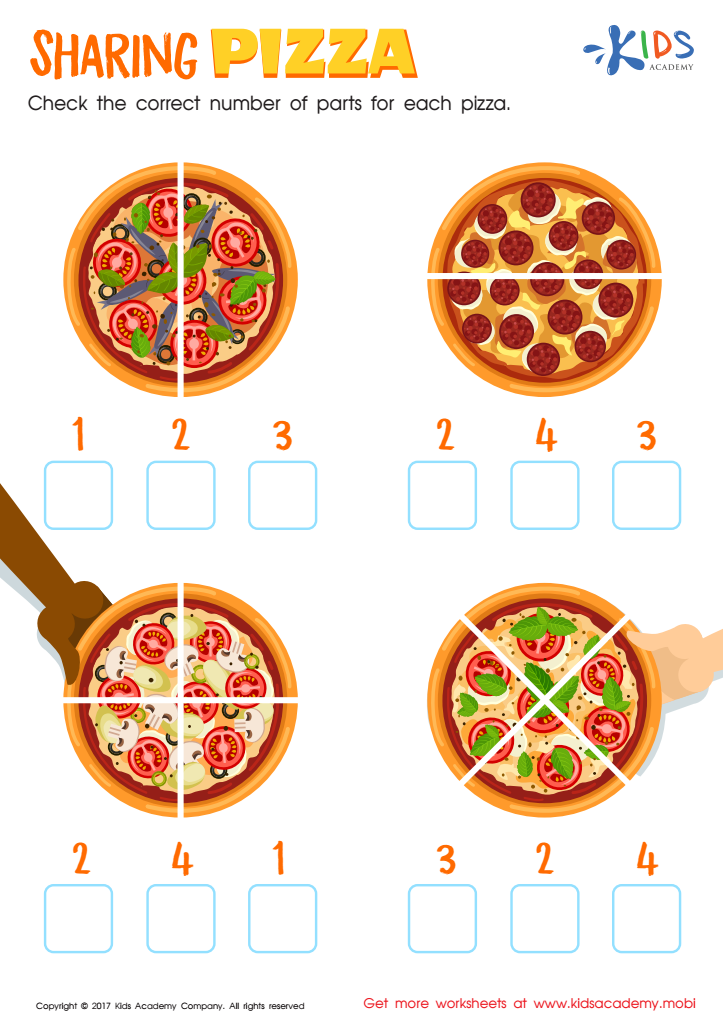
Sharing Pizza Worksheet








Improving counting skills and comparing numbers for children ages 7-8 is essential for their overall mathematical development and cognitive growth. At this age, children are transitioning from basic counting to understanding more complex concepts, making it a pivotal time for fostering a strong mathematical foundation. Developing effective counting skills enhances a child’s ability to solve problems, understand patterns, and engage in real-life situations such as budgeting or time management.
When children learn to compare numbers, they gain critical analytical skills. Being able to identify which numbers are greater or lesser helps them develop reasoning abilities, encourages logical thinking, and supports their understanding of mathematical relationships. Mastery of these skills lays the groundwork for future concepts in mathematics, including addition, subtraction, multiplication, and division.
Furthermore, counting and number comparison skills build confidence. When children can successfully quantify and compare numbers, they feel more competent in their abilities, which can motivate them to tackle more advanced math challenges. For parents and teachers, fostering a favorable environment for practicing these skills is crucial as it contributes not only to academic success but also to lifelong problem-solving abilities that they will use in various aspects of life. Therefore, supporting children in this area is an investment in their future.








