Understanding greater/less than Comparing Numbers Worksheets for Ages 7-8
3 filtered results
-
From - To
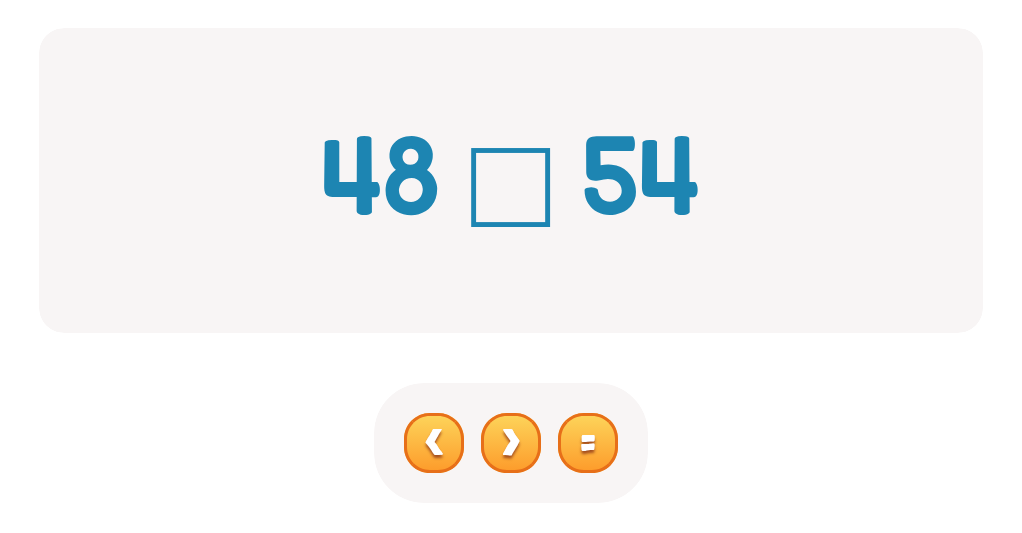
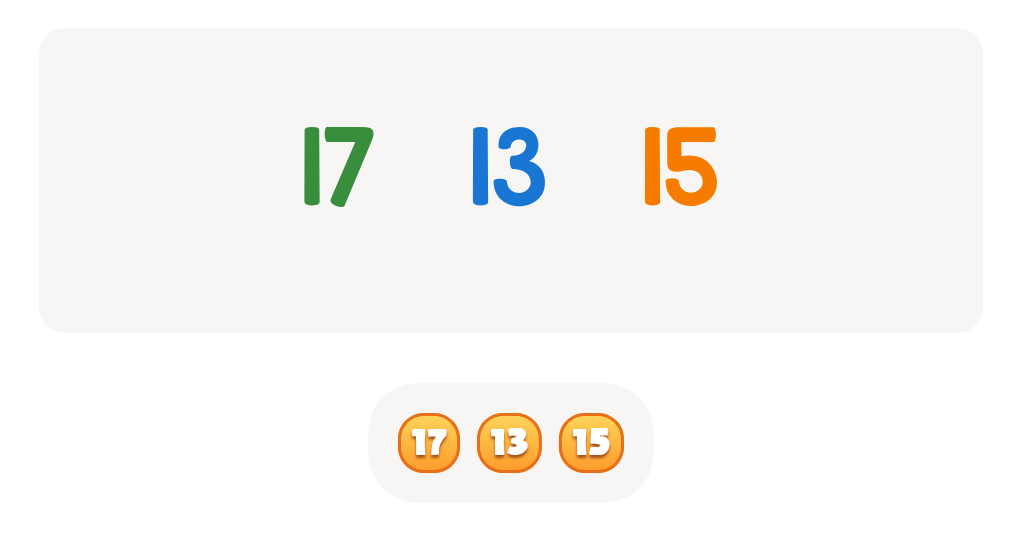
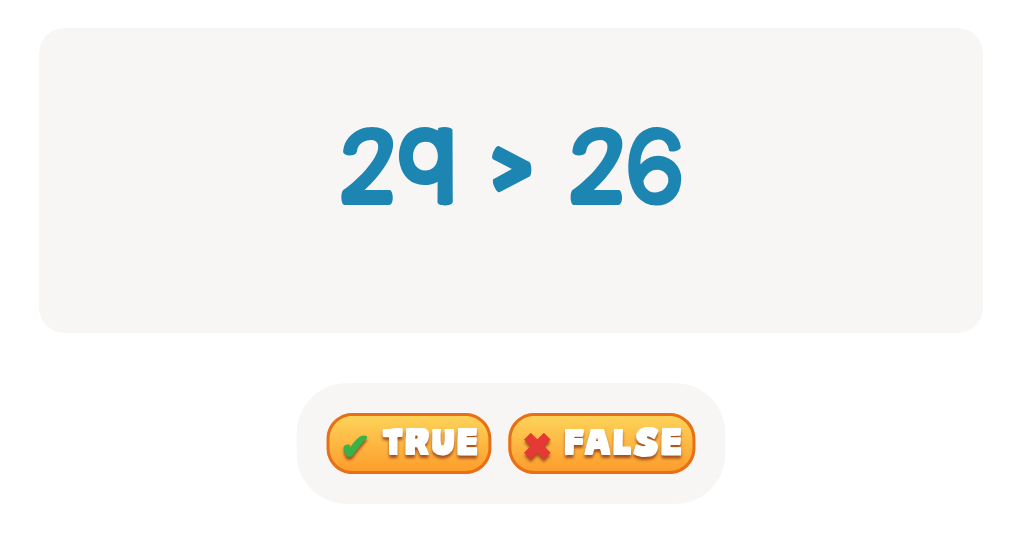
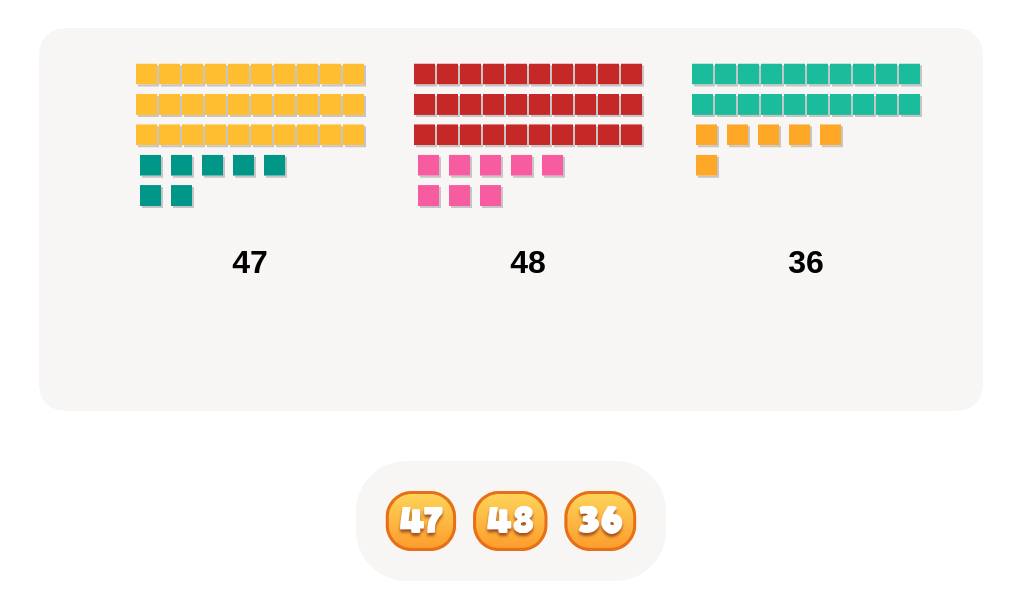
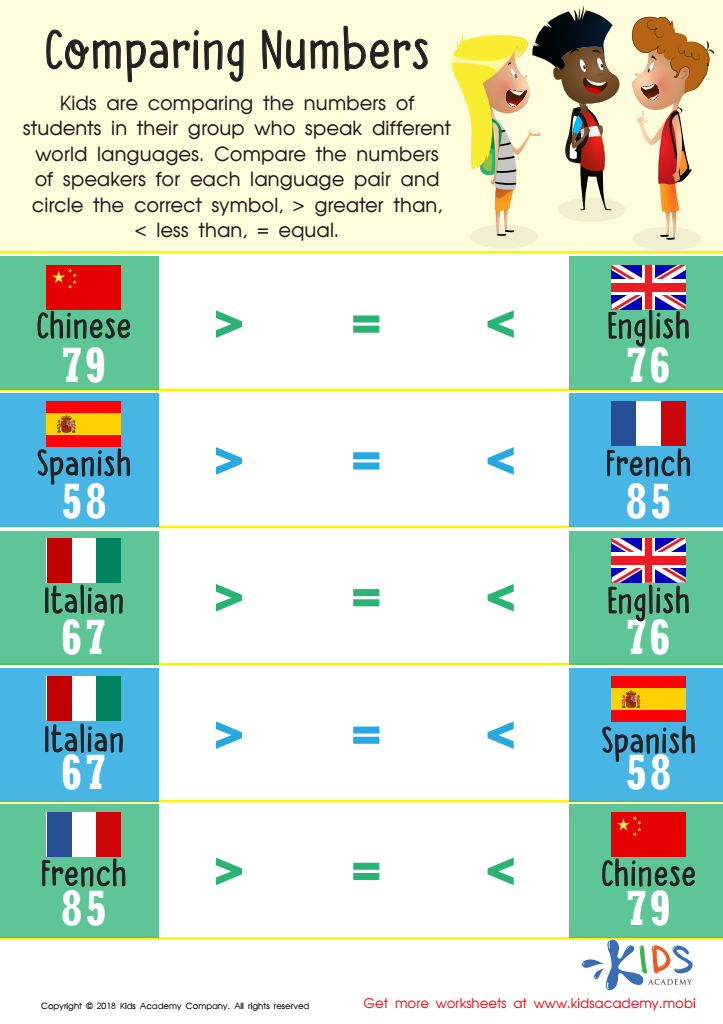
Discover our engaging "Understanding Greater/Less Than Comparing Numbers Worksheets" designed for children ages 7-8. These worksheets provide a fun and interactive way for young learners to grasp the concepts of greater than, less than, and equal to. Each activity is crafted to enhance critical thinking and reinforce number comparison skills, featuring vibrant illustrations and relatable examples. Perfect for online or printable use, our resources cater to various learning styles and can be integrated into your child’s homeschool curriculum or classroom activities. Encourage your child’s mathematical confidence and fluency while making learning enjoyable! Explore our worksheets today to elevate your child’s math skills.
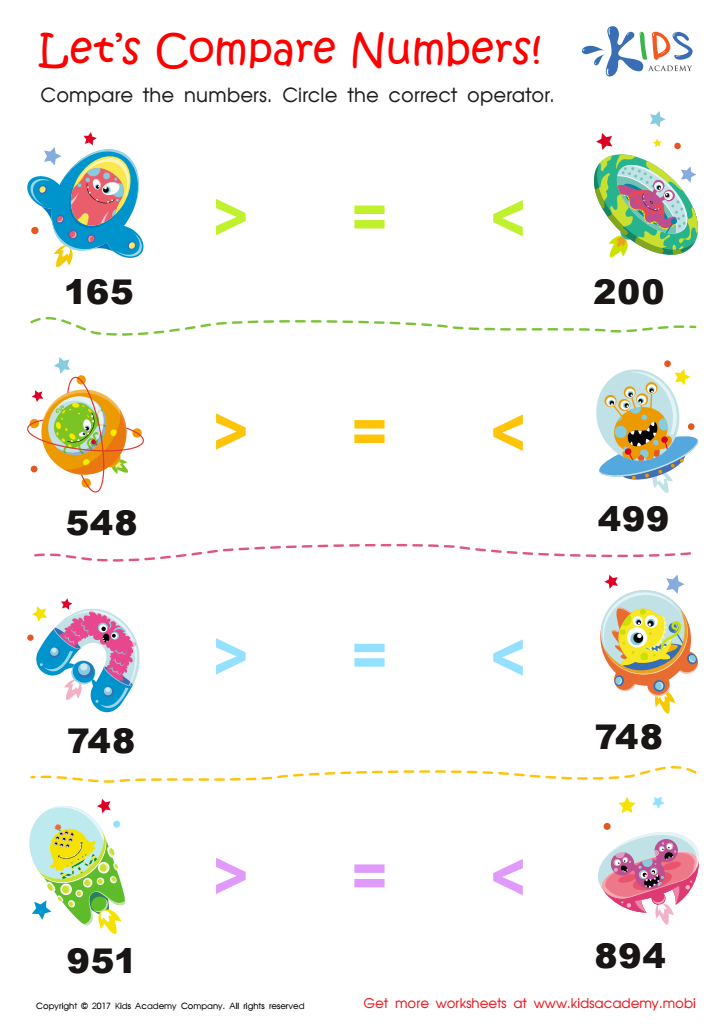
Comparing Numbers Worksheet for 2nd Grade
 Assign to My Students
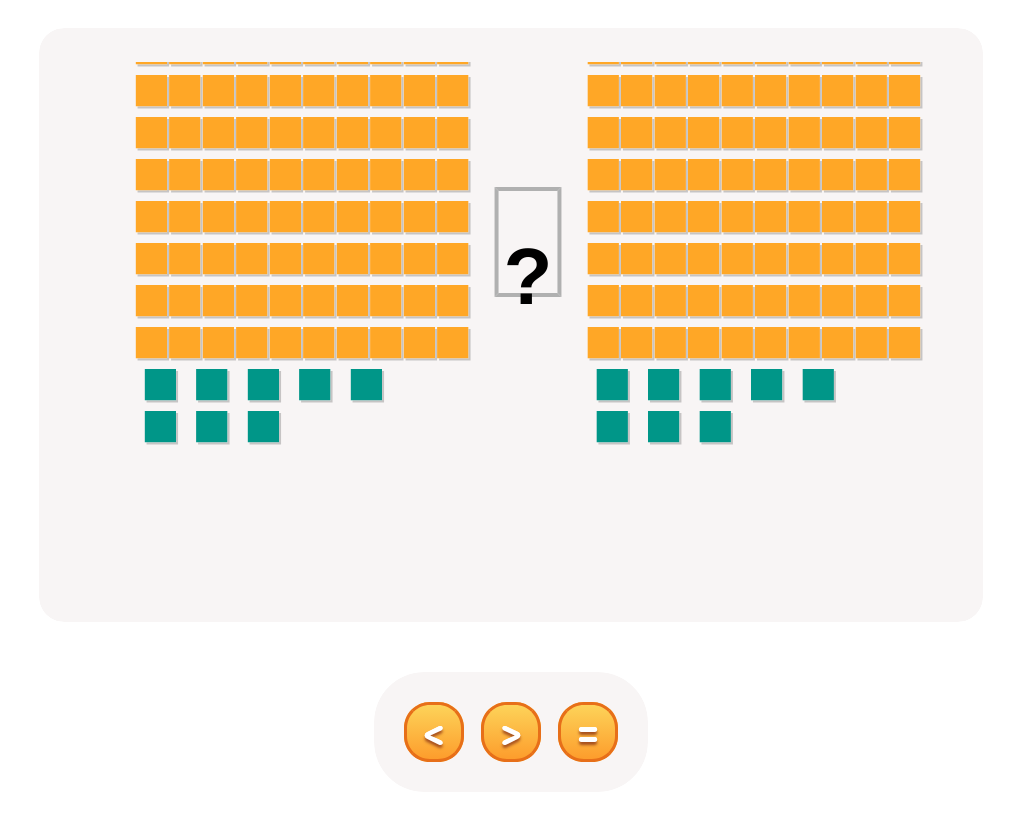

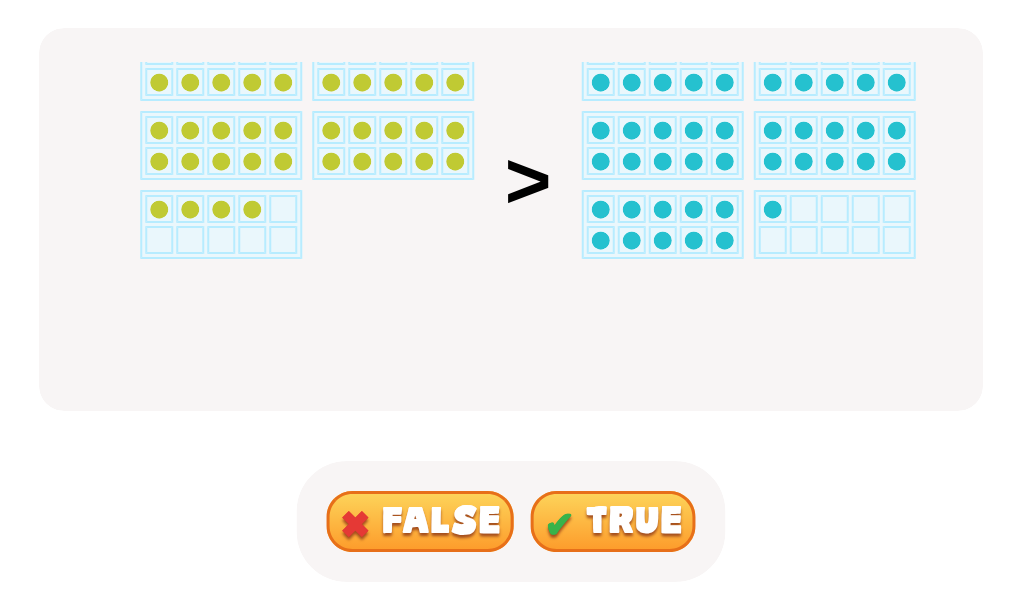
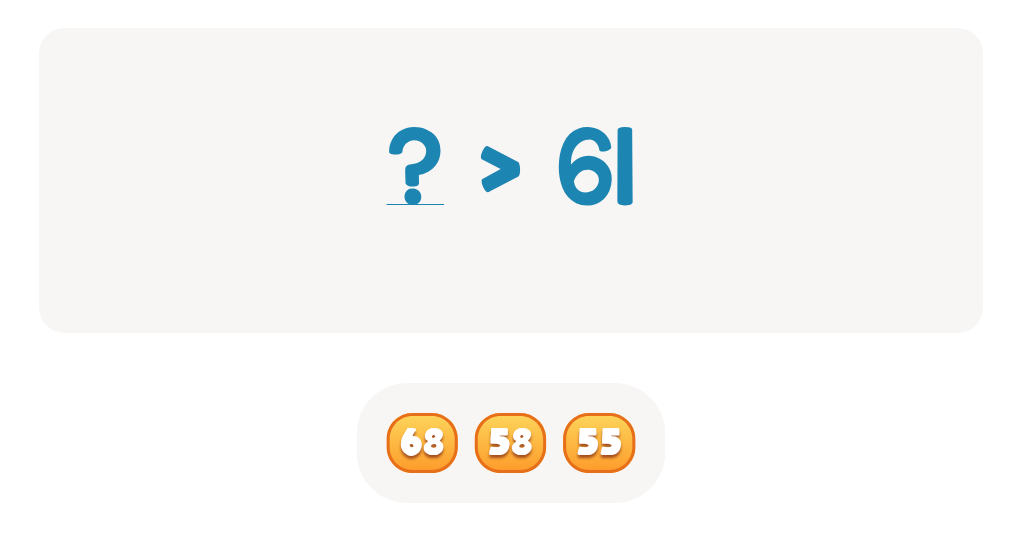
Comparing Numbers Worksheet for 1st Grade
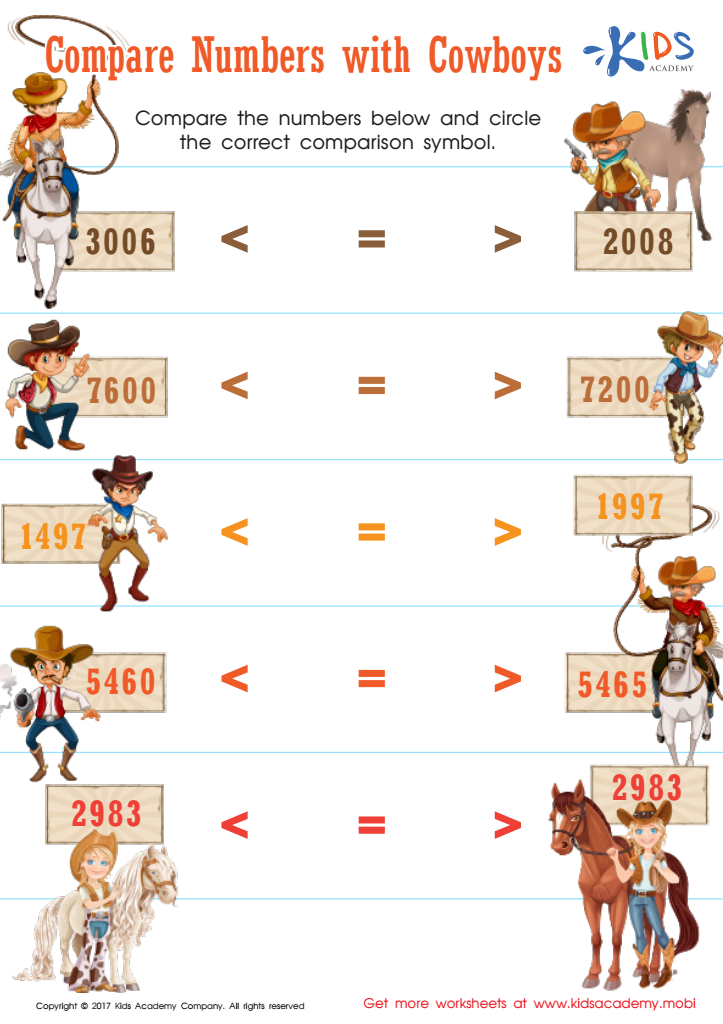
Compare Numbers Worksheet for 3rd Grade







Understanding greater and less than concepts is crucial for children aged 7-8 as it lays a fundamental foundation for their mathematical development. This understanding not only enhances their number sense but also prepares them for more complex mathematical concepts such as addition, subtraction, and even basic algebra in the future. When children learn to compare numbers, they develop analytical skills by evaluating quantities, patterns, and relationships between different sets of numbers.
From a practical perspective, these skills are essential in everyday life—making calculations, understanding measurements, handling money, and even analyzing data. In a classroom setting, teaching children about greater and less than fosters critical thinking; it encourages them to reason and justify their responses, abilities that are vital in academic achievement and problem-solving.
Moreover, familiarity with comparative terms shapes students’ confidence in math. Encouraging mastery in this area prompts engagement and reduces anxiety associated with larger numbers and operations. For parents and teachers, promoting this understanding creates a supportive environment where children feel empowered to explore mathematics, paving the way for future success in their educational journeys. Thus, investing time and resources into teaching these concepts reaps benefits that extend far beyond the classroom.








