Logical thinking Numbers Worksheets for Ages 7-8
4 filtered results
-
From - To
Unlock your child's potential with our Logical Thinking Numbers Worksheets designed for ages 7-8! These worksheets are crafted to enhance critical thinking and problem-solving skills while making learning numbers fun and engaging. Perfect for home or classroom use, each worksheet is packed with activities like number puzzles, sequencing, and logical challenges that stimulate young minds. Aligned with core math standards, these printable resources will not only improve mathematical proficiency but also foster a love for math. Give your child the tools they need to succeed and boost their logical reasoning with our targeted worksheets today!
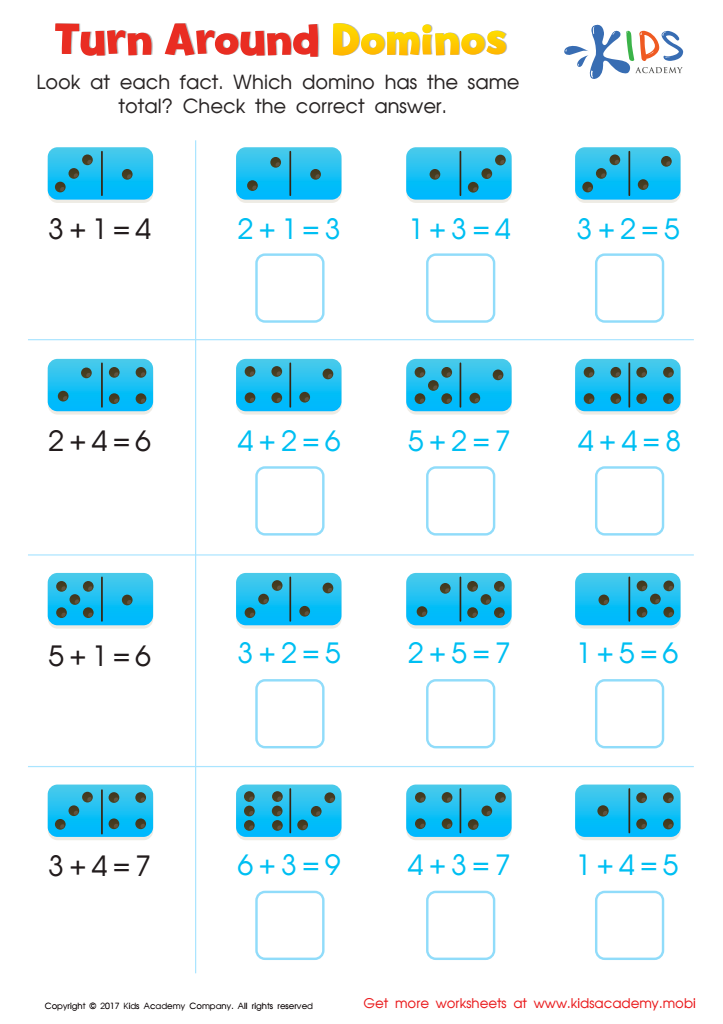
Turn Around Dominos Worksheet
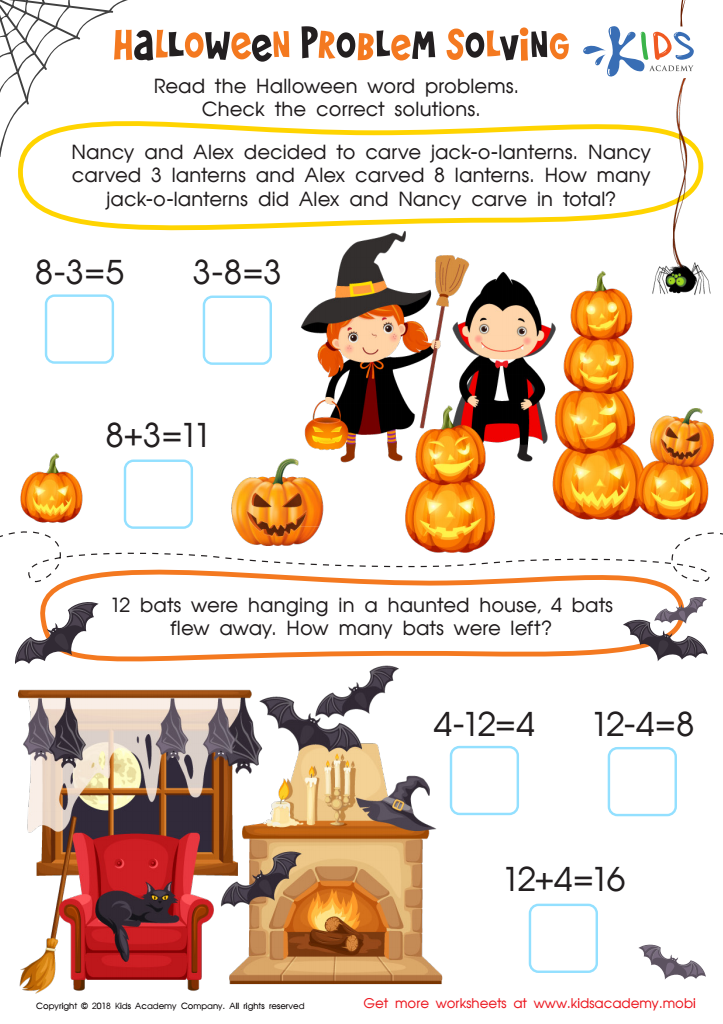
Halloween Problem Solving Worksheet
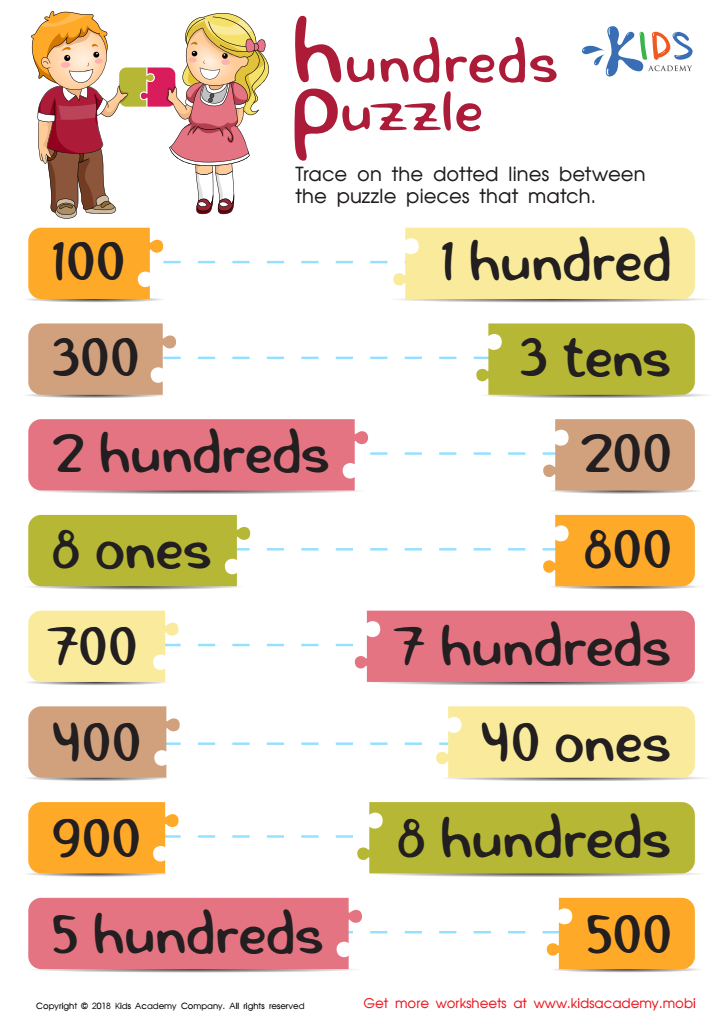
Hundreds Puzzle Worksheet
Magic Numbers Worksheet
 Assign to My Students








Logical thinking numbers, often referred to as number sense or numeracy skills, are foundational for children aged 7-8. Introducing and nurturing these skills at an early age is crucial for several reasons.
Firstly, logical thinking numbers help children build a strong mathematical foundation. At this age, children are typically beginning to understand and manipulate numbers in more complex ways, which includes basic addition, subtraction, and the understanding of place value. A solid grasp on these fundamental concepts sets the stage for more advanced math topics in later grades.
Secondly, developing these skills at a young age enhances problem-solving abilities. Logical thinking promotes analytical skills, helping children to approach problems methodically. This kind of thinking is critical not only in math but in everyday life decisions, from navigating social situations to making sense of the world around them.
Furthermore, early development of logical number skills is linked to improved academic performance across subjects. Children who excel in math often exhibit better organizational habits, higher concentration levels, and improved reading comprehension.
Lastly, nurturing logical thinking numbers can boost a child’s confidence. Struggling with math can cause frustration and anxiety, but mastering it brings a sense of achievement. This confidence can translate into a positive attitude toward school and learning in general.
For these reasons, parents and teachers should prioritize the cultivation of numerical and logical thinking early in a child’s educational journey.








