Develop inference skills Math Worksheets for Ages 7-8
3 filtered results
-
From - To
Boost your child's mathematical and critical thinking abilities with our Develop Inference Skills Math Worksheets for Ages 7-8. Crafted by expert educators, these engaging worksheets help young learners enhance their inference skills through fun and interactive scenarios. Our resources focus on interpreting data, identifying patterns, and making logical connections, setting a strong foundation for advanced math concepts. Each worksheet is designed to be both challenging and enjoyable, ensuring children stay motivated while mastering essential skills. Perfect for classroom use or home practice, give your child the tools they need for academic success with our specially designed inference math worksheets.
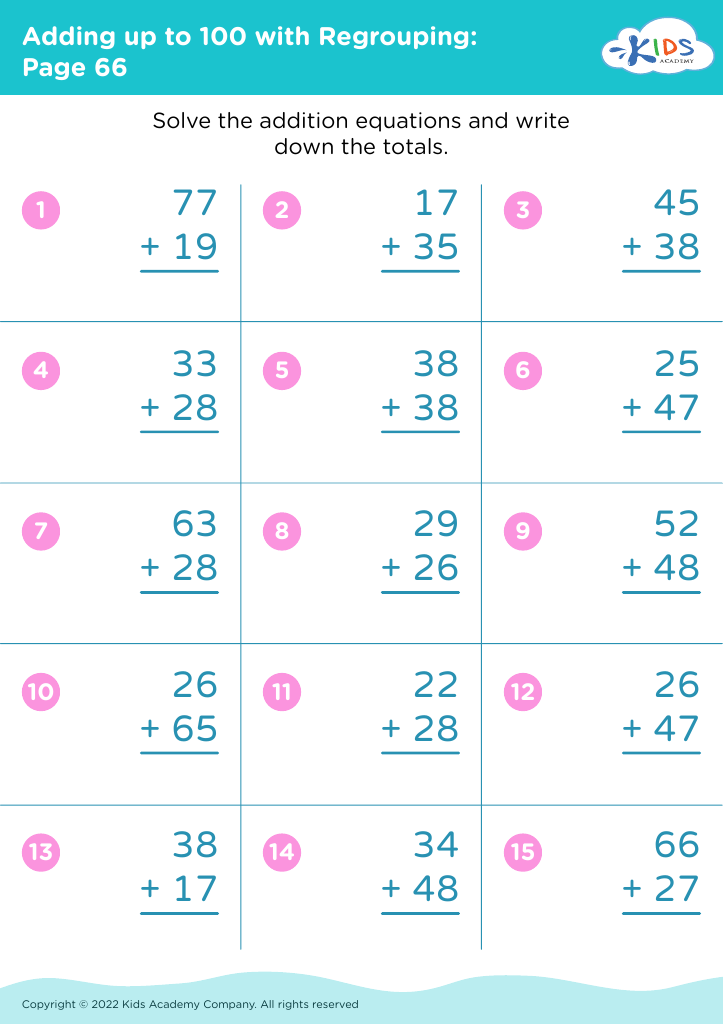
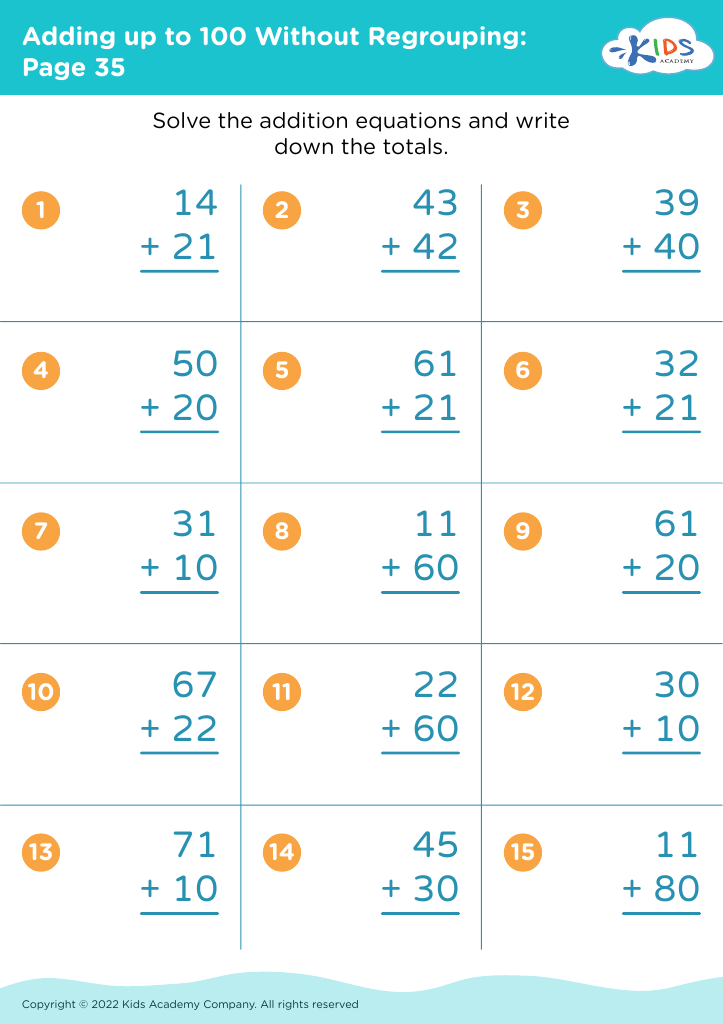
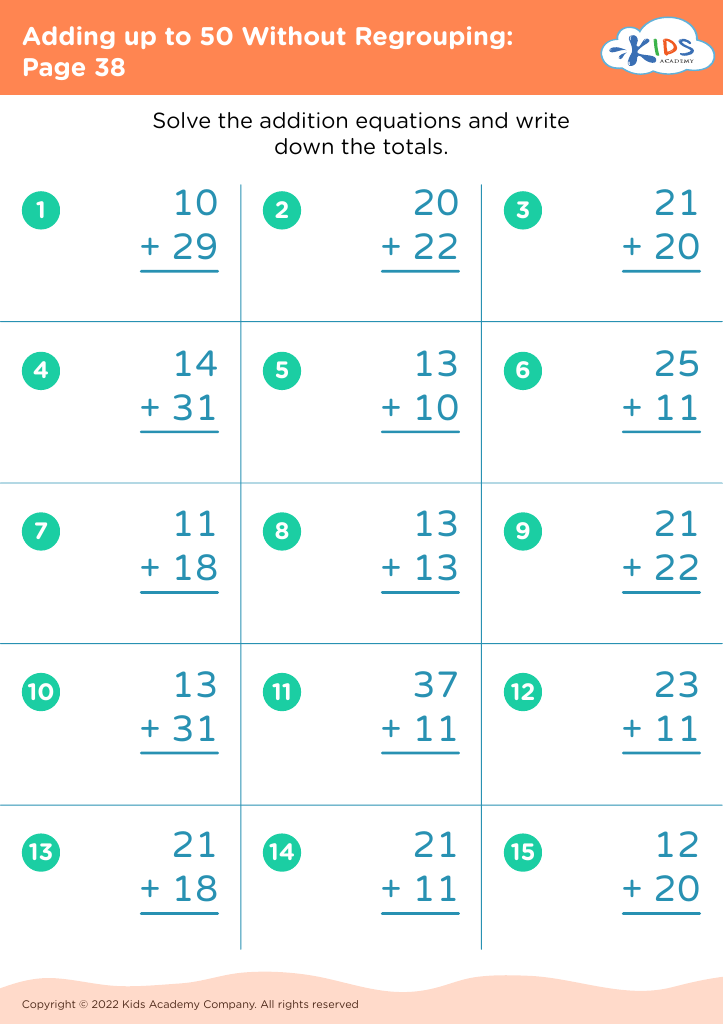








Developing inference skills in math for children aged 7-8 is crucial because it lays the foundation for advanced problem-solving and critical thinking. At this age, students transition from concrete thinking to more abstract reasoning. Inference skills enable them to understand not just the "how" but the "why" behind mathematical concepts and procedures.
Firstly, strong inference skills support reading comprehension within word problems, allowing students to interpret information accurately and apply the correct operations to find solutions. This foundational skill extends beyond math, enhancing overall academic performance as students learn to extract essential details and make logical connections across subjects.
Secondly, fostering these skills encourages patience and resilience. As students encounter perplexing problems, they learn to navigate uncertainties and develop persistence, key attributes for lifelong learning. Teachers and parents who prioritize these skills provide learners with the confidence to explore various methods and strategies, discovering that multiple pathways can lead to the correct answer.
Lastly, solid inference skills prepare children for real-life situations requiring logical reasoning and decision-making. For instance, they can adeptly manage budgeting and interpret data in various contexts. By investing effort in teaching inference skills at this formative age, parents and teachers equip children with tools for academic success and practical life skills essential for future challenges.








