Developing fine motor skills Math Worksheets for Ages 7-8
3 filtered results
-
From - To
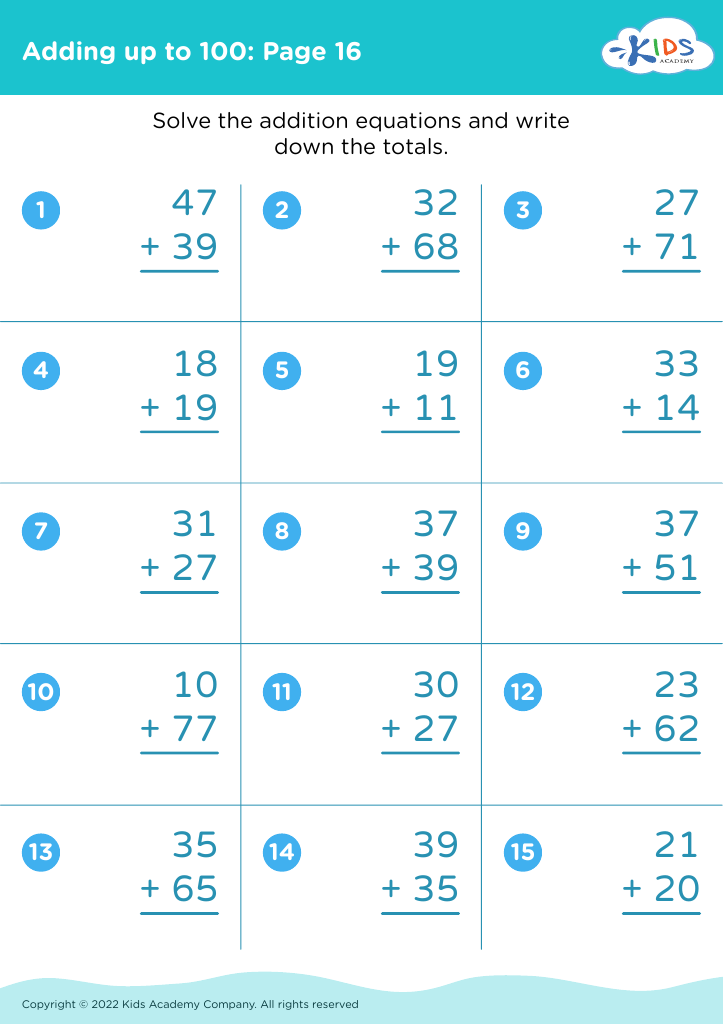
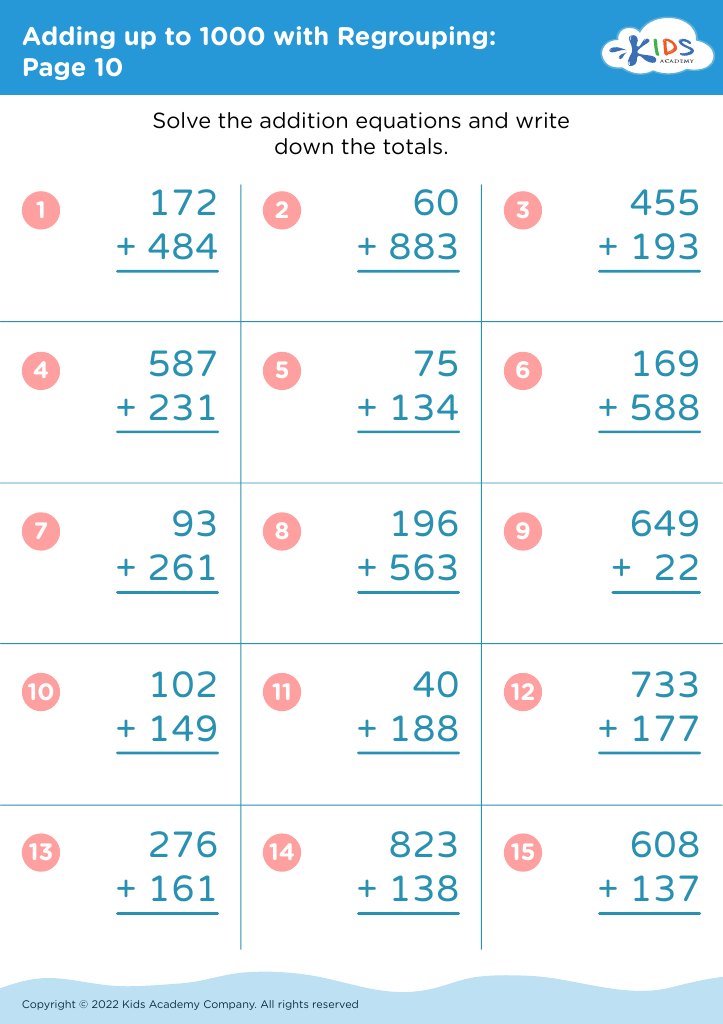
Enhance your child's fine motor skills with our engaging Math worksheets designed specifically for ages 7-8. These worksheets combine fundamental math concepts with fun, hands-on activities to strengthen hand-eye coordination and dexterity. Each activity encourages kids to use their fingers for cutting, tracing, and connecting, fostering both creativity and precision. As children navigate through addition, subtraction, and problem-solving exercises, they will simultaneously develop essential fine motor skills needed for writing and other tasks. Perfect for at-home learning or classroom activities, our worksheets provide an interactive way to learn math while improving fine motor abilities. Start making learning fun today!
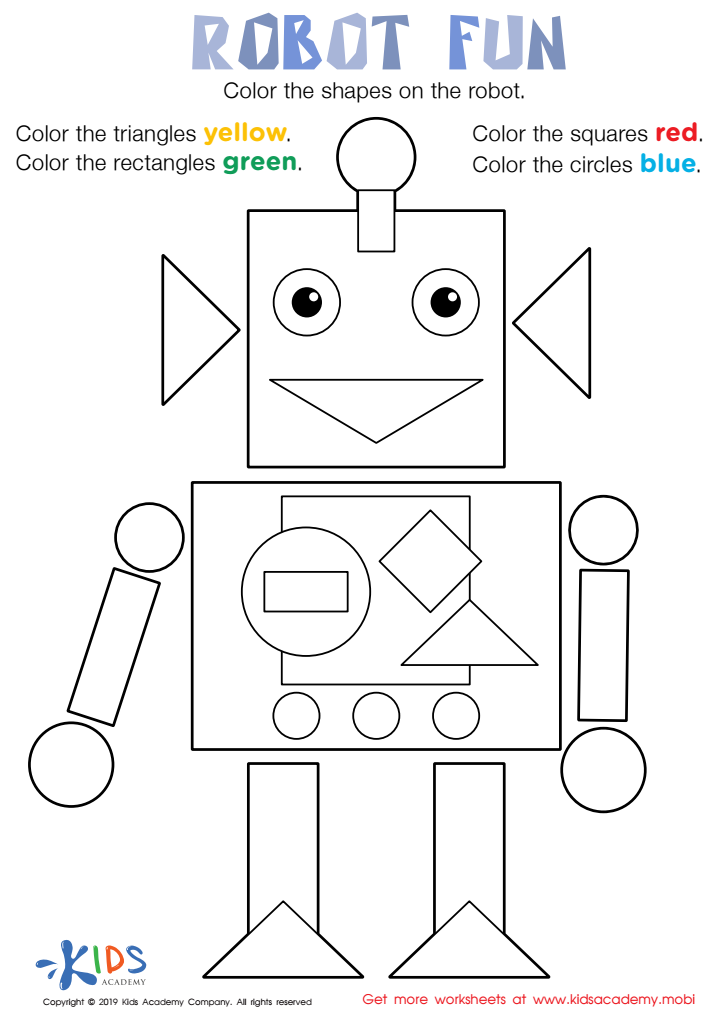
Robot Fun Worksheet
 Assign to My Students





.jpg)


Developing fine motor skills is essential for children aged 7-8, especially when it comes to math. At this age, students often manipulate physical objects to learn mathematical concepts. Fine motor skills enhance their ability to handle tools like pencils, rulers, and manipulatives, which are vital for engaging in hands-on activities. As children grasp and sort materials, they strengthen their coordination and dexterity, laying the foundation for writing and solving math problems effectively.
Furthermore, strong fine motor skills promote cognitive development. Manipulating objects helps children understand spatial relationships, number sense, and fundamental mathematical operations. This kinesthetic approach reinforces learning, allowing students to visualize concepts and develop a deeper understanding of math.
Parents and teachers should prioritize fine motor skill development, as it directly impacts academic performance. Children with well-developed fine motor skills find it easier to complete tasks, stay engaged, and boost their confidence in their mathematical abilities. Additionally, these skills foster persistence and concentration, vital traits for lifelong learners. By encouraging activities like drawing shapes, counting with blocks, or engaging in puzzle-solving, caregivers can support children’s math proficiency and overall development. Thus, fostering fine motor skills is an essential step towards academic success in mathematics and beyond.








