Numerical problem solving Math Worksheets for Ages 7-8
3 filtered results
-
From - To
Introduce your 7-8 year olds to the world of numbers with our engaging Numerical Problem-Solving Math Worksheets! Designed to sharpen young minds, these worksheets cover essential math skills, including addition, subtraction, multiplication, and division through playful exercises and real-world problems. Our expertly crafted activities inspire critical thinking, improve problem-solving abilities, and build mathematical confidence. Ideal for classroom use or at-home practice, these worksheets make learning math fun and interactive. With colorful visuals and clear instructions, our collection ensures your child will enjoy mastering fundamental math concepts. Download today and watch your child’s math skills soar!
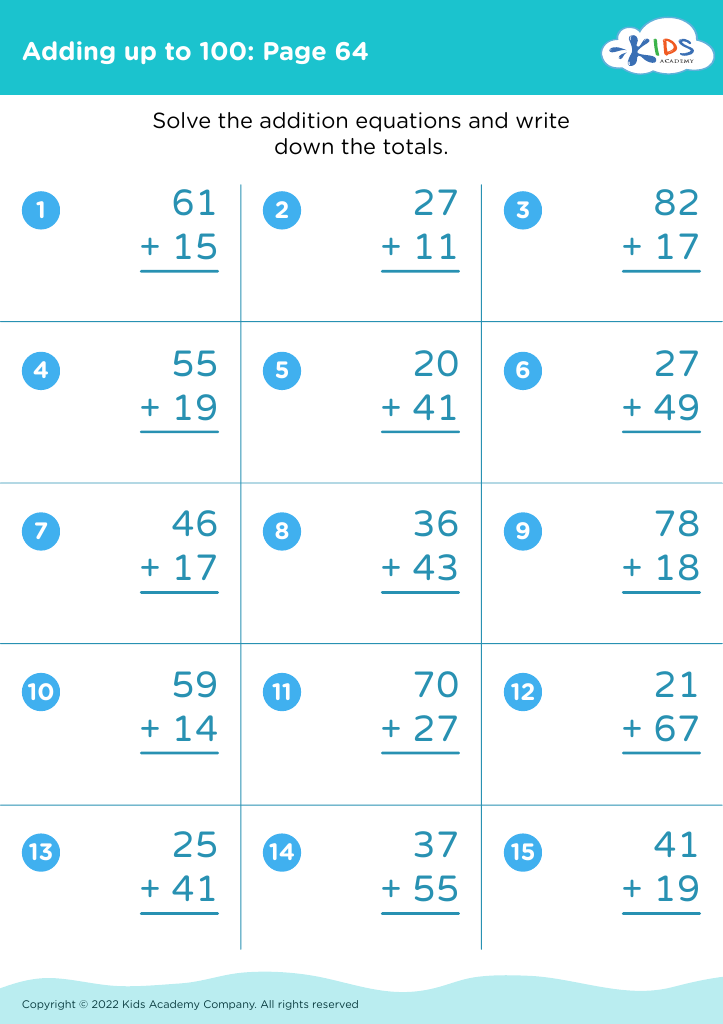
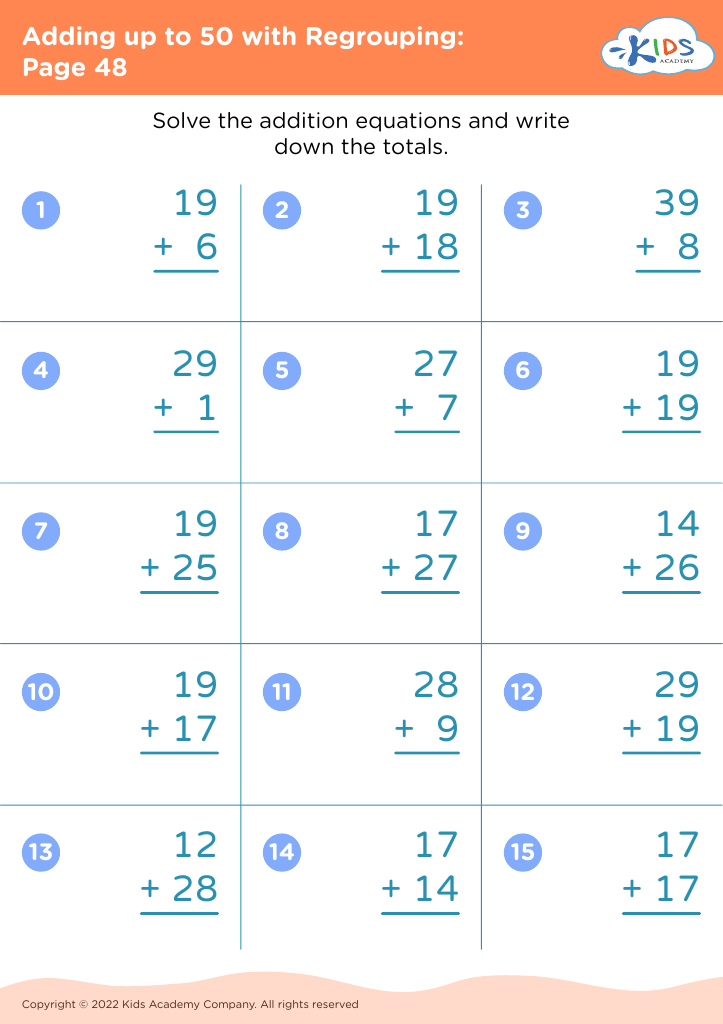
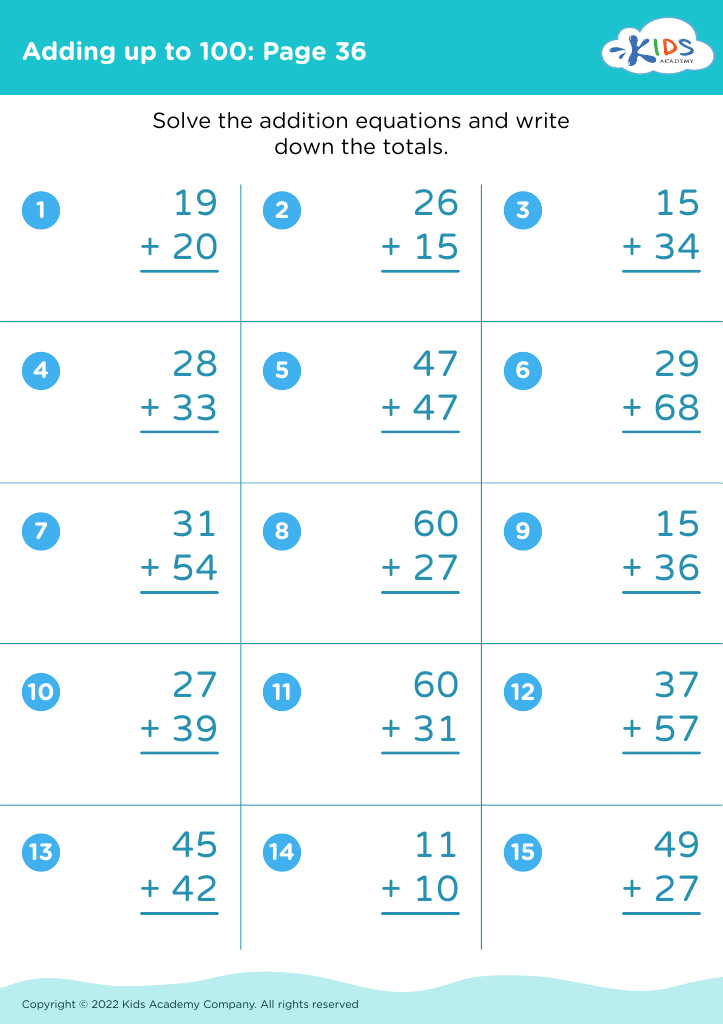








Numerical problem solving in math for children ages 7-8 is crucial as it lays the foundation for future academic success and everyday functionality. At this formative stage, the brain is highly adaptable and receptive to learning key concepts that foster critical thinking and analytical skills. Introducing numerical problem-solving exercises helps children grasp fundamental math principles such as addition, subtraction, multiplication, and division. These skills are not only essential for advanced math but also for understanding patterns, sequences, and logical reasoning.
For parents and teachers, prioritizing numerical problem solving nurtures a child’s confidence and competence in math, bridging the gap between theoretical learning and practical application. When children solve math problems, they learn to approach challenges with a structured mindset, enhancing their problem-solving capabilities across other subjects and daily scenarios. Additionally, early proficiency in math is linked to improved academic performance, providing a strong competitive edge and opening doors to diverse career opportunities in the future.
Encouraging a positive attitude towards math from an early age mitigates math anxiety, a common issue that can deter students from pursuing STEM-related fields later in life. By cultivating strong numerical skills early on, parents and teachers help shape well-rounded, logical thinkers prepared to navigate an increasingly tech-driven world.








