
Practice problem-solving Math Worksheets for Ages 7-8
4 filtered results
Difficulty Level
Grade
Age
-
From - To
Subject
Activity
Standards
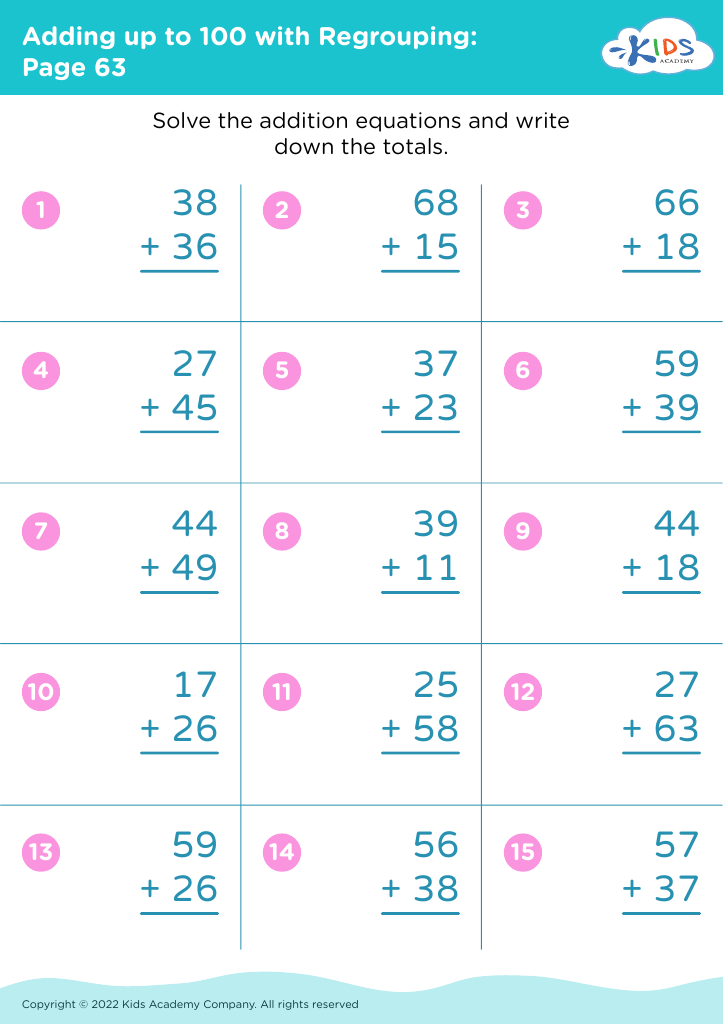
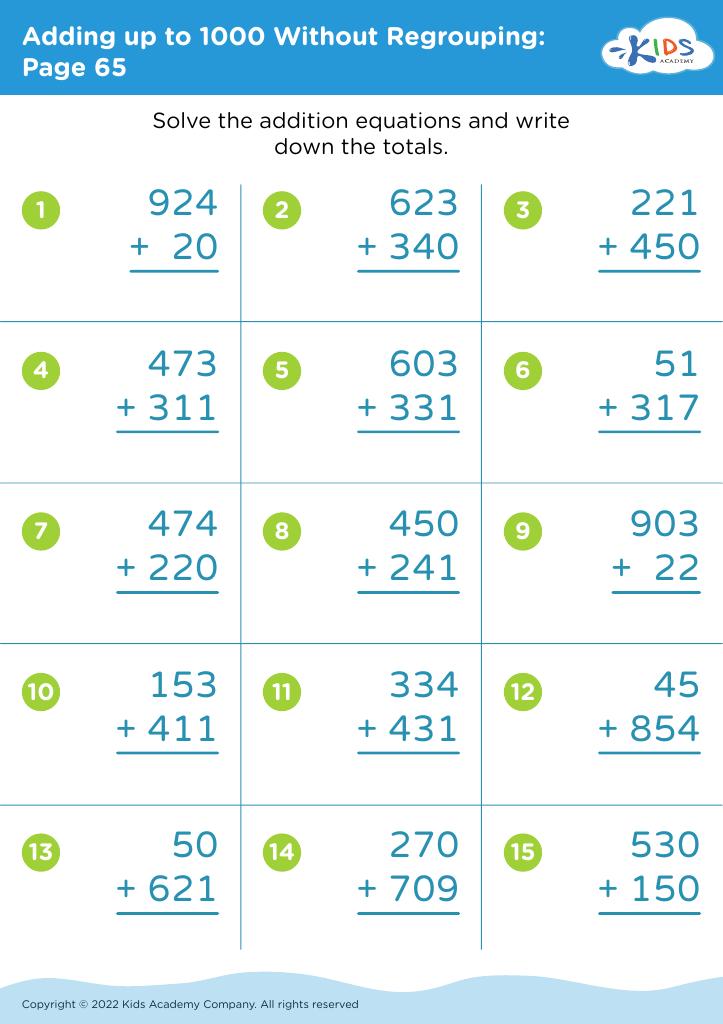
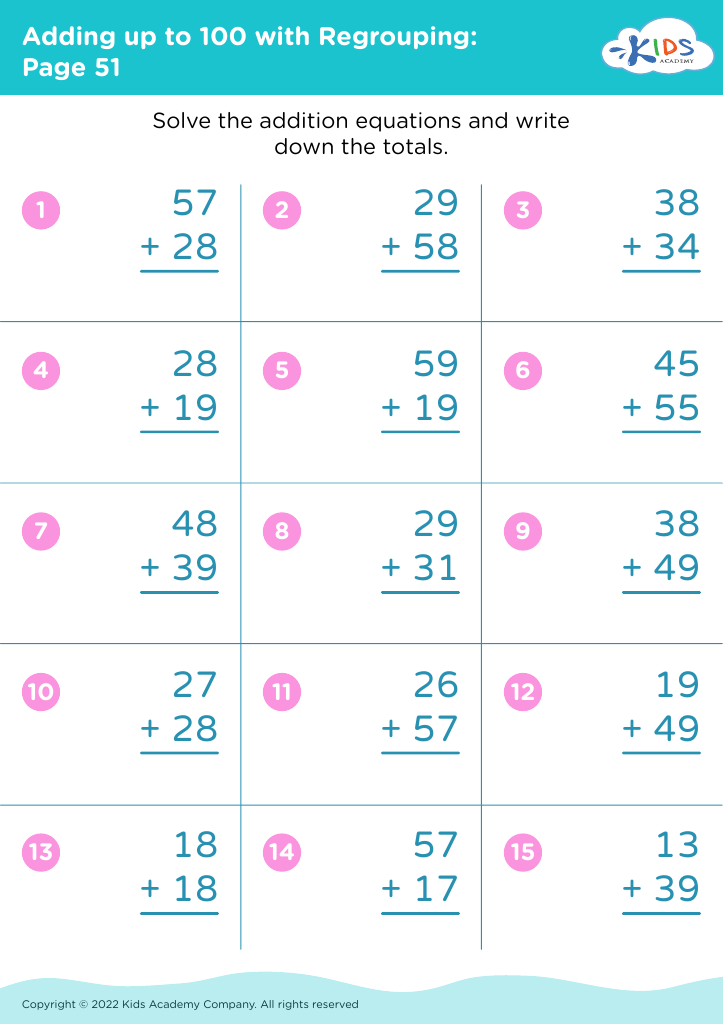
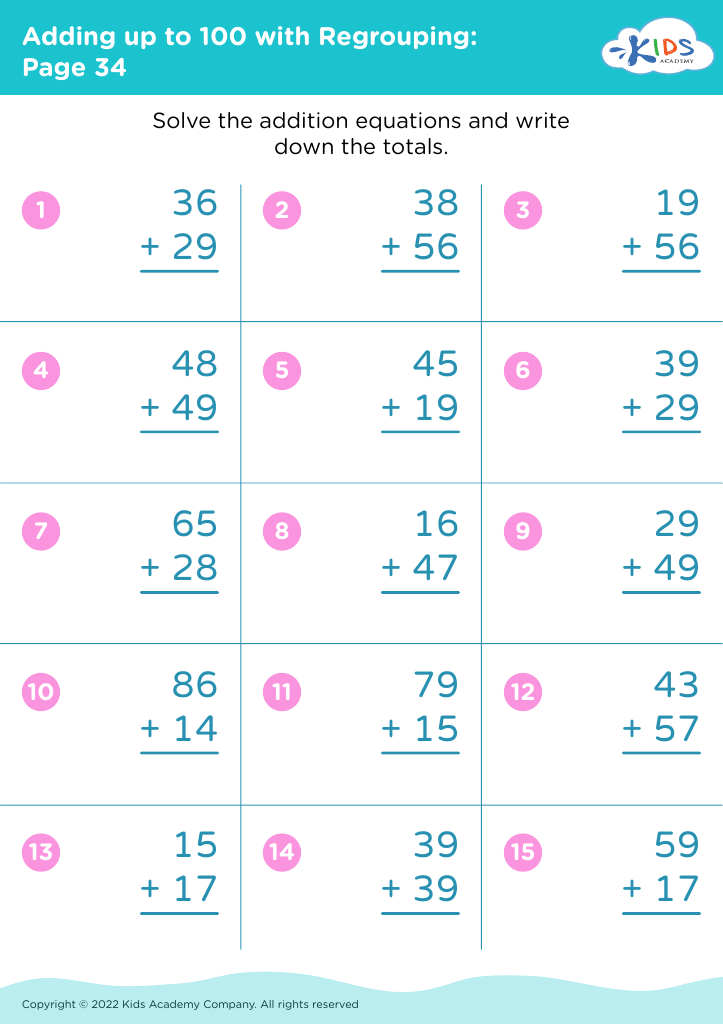
Boost your child's math skills with our Practice Problem-Solving Math Worksheets designed for ages 7-8. These engaging and educational worksheets on Kids Academy feature a variety of problems, from simple arithmetic to more complex puzzles, helping young learners develop critical thinking and problem-solving abilities. Each worksheet is crafted to balance challenge and fun, ensuring children stay motivated while mastering key concepts. Perfect for both at-home practice and classroom use, these worksheets are an excellent resource for nurturing a strong mathematical foundation and boosting confidence in young minds. Discover the path to math success today!
Favorites
With answer key
Interactive
Join Kids Academy for Free
Who is primarily going to use this learning content?







.jpg)
Parents and teachers should prioritize practice problem-solving in math for children aged 7-8 because this developmental stage is critical for building foundational skills essential for future academic success and daily life. At this age, children are able to grasp basic arithmetic concepts and it’s important to introduce problem-solving activities that challenge their thinking and enhance cognitive skills, such as logical reasoning and critical thinking.
Engaging in problem-solving exercises helps children understand how to apply math concepts in real-world situations, fostering a deeper comprehension rather than rote memorization. These activities encourage perseverance and resilience, teaching children how to approach challenges and find multiple solutions, important skills not just in math, but in life.
Moreover, problem-solving in math often integrates other areas of learning, such as reading comprehension and vocabulary, when children have to understand and break down word problems. It also cultivates a positive attitude towards math, transforming it from a subject to be feared into one of excitement and curiosity.
Early and consistent problem-solving practice sets a strong academic foundation, boosts confidence, and stimulates a lifelong interest in learning. Supporting children at this age with engaging and age-appropriate math challenges equips them with essential tools for academic achievements and everyday problem-solving.








