Recognizing number patterns Math Worksheets for Ages 7-8
5 filtered results
-
From - To
Our "Recognizing Number Patterns Math Worksheets for Ages 7-8" are designed to make learning both fun and rewarding. These worksheets help children identify and understand various numeric sequences and patterns, such as skip counting, arithmetic progressions, and more. By engaging with our clear and engaging activities, students enhance their logical thinking and problem-solving skills. Tailored for children aged 7-8, these printables offer age-appropriate challenges that keep learners motivated and confident in their math abilities. Ideal for classroom or at-home practice, our worksheets provide a solid foundation for future math success. Free to download and easy to use!
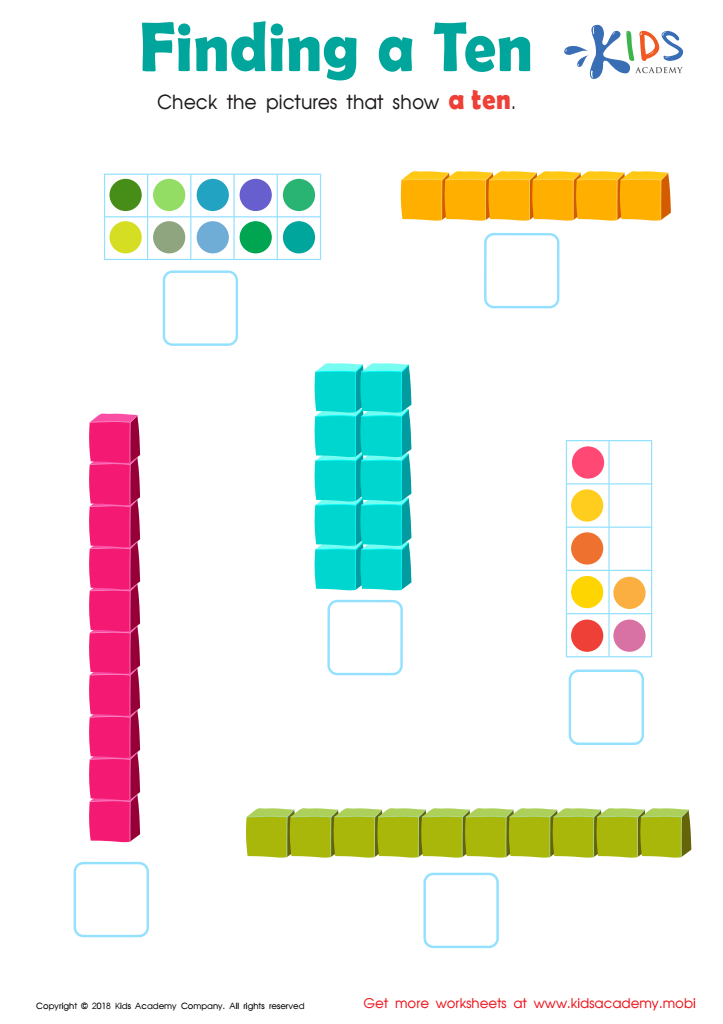
Finding a Ten Worksheet
 Assign to My Students
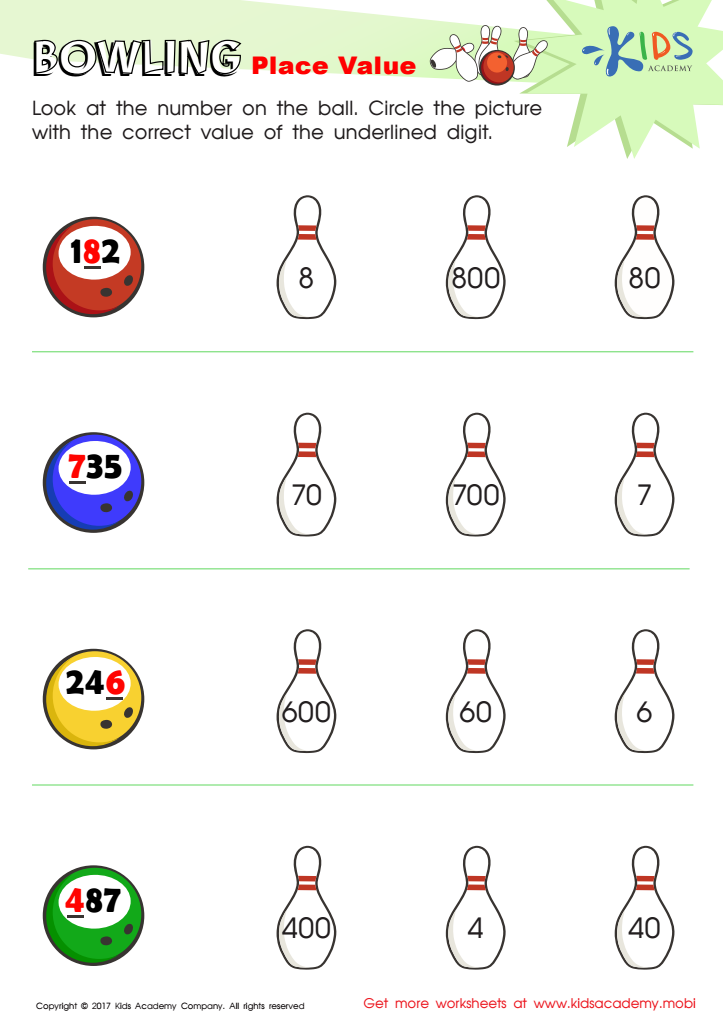
Place Value Worksheet
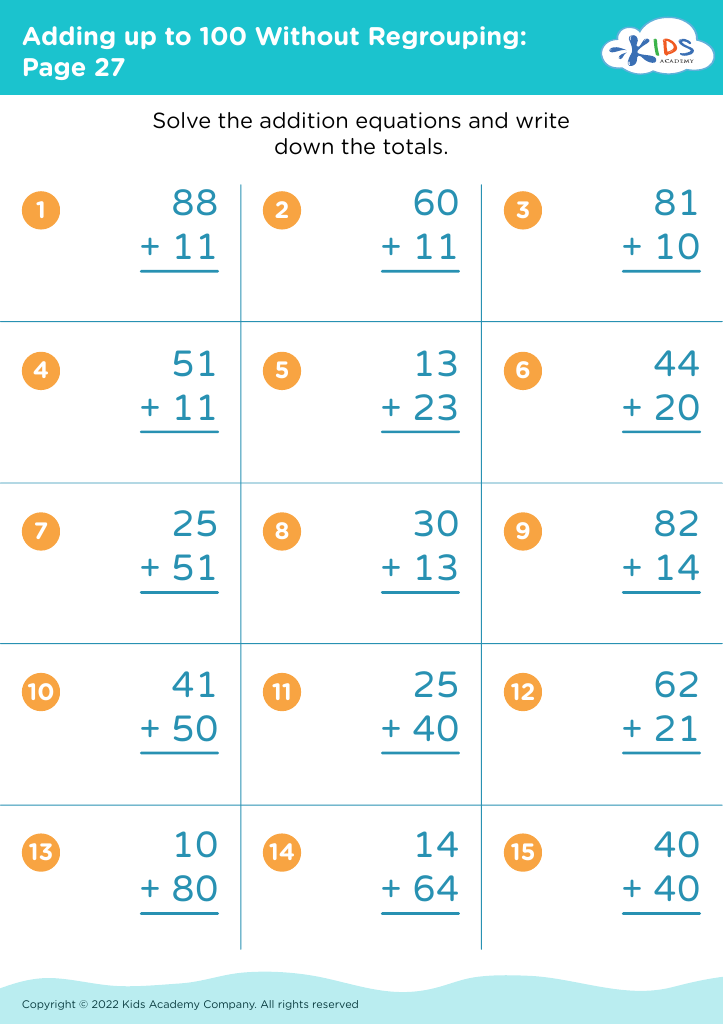
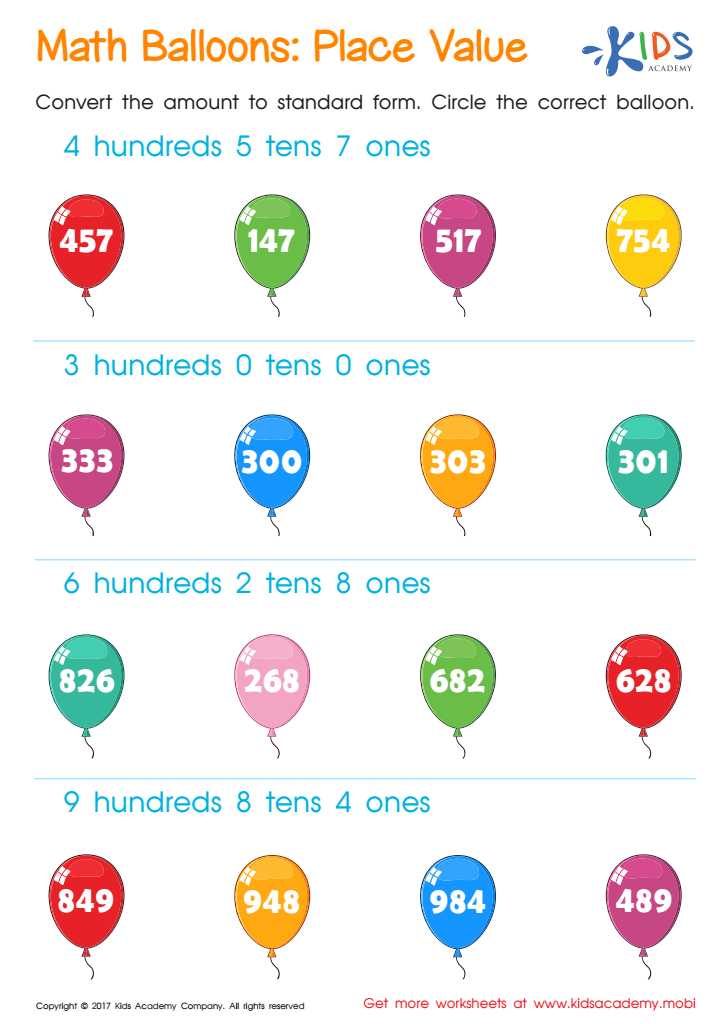
Place Value Printable Worksheet
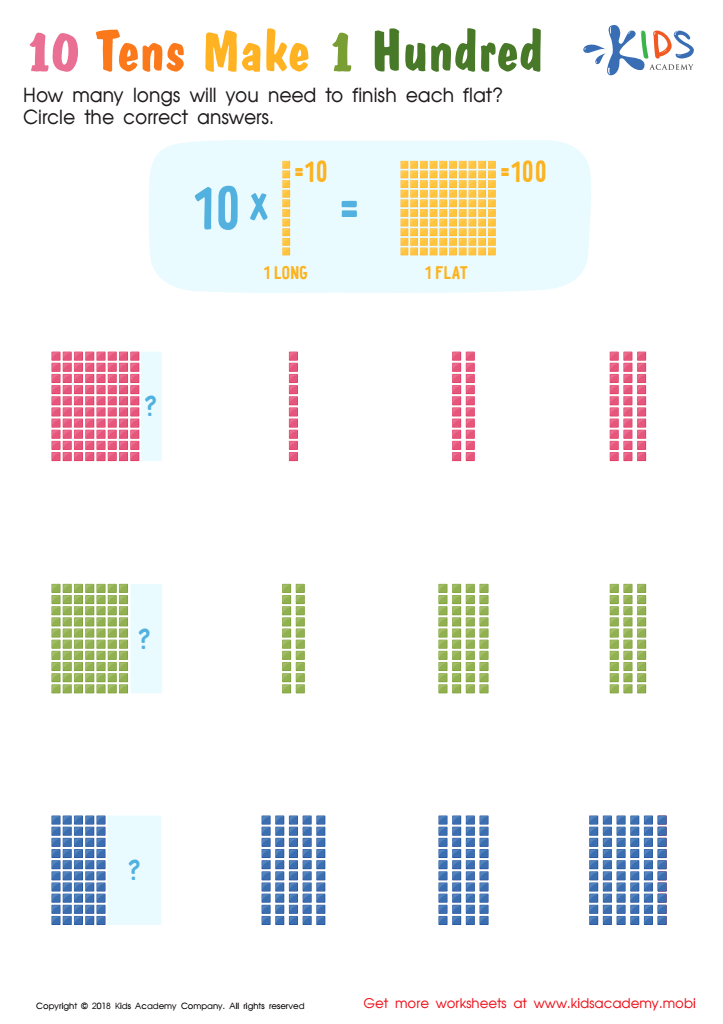
10 Tens Make 1 Hundred Worksheet








Recognizing number patterns is a crucial skill in early math education for children ages 7-8. At this formative age, understanding number patterns helps to build a solid mathematical foundation. First and foremost, number patterns enhance problem-solving abilities. They enable children to predict what comes next in a sequence, fostering logical thinking and analytical skills. Additionally, grasping patterns lays the groundwork for more advanced concepts such as multiplication, division, and algebra.
When children recognize patterns, they start seeing math not just as a series of random operations but as an interconnected, logical system. This elevates their enthusiasm and confidence in handling math problems. Furthermore, learning through patterns can also improve their memory retention. For instance, if kids understand the pattern in counting by twos, fives, or tens, they can faster master times tables and arithmetic operations.
Engaging with patterns brings an element of fun and discovery to learning math, sparking curiosity and interest. Visualizing and discerning patterns also link math to the real world, helping children see how math is relevant to daily life, from counting money to recognizing shapes and symmetry in natural objects. Therefore, parents and teachers should prioritize number pattern recognition to foster a love for math and to equip children with essential cognitive skills for future academic success.








