Counting practice Place Value Worksheets for Ages 7-8
3 filtered results
-
From - To
Enhance your child's mathematical foundation with our Counting Practice Place Value Worksheets tailored for ages 7-8. These engaging resources are designed to develop essential counting skills by focusing on understanding place value, improving number sense, and boosting confidence in mathematical abilities. Ideal for both home and classroom use, our worksheets feature varied exercises including counting, number line activities, and identifying place values to reinforce learning. Perfectly aligned with grade level standards, these printable worksheets make learning fun and effective, paving the way for future success in math. Give your child the tools they need to excel with our comprehensive practice materials.
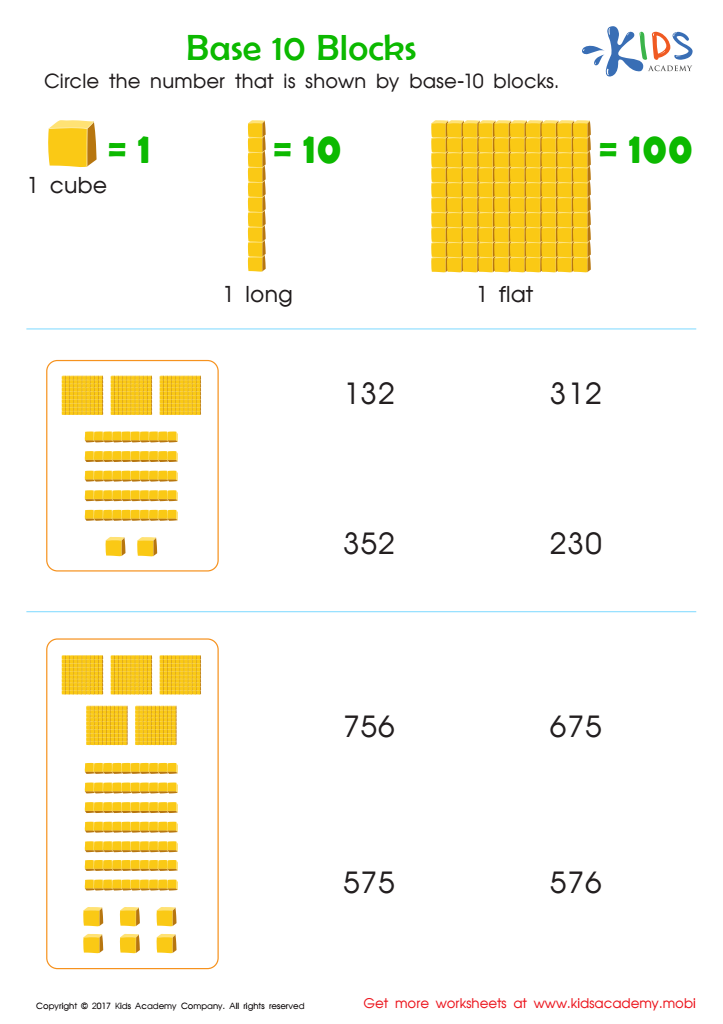
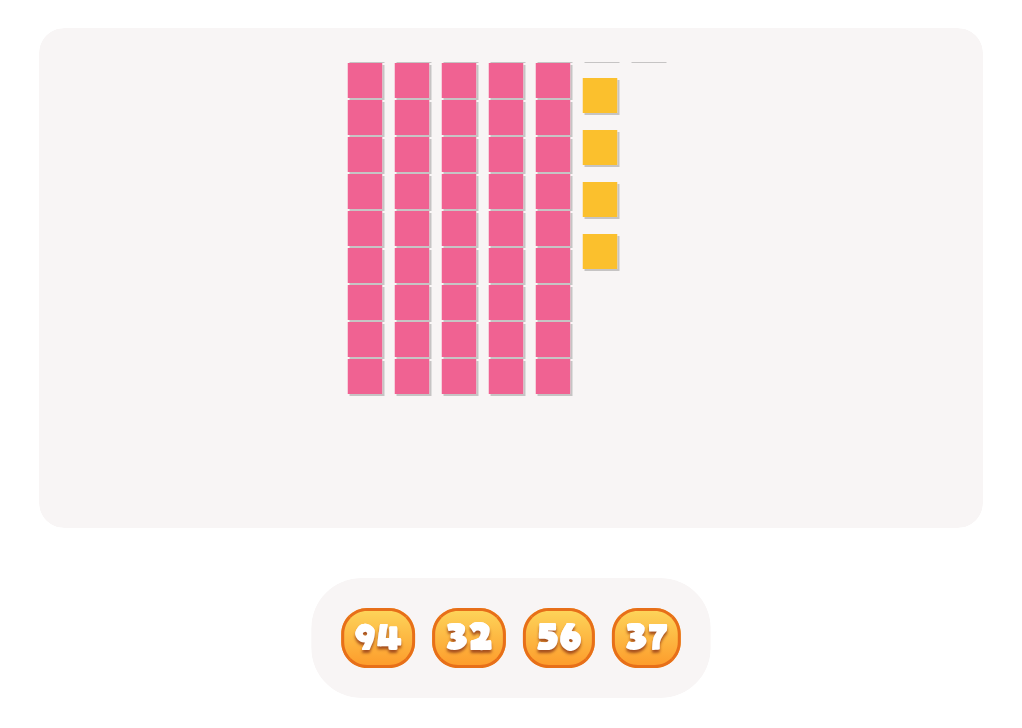
Base Ten Blocks Worksheet
 Assign to My Students
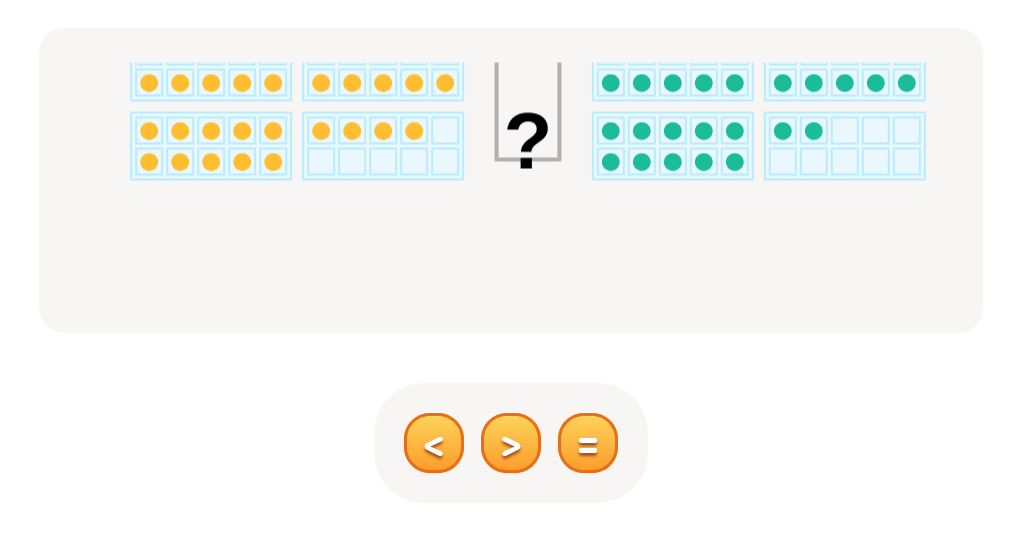

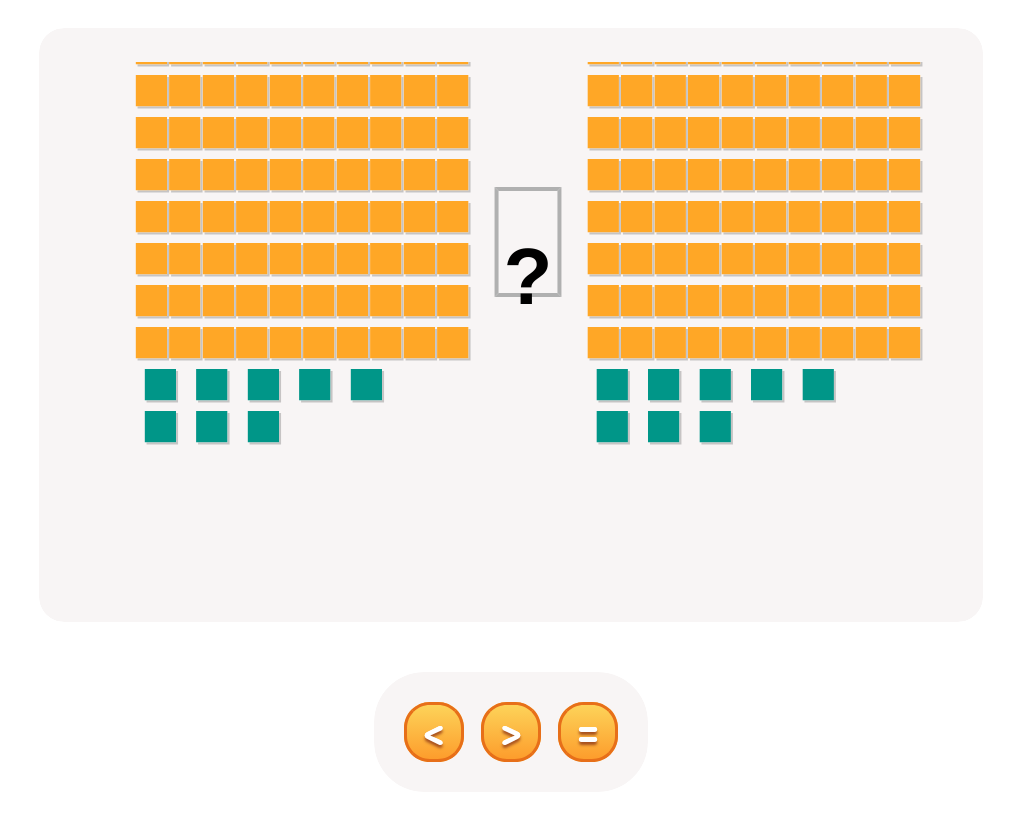
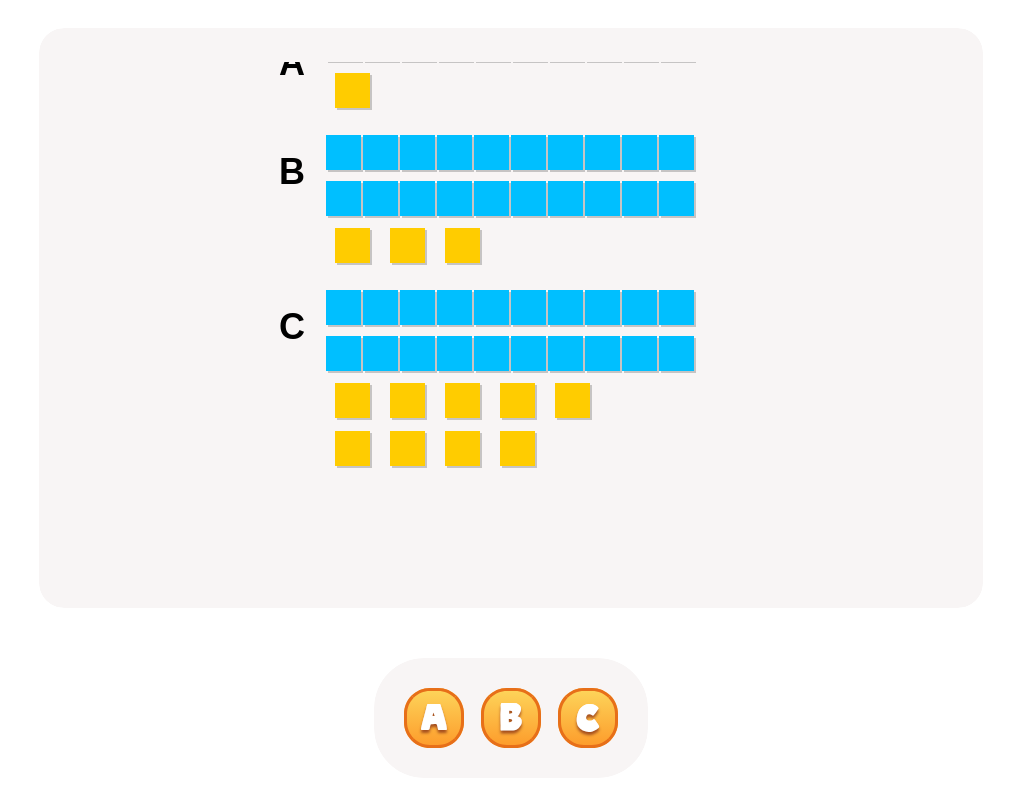
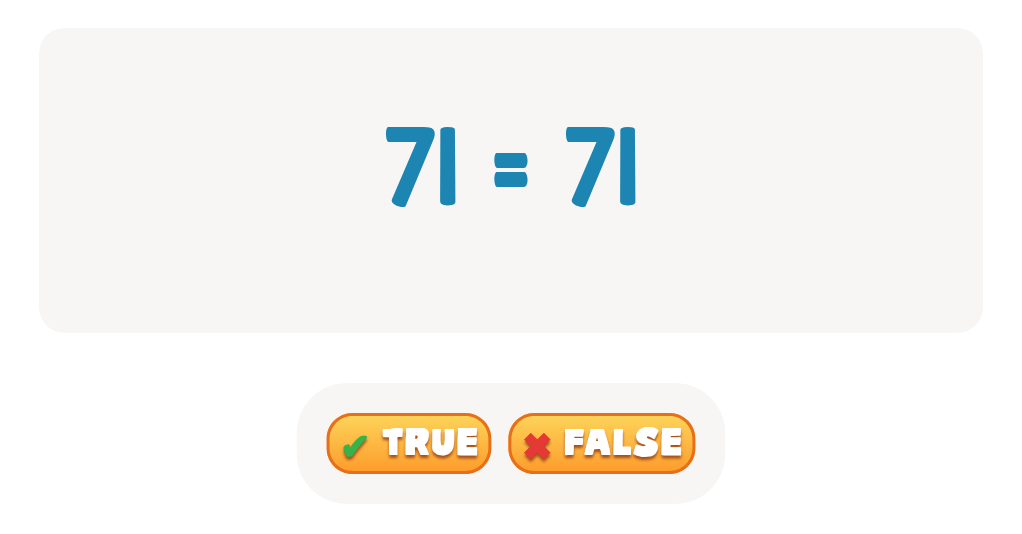
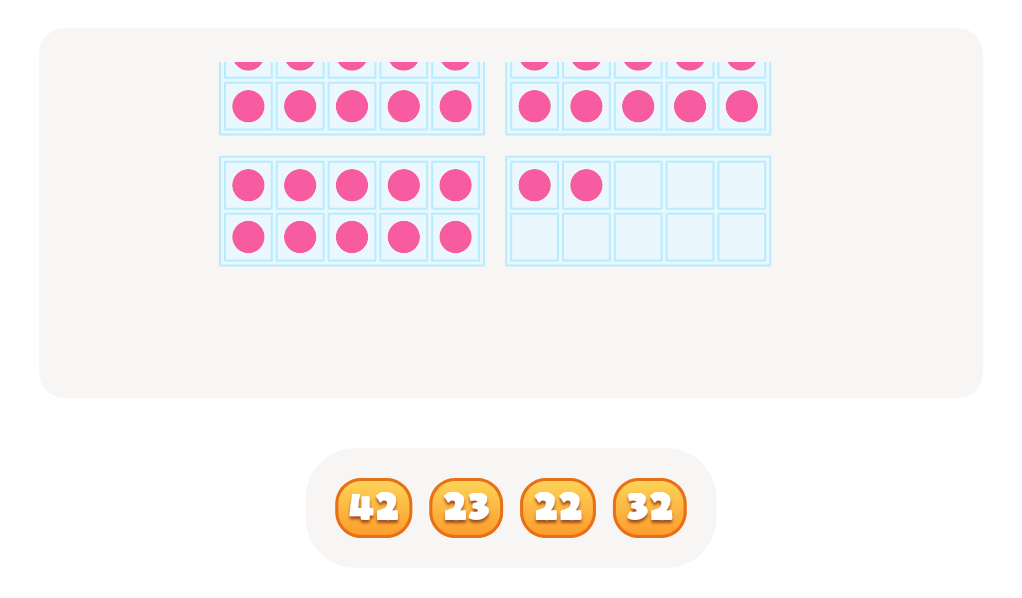
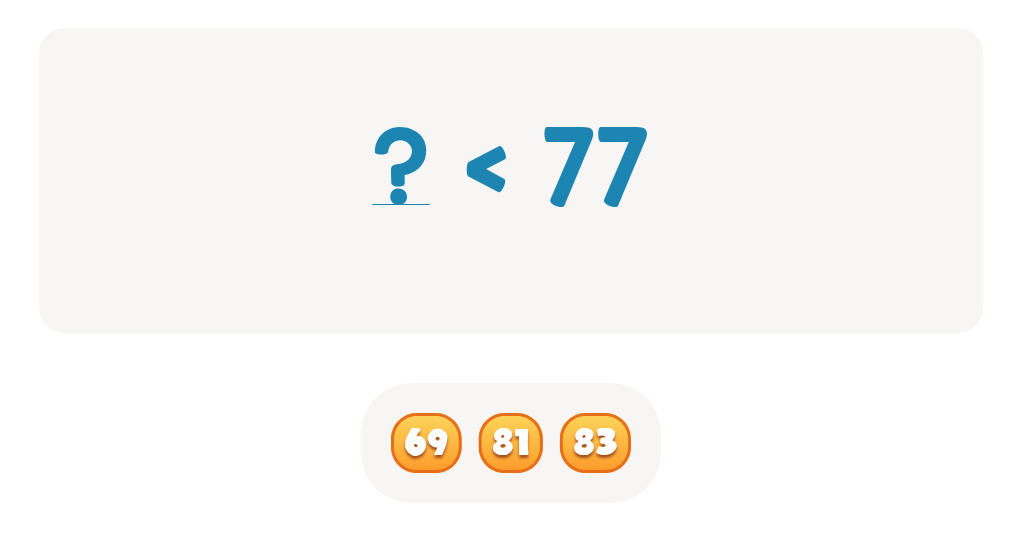
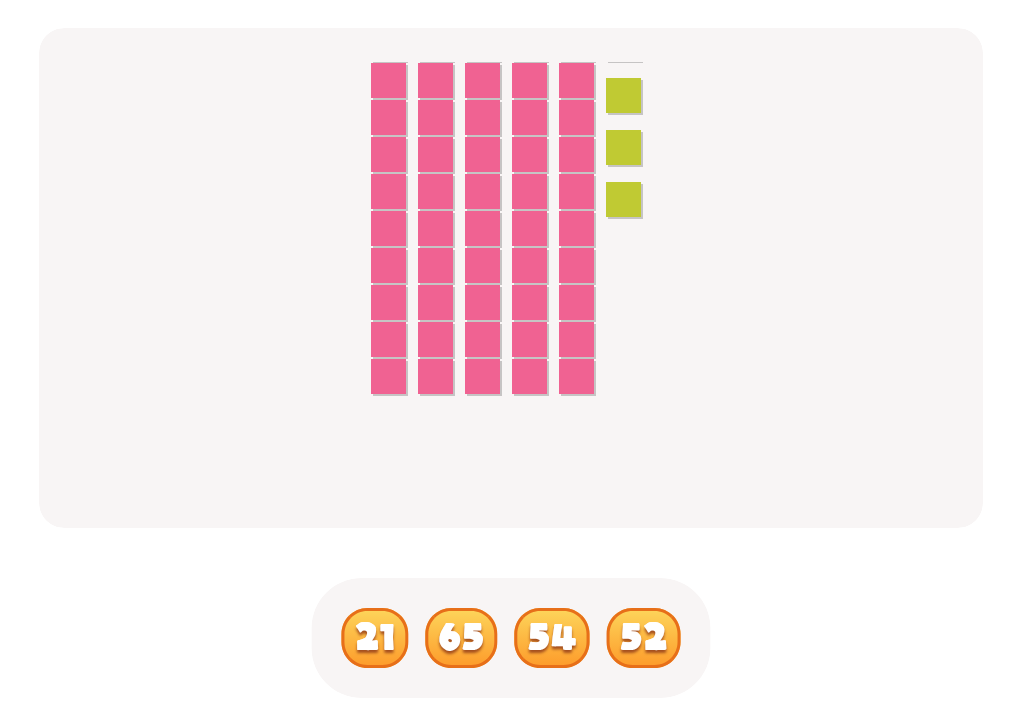
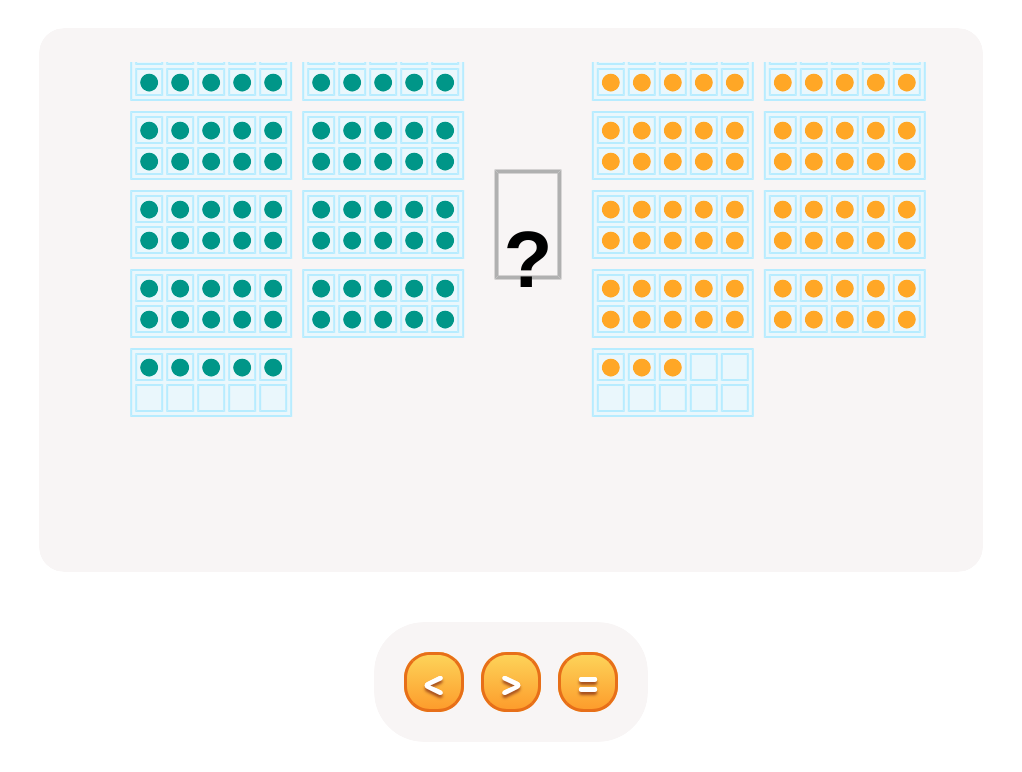
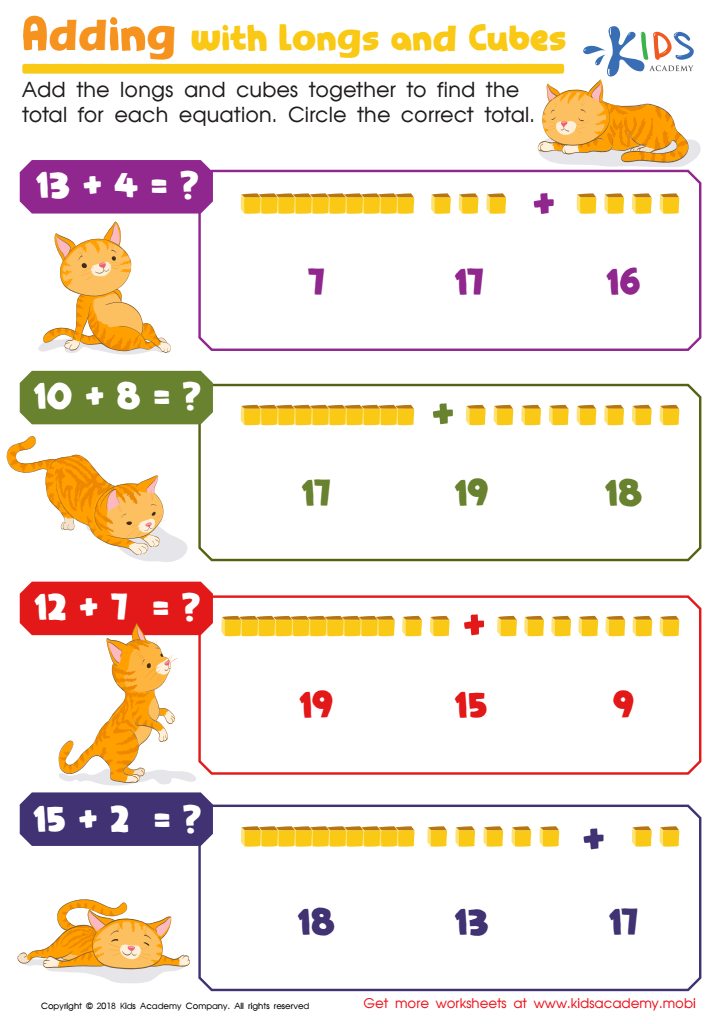
Adding With Longs and Cubes Worksheet
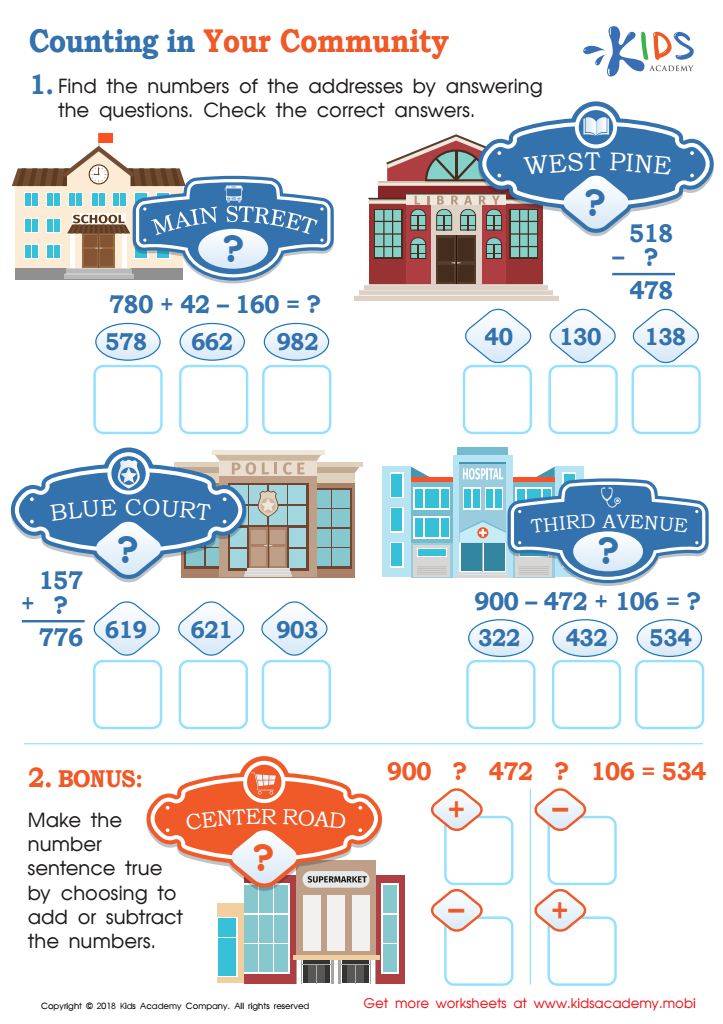
Counting in Your Community Worksheet








Parents and teachers should deeply prioritize counting and place value practice for children aged 7-8, as these foundational math concepts are critical for their long-term academic success. At this age, youngsters transition from simple counting to grasping more complex numerical ideas, including the base-ten system, which underpins our entire number system.
Understanding counting helps children to sequence numbers, recognize patterns, and build a solid number sense. This skill is crucial not just for math, but also for daily life activities such as telling time, handling money, and measuring quantities. Mastery of place value, on the other hand, allows children to comprehend how numbers are composed of units, tens, hundreds, and so forth, which is vital for operations like addition, subtraction, multiplication, and division.
Early focus on these areas promotes cognitive skills like logical thinking, problem solving, and memory retention. Lack of proficiency in basic counting and place value can lead to difficulties in more advanced math topics, affecting the child's confidence and interest in the subject. Therefore, consistent practice in these foundational concepts provides children with the tools they need to succeed academically and navigate real-world scenarios effectively. Encouraging and guiding children in this phase lays a strong groundwork for a positive and capable relationship with mathematics.