Comparing quantities Building Vocabulary Worksheets for Ages 7-8
3 filtered results
-
From - To
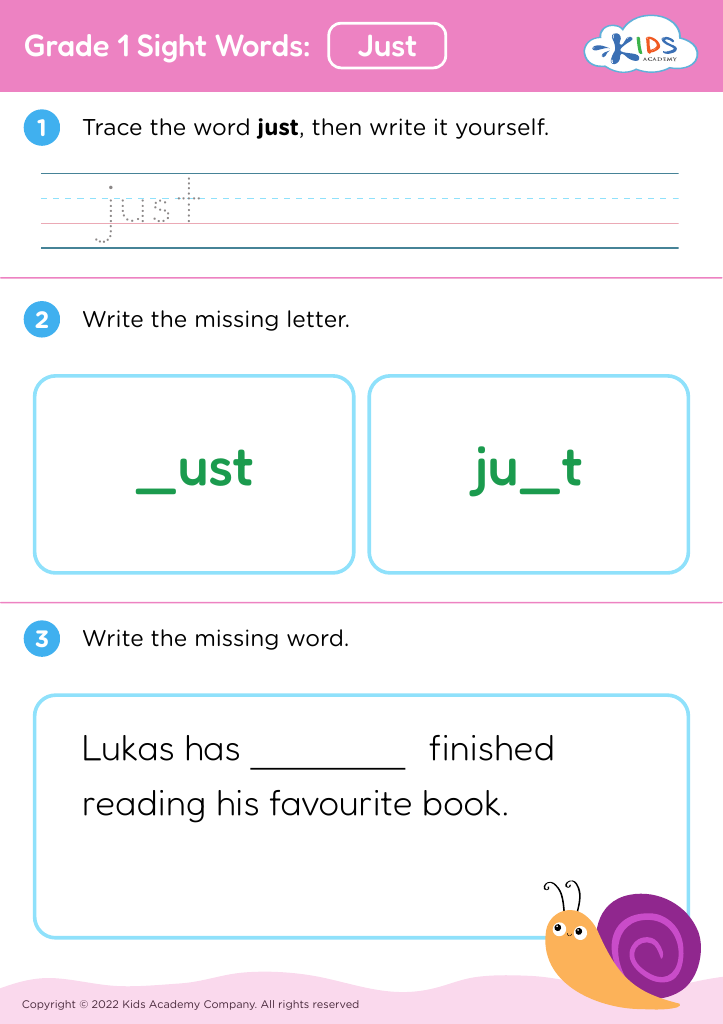
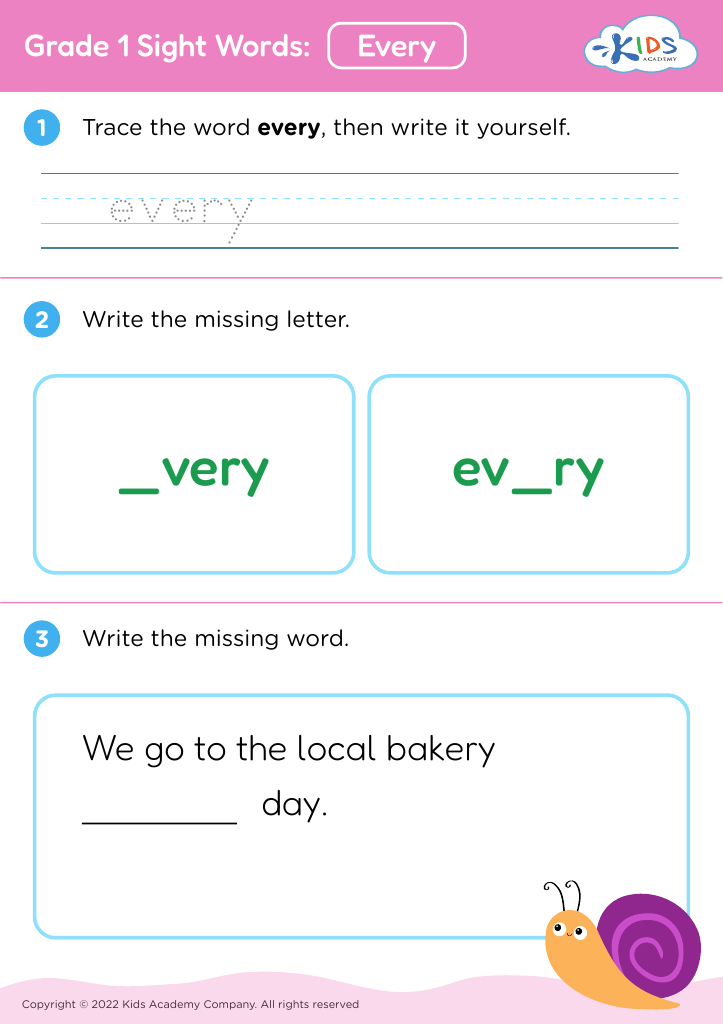
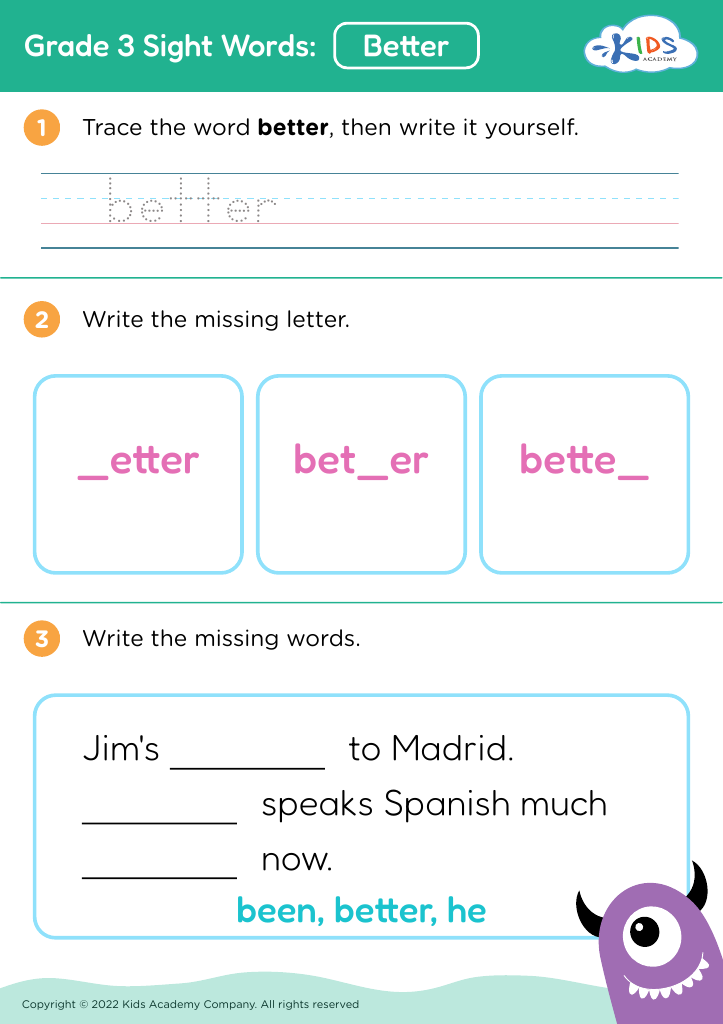
Enhance your child's vocabulary with our engaging "Comparing Quantities Building Vocabulary Worksheets" designed for ages 7-8. These worksheets provide a fun and interactive way to explore key concepts of comparison, encouraging students to distinguish between different quantities. By incorporating real-world scenarios, children will deepen their understanding of comparative language while expanding their word bank. Ideal for reinforcing classroom learning or supplementary practice at home, these resources foster linguistic skills essential for effective communication. Activate critical thinking and boost confidence in young learners as they discover the joy of language and comparison. Download your worksheets and watch their vocabulary flourish!



















Parents and teachers should prioritize comparing quantities and building vocabulary for children ages 7-8 because these skills are foundational for both academic success and everyday life. Comparing quantities enhances critical thinking and problem-solving abilities. At this age, children begin to encounter more complex mathematical concepts that require them to interpret numbers, understand measurements, and make comparisons. These foundational skills are crucial for future learning in mathematics and science, as they enable children to make sense of the world around them.
Additionally, building vocabulary at this developmental stage lays the groundwork for effective communication and literacy. A broad vocabulary enables children to express their thoughts and comprehend reading material more easily. Engaging in activities that expand vocabulary helps children articulate comparisons and contrasts clearly, reinforcing their understanding of abstract concepts.
Combining both skills not only strengthens academic performance but also prepares children for collaborative learning and social interaction. Children who can compare quantities and articulate their reasoning tend to be more confident in their problem-solving abilities. Thus, investing time and resources into fostering these skills is important for parents and teachers, as it equips children with the tools needed for lifelong learning and communication proficiency.








