Identifying shapes Building Vocabulary Worksheets for Ages 7-8
5 filtered results
-
From - To
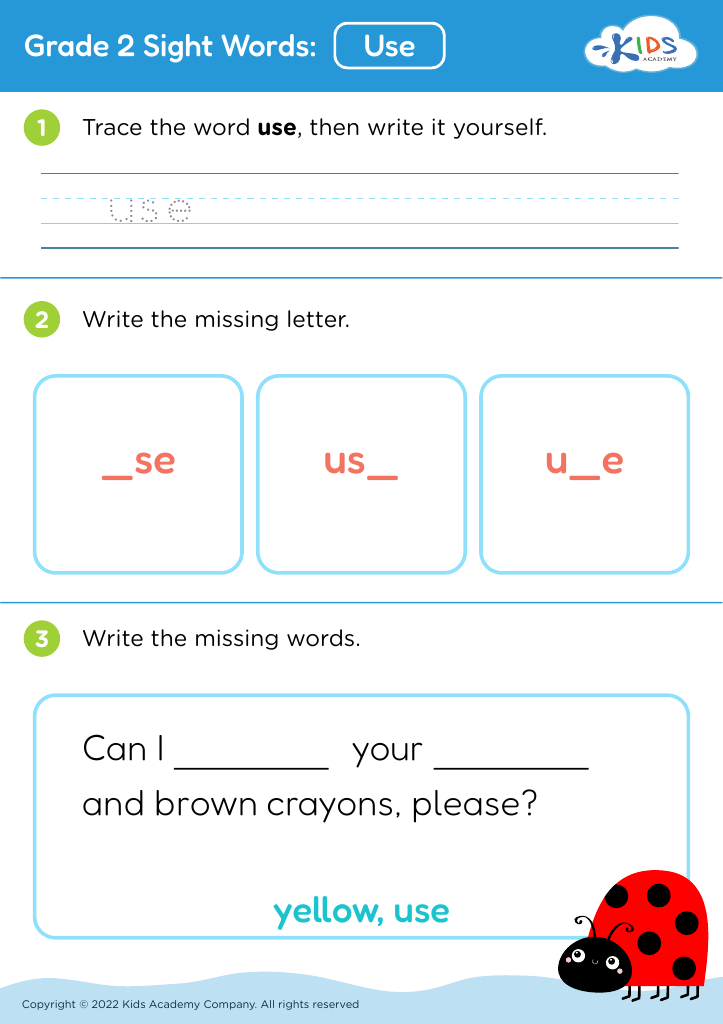
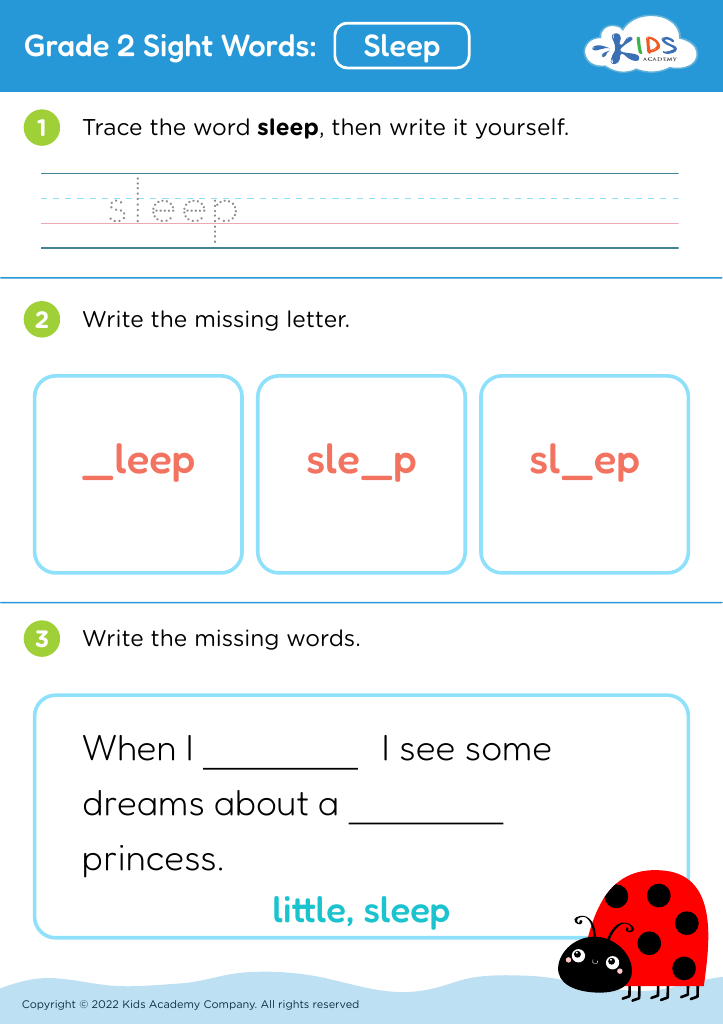
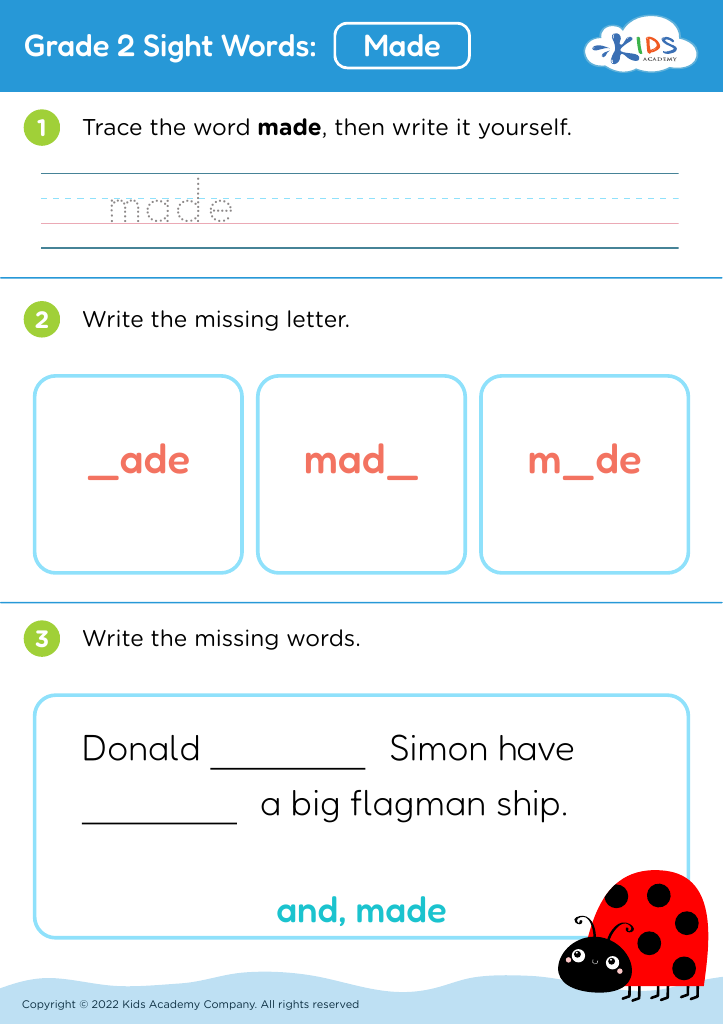
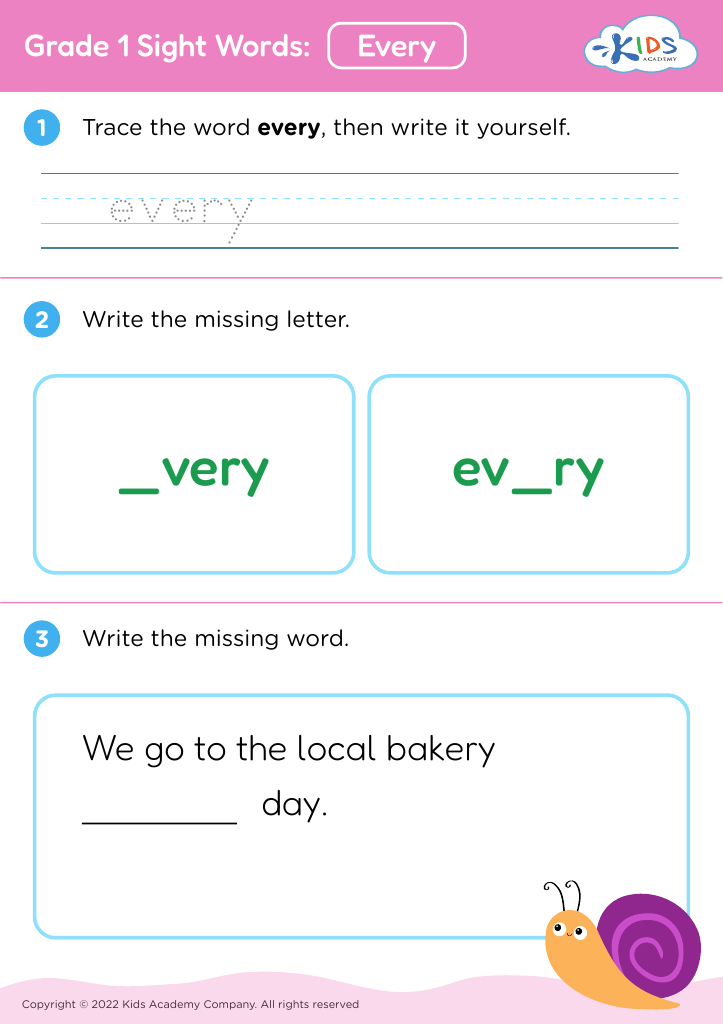
Welcome to our "Identifying Shapes Building Vocabulary Worksheets" designed specifically for children aged 7-8! These engaging worksheets help young learners develop essential vocabulary skills while exploring various geometric shapes. Participants will enjoy a variety of interactive activities, including matching, sorting, and identifying shapes in different contexts. With a focus on enhancing language skills, these worksheets encourage creativity and critical thinking, making learning both fun and effective. Perfect for home or classroom use, our worksheets are an excellent resource for teachers and parents aiming to strengthen their child's understanding of shapes and vocabulary. Start mastering shapes today!

















.jpg)

Identifying shapes and building vocabulary in children aged 7-8 are fundamental aspects of early education that impact their cognitive and linguistic development. At this age, children are developing critical thinking skills and conceptual understanding of the world around them. Recognizing different shapes helps them make sense of spatial relationships and lays the groundwork for more complex math skills, such as geometry and problem-solving. When teachers and parents engage children in identifying shapes, they provide opportunities to connect real-world objects to geometric concepts, fostering curiosity and a love for learning.
Simultaneously, building vocabulary is essential for effective communication and literacy skills. A rich vocabulary enhances reading comprehension and encourages expressive language use, which are key to academic success. Children instinctively incorporate new terms into their interactions, empowering them to articulate their thoughts and feelings more clearly.
Furthermore, combining shape identification with vocabulary exercises can be an enjoyable learning experience. For example, discussing a 'triangle' during a craft project integrates shape recognition with descriptive language. By prioritizing both areas, parents and teachers cultivate a solid foundation that equips children with the skills necessary for lifelong learning and success, both academically and socially.








