Improving math skills Building Vocabulary Worksheets for Ages 7-8
3 filtered results
-
From - To
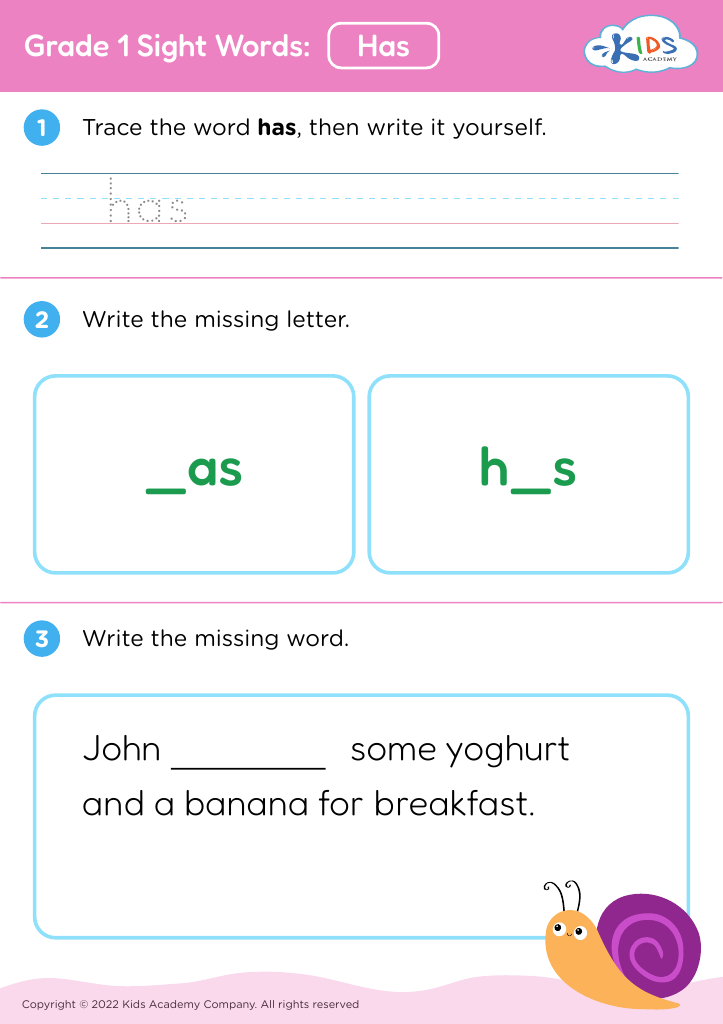
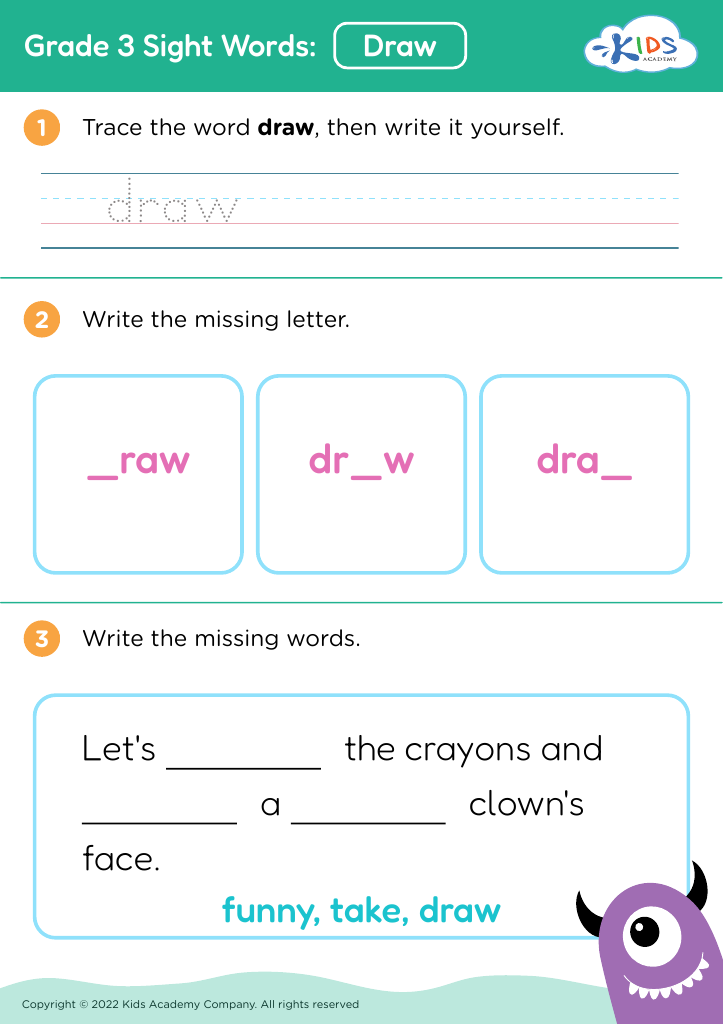
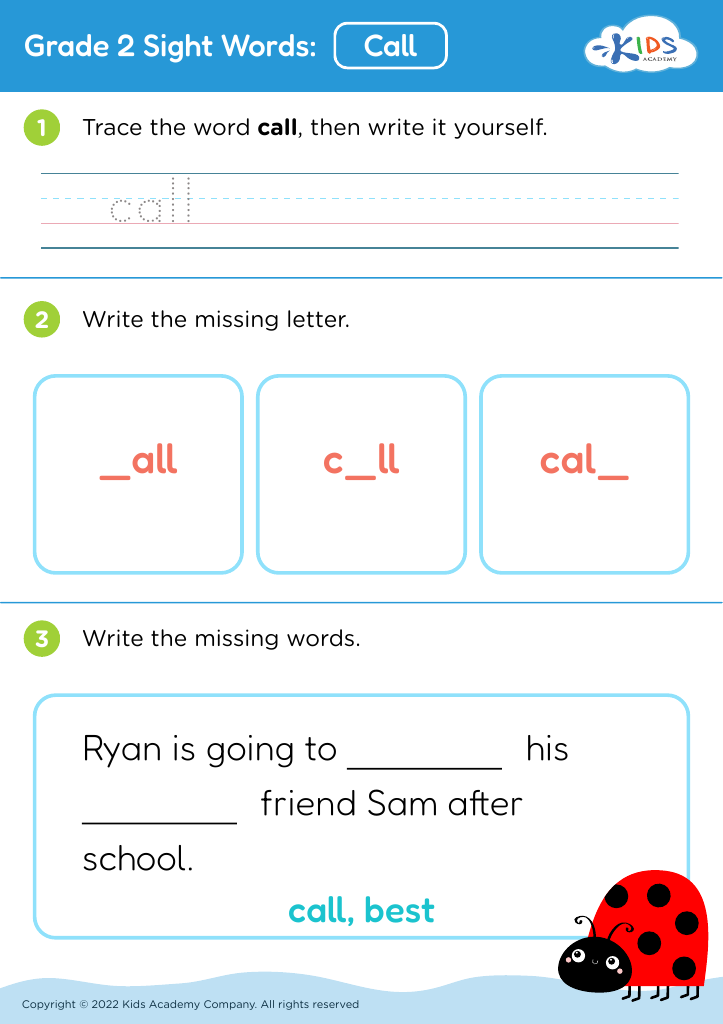
Unlock your child's potential with our "Improving Math Skills Building Vocabulary Worksheets for Ages 7-8". Crafted specifically for second graders, these engaging worksheets seamlessly blend critical math skill enhancement with vocabulary development, fostering both numerical and language proficiency. Each worksheet is designed to challenge young minds with fun activities, from addition and subtraction problems to word problems that incorporate essential vocabulary. Perfect for classroom use or home practice, our resources aim to make learning enjoyable, interactive, and effective. Encourage cognitive growth and a love for learning with our expertly designed worksheets.
Visit Kid's Academy for more details!
















.jpg)


Improving math skills and building vocabulary for children aged 7-8 is critical to their overall cognitive and academic development. This period marks a foundational stage where young minds are highly receptive to learning, making it an ideal time to enhance these essential skills.
Strengthening math skills at an early age sets the groundwork for more complex problem-solving and logical reasoning abilities in later years. By mastering basic arithmetic concepts, children not only gain confidence in their math abilities but also develop critical thinking and the ability to approach everyday problems systematically. This can lead to better performance in academic subjects during their schooling years and beyond.
Simultaneously, building a rich vocabulary is crucial for effective communication and comprehension. At ages 7-8, children are rapidly expanding their word bank, which directly influences their reading comprehension, writing skills, and ability to articulate thoughts clearly. A strong vocabulary aids in understanding instructions, following classroom discussions, and engaging in meaningful conversations with peers and adults. Additionally, well-developed language skills contribute to overall academic success and are key predictors of future literacy and learning outcomes.
Parents and teachers play a significant role by providing a supportive environment rich with opportunities for practice and learning in both areas, thereby equipping children with the skills necessary for lifelong success.








